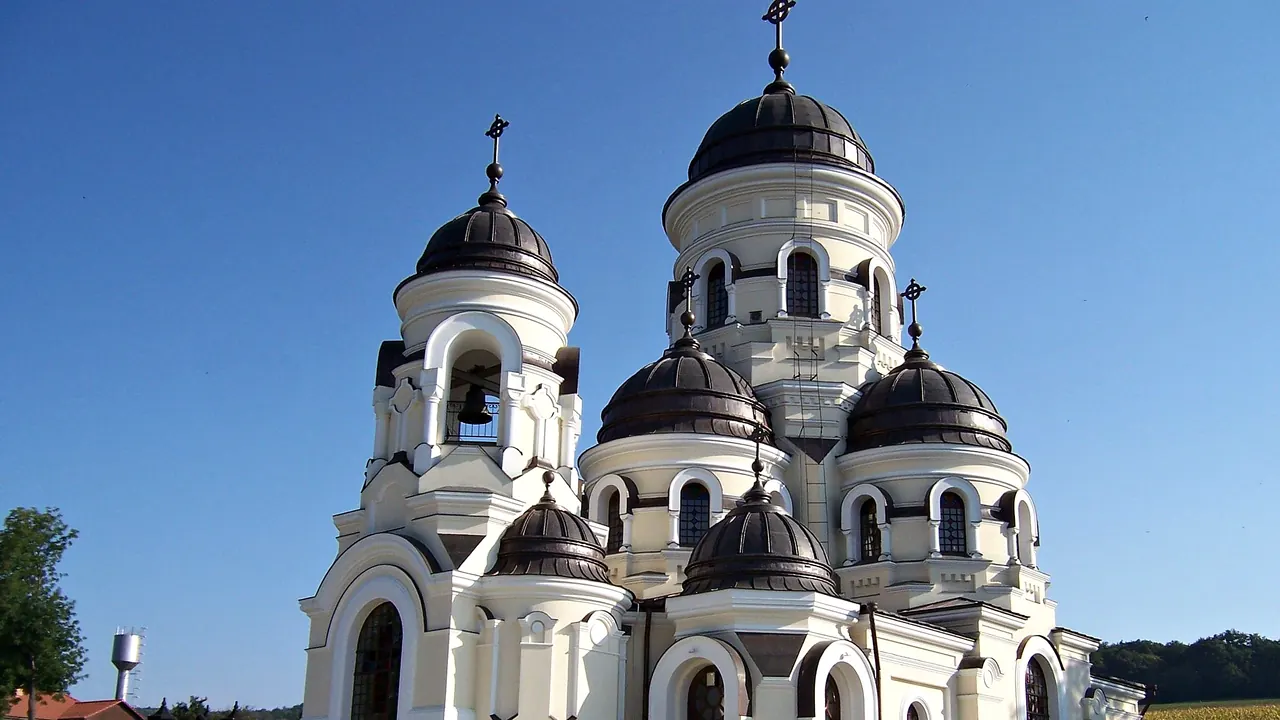
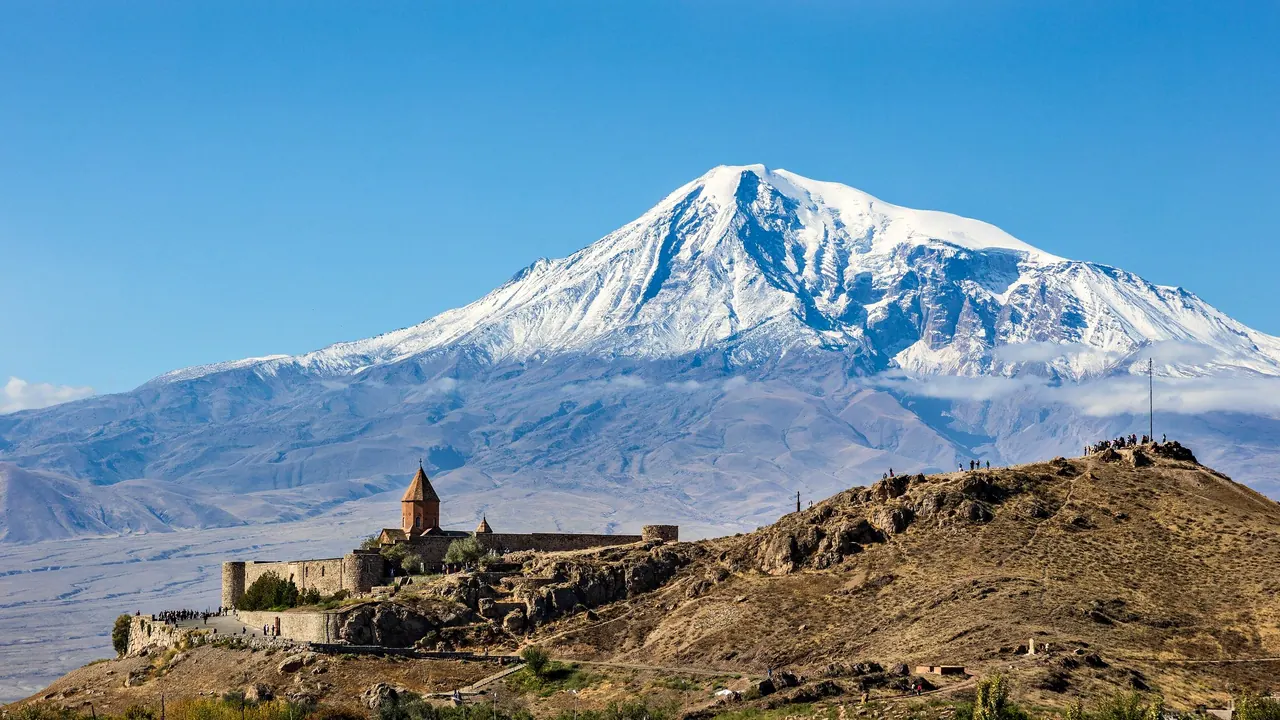
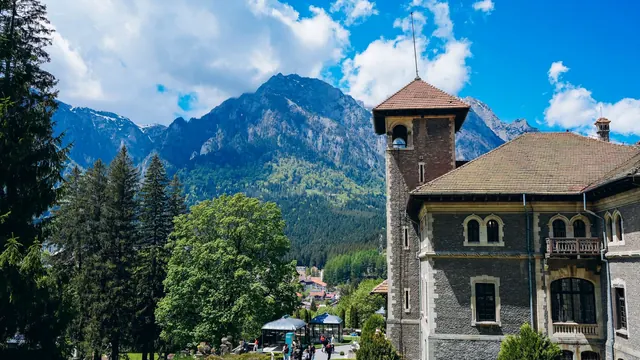
Photos: Moldova by Oleg Alexandrov, Public domain; Armenia by Diego Delso, CC BY-SA 4.0, cropped.
Moldova or Armenia?
Our verdict in twelve categories, each scored against the same fixed benchmark cities, and the climate month by month, so you can choose for your trip.
Choose Moldova for
- prices
- food and drink
Moldova suits a slow, wine-centred trip on a small budget. You stay in Chisinau and go out to the cellar tunnels of Cricova and Milestii Mici, the estates of Codru and Purcari, and the cave monastery at Orheiul Vechi. Then you finish the day with a long lunch at a winery table. Sightseeing is modest, but costs stay low, even in the capital.
Choose Armenia for
- culture and sights
- nature and the outdoors
- wellness
Armenia has more to fill a varied trip. Medieval monasteries stand in gorges and on cliff ledges, and Yerevan has the manuscripts of the Matenadaran. The mountains are real, from Dilijan's forests to Aragats and the canyons of Syunik. Travellers who want history, hiking and dramatic scenery in one trip will get more here, though Yerevan costs a little more and the roads are slower.
Scoreboard
Twelve categories on one fixed scale from 0 to 100. The shaded stretch is the gap between the two.
Your match
Pick a travel style or drag the sliders, and both match scores follow your weighting.
Wins on prices and food and drink with your weighting.
Wins on culture and sights and nature and the outdoors with your weighting.
What matters to you?
Category by category
What the scores mean for a trip.
Beaches & swimming
Neither country has a coast, and neither is worth choosing for swimming. Moldova has the least to offer: a swim in the Dniester at Vadul lui Voda, a city lake or a hotel pool.
Armenia at least has Lake Sevan, a clear alpine lake with sandy and pebbly shores where people spend summer weekends. The water stays cool, and swimming only works in July and August, but a day or two on Sevan fits into a summer trip in a way Moldova cannot match.
Where in Armenia: Lake Sevan
Food & drink
The two are level, but they put different things at the centre of the table. In Moldova the wine comes first and runs through the whole country, from the central hills to the far south. A day is usually built around a tasting with a long lunch, and the plain, filling cooking that goes with it is served at guesthouses and winery tables once you leave Chisinau.
Armenia turns this round. The grill and the clay oven matter most, and you eat at roadside grill houses rather than estates. Wine belongs mainly to one corner, the village cellars around Areni in Vayots Dzor, while brandy is Yerevan's drink. Yerevan's menus also show Middle Eastern and Russian influences, and the Gum market sells fruit and spices.
Where in Moldova: Chisinau, Codru wine region, Stefan Voda and Purcari, Cricova
Where in Armenia: Yerevan, Vayots Dzor
Culture & sights
Armenia is far richer. As the first state to adopt Christianity, it has monasteries in almost every valley, from Echmiadzin and Geghard, carved into the cliff, to Tatev on its ledge and the UNESCO-listed Haghpat and Sanahin. Garni's Hellenistic temple, the Matenadaran's manuscripts and Gyumri's black-stone centre add to the list.
Moldova's heritage is rural and smaller in scale. Orheiul Vechi, its cave monastery above the Raut, is the highlight, followed by Soroca's round fortress and the forest monasteries. Chisinau's cathedral and national museums take two or three days at most.
Where in Moldova: Orheiul Vechi, Soroca, Chisinau, Saharna and Tipova
Where in Armenia: Yerevan, Debed Canyon, Syunik (Tatev), Gyumri
Nightlife
In both countries, going out happens only in the capital, and neither is a destination for partying. Yerevan has a little more. On long summer evenings, crowds fill Northern Avenue and the Cascade, terraces stay open late, and a few clubs run into the early hours at weekends.
Chisinau is smaller and quieter, with wine bars, cocktail bars and terraces that are busiest on summer weekends when the students are in town. On weeknights it is very quiet.
Where in Moldova: Chisinau
Where in Armenia: Yerevan
Nature & outdoors
Armenia is mountain country, with most of it above 1,000m. You can climb Mount Aragats in summer, walk the beech forests of Dilijan, look into the red gorges of Syunik around Tatev, and ski at Tsaghkadzor. Hiking often needs a guide, because the trails are poorly marked.
Moldova's landscape is softer, with vineyards, sunflower fields and old oak forest in the Codrii reserve. Its best scenery is along the rivers at Orheiul Vechi, Saharna and Tipova. This suits easy walks, cycling between wine villages and birdwatching on the Lower Prut, not anything strenuous.
Where in Moldova: Orheiul Vechi, Saharna and Tipova, Codrii, Lower Prut
Where in Armenia: Dilijan National Park, Syunik, Mount Aragats, Lake Sevan
Day trips
In both countries you can stay in the capital and see most things on day trips, but Armenia's outings are more varied. From Yerevan you can reach Echmiadzin in half an hour and see Khor Virap facing Ararat. Sevan, Dilijan, the Areni wine villages and Gyumri, reached by train, each make a full day.
From Chisinau, the cellar towns of Cricova and Milestii Mici are very close, and Orheiul Vechi is about an hour away. Purcari makes a long lunch trip. After that, the choices are modest, and Soroca and the Dniester cliff monasteries take a long day.
Where in Moldova: Orheiul Vechi, Cricova and Milestii Mici, Stefan Voda and Purcari, Soroca
Where in Armenia: Yerevan, Echmiadzin, Gyumri, Vayots Dzor (Areni)
Good for families
Both countries are mainly vacations for adults, but Armenia gives children a little more. Yerevan has fountains, the Cascade steps and parks. Lake Sevan's gently shelving shores make a summer day by the water, and older children tend to enjoy the Tatev aerial tramway and the rock-cut Geghard. The drawbacks are long mountain drives and heat in the capital.
In Moldova, family options are mainly Chisinau's lakeside Valea Morilor park, the zoo and a few rides. Most families rent a car and stay at a rural guesthouse with outdoor space.
Where in Moldova: Chisinau
Where in Armenia: Yerevan, Lake Sevan, Dilijan
Getting around
Getting around is equally awkward in both, but in different ways. In both capitals the centre is easy on foot. Yerevan adds a metro line, cheap app taxis and a usable train to Gyumri, while Chisinau relies on trolleybuses and minibuses, and its trains are few and slow.
Outside the capitals, most visitors in both countries use a driver, a tour or a hire car, because monasteries and wineries are far from bus stops. Moldova's distances are short, and nowhere is more than a few hours from Chisinau. Armenia's mountain roads are slow, and getting to the south takes most of a day.
Where in Moldova: Chisinau
Where in Armenia: Yerevan, Gyumri
Shopping & style
Armenia has more to buy. Yerevan's Vernissage is a large weekend market of carpets, carved wood, obsidian jewellery, Soviet relics and paintings, and a few small shops sell local fashion and design. Brandy, dried fruit and pomegranate ceramics make easy souvenirs.
Moldova's best shopping is wine, bought at the cellar shops of Cricova and Milestii Mici, which sell older vintages and Divin brandy. Beyond that, there is the central market in Chisinau and a few stalls selling embroidered blouses and village pottery.
Where in Moldova: Cricova, Milestii Mici, Chisinau
Where in Armenia: Yerevan
Affordability
Both are cheap to travel in, but Moldova is cheaper, and prices stay low wherever you go, even in Chisinau's better hotels. The one cost that adds up is a driver or guided trip, because many sights are hard to reach without one.
In Armenia, getting around costs little everywhere: app taxis in Yerevan, minibuses, and a driver for the day. Most monasteries are free to enter. Rooms and meals are where the capital stands apart. Central hotels and the better restaurants in Yerevan cost noticeably more than in the regions, where Gyumri and the guesthouses of Vayots Dzor and Dilijan give the best value.
Where in Moldova: Chisinau, Codru wine region
Where in Armenia: Gyumri, Vayots Dzor, Dilijan
Live music & performing arts
Yerevan gives you more evenings out. Its round Opera and Ballet Theatre, designed by Tamanyan, stages Khachaturian and other Armenian composers, and the Philharmonic plays in the hall named after him. There is also a long jazz tradition in small clubs, and you can hear the duduk at restaurants and festivals.
Chisinau has a respectable opera and ballet season, chamber and organ recitals in the Organ Hall, and easy tickets. Its most distinctive offering is folk: the fast national dance ensembles and the brass bands at grape-harvest festivals in the villages.
Where in Moldova: Chisinau
Where in Armenia: Yerevan
Wellness & relaxation
Neither country has a bathing culture, but Armenia has a real spa town in Jermuk. It sits in the southern mountains, with hot mineral springs, drinking galleries and a waterfall in its gorge, and Arzni and pine-scented Dilijan have treatment hotels too.
Moldova's Soviet-era sanatoria at Cahul and Vadul lui Voda mostly serve locals. The best way to relax there is a few quiet days at a guesthouse or winery in the Codru wine country.
Where in Moldova: Cahul, Codru wine region
Where in Armenia: Jermuk, Dilijan, Arzni
When should you go?
Pick your month, and for a country the place in it. The climate figures are measured averages, not a forecast.
Chișinău (Moldova) in July
Yerevan (Armenia) in July
Daytime high, °C
Rainfall in the month, mm
Temperature and rainfall are climate normals, averaged over the years shown. Chișinău (Moldova): 1991-2020 normals, Kisinev (11.2 km from centre). Yerevan (Armenia): 1991-2020 normals, Yerevan (6.7 km from centre).
Both countries have cold winters, with Chisinau and Yerevan each reaching only about 1°C by day in January. Both are at their best from late spring to early autumn. They differ most in midsummer. Chisinau stays warm rather than hot, with highs near 29°C in July and August, so summer is fine for walking and vineyard visits, though July is its wettest month.
Yerevan reaches 33°C in July and August with almost no rain, which makes those months tiring for sightseeing on the Ararat plain. Summer is better spent in the cooler highlands around Dilijan and Lake Sevan. In Armenia, May, September and early October bring warm, sunny days that suit both the capital and the mountains. Moldova has a similar window from May to September.
Which traveller are you?
On a culture and arts trip, Armenia is the stronger choice. Its monasteries at Geghard, Tatev, Haghpat and Noravank, the temple at Garni and Yerevan's museums, opera and jazz clubs give far more to see and hear than Moldova's handful of sites.
For an outdoors trip, go to Armenia. You can climb Mount Aragats in summer, walk between monasteries in Dilijan National Park and explore the gorges of Syunik. Moldova's gentle hills and short river trails suit easy walks and cycling rather than real hiking.
On a trip on a tight budget, Moldova goes further. Guesthouses, meals, wine and transport cost very little across the country, including Chisinau. In Armenia, the capital is the expensive part, and the savings mostly come in Gyumri and the regions.
More comparisons
Each shares a side with Moldova or Armenia.
Where else could you go?
Set Moldova or Armenia against any other country.