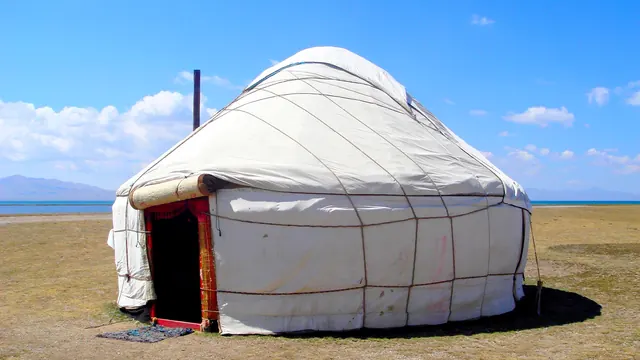
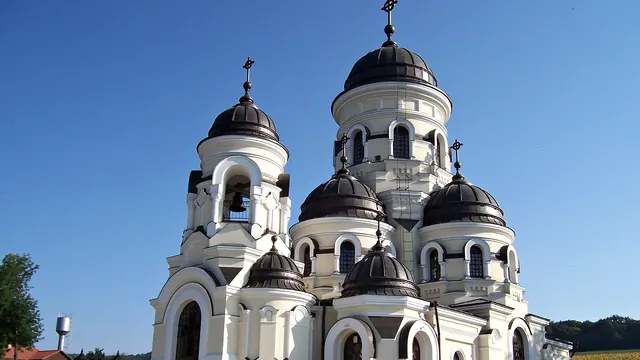
Photos: Georgia by Dito1993, CC BY-SA 4.0, cropped; Armenia by Diego Delso, CC BY-SA 4.0, cropped.
Georgia or Armenia?
Our verdict in twelve categories, each scored against the same fixed benchmark cities, and the climate month by month, so you can choose for your trip.
Choose Georgia for
- beaches
- food and drink
- nightlife
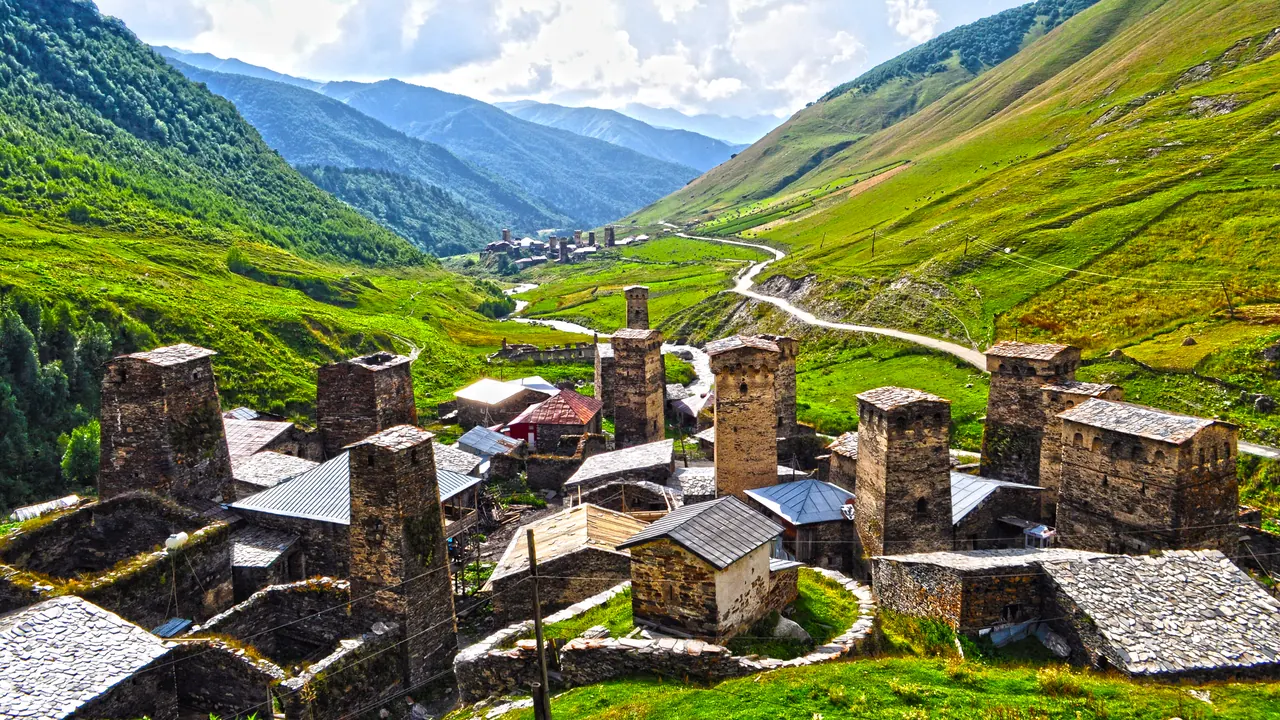
Georgia suits the traveller who wants a longer and more varied trip. Its strengths are the high Caucasus valleys of Kazbegi and Upper Svaneti, the wine villages of Kakheti, a cuisine worth crossing borders for, late nights in Tbilisi and a few days on the Black Sea to finish. The country is bigger and slower to cross, but each region adds something the others lack, and staying in family guesthouses keeps it cheap.
Choose Armenia for
- getting around
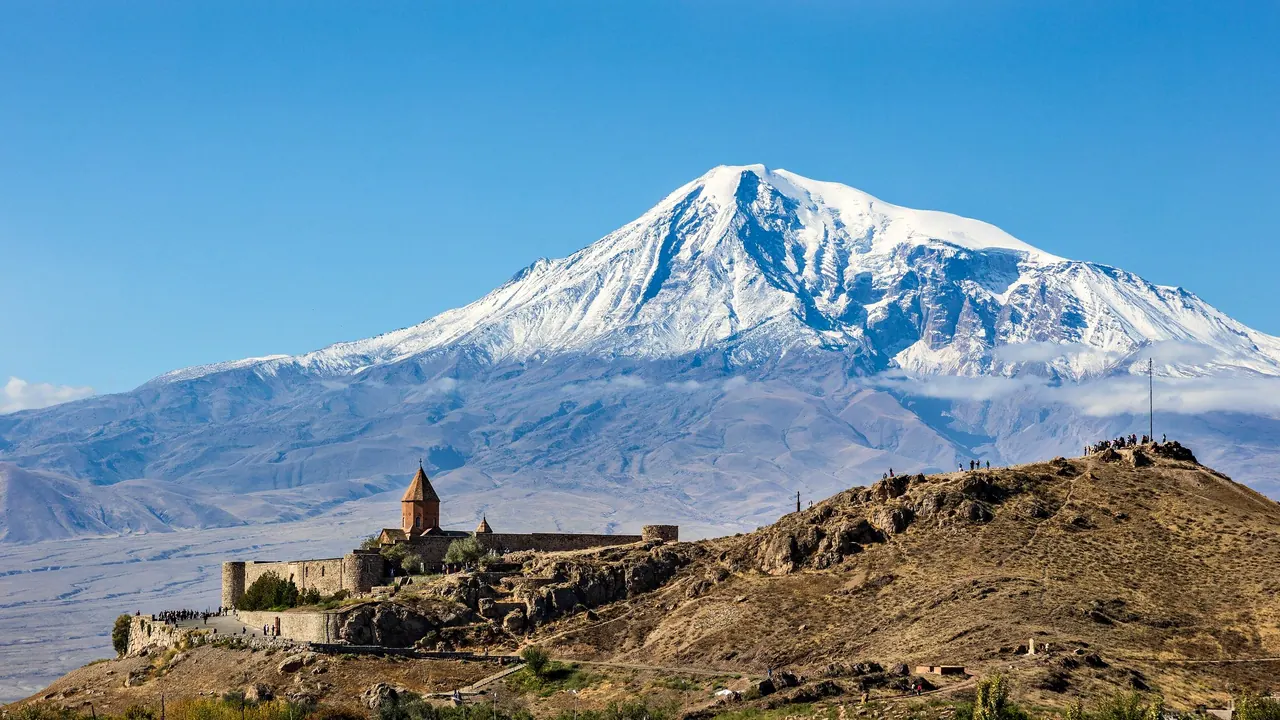
Armenia is the better fit for a tighter trip built around stone monasteries and one capital. Yerevan's pink tuff centre is the base, and Echmiadzin, Geghard, Noravank and the Debed canyon churches are all within reach of it. The summers are dry and sunny, and the evenings are easy-going rather than loud. Choose it if heritage is the point of the trip, not beaches, mountain treks or nightlife.
Scoreboard
Twelve categories on one fixed scale from 0 to 100. The shaded stretch is the gap between the two.
Your match
Pick a travel style or drag the sliders, and both match scores follow your weighting.
Wins on beaches and food and drink with your weighting.
Wins on getting around with your weighting.
What matters to you?
Category by category
What the scores mean for a trip.
Beaches & swimming
Georgia has a real coast, Armenia does not. Batumi's long pebble beach, the quieter coves at Gonio and Sarpi and the dark sand at Ureki give a few warm swimming days, or a whole summer base. The water is pleasant rather than clear, and the shore is busy in high summer.
Armenia's only water is Lake Sevan, high in the mountains. It is clear and cool, with simple beaches of loungers and grills, good for a refreshing day out but not a reason to plan a trip.
Where in Georgia: Batumi, Gonio and Sarpi, Ureki, Kobuleti
Where in Armenia: Lake Sevan
Food & drink
Both countries eat generously around a shared table, but Georgian cooking is the bigger draw. Walnut and pomegranate sauces, khinkali, a different khachapuri in Adjara and Samegrelo, and the toastmaster-led supra make eating a reason to travel there. Kakheti adds a full wine region of family cellars making amber wine in buried qvevri.
Armenia cooks more simply and leans on the grill: khorovats over vine cuttings, lavash from the tonir, dolma and fruit from the Ararat plain. Areni in Vayots Dzor is its wine country. Beyond Yerevan's markets and wine bars, most meals are honest guesthouse and roadside cooking.
Where in Georgia: Tbilisi, Kakheti, Samegrelo, Batumi
Where in Armenia: Yerevan, Vayots Dzor
Culture & sights
Both countries offer about as much medieval Christian heritage as each other, and the difference lies in how it is laid out. Georgia's is spread over long distances and set in dramatic places: the frescoes of Gelati, the cliff caves of Vardzia and the tower villages of Svaneti. Tbilisi's old town mixes bathhouse domes, a mosque and a synagogue beneath Narikala.
Armenia's monasteries sit more closely together, with Geghard half carved into the rock, Noravank in red gorges and Tatev on its ledge. It also has a pre-Christian layer at Garni. Yerevan's collections lean towards the written word, with the Matenadaran's manuscripts, and towards memory at the Genocide Memorial, whereas Tbilisi's National Museum is known for its ancient gold.
Where in Georgia: Tbilisi, Mtskheta, Kutaisi and Gelati, Upper Svaneti
Where in Armenia: Yerevan, Debed Canyon, Syunik (Tatev), Gyumri
Nightlife
Tbilisi is a destination for nights out in its own right. Its techno clubs fill old industrial and Soviet-era buildings until morning, and there are natural wine bars and late courtyard bars in Sololaki and Vera. Batumi adds summer beach clubs on the coast.
Yerevan's evenings are more about strolling: crowds on Northern Avenue and around the Cascade, late terraces and a few cocktail bars. It is sociable and easy, but you would not cross borders for it, and the rest of Armenia is quiet once dinner is over.
Where in Georgia: Tbilisi, Batumi
Where in Armenia: Yerevan
Nature & outdoors
Georgia's mountains are on a larger scale. The Greater Caucasus gives glacier walks below Kazbek, the trek from Mestia to Ushguli under Shkhara and remote Tusheti on horseback, with the gentler Borjomi forests for easier days. The high season is short, though, and huts are few.
Armenia is high country too, but its walks are gentler. Aragats can be climbed without technical gear, Dilijan has beech forest between monasteries and Syunik has red-cliff gorges around Tatev. Many routes are unmarked, so a guide is often needed.
Where in Georgia: Upper Svaneti, Kazbegi, Tusheti, Borjomi-Kharagauli National Park
Where in Armenia: Dilijan National Park, Syunik, Mount Aragats, Lake Sevan
Day trips
Georgia offers the longer and more varied list of day trips. From Tbilisi, Mtskheta is half an hour away, Kakheti fills a day with wine cellars and walled Sighnaghi, and other outings reach David Gareja's caves in the semi-desert, the fortress church of Ananuri on the road north, or Gori and the rock town of Uplistsikhe. Kutaisi and Borjomi work as second bases for Gelati in the west and Vardzia in the south, although the drives take longer than the map suggests.
Armenia's trips from Yerevan are shorter and closer together. Echmiadzin is half an hour out, Khor Virap faces Ararat across the plain, and Sevan, Dilijan and the Areni wine villages each make an easy day, with Gyumri about two hours away by train. After these the list soon runs out, and the far south needs a night away.
Where in Georgia: Tbilisi, Kakheti, Kutaisi, Borjomi
Where in Armenia: Yerevan, Echmiadzin, Gyumri, Vayots Dzor (Areni)
Good for families
Neither country is built around children, though both make them welcome, and Georgia has a little more for them. Batumi's beach, boulevard and botanical garden make an easy summer base, Ureki's shallow sand suits toddlers, and Tbilisi has the funicular to Mtatsminda's rides.
Armenia's appeal is calmer. Yerevan is safe and easy to walk with a pushchair, Dilijan's cool forest offers relief from summer heat, and the Tatev tramway thrills older children. Both countries mean long, winding drives between sights.
Where in Georgia: Batumi, Tbilisi, Ureki, Kazbegi
Where in Armenia: Yerevan, Lake Sevan, Dilijan
Getting around
The two are about equally hard to get around, in different ways. Georgia has one comfortable long journey, the fast train from Tbilisi to Batumi, but everything else runs on marshrutkas. Its mountain regions of Svaneti and Tusheti are long, hard journeys, sometimes weather-dependent.
Armenia is smaller, and its capital, with one metro line, is easy on foot. However, rail barely reaches beyond Gyumri and minibuses rarely go to the monasteries themselves, so a hired driver or a tour is the normal way to see the country in either place.
Where in Georgia: Tbilisi, Batumi, Kutaisi
Where in Armenia: Yerevan, Gyumri
Shopping & style
In both countries, shopping is mostly about souvenirs from a weekend flea market in the capital, and Georgia's offers slightly more. Tbilisi's Dry Bridge market and old-town enamel workshops are joined by a small scene of Georgian designers in Vera and Sololaki, and you can buy wine from Kakheti cellars or churchkhela by the string.
Yerevan's Vernissage covers similar ground with carpets, obsidian and Soviet relics. Brandy and dried fruit are the things to take home, and there are only a few design shops beyond that.
Where in Georgia: Tbilisi, Kakheti
Where in Armenia: Yerevan
Affordability
In Georgia, a night in a family guesthouse in Kakheti or around Mestia usually comes with a generous home-cooked dinner, often with the family's own wine, and this is where the country stretches a budget furthest. In Tbilisi, restaurants, the metro and taxis cost little, and a day with a driver is cheap enough to be the usual choice. Prices only climb in central boutique hotels and in Batumi in July and August.
Armenia is cheap too, though a little less so. Most monasteries are free to enter, and Gyumri and the cellar-door guesthouses of Vayots Dzor are good value. The exception is Yerevan, where most visitors stay, because its central hotels and better restaurants are priced closer to Southern Europe.
Where in Georgia: Kakheti, Upper Svaneti, Kutaisi, Tbilisi
Where in Armenia: Gyumri, Vayots Dzor, Dilijan
Live music & performing arts
Georgia's live tradition is the more distinctive. Its UNESCO-listed polyphonic singing can be heard in church, in concert and at the dinner table, and the national folk dance companies stage leaping men's dances. Tbilisi has a fuller formal programme, including opera on Rustaveli Avenue and the old-town marionette theatre, and jazz festivals run in both Tbilisi and Batumi.
Yerevan offers an evening or two of quality: Tamanyan's circular opera house staging Khachaturian, the Philharmonic, small jazz clubs and the duduk at restaurants. There is little beyond the capital.
Where in Georgia: Tbilisi, Batumi
Where in Armenia: Yerevan
Wellness & relaxation
Bathing is part of everyday life in Georgia. A private room in the sulphur baths of Tbilisi's Abanotubani, with a scrub and soapy massage, is part of many visits. Borjomi adds a leafy 19th-century spa town with warm outdoor pools, and there are wine-estate spa stays in Kakheti.
Armenia's spa heritage comes from Soviet sanatoria, with Jermuk's hot springs and drinking galleries as the main resort, and Arzni and Dilijan as smaller ones. There is no bathing culture to join in Yerevan, where relaxing mostly means a hotel spa.
Where in Georgia: Tbilisi, Borjomi, Tskaltubo, Kakheti
Where in Armenia: Jermuk, Dilijan, Arzni
When should you go?
Pick your month, and for a country the place in it. The climate figures are measured averages, not a forecast.
Where in Georgia
Tbilisi (Georgia) in July
Yerevan (Armenia) in July
Daytime high, °C
Rainfall in the month, mm
Temperature and rainfall are climate normals, averaged over the years shown. Tbilisi (Georgia): 1991-2020 (sunshine 1961-1990) normals, Tbilisi (13.8 km from centre). Yerevan (Armenia): 1991-2020 normals, Yerevan (6.7 km from centre).
Georgia has two climates. Tbilisi peaks at about 32°C in July and August, which is too hot for long afternoons on the old town's hills, so late spring and September are better for walking, although May is the capital's wettest month. On the coast, Batumi's sea is warm enough to swim from June to September and reaches 26°C in August. This shore is damp all year, though, and the heaviest rain arrives in autumn, with September the wettest month. The high valleys of Kazbegi and Svaneti are open for hiking only from late June to September.
Armenia is drier and sunnier, and its seasons swing harder. Yerevan's summer heat matches Tbilisi's, around 33°C in July and August, with almost no rain and very long sunny days. May, June, September and October are the comfortable months for the capital, and late spring and early autumn are also best for the mountains. Winters are colder than in Tbilisi, with January highs near freezing, and Lake Sevan is warm enough to bathe in only in July and August.
Which traveller are you?
On an outdoors trip, choose Georgia. The glaciers above Kazbegi and the multi-day trek from Mestia to Ushguli are bigger walking than Armenia has. Armenia still rewards hikers with the summit of Aragats and the forests of Dilijan, but its trails are thinly marked.
More comparisons
Each shares a side with Georgia or Armenia.
Where else could you go?
Set Georgia or Armenia against any other country.