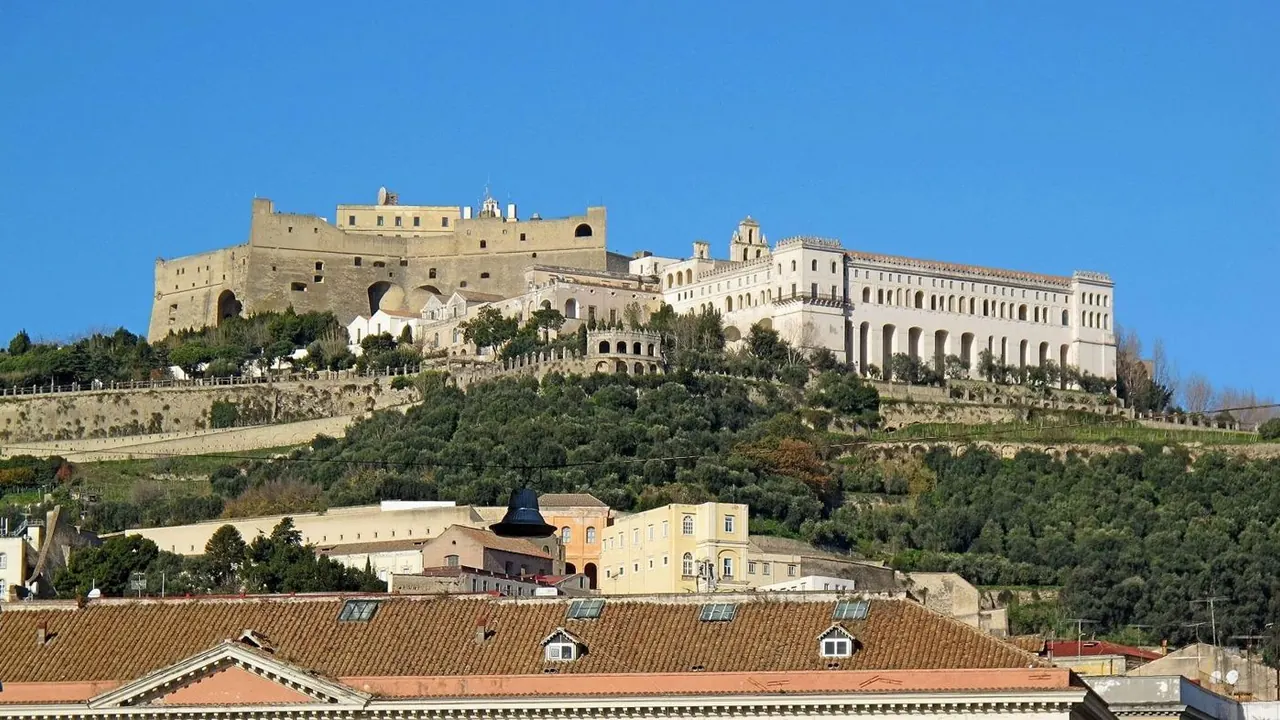
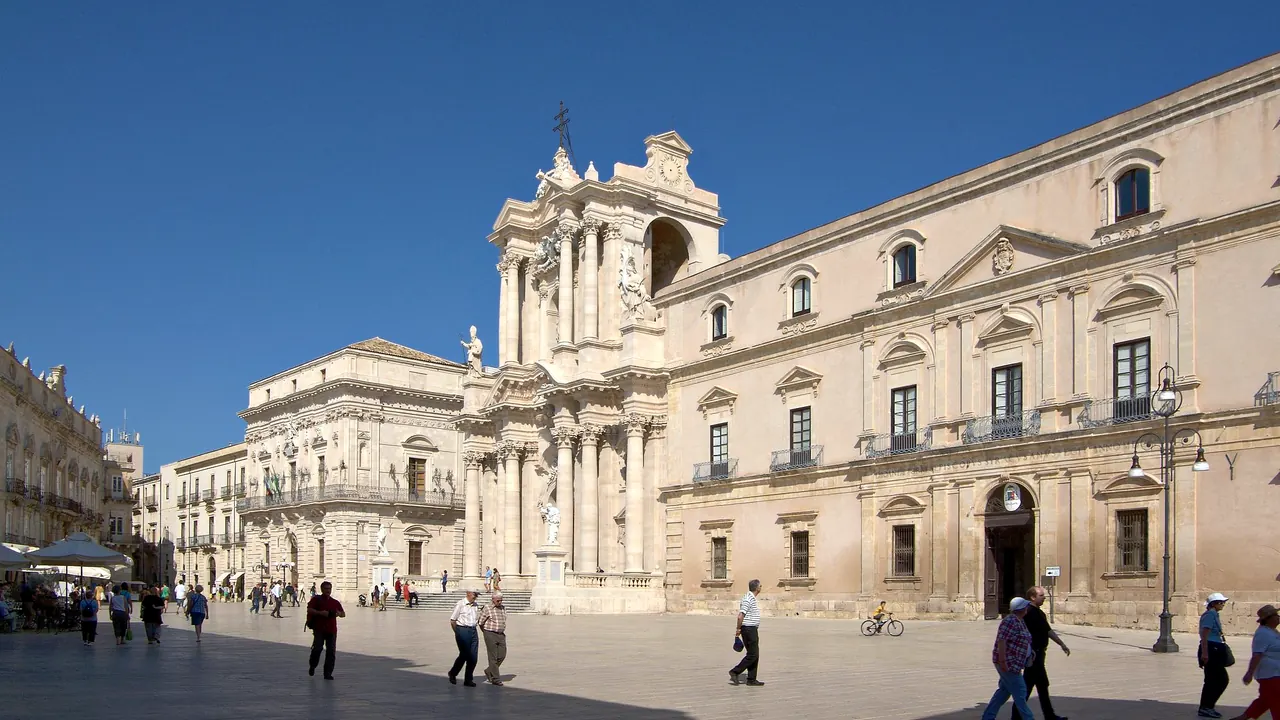
Photos: Naples by pietro scerrato, CC BY 3.0, cropped; Syracuse, Sicily by Berthold Werner, CC BY-SA 3.0, cropped.
Naples or Syracuse, Sicily?
Our verdict in twelve categories, each scored against the same fixed benchmark cities, and the climate month by month, so you can choose for your trip.
Choose Naples for
- live music and the arts
- shopping
- nightlife
Naples suits travellers who want a big, loud, layered city with more to do than any week can hold. The historic centre, the archaeological museum and the underground city are a deep cultural draw. The food is the reason many come, the evenings run late in the squares, and the opera house gives you a proper night out. It is also the stronger base for famous excursions: Pompeii, Herculaneum, Capri and the Amalfi Coast are all within easy reach without a car.
Choose Syracuse, Sicily for
- beaches
- families
Syracuse is the better pick if you want the sea to be part of every day. You can swim off the rocks below Ortigia's walls, and there are sandy bays and the Vendicari reserve to the south. The old island is small, calm and walkable, and families with children find it easier going than Naples. Expect a slower pace with less going on after dark, and plan on a hire car if you want to see the baroque towns and the beaches beyond the city.
Scoreboard
Twelve categories on one fixed scale from 0 to 100. The shaded stretch is the gap between the two.
Your match
Pick a travel style or drag the sliders, and both match scores follow your weighting.
Wins on live music and the arts and shopping with your weighting.
Wins on beaches and families with your weighting.
What matters to you?
Category by category
What the scores mean for a trip.
Beaches & swimming
In Naples the sea is mostly a view. Swimming in town means the rocks under the Lungomare or small Posillipo lidos, the water by the port is not always clean, and the clear coves are out on the islands and the Sorrento peninsula.
Syracuse makes swimming part of the day. Locals dive off platforms beneath Ortigia's sea walls, there are gently sloping sandy bays at Arenella and Fontane Bianche, and the pale, undeveloped beaches of Vendicari are about forty minutes south.
Food & drink
Naples has the stronger and more varied local food. Neapolitan pizza was born here, and the city adds fried pizza, seafood cones, sfogliatelle and babà, ragù and genovese. You also have two markets, Pignasecca and Porta Nolana, to explore.
Syracuse eats well too, but with a narrower, sea-led focus. Think swordfish and sea urchin pasta from the Ortigia market, almond granita for breakfast, Nero d'Avola and sweet Moscato. Neither city offers much beyond its own regional cooking.
Culture & sights
Both were great Greek cities, but Naples offers more. Its huge historic centre is still laid out on the Greek street grid, the National Archaeological Museum holds the finds from Pompeii and Herculaneum, and you can add the Veiled Christ, the tunnels below the streets and several royal palaces and castles. That is a week's worth.
Syracuse is more compact and easier to take in. The cathedral is built around a Greek temple's columns, the Neapolis park has its rock-cut theatre, and the Paolo Orsi museum and a Caravaggio fill two or three rewarding days.
Nightlife
Naples has the livelier nights. Students crowd Piazza Bellini until late, the bars of Chiaia spill into the alleys after midnight, and the streets stay social all year, though proper clubs are rare.
Syracuse is built for an aperitivo on the sea walls and a glass of wine in Ortigia's lanes. It gets busy on summer weekends, but most winter nights end early, and anyone after dancing ends up in Catania.
Nature & outdoors
Both have rewarding landscapes, but of different kinds. Around Naples the scenery is volcanic: you can climb to the crater rim of Vesuvius, walk the oak-filled crater of Astroni in the Phlegraean Fields, and hike the Path of the Gods above the Amalfi Coast.
Syracuse's outdoors is limestone and wetland. There are green pools at the bottom of the Cavagrande gorge, flamingos on the Vendicari lagoons, papyrus along the Ciane river and diving in the Plemmirio reserve, with Etna a longer drive north.
Day trips
Naples has the edge, and the deciding factor is how easy it is. Pompeii, Herculaneum, Oplontis and Sorrento are all on the Circumvesuviana line, Caserta is a short train ride, and hydrofoils from Molo Beverello reach Capri, Ischia and Procida. You can do it all without a car.
Syracuse's day trips are just as worthwhile but harder to reach. Noto, Modica, Ragusa Ibla and Scicli form a whole baroque circuit, and Taormina and the Piazza Armerina mosaics are further afield, but buses are thin and a hire car does most of the work.
Good for families
Syracuse is easier with children. Ortigia's lanes are largely free of cars, the sandy beaches south of town shelve gently, and the Ear of Dionysius and the papyrus boats appeal to young visitors.
Naples has more built attractions, including Edenlandia, a zoo and a science museum, but scooters in the lanes, broken pavements and steps make it tiring with a pushchair. Many families stay in Sorrento and visit the city for the day.
Getting around
Naples is the easier city to get around without a car. Metro Line 1 and four funiculars connect the centre with Vomero and Posillipo, and trains and ferries reach the main sights outside the city, even if buses crawl and the Circumvesuviana is crowded.
Syracuse is simple within Ortigia, which you can walk across in fifteen minutes. Beyond the island, infrequent buses and slow trains mean that most visitors hire a car for the beaches and baroque towns.
Shopping & style
Naples gives shoppers much more to do. Chiaia has its tailoring workshops for suits, shirts and ties, there are boutiques on Via dei Mille, and you can browse the Galleria Umberto I arcade and the nativity-figure workshops of San Gregorio Armeno.
Syracuse has a few small craft finds on Ortigia: ceramics, linen, papyrus paintings and capers or pistachio products from the market. Beyond those there is little more than ordinary chain stores.
Affordability
Naples is the slightly cheaper base. It has plenty of modest B&Bs in the centre, transport costs little, and pizza and street food are very cheap. The costs rise once you head out to the islands or the Amalfi Coast.
In Syracuse, meals and site fees are good value, but rooms on Ortigia are in short supply in summer, and the car you will probably hire adds to the bill.
Live music & performing arts
The Teatro di San Carlo, the oldest opera house in Europe still in use, gives Naples a full season of opera, ballet and concerts. The San Pietro a Majella conservatory and the churches of the historic centre add chamber music. Neapolitan song turns up at small concerts and from musicians moving between trattoria tables, though most spoken theatre is in Italian or dialect.
Syracuse's great moment is the season of Greek tragedy and comedy in the ancient theatre each late spring and early summer, a tradition running since 1914. For the rest of the year there is little beyond the Sicilian puppet theatre on Ortigia and a modest municipal programme, so evenings out are much thinner.
Wellness & relaxation
Thermal water and a slow pace are the two kinds of rest on offer here. Naples itself is loud and crowded, but its volcanic ground feeds the springs at Agnano, used since Roman times. Ischia's terraced thermal parks are about an hour away by hydrofoil, which is why many visitors who want to unwind stay on the island.
Syracuse has no baths of its own, only hotel treatments and a few day spas. Outside high summer, though, Ortigia is calm enough to rest properly, with long lunches and sunset walks along the sea walls. August heat and crowds take some of that calm away.
When should you go?
Pick your month. The climate figures are measured averages, not a forecast.
Naples in July
Syracuse, Sicily in July
Daytime high, °C
Rainfall in the month, mm
Where the figures come from
Naples's sunshine is measured 28 km from the centre, at Grazzanise.
Syracuse, Sicily's temperatures are measured 45 km from the centre, at Cozzo Spadaro.
Syracuse, Sicily has no rain gauge within 25 km of the centre, so its rainfall comes from a gridded climate dataset read at the city rather than from a gauge further away.
Temperature and rainfall are climate normals, averaged over the years shown. Naples: 2005-2020 (sunshine 1991-2020, rainfall 1971-2000) normals, Napoli / Capodichino (4.6 km from centre). Syracuse, Sicily: 1991-2020 normals, Cozzo Spadaro (45 km from centre).
Both cities heat up to the same peak, around 31°C in August, and the sea reaches about 26°C in both by late summer, so June to September works for swimming in either. Midsummer is too hot for long afternoon walks in both, and spring and early autumn are better for sightseeing. The big difference is rain. Naples turns wet from October, and November is its wettest month at about 163mm, so late autumn and winter bring many grey, damp days in the streets.
Syracuse is drier and sunnier all year. It has almost no rain in July, and even its wettest months are far gentler than Naples'. Winter there is milder too, with daytime highs near 16°C against Naples' 13°C, which makes it the better choice for a walking break from November to March. Its sea stays warm enough for a swim into early October, while Naples is the wiser bet from late spring through September than in the rainy months on either side.
Which traveller are you?
For a beach and sun trip, Syracuse is the clear choice. You can swim off the rocks below Ortigia every day, Arenella and Fontane Bianche offer sand close by, and Vendicari's undeveloped beaches are within reach. In Naples the good swimming usually means a ferry.
For a culture and arts trip, Naples has more depth. It has the National Archaeological Museum, the Veiled Christ, the underground city and Capodimonte. The evenings are covered too, with opera and ballet at the San Carlo, which Syracuse matches only during its Greek theatre season.
On a food and nightlife trip, choose Naples. Pizza in its birthplace, fried street food and pastry shops give you more to eat, and nights spent in Piazza Bellini and the Chiaia lanes run later and louder than Ortigia's quiet wine bars.
Before you go
| Measure | Naples | Syracuse, Sicily |
|---|---|---|
| Official language | Italian | Italian |
| Currency | Euro (EUR) | Euro (EUR) |
| Sockets | CFL230 V, 50 Hz | CFL230 V, 50 Hz |
| Driving side | Right | Right |
| Time zone | UTC+1, UTC+2 in summer | UTC+1, UTC+2 in summer |
| Emergency number | 112 | 112 |
| Elevation | 17 m | 17 m |
| Main airport | Naples International Airport (NAP)7 km from centre131 non-stop destinations | Catania-Fontanarossa Airport (CTA)48 km from centre96 non-stop destinations |
| Public holidays this year | 13 days | 13 days |
By the numbers
| Measure | Naples | Syracuse, Sicily |
|---|---|---|
| City population | 913,462 | 115,515 |
| People per km² | 7,676 | 556 |
| Museums within 10 km | 65 | 11 |
| UNESCO World Heritage sites within 50 km | 5 | 2 |
| Swim season, months above 21 °C | 5 months | 5 months |
Where else could you go?
Every comparison below shares a destination with this one, so you can follow Naples or Syracuse, Sicily somewhere new.
- Sorrentovs Naples
- Positanovs Naples
- Amalfivs Naples
- Salernovs Naples
- Cataniavs Syracuse, Sicily
- Taorminavs Syracuse, Sicily