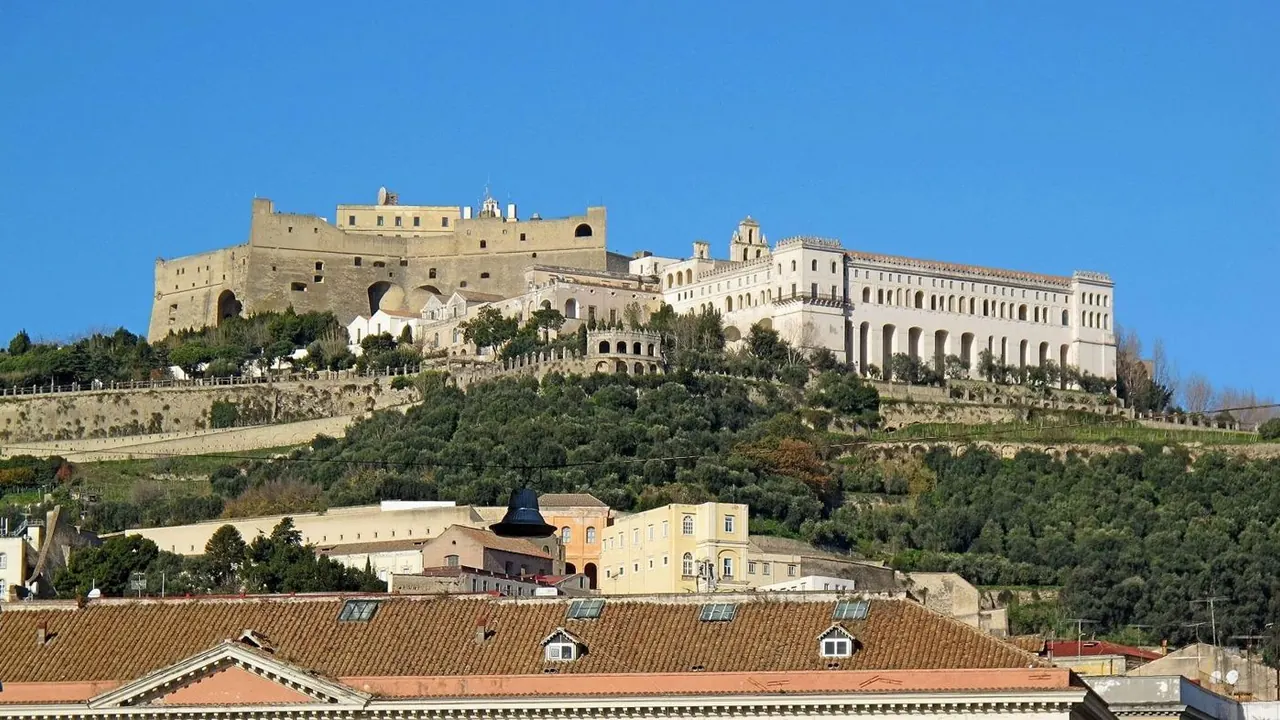
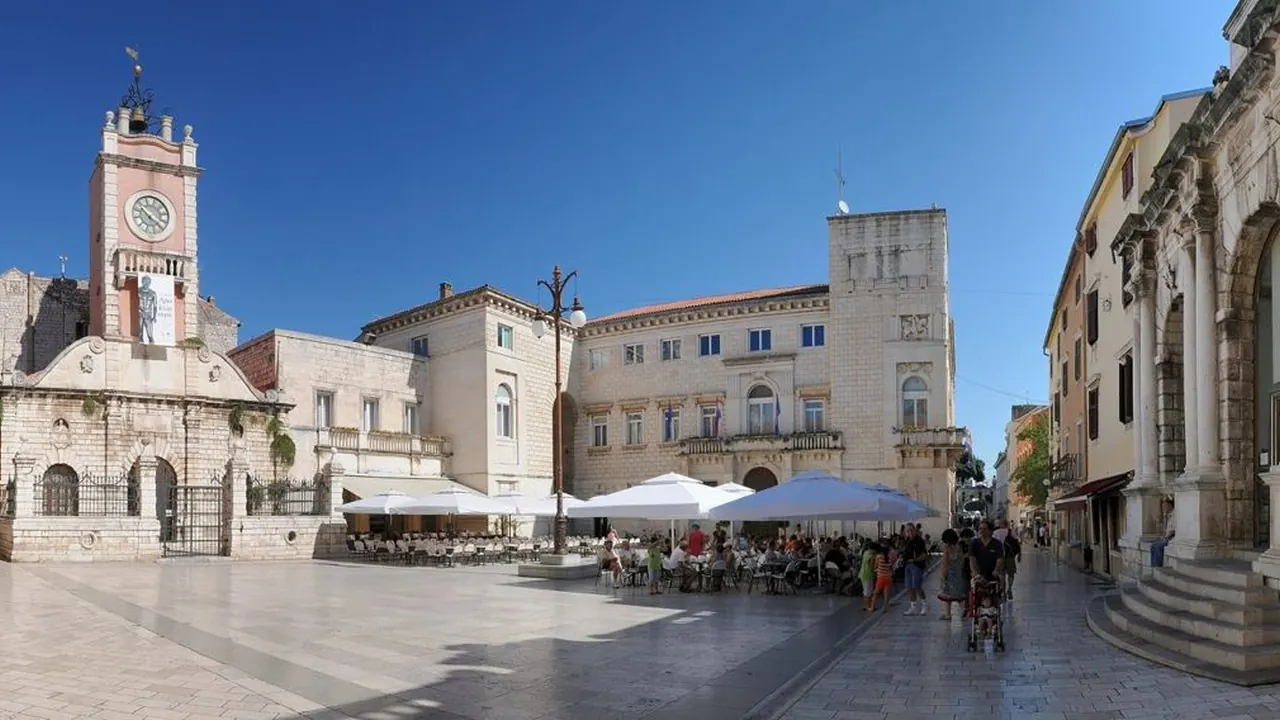
Photos: Naples by pietro scerrato, CC BY 3.0, cropped; Zadar by Böhringer Friedrich, CC BY-SA 2.5, cropped.
Naples or Zadar?
Our verdict in twelve categories, each scored against the same fixed benchmark cities, and the climate month by month, so you can choose for your trip.
Choose Naples for
- food and drink
- live music and the arts
- shopping
Naples is for travellers who want a city with real depth to explore: a Greek street plan packed with churches, the treasures of Pompeii in the Archaeological Museum, pizza in the city that invented it, and opera at San Carlo. Its great strength is how much lies close by, from Herculaneum to Capri and the Amalfi Coast. It rewards anyone who can put up with noise, scooters and crowded trains.
Choose Zadar for
- beaches
- families
- nature and the outdoors
Zadar suits a slower vacation built around the sea. You can swim off the stone promenade, take a ferry to quiet island coves and spend whole days sailing among the Kornati. The flat, car-free old town makes it the easier choice with children, and Paklenica's gorges and Krka's waterfalls are within reach. In return the food is simpler, the museums are small and the evenings are quiet.
Scoreboard
Twelve categories on one fixed scale from 0 to 100. The shaded stretch is the gap between the two.
Your match
Pick a travel style or drag the sliders, and both match scores follow your weighting.
Wins on food and drink and live music and the arts with your weighting.
Wins on beaches and families with your weighting.
What matters to you?
Category by category
What the scores mean for a trip.
Beaches & swimming
Zadar makes swimming part of everyday life. People swim in clear water straight off the stone promenade, Kolovare is a short walk from the old town and Borik has pine shade, although all three are pebble or concrete rather than sand. Nin's long sandy shallows are only twenty minutes away, and Sakarun on Dugi Otok makes a good full day out.
In Naples you swim from the rocks below the Lungomare or at small lidos in Posillipo, and the water near the port is not always clean. The clear coves are on Procida, Ischia and Capri, so a beach day here means a boat trip, not a routine.
Food & drink
For food, Naples is in a different league. Neapolitan pizza was born here and is still made in loud rooms along Via dei Tribunali, and fried seafood, frittatine, sfogliatelle and babà make eating on the street a pleasure of its own. Ragù, genovese and Campanian wines fill out the trattoria meals, though there is little foreign food.
Zadar offers solid Dalmatian cooking: grilled fish, black risotto, peka and Pag cheese, with Maraschino to finish. Menus vary little from one konoba to the next, and you eat well here without the food being a reason to come.
Culture & sights
Naples could fill a week. Its huge historic centre is laid out on a Greek grid and lined with Gothic and Baroque churches. The Archaeological Museum holds the finds from Pompeii, and below the streets lie catacombs and cisterns. Add the Royal Palace, Sant'Elmo and the Capodimonte gallery, and the list goes on.
Zadar's history is packed onto one small peninsula: the Roman forum, the round church of St Donatus, the Venetian walls and a fine Museum of Ancient Glass. The Sea Organ adds a modern touch, but two days covers it all.
Nightlife
Naples has the livelier nights, though they are about crowds in the street rather than venues. Students drink on the steps of Piazza Bellini beside the Greek walls, and a better-dressed crowd fills the bars and alleys of Chiaia until well past midnight.
Zadar's evenings begin at sunset by the Sea Organ and move on to café-bars on Kalelarga and terrace bars on the walls, all fairly calm. The serious clubbing is at Zrće on Pag, an hour away and only in high summer, and the town is quiet from October to May.
Nature & outdoors
Both make strong bases for the outdoors, but the landscapes are very different. Around Naples it is all volcanoes: the crater rim of Vesuvius, the craters of the Phlegraean Fields with Astroni's oak woods, snorkelling at Gaiola and the Path of the Gods high above the Amalfi Coast.
Zadar has mountains and islands instead, and slightly more range. You can climb and hike in Paklenica's limestone gorges, sail among the bare Kornati islands, see Krka's waterfalls an hour away and go sea kayaking along the coast. In both places, midsummer heat makes walking hard work.
Day trips
Naples has few rivals for day trips. Pompeii, Herculaneum, Oplontis and Sorrento are all on one suburban train line, Caserta's palace is a short ride inland, and hydrofoils run from Molo Beverello to Capri, Ischia and Procida. You can see all of it without a car.
Zadar has fine outings too: Šibenik's cathedral, the tiny royal town of Nin, and Split and Trogir further down the motorway. Most of these work far better with a hire car or an organised excursion, and the longer ones make for a full day.
Good for families
Zadar is the easier city with young children. The old town is flat and car-free, the waterfront promenade suits pushchairs, and the Sea Organ and the light-up Greeting to the Sun keep children happy at dusk. Days are mostly spent at the sea, and Nin's shallow sand is ideal for small children.
Naples welcomes children warmly but tests parents with scooters, steps and broken pavements. It does have a zoo, the Edenlandia amusement park and a science museum, none of which Zadar can offer, and older children love the tunnels and Pompeii.
Getting around
Getting around is roughly as easy in both, but in different ways. Naples relies on Metro Line 1 with its art-filled stations and four funiculars up to Vomero, while its buses and the Circumvesuviana are slow and unreliable. Zadar is simpler: you can cross the flat old town on foot in a quarter of an hour, and island ferries leave from its edge, but the national parks really call for a car.
Shopping & style
Naples gives shoppers far more to do. Chiaia's tailoring workshops make handmade suits, shirts and ties, Via Toledo and the Galleria Umberto I cover the main high-street names, and Via San Gregorio Armeno is lined with nativity-figure workshops. Coral and cameos from Torre del Greco make fine souvenirs.
Zadar's shopping is limited to the shops on Kalelarga and the market by the walls. What is worth taking home is local produce: Maraschino, Pag cheese, olive oil and Pag lace.
Affordability
Naples is the cheaper place for everyday spending. Pizza, coffee at the bar, trattoria lunches, funiculars and B&Bs in the historic centre all cost little, and the bills only climb once you head for Capri or the Amalfi Coast.
Day to day, Zadar works out somewhat dearer, closer to an ordinary Western European city than to southern Italy. Its costs rise with the season rather than with distance. Private apartments are good value in spring and autumn, but rooms on the peninsula climb steeply in July and August. In Naples it is the islands that cost more, while in Zadar the extra spending goes on national park entry and boat excursions.
Live music & performing arts
Naples has a far richer calendar. The Teatro di San Carlo, the oldest working opera house in Europe, runs a full season of opera, ballet and concerts. The conservatory and the churches of the historic centre add chamber music, and Neapolitan song lives on in small shows and trattorias.
Zadar's best musical moment is the summer series of early music held inside St Donatus, an unforgettable setting, with klapa singing in the squares in July and August. Outside summer there is little to go to.
Wellness & relaxation
For real spa time, Naples has the edge, though not in the city itself. Ischia's terraced thermal parks are about an hour away by hydrofoil, and Agnano's springs have been in use since Roman times. Naples itself is loud and draining, so people who come mainly to unwind usually stay on Ischia.
Zadar has no bathing culture beyond the hotel spas at Borik and the mud lagoon at Nin. What it does have is an unhurried pace: long café mornings and the sunset over the islands from the Sea Organ steps.
When should you go?
Pick your month. The climate figures are measured averages, not a forecast.
Naples in July
Zadar in July
Daytime high, °C
Rainfall in the month, mm
Where the figures come from
Naples has no rain gauge within 25 km of the centre, so its rainfall comes from a gridded climate dataset read at the city rather than from a gauge further away.
Naples's sunshine is measured 28 km from the centre, at Grazzanise.
Zadar has no rain gauge within 25 km of the centre, so its rainfall comes from a gridded climate dataset read at the city rather than from a gauge further away.
Temperature and rainfall are climate normals, averaged over the years shown. Naples: 2005-2020 (sunshine 1991-2020, rainfall 1991-2020) normals, Napoli / Capodichino (4.6 km from centre). Zadar: 1999-2020 (rainfall 1991-2020) normals, Zadar / Zemunik (9.9 km from centre).
Both cities are at their best for the beach from June to September. Daytime highs reach 31°C in July and August in each, and the sea is warm enough for long swims. The bay at Naples is slightly warmer, at about 26°C in August. Those midsummer weeks are too hot for comfortable sightseeing on foot, so May and early October are better for the streets of Naples. In Zadar, June and September work well both for swimming and for walking in the hills.
Rain returns to both in September and is heaviest in November, when Naples is the wetter of the two at 148mm. Naples has the milder winter, with highs around 13°C, while Zadar is a few degrees cooler and its sea is too cold for most people outside the summer months. Naples also has long, sunny summers, with July the brightest month.
Which traveller are you?
On a beach and sun trip, choose Zadar. In Naples, clean water means a boat to Procida or Capri. Zadar's clear sea starts at the old town's promenade, Nin has shallow sand, and short ferries reach quiet coves on Ugljan.
For a culture and arts trip, Naples is far ahead. The Archaeological Museum, the Veiled Christ, the tunnels below the streets and a season at San Carlo could fill a week. Zadar's Roman forum, St Donatus and glass museum take about two days.
On a food and nightlife trip, Naples wins easily. There is pizza, fried street food and pastry shops, then long, loud evenings with the crowds in Piazza Bellini and Chiaia. Zadar's seafood menus vary little, and its evenings out are pleasant but small and low-key.
Before you go
| Measure | Naples | Zadar |
|---|---|---|
| Official language | Italian | Croatian |
| Currency | Euro (EUR) | Euro (EUR) |
| Sockets | CFL230 V, 50 Hz | CF230 V, 50 Hz |
| Driving side | Right | Right |
| Time zone | UTC+1, UTC+2 in summer | UTC+1, UTC+2 in summer |
| Emergency number | 112 | 112 |
| Elevation | 17 m | 5 m |
| Main airport | Naples International Airport (NAP)7 km from centre131 non-stop destinations | Zadar Airport (ZAD)10 km from centre66 non-stop destinations |
| Public holidays this year | 13 days | 14 days |
By the numbers
| Measure | Naples | Zadar |
|---|---|---|
| City population | 913,462 | 70,779 |
| People per km² | 7,676 | - |
| Museums within 10 km | 65 | 1 |
| UNESCO World Heritage sites within 50 km | 5 | 2 |
| Swim season, months above 21 °C | 5 months | 4 months |
Where else could you go?
Every comparison below shares a destination with this one, so you can follow Naples or Zadar somewhere new.