Photos: Pisa by Bruno Kraler, Pexels License; Salzburg by Leonhard Niederwimmer, Pexels License.
Pisa or Salzburg?
Our verdict in twelve categories, each scored against the same fixed benchmark cities, and the climate month by month, so you can choose for your trip.
Choose Pisa for
- beaches
- prices
- nightlife
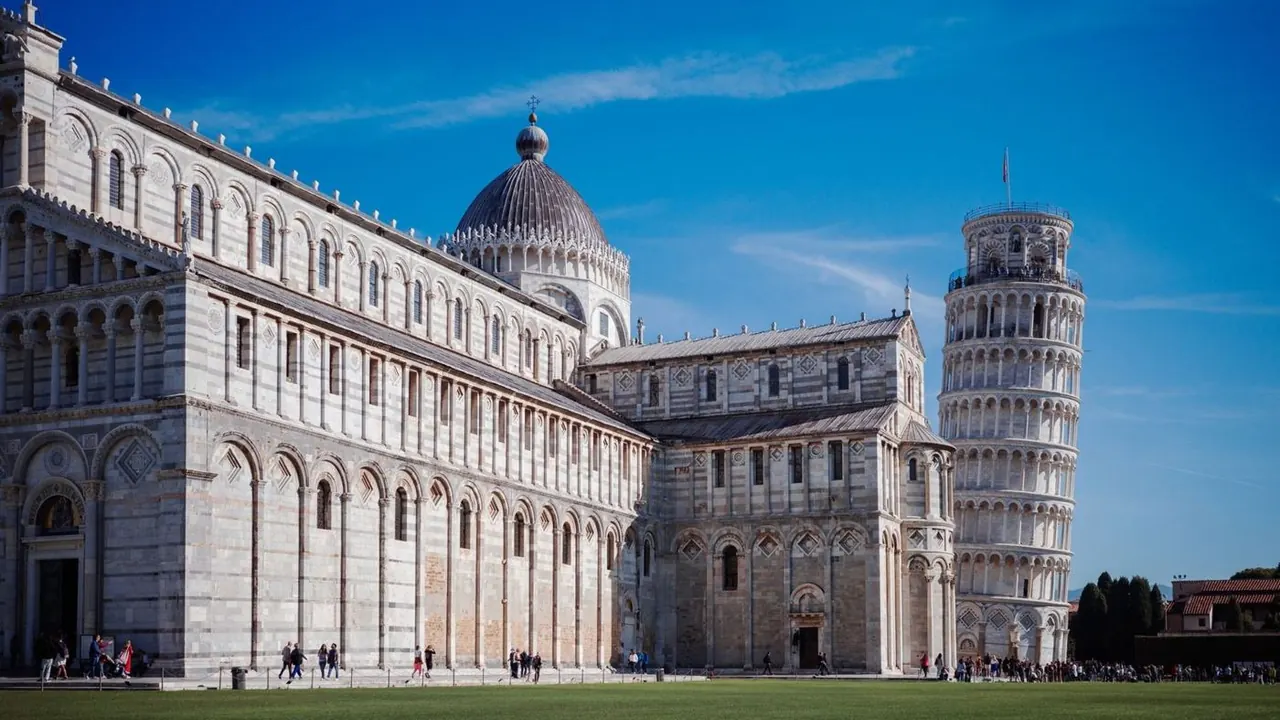
Pisa suits a traveller who wants a base as much as a destination. Florence, Lucca and the Cinque Terre are easy train rides away, the sandy beaches of Tirrenia are a bus ride off, and a stay costs noticeably less. With the cathedral square and simple Tuscan cooking added, it is a strong choice for a summer trip that mixes sightseeing with the sea.
Choose Salzburg for
- live music and the arts
- nature and the outdoors
- families
Choose Salzburg if music and mountains matter more than the sea. The festival halls, the Mozarteum and the chamber concerts give it a musical life Pisa cannot match. The Untersberg, the Salzkammergut lakes and Berchtesgaden put proper alpine walking within half an hour or so. It is also easier with children, but rooms and meals cost more.
Scoreboard
Twelve categories on one fixed scale from 0 to 100. The shaded stretch is the gap between the two.
Your match
Pick a travel style or drag the sliders, and both match scores follow your weighting.
Too close to call, 1 point apart
Wins on beaches and prices with your weighting.
Wins on live music and the arts and nature and the outdoors with your weighting.
What matters to you?
Category by category
What the scores mean for a trip.
Beaches & swimming
Pisa has a real coast about 12km from the centre. Tirrenia and Calambrone have long sandy beaches backed by pine woods, mostly divided into rented beach establishments, and Marina di Pisa has rockier coves. The water is shallow and warm in high summer, though it is rarely clear near the river mouth.
Salzburg has no sea at all. You swim in the clear green Salzkammergut lakes, Fuschlsee, Wolfgangsee and Mondsee, getting in from lawns and wooden jetties. The water is cooler and the season shorter. A lake is lovely on a hot afternoon, but it is not a beach day in the Tuscan sense.
Food & drink
Neither city is a place for serious dining, but Pisa eats better for the money. The streets around Piazza delle Vettovaglie have a morning market, student trattorias and wine bars serving ribollita, game and hot cecina, and the seafood gets better towards the coast.
Salzburg's cooking is heavier and has a narrower range: schnitzel, Kasnocken and the Salzburger Nockerl. Its strengths are the old coffee houses and the monastery beer garden in Mülln, where you bring your own food. In both cities, avoid the menus closest to the main sights.
Culture & sights
The two are close here, but the sightseeing is different in kind. Pisa's culture is gathered in one extraordinary group of buildings, the white marble of the Piazza dei Miracoli. Medieval Pisan art at San Matteo and the palazzi along the Lungarni are quieter extras.
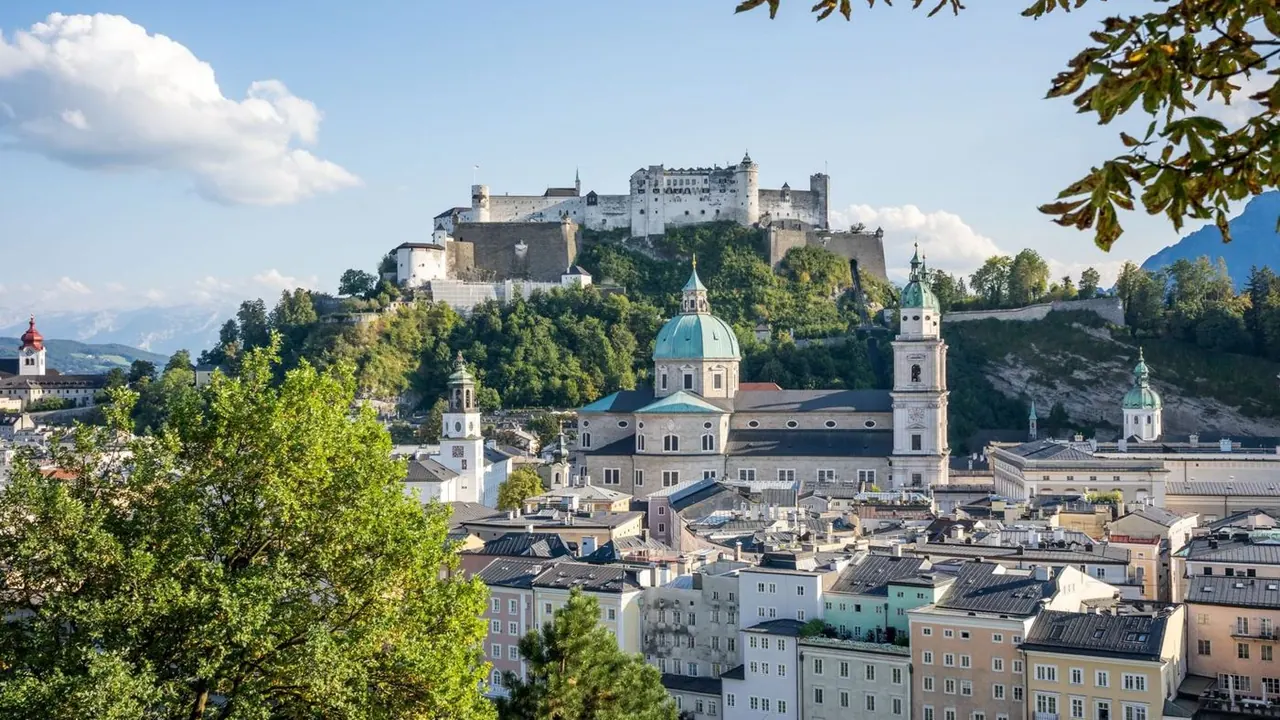
Salzburg's is a whole Baroque old town built by the prince-archbishops. The fortress stands above it, Mirabell is across the river, and the Mozart houses and the catacombs of St Peter's lie in between. Pisa takes about two days and Salzburg two or three.
Nightlife
Pisa has the livelier evenings of the two, mostly thanks to its students. During term, the squares around the old market fill with people drinking outside small bars until late. In summer, the evenings move to beach bars on the coast.
A Salzburg evening is a concert, a late dinner and a litre mug in a beer hall, and the old town is quiet by midnight. A few pubs on Rudolfskai stay open later, but for clubs you have to go to Munich.
Nature & outdoors
Salzburg is far stronger outdoors. Wooded ridges rise inside the city, the Untersberg cable car takes you to limestone walks at about 1,800m, and the Salzkammergut lakes and Berchtesgaden National Park are within an hour. Hiking in summer and snow in winter give it two outdoor seasons.
Pisa's countryside is flatter and gentler: the pine forest, wetland and dunes of San Rossore, olive-terrace paths on Monte Pisano and easy cycling on the plain. The Apuan Alps offer real mountain walking further out, but the summer heat pushes most outings into spring and autumn.
Day trips
Both make good bases, but Pisa's range is exceptional. Florence is an hour away by train, Lucca under half an hour and the Cinque Terre a little over an hour, all without a car. Volterra, San Gimignano and Siena can be reached by road.
Salzburg's day trips are about lakes and salt: Hallstatt, St Wolfgang, the mine at Hallein and Berchtesgaden, with Munich reachable by train. They are worth doing, but several of the lake villages are awkward to reach without a car, and none of them has the pull of Florence.
Good for families
Salzburg has more for children. The trick fountains at Hellbrunn, the zoo next door, the hands-on Haus der Natur, the fortress funicular and the marionettes fill two or three days. The salt mines with their wooden miners' slides make a memorable outing.
Pisa is easy in practical terms because it is flat and compact, but its family pleasures are simpler: the tower lawn and the photo, the shallow beaches at Tirrenia and the San Rossore park. Younger children are not allowed up the tower. In Salzburg, the cobbled lanes are hard work with a pushchair.
Getting around
Both centres are small enough to walk. Pisa is flat, and it takes about half an hour on foot from the station to the tower. A shuttle train links the station to the airport, and the station is a rail hub that makes day trips straightforward.
Salzburg's sights are closer together, around fifteen minutes' walk apart, and trolleybuses cover the outer districts. The real difference shows on excursions. Pisa's trains reach most of what you want, while Salzburg's lake villages often need a hire car.
Shopping & style
Salzburg has the more distinctive shopping. Tracht workshops around the old town make dirndls and loden jackets to measure, and Getreidegasse hangs its wrought-iron guild signs over old burgher houses. In Advent, the Christmas market on Domplatz is a reason to visit in itself.
Pisa offers ordinary Italian high-street shopping on Corso Italia, smarter shoe shops and old pastry shops under the arcades of Borgo Stretto, and a monthly antiques market by the river. For serious fashion, people go to Florence.
Affordability
The same few days cost noticeably less in Pisa. A night near the station, a hot slice of cecina with a glass of local wine for lunch and a walk to every sight add up to a modest bill. The real outlays are the tower climb, the one big ticket in town, and a summer day under a rented umbrella at Tirrenia.
In Salzburg the gap shows at every meal and every night's sleep, and it widens further during the summer festival and in Advent. To soften it, sleep on the far side of the Salzach or out in the suburbs and take the bus in, eat in the outer-district inns and beer halls rather than on the old-town squares, and buy the city card, which covers the fortress, most museums and transport in one pass.
Live music & performing arts
This is Salzburg's great strength. The summer festival brings leading performers to the Grosses Festspielhaus and the Felsenreitschule, a former riding school carved into the cliff. Mozart Week and the Easter Festival add two more seasons, and the Mozarteum, the Landestheater and the Marionette Theatre keep music going the rest of the year.
Pisa has a single opera house, the 19th-century Teatro Verdi, which runs a modest season from autumn to spring, plus university chamber music and the occasional church recital. A night at the Verdi is enjoyable, but for anything bigger you need to go to Florence.
Wellness & relaxation
Salzburg has slightly more on offer. The Paracelsus Bad in the city park has saunas and a pool, the salt-water baths of Bad Reichenhall are twenty minutes away, and the thermal springs of the Gastein valley make a longer outing. The coffee houses and the Mönchsberg paths set a slow pace.
Pisa's calm comes from its small size: evenings by the river and long lunches. For bathing, the springs of San Giuliano Terme, used since Roman times, are just outside town, and Casciana Terme further inland has a larger thermal pool.
When should you go?
Pick your month. The climate figures are measured averages, not a forecast.
Pisa in July
Salzburg in July
Daytime high, °C
Rainfall in the month, mm
Temperature and rainfall are climate normals, averaged over the years shown. Pisa: 1991-2020 normals, Pisa / S. Giusto (3.9 km from centre). Salzburg: 1991-2020 normals, Salzburg (3.4 km from centre).
Pisa has the longer warm season. From June to September the sea is warm enough for swimming, reaching about 25°C in August. July and August are very sunny, but highs near 30°C make the walk to the tower hard going in the middle of the day. May, June and early September are the most comfortable months for sightseeing. Autumn is the wet season, with rain building from September to about 132mm in November, and winters are mild but grey.
Salzburg's year works differently. Summer is warm without Tuscan heat and is the best time for walking the old town and the ridges, but it is also the wettest time of year, with up to 168mm of rain in June and August, so showers come with the hiking season. Winters are properly cold, with January highs of about 3°C and snow often reaching the town. September and October are drier and good for the mountains. Salzburg gets less sunshine than Pisa all year round.
Which traveller are you?
On a beach and sun trip, Pisa is the clear pick. The long sandy shores of Tirrenia and Calambrone are a short bus ride away, the shallow sea warms through summer, and Versilia is close by train. Salzburg offers only lake swimming, and only for a short season.
For an outdoors trip, Salzburg is the easy winner. Paths start on the Mönchsberg in the centre, a cable car lifts you onto the Untersberg ridges, and the Salzkammergut lakes and the Königssee are close. Pisa's San Rossore park and Monte Pisano are gentler, and hot in summer.
On a trip on a tight budget, Pisa makes your money go further. Rooms are mid-range, the student trattorias near the old market are good value, and short train rides make day trips simple. Salzburg is expensive for its size, especially during the festival and in Advent.
Before you go
| Measure | Pisa | Salzburg |
|---|---|---|
| Official language | Italian | German, Austrian Sign Language |
| Currency | Euro (EUR) | Euro (EUR) |
| Sockets | CFL230 V, 50 Hz | CF230 V, 50 Hz |
| Driving side | Right | Right |
| Time zone | UTC+1, UTC+2 in summer | UTC+1, UTC+2 in summer |
| Emergency number | 112 | 112 |
| Elevation | 4 m | 424 m |
| Main airport | Pisa International Airport (PSA)4 km from centre82 non-stop destinations | Salzburg Airport (SZG)3 km from centre64 non-stop destinations |
| Public holidays this year | 13 days | 16 days |
By the numbers
| Measure | Pisa | Salzburg |
|---|---|---|
| City population | 88,737 | 155,021 |
| People per km² | 479 | 2,360 |
| Museums within 10 km | 27 | 38 |
| UNESCO World Heritage sites within 50 km | 3 | 3 |
| Swim season, months above 21 °C | 4 months | - |
Where else could you go?
Every comparison below shares a destination with this one, so you can follow Pisa or Salzburg somewhere new.