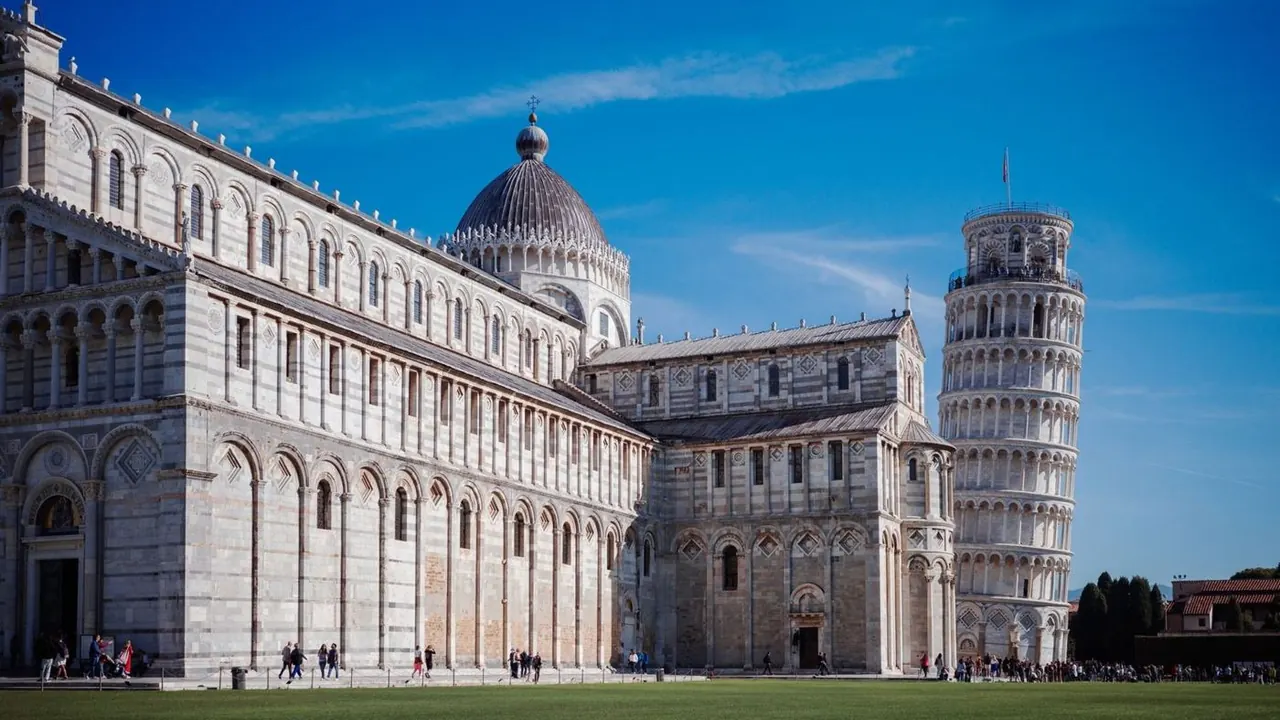
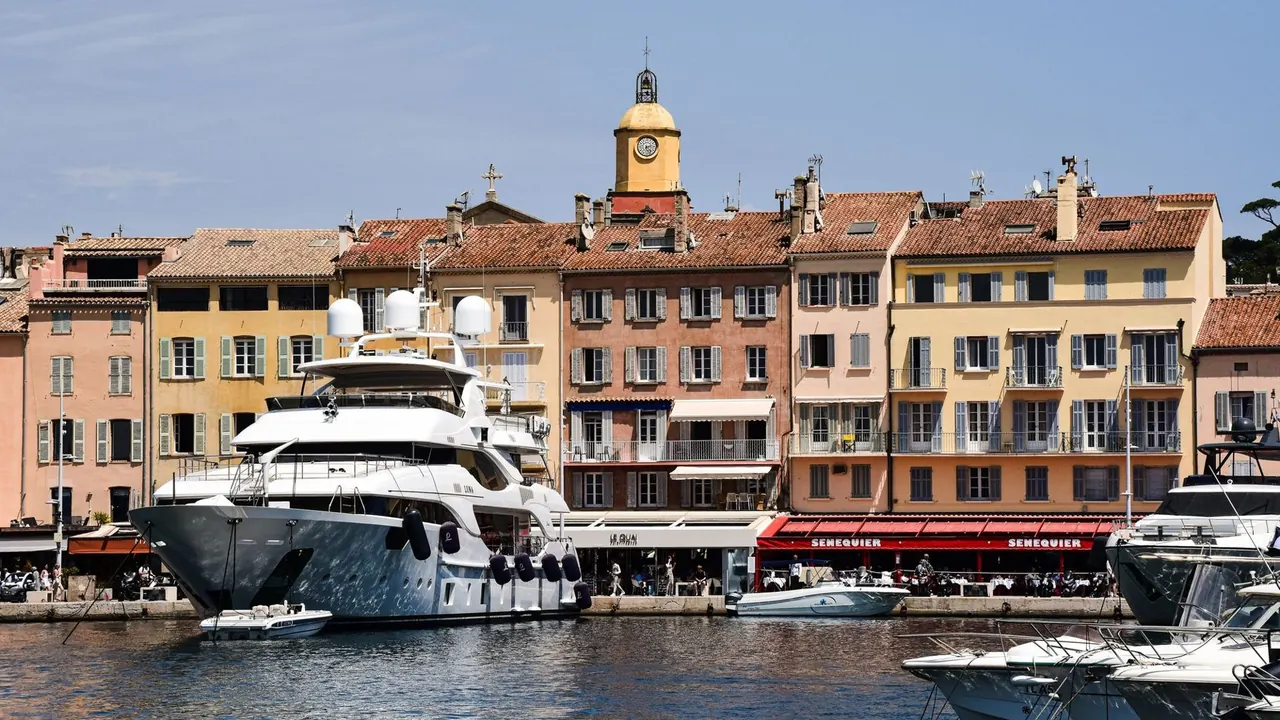
Photos: Pisa by Bruno Kraler, Pexels License; Saint-Tropez by AXP Photography, Pexels License.
Pisa or Saint-Tropez?
Our verdict in twelve categories, each scored against the same fixed benchmark cities, and the climate month by month, so you can choose for your trip.
Choose Pisa for
- prices
- getting around
- day trips
Pisa suits a traveller who wants to see Tuscany on foot and by train. The cathedral square and the quieter city beyond it fill two days, Florence and Lucca are easy outings, and the food is simple, honest trattoria cooking at moderate cost. It works in any season and needs no car.
Choose Saint-Tropez for
- shopping
- beaches
- nightlife
Saint-Tropez is the choice for a summer of sand, sea and glamour, if the budget can stand it. Pampelonne's clear water, the coastal path round the peninsula, harbour evenings that run until dawn and a cluster of luxury boutiques are what it does best. The heritage is thin, a car or boat is close to essential, and very little about a stay there comes cheap.
Scoreboard
Twelve categories on one fixed scale from 0 to 100. The shaded stretch is the gap between the two.
Your match
Pick a travel style or drag the sliders, and both match scores follow your weighting.
Wins on prices and getting around with your weighting.
Wins on shopping and beaches with your weighting.
What matters to you?
Category by category
What the scores mean for a trip.
Beaches & swimming
Saint-Tropez is the beach destination of the two. Pampelonne gives about 5km of fine pale sand and clear water, and the coves at Escalet, Cap Taillat and Gigaro are quieter options further south. The catch is that none of this is in town, so reaching it means a drive, a scooter or a long walk.
Pisa's coast is closer to an add-on. Tirrenia and Calambrone have wide, pine-backed sand and shallow water that is easy for paddling, while Marina di Pisa is rockier. Near the Arno mouth the water is rarely very clear, so a beach afternoon here is a break from sightseeing rather than the reason for coming.
Food & drink
Pisa is the better place to eat well day after day. Its Tuscan cooking is plain and seasonal, with ribollita, game, salt cod and hot cecina from wood ovens, and the trattorias and wine bars around the Piazza delle Vettovaglie market are kept honest by students.
Saint-Tropez offers a different meal: polished Provençal cooking, bouillabaisse, grilled fish and long rosé lunches on the sand, with genuinely good hotel dining at the top. Below that level, good-value eating is hard to find, many quayside places trade on the view, and much of the town closes in winter.
Culture & sights
Pisa is far richer. The Piazza dei Miracoli, with its cathedral, baptistery, Camposanto and the tower you can climb, is one of Italy's great ensembles. Beyond it are Vasari's palace on Piazza dei Cavalieri, Santa Maria della Spina on the river and the medieval painting and sculpture of San Matteo.
Saint-Tropez has one real treasure in the Musée de l'Annonciade, whose pointillist and Fauvist paintings recall Signac's years on the harbour, plus the maritime museum in the citadel and the lanes of La Ponche. It is a pleasant day of looking, not a reason to travel.
Nightlife
Saint-Tropez has much more to offer after dark, at least in high summer. Afternoon beach-club parties at Pampelonne move on to champagne on the harbour terraces and then to a few famous clubs open until dawn, all with table service and dress codes. By October it has gone quiet.
Pisa's evenings are smaller and more casual: students drinking outside bars in the market squares, aperitivo along Borgo Stretto and the river, few clubs. It suits a glass of wine in a piazza, and it is liveliest during university term rather than in summer.
Nature & outdoors
Saint-Tropez has the edge, mostly because of its sea. The Sentier du Littoral circles the peninsula past coves and the wild capes of Camarat and Taillat, the gulf is classic sailing water, snorkelling is good off the rocky points, and the national park islands of Port-Cros and Porquerolles are within reach. Summer fire risk can close trails.
Pisa's outdoors is gentler and starts at the city's edge. The San Rossore park offers forest, wetland and dunes with fallow deer to see by bike or on horseback. The olive terraces of Monte Pisano are close by, and the Apuan Alps and Cinque Terre paths are further afield.
Day trips
Pisa is one of the best day-trip bases in Italy. Florence is about an hour away by train and Lucca's walls under half an hour, the Cinque Terre is just over an hour north, and Volterra, San Gimignano and Siena can be reached by car.
Saint-Tropez's outings are prettier than they are important. There are the hilltop villages of Ramatuelle and Gassin, Grimaud's castle, the canals of Port Grimaud across the bay by boat, and Porquerolles for a full day. Most depend on a coast road that jams in July and August.
Good for families
Pisa is the easier choice with children. The centre is small and flat, the tower lawn is space to run, and the tower-propping photo never fails, though young children cannot climb it. Tirrenia's shallow sand and riding in San Rossore round out the days.
Saint-Tropez has better beaches for toddlers in the gently shelving sand of Pampelonne and Gigaro, but the town is built around adults. Beach clubs, high prices and summer traffic lead many families to stay in Sainte-Maxime and come across by boat.
Getting around
Pisa is far simpler. The airport is linked to the central station by a shuttle train, the station is a main rail hub for western Tuscany, and the walk from there over the Arno to the cathedral square takes about half an hour.
Saint-Tropez is tiny on foot but awkward to reach and leave. There is no railway, the nearest stations are at Saint-Raphaël and Toulon, buses are slow, and the single gulf road clogs for hours in midsummer. The passenger boats from Sainte-Maxime and Port Grimaud are often the best way in.
Shopping & style
Saint-Tropez is the better place to shop, as long as you want luxury or resort wear. Big fashion houses open summer shops in the lanes behind the port, sandal makers still stitch the leather Tropézienne by hand, and the Place des Lices market sells linen, baskets and pottery. Much of it shuts in winter.
Pisa's shopping is everyday Italian: chains along Corso Italia, smarter shoes and pastry shops under the arcades of Borgo Stretto, and a monthly antiques market by the river. For anything serious, people take the train to Florence or Lucca.
Affordability
Pisa costs far less. Central rooms are mid-range, student trattorias are good value and walking is free, with the tower climb and the cafés beside the monuments the main extravagances.
Saint-Tropez is priced for the yachting crowd in summer, from rooms and loungers to a coffee on the port, and the lack of public transport adds taxis or parking. Budget visitors usually sleep inland or across the gulf and come in for the day.
Live music & performing arts
Pisa has a real if modest season. The horseshoe-shaped Teatro Verdi stages opera, concerts, ballet and drama from autumn to spring, and university chamber series and church recitals add to it.
Saint-Tropez has almost nothing outside summer, when there are open-air classical and jazz concerts in gardens and at the citadel. Its one memorable event is the Bravade each May, a costumed musket procession centuries old, which is folk tradition rather than theatre.
Wellness & relaxation
Pisa offers more real thermal bathing. The springs at San Giuliano Terme have been used since Roman times and feed a spa in an 18th-century bath palace, and Casciana Terme has a large public thermal pool. The city itself has a slow pace away from the tower.
Saint-Tropez relies on the polished spas of its luxury hotels, aimed at their own guests. How calm it feels depends on when you go: loud and crowded in high summer, but genuinely restful in May, June and September, with long lunches and pétanque under the plane trees.
When should you go?
Pick your month. The climate figures are measured averages, not a forecast.
Pisa in July
Saint-Tropez in July
Daytime high, °C
Rainfall in the month, mm
Where the figures come from
Saint-Tropez has no rain gauge within 25 km of the centre, so its rainfall comes from a gridded climate dataset read at the city rather than from a gauge further away.
Saint-Tropez's sunshine is measured 62 km from the centre, at Nice.
Temperature and rainfall are climate normals, averaged over the years shown. Pisa: 1991-2020 normals, Pisa / S. Giusto (3.9 km from centre). Saint-Tropez: 1999-2020 (sunshine 1991-2020, rainfall 1991-2020) normals, Le Luc (24.2 km from centre).
Pisa has long, comfortable shoulder seasons. April, May and early June are mild and good for walking. July and August reach 30°C on a humid plain, and the sea is warm enough for swimming from June to September, peaking around 25°C. Rain sets in from September, November is the wettest month at about 132mm, and winters are cool and grey.
Saint-Tropez runs a degree or two warmer and gets more sunshine in every month. Its summer is much drier, with barely 10mm of rain in July, and highs of 32°C make midday too hot for walking but suit the beach from June to September. The sea follows almost the same curve as Pisa's. May, June and September are its sweet spot, while October and November bring the heaviest rain of its year.
Which traveller are you?
On a beach and sun trip, Saint-Tropez is the clear pick. Pampelonne's long pale sand and clear water, quiet coves along the coast path and drier, sunnier summers beat Pisa's coast, which most visitors treat as an afternoon off.
For a culture and arts trip, choose Pisa. The cathedral square, the medieval painting in San Matteo and opera at the Teatro Verdi fill two days, with Florence, Lucca and Siena within easy reach. Saint-Tropez's sights are seen in a day.
On a trip on a tight budget, Pisa is far kinder. Student trattorias, a walkable centre and cheap trains around Tuscany keep costs moderate. Saint-Tropez prices rooms, meals and loungers for the yachting crowd and lacks inexpensive ways to get about.
Before you go
| Measure | Pisa | Saint-Tropez |
|---|---|---|
| Official language | Italian | French |
| Currency | Euro (EUR) | Euro (EUR) |
| Sockets | CFL230 V, 50 Hz | CE230 V, 50 Hz |
| Driving side | Right | Right |
| Time zone | UTC+1, UTC+2 in summer | UTC+1, UTC+2 in summer |
| Emergency number | 112 | 112 |
| Elevation | 4 m | 0 m |
| Main airport | Pisa International Airport (PSA)4 km from centre82 non-stop destinations | Nice-Côte d'Azur Airport (NCE)64 km from centre130 non-stop destinations |
| Public holidays this year | 13 days | 11 days |
By the numbers
| Measure | Pisa | Saint-Tropez |
|---|---|---|
| City population | 88,737 | 3,582 |
| People per km² | 479 | 320 |
| Museums within 10 km | 27 | 4 |
| UNESCO World Heritage sites within 50 km | 3 | 0 |
| Swim season, months above 21 °C | 4 months | 3 months |
Where else could you go?
Every comparison below shares a destination with this one, so you can follow Pisa or Saint-Tropez somewhere new.