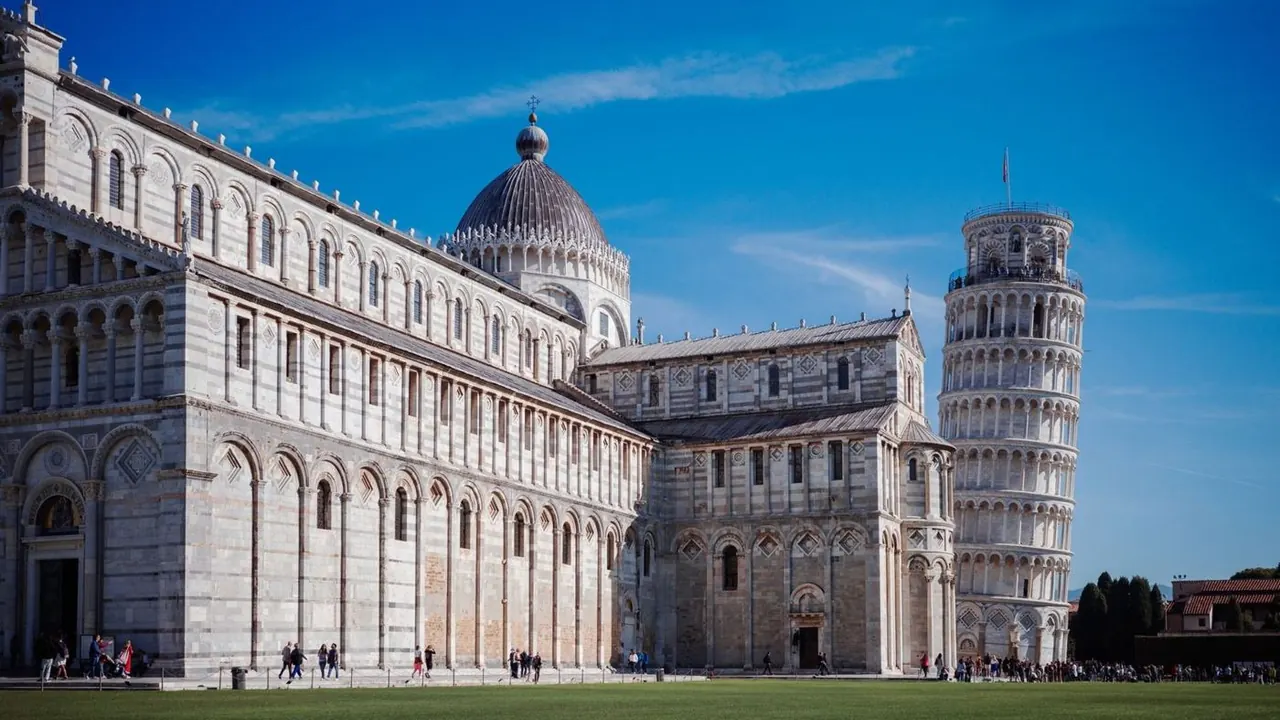
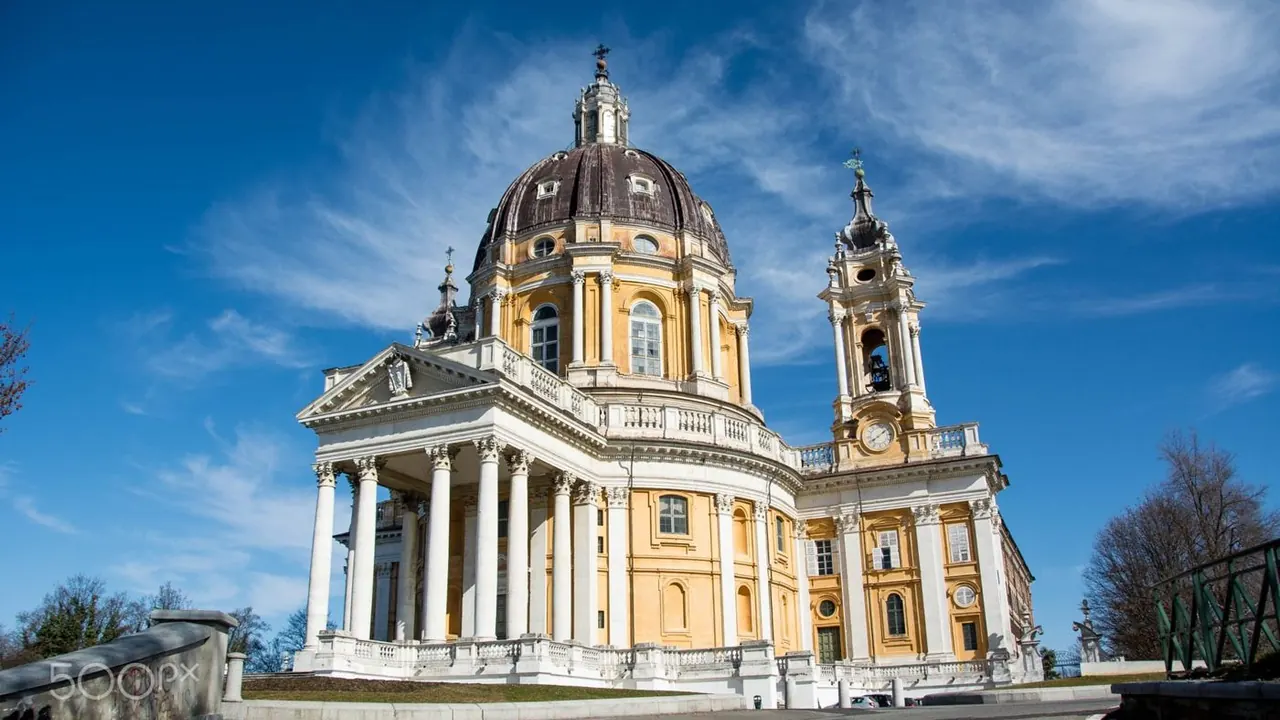
Photos: Pisa by Bruno Kraler, Pexels License; Turin by Konstantin Dacosta, CC BY 3.0, cropped.
Pisa or Turin?
Our verdict in twelve categories, each scored against the same fixed benchmark cities, and the climate month by month, so you can choose for your trip.
Choose Pisa for
- beaches
- day trips
- getting around
Pisa suits a traveller who wants a small, easy base with the sea close by and the rest of Tuscany on the doorstep. The cathedral square and the old town take a couple of days. After that the station sends you to Florence, Lucca and the Cinque Terre, and the sandy beaches at Tirrenia fill the summer afternoons. It is the better pick for a short stay or a trip that mixes coast and towns.
Choose Turin for
- live music and the arts
- food and drink
- shopping
Choose Turin if the city itself is the point. It eats far better, with Piedmontese cooking, autumn truffles and the aperitivo that was born here. It also has deeper museums, a proper opera and concert season and livelier evenings. The Alps and the Langhe wine hills are within reach for hiking, skiing and tasting, but there is no sea, so it rewards food lovers and longer, more urban trips.
Scoreboard
Twelve categories on one fixed scale from 0 to 100. The shaded stretch is the gap between the two.
Your match
Pick a travel style or drag the sliders, and both match scores follow your weighting.
Wins on beaches and day trips with your weighting.
Wins on live music and the arts and food and drink with your weighting.
What matters to you?
Category by category
What the scores mean for a trip.
Beaches & swimming
From Pisa the sea fits into an ordinary sightseeing day. You can spend the morning at the cathedral square and still be on the sand by mid-afternoon, because city buses run out to the shore, about 12km away. The choice is between a lounger at one of the beach clubs and a free patch of sand. Marina di Pisa suits a swim off the breakwaters, and the gentle water further south suits children. For clearer sea than you get near the Arno mouth, take the train up to the long Versilia beaches.
From Turin a swim means giving up the whole day. The Riviera is close to two hours each way, which leaves little time in the water, so the coast makes more sense as a separate stay. On hot days the people of Turin cool off in lakes to the north and west of the city, which means fresh water rather than sea.
Food & drink
Turin is the far better place to eat. Piedmontese cooking is richer and more precise, from agnolotti del plin and tajarin to bollito misto, with Barolo and Barbaresco on the wine list and white truffles from the Langhe in autumn. On top of that there is a chocolate and café culture built around gianduiotti and bicerin, and Porta Palazzo is one of Europe's largest open-air markets.
Pisa feeds you simply and honestly: ribollita, salt cod and hot cecina, best in the trattorias and wine bars around Piazza delle Vettovaglie. It is good everyday Tuscan food, but avoid the menus by the tower and do not expect serious dining.
Culture & sights
Both are rewarding, but Turin has more depth and fills more days. The Museo Egizio alone justifies the journey, and around it stand the Royal Palace, Palazzo Madama, the ring of Savoy residences, the Cinema Museum inside the Mole and serious contemporary art at Rivoli.
Pisa's strength is concentrated in one place. The Piazza dei Miracoli is one of Italy's great architectural ensembles. Beyond it, Piazza dei Cavalieri, Santa Maria della Spina and the San Matteo museum reward those who walk on, but two unhurried days see it all.
Nightlife
Neither is a party city, but Turin has more to do after dark. The aperitivo leads on to wine and cocktail bars in the Quadrilatero Romano, pavement crowds in San Salvario, a more alternative mood in Vanchiglia and clubs in old industrial buildings, with the Murazzi riverbank busy in summer.
Pisa's evenings are a student affair: drinks outside small bars around the old market and an early aperitivo on Borgo Stretto. There are few clubs, and out of term the city goes quiet early.
Nature & outdoors
Pisa's great advantage is that open country begins where the streets end. San Rossore's forest, marshes and wild dunes run unbroken to the sea, so you can cycle or ride out from town after breakfast and be watching fallow deer well before lunch. Lake Massaciuccoli adds birdlife. The hills behind Calci give easy walks with views over the plain, but serious mountain hiking means a trip out to the Apuan Alps, quarried for marble, or the cliffs above the Cinque Terre.
Turin wins on scale, because true high mountains are an hour or so away. Climbing, mountain biking and ski touring are all on offer, and that is a different order of outdoors from anything near Pisa. Within the city the green spaces are tamer: the riverside paths of Valentino park and the walk up the hills to Superga. Anything wilder takes a train or a car.
Day trips
Both make excellent bases, with Pisa ahead for what lies within easy reach by train. Florence is about an hour away, Lucca under half an hour, and the Cinque Terre and the Versilia coast are close by rail, with Volterra and San Gimignano a drive inland. A week fills itself without a car.
Turin's outings lean towards wine and mountains. There are the Langhe villages of Barolo and La Morra, Alba for truffles, the Sacra di San Michele on its rock, and Milan by fast train. The wine hills and the Alps are best done by car.
Good for families
Both are manageable with children rather than built for them, and they suit different kinds of day. Pisa's pleasures are outdoors: the tower lawn and the famous photo, shallow sandy beaches at Tirrenia and bike rides in San Rossore. Younger children are not allowed up the tower.
Turin copes better with rain or fierce sun, thanks to its arcades. It has the glass lift through the Mole, the Egizio's mummies and the car museum for older children, and the Zoom animal park a drive away. What it cannot offer is a day on the sand.
Getting around
Pisa is the simpler of the two. Everything that matters is within half an hour on foot, the airport is linked to the station by a shuttle train, and that station is a rail hub for western Tuscany.
Turin's centre is also flat and walkable on its arcaded grid, but the city is much larger. A single metro line helps, while the trams and buses take some working out. Its main stations connect well to the rest of Italy.
Shopping & style
Turin gives shoppers far more. Via Roma's arcades carry the big fashion labels and Via Garibaldi the mainstream shops, but the real finds are edible: chocolate, pastries, truffles and Piedmontese wine. Add the antique dealers of Via Maria Vittoria and the Saturday Balon flea market.
Pisa offers everyday shopping on Corso Italia and Borgo Stretto, a monthly antiques market by the river and souvenir stalls around the tower. Serious shoppers take the train to Florence.
Affordability
The two cost roughly the same, and both are moderate by Italian standards. In Pisa the savings come from student trattorias and walking everywhere, and the costs from the tower climb and summer beach loungers. In Turin a generous aperitivo can stand in for dinner, while fine dining, truffle season and trade-fair weeks push the bill up.
Live music & performing arts
Turin is the place for a night at the theatre. The Teatro Regio runs a full opera and ballet season and the RAI National Symphony Orchestra plays in its own hall. The Lingotto auditorium hosts concerts too, and jazz clubs and long-running festivals fill out the year.
Pisa has the Teatro Verdi, a 19th-century horseshoe house whose autumn-to-spring season makes an easy introduction to Italian opera. Beyond it there are church recitals and university concerts, and little more.
Wellness & relaxation
Neither city has an everyday bathing culture, and in both the calm comes from the pace. Pisa is better placed for thermal waters: San Giuliano Terme, used since Roman times, is just outside the city, and Casciana Terme is a little further inland.
From Turin, Acqui Terme or the Aosta valley baths are close to two hours away. Relaxing there means slow coffees in historic cafés, evening walks along the Po and quiet afternoons in Valentino park.
When should you go?
Pick your month. The climate figures are measured averages, not a forecast.
Pisa in July
Turin in July
Daytime high, °C
Rainfall in the month, mm
Where the figures come from
Turin has no rain gauge within 25 km of the centre, so its rainfall comes from a gridded climate dataset read at the city rather than from a gauge further away.
Temperature and rainfall are climate normals, averaged over the years shown. Pisa: 1991-2020 normals, Pisa / S. Giusto (3.9 km from centre). Turin: 1991-2020 normals, Torino / Caselle (15.4 km from centre).
Pisa is the milder of the two in winter and the only one for a swim. From June to September the sea is warm enough for bathing, at its warmest around 25°C in August, and July is the sunniest month, with long dry days. High summer reaches about 30°C on the plain, though, which makes midday sightseeing hard work. The rain arrives in September and is heaviest in October and November, at around 132mm a month, so May and early June are the most comfortable time for walking the city and the park.
Turin is colder in winter, with January highs near 7°C, and it lacks Pisa's dry early summer. May is its wettest month at about 115mm, and autumn is drier. April, June and early October are pleasant for walking under the arcades, while July and August come close to Pisa's heat and feel sticky on the plain. For the mountains, summer is the hiking season and winter the skiing one.
Which traveller are you?
On a beach and sun trip, Pisa is the clear choice. Tirrenia and Calambrone have long, sandy, pine-backed beaches a short bus ride away, and Versilia is a short train ride north. Turin has no sea and sits nearly two hours from the Riviera.
For a food and nightlife trip, Turin wins comfortably. Agnolotti, vitello tonnato, Barolo and autumn white truffles set a far higher standard. Evenings run from a generous aperitivo into the bar streets of San Salvario and the Quadrilatero Romano, or onto the summer Murazzi.
On an outdoors trip, Turin puts the Alps about an hour or so away. There is the Gran Paradiso with its ibex and high trails, hut-to-hut hiking in the Susa valley, and skiing around Sestriere in winter. Pisa offers gentler things: San Rossore's forest and the Monte Pisano olive paths.
Before you go
| Measure | Pisa | Turin |
|---|---|---|
| Official language | Italian | Italian |
| Currency | Euro (EUR) | Euro (EUR) |
| Sockets | CFL230 V, 50 Hz | CFL230 V, 50 Hz |
| Driving side | Right | Right |
| Time zone | UTC+1, UTC+2 in summer | UTC+1, UTC+2 in summer |
| Emergency number | 112 | 112 |
| Elevation | 4 m | 239 m |
| Main airport | Pisa International Airport (PSA)4 km from centre82 non-stop destinations | Turin Airport (TRN)14 km from centre65 non-stop destinations |
| Public holidays this year | 13 days | 13 days |
By the numbers
| Measure | Pisa | Turin |
|---|---|---|
| City population | 88,737 | 841,600 |
| People per km² | 479 | 6,474 |
| Museums within 10 km | 27 | 72 |
| UNESCO World Heritage sites within 50 km | 3 | 4 |
| Swim season, months above 21 °C | 4 months | - |
Where else could you go?
Every comparison below shares a destination with this one, so you can follow Pisa or Turin somewhere new.