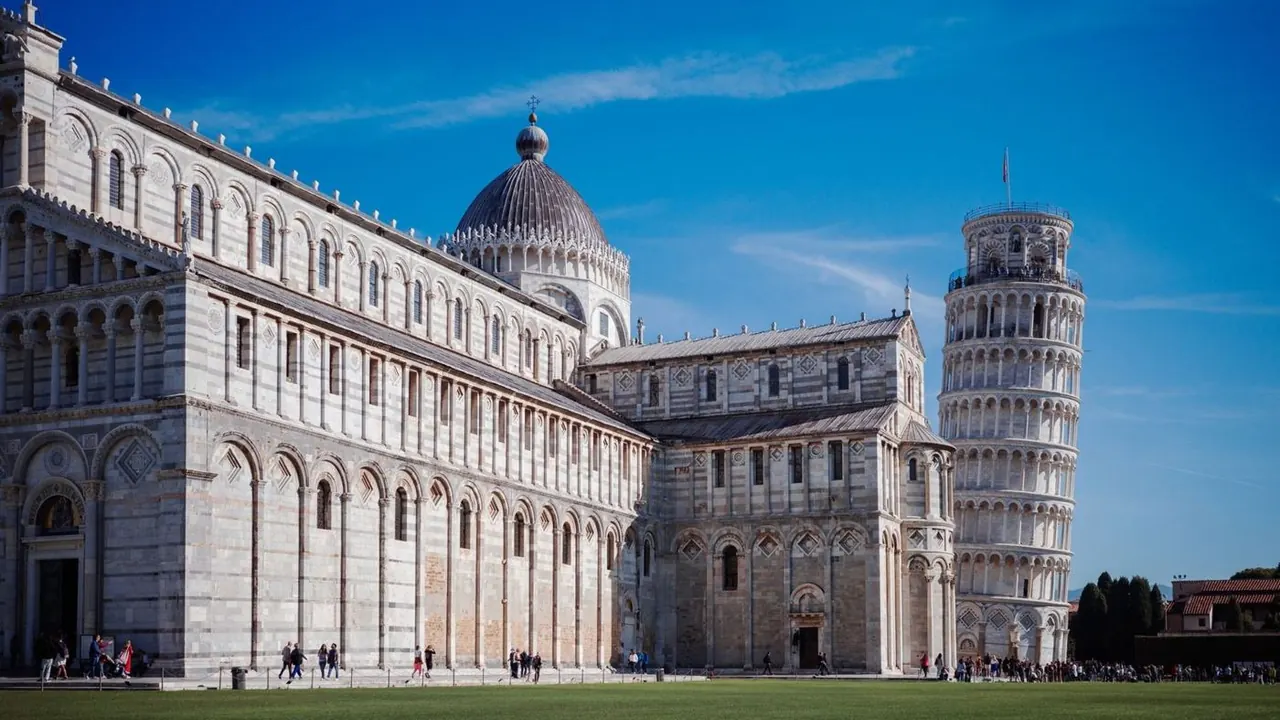
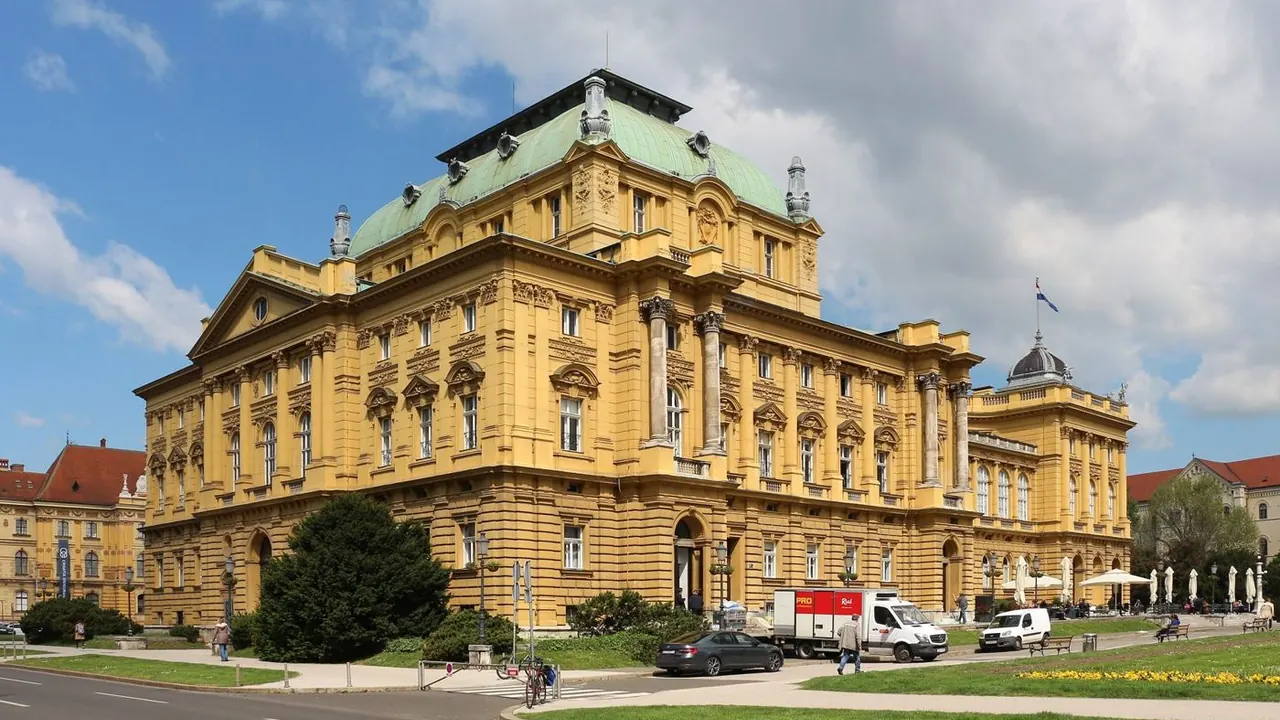
Photos: Pisa by Bruno Kraler, Pexels License; Zagreb by Bernard Gagnon, CC BY-SA 4.0, cropped.
Pisa or Zagreb?
Our verdict in twelve categories, each scored against the same fixed benchmark cities, and the climate month by month, so you can choose for your trip.
Choose Pisa for
- beaches
- day trips
- culture and sights
Pisa is the better pick for a traveller who wants Tuscany as much as Pisa itself. The cathedral square is one of Italy's great sights, the station puts Florence, Lucca and the Cinque Terre within an easy day, and in summer there is a sandy coast a short bus ride away. It suits sightseers who like a small, walkable base and plan to spend half their days elsewhere.
Choose Zagreb for
- live music and the arts
- nightlife
- prices
Travellers who would rather settle into one city's daily life will get more from Zagreb. Its evenings are livelier, its concert halls and theatres run a fuller season, and café terraces set the pace from morning on. It costs a little less, and it brings Central European cooking and Austro-Hungarian streets rather than Italian ones. There is no sea, though, so beach lovers will need to add a stop on the coast.
Scoreboard
Twelve categories on one fixed scale from 0 to 100. The shaded stretch is the gap between the two.
Your match
Pick a travel style or drag the sliders, and both match scores follow your weighting.
Wins on beaches and day trips with your weighting.
Wins on live music and the arts and nightlife with your weighting.
What matters to you?
Category by category
What the scores mean for a trip.
Beaches & swimming
This is where the two part company most clearly. From Pisa the coast is about 12km away, with breakwaters and coves at Marina di Pisa and long, pine-backed sand further south at Tirrenia and Calambrone. The water is shallow and warm in midsummer, and Viareggio is a short train ride north for more.
Zagreb's swimming is lake swimming: pebbly shores and lifeguarded areas at Jarun and the smaller Bundek. They are fine for cooling off on a hot afternoon. For the Adriatic you need a two-hour drive or a separate stay on the coast.
Food & drink
Both are good places to eat simply rather than places for serious dining, and the difference lies in what is on the plate. Pisa cooks plain Tuscan food: ribollita, wild boar, salt cod and hot cecina from wood ovens. Its best tables are the trattorias and wine bars around the morning market at Piazza delle Vettovaglie, while the menus near the tower are best avoided.
Zagreb looks to Central Europe instead, with štrukli, turkey with mlinci and Zagorje sausages, all centred on the Dolac market. Its real ritual is coffee, and the Saturday promenade around Flower Square is something Pisa has no equivalent for.
Culture & sights
Pisa has the sight of international rank: cathedral, baptistery, Leaning Tower and Camposanto standing together on one lawn, which Zagreb cannot match. Pisa also repays the walk beyond the square, to Piazza dei Cavalieri, little Santa Maria della Spina on the river and the medieval painting at San Matteo.
Zagreb's appeal is the contrast between the hilltop Upper Town, with St Mark's tiled roof and the Stone Gate, and the Austro-Hungarian Lower Town around the Green Horseshoe. Its museums range more widely, from old masters to naive art, and the arcades of Mirogoj are worth the trip on their own. Each city fills about two unhurried days.
Nightlife
Zagreb has the more rewarding evenings. Café-bars move from coffee to drinks as the night goes on, Tkalčićeva fills its terraces on warm nights, and the courtyards of the Lower Town hide cocktail and craft beer bars. In summer the lakeside clubs at Jarun take over, and student venues stay open all year.
Pisa offers a glass of wine in a square around the old market, busy during term, and aperitivo along Borgo Stretto. There are few clubs, and outside term and summer weekends the city goes quiet early.
Nature & outdoors
Each city has green country right on its edge, but of different kinds. Pisa looks to the sea, with the pine forest, wetland and wild dunes of San Rossore, where you can ride or cycle among fallow deer. Behind it rise the olive terraces of Monte Pisano, with the Apuan Alps and the Cinque Terre cliff paths further off.
Zagreb looks to the forest, with the beech woods and mountain huts of Medvednica a tram and bus ride away. Maksimir park and the Sava embankments are good for gentle exercise, and Plitvice's waterfalls make a long day out, but there is no coast or high mountain country nearby.
Day trips
Pisa is one of the best bases in Italy for day trips. Florence is an hour away by train and Lucca's walls under half an hour, and the Cinque Terre, Volterra, San Gimignano and Siena are all within reach. Few visitors stay a week without spending several days elsewhere.
Zagreb's options are pleasant but gentler: the castles and pilgrimage churches of Zagorje, baroque Varaždin, Samobor and its cream cake, Karlovac's star fortress and the Plešivica wine roads. Ljubljana makes a long day, and nothing nearby has the pull of Florence.
Good for families
Both are manageable rather than built for children, but the family days look different. In Pisa they centre on the tower lawn and the photo of holding the tower up, then the shallow sandy beaches and the bike and horse rides in San Rossore. Younger children cannot climb the tower.
Zagreb has more indoors and in town: the zoo in Maksimir, the old trams and mock mine at the Tesla technical museum, and the tiny funicular. Trams take pushchairs, and the lakes do for summer swims.
Getting around
Pisa is slightly easier, mainly because it is so small and flat that you can walk from the station to the cathedral square in about half an hour. The airport shuttle train is unusually close, and the station is a rail hub for western Tuscany.
Zagreb needs its trams more, and they cover the city well, with the funicular saving the climb to the Upper Town. The Upper Town cobbles are steep, though, and trams slow down at rush hour. In both cities a car is only worth having for the countryside.
Shopping & style
Neither city is a shopping destination, and both offer ordinary main streets. Pisa has chains along Corso Italia and smarter shoe and pastry shops under the arcades of Borgo Stretto, plus a monthly antiques market by the river, and serious shoppers head to Florence.
Zagreb's Ilica is the same kind of street, but the city has more distinctive things to take home: red licitar hearts, lace, truffle products and a cravat from the country that gave the world the necktie. There is also a Sunday flea market at Britanski trg.
Affordability
Zagreb is a little kinder on the wallet. Trams, museums, bakery snacks and central apartments are all reasonably priced, and the city is noticeably cheaper than the Croatian coast in summer. Smart restaurants and cocktails cost about what they would in Western Europe.
Pisa is moderately priced for a famous Italian city, and its student trattorias are good value. The costs come at the monuments, where the tower climb is a real expense, and in the summer charges for beach loungers.
Live music & performing arts
Zagreb has a real cultural season. The Croatian National Theatre stages opera, ballet and drama, the Lisinski hall is home to the Zagreb Philharmonic, and the Zagreb Soloists play in churches. Jazz and rock clubs, summer concerts in Upper Town courtyards and the rock festival at Jarun add to it, though spoken theatre is mostly in Croatian.
Pisa's live music comes down largely to the Teatro Verdi, a horseshoe-shaped 19th-century house that makes an easy night at the opera, plus some university chamber concerts. For anything bigger, people go to Florence.
Wellness & relaxation
Pisa has the closer thermal water. San Giuliano Terme, just outside the city and used since Roman times, has a spa in its 18th-century bath palace, and Casciana Terme's larger pool is under an hour inland. Zagreb's spa resorts at Tuheljske, Krapinske and Stubičke Toplice are about an hour away in Zagorje and make more of an outing.
Both cities are calm once you are away from the main sights. In Pisa the calm comes from evenings by the Arno, while in Zagreb it comes from long café mornings and quiet Upper Town lanes.
When should you go?
Pick your month. The climate figures are measured averages, not a forecast.
Pisa in July
Zagreb in July
Daytime high, °C
Rainfall in the month, mm
Temperature and rainfall are climate normals, averaged over the years shown. Pisa: 1991-2020 normals, Pisa / S. Giusto (3.9 km from centre). Zagreb: 1991-2020 normals, Zagreb / Gric (0.6 km from centre).
Pisa has the milder, sunnier climate. June to September are warm enough for the beach, with the sea at its warmest in August at about 25°C, but July and August reach 30°C on a humid plain, which makes midday sightseeing tiring. May, June and late September are the most comfortable months for walking. The rain arrives in autumn, building to about 132mm in November, and winters are mild and grey rather than cold.
Zagreb has proper winters, with January highs of about 5°C, so the cold months suit museums and cafés more than long walks. Spring and early autumn are the pleasant seasons for the streets and Medvednica. Summers are almost as warm as Pisa's but noticeably wetter, with showers through June to August and the heaviest rain in September at about 104mm. Late spring is the safest time for both cities.
Which traveller are you?
On a beach and sun trip, Pisa wins easily. Long, dry summers let you see the sights in the morning and spend the afternoon on sand by a warm sea. Zagreb has only lakes, and the coast means a separate stay.
For a food and nightlife trip, the cooking is a draw: Tuscan peasant dishes in Pisa, Central European comfort food in Zagreb. Evenings settle it. Zagreb has more bars and a longer night, while Pisa's ends early with wine in a square.
On a tight budget, the gap is small but runs Zagreb's way. Pisa's costs gather around its one great sight and the summer coast, while Zagreb's best days, walking the Upper Town, hiking Medvednica or lingering at Mirogoj, cost very little.
Before you go
| Measure | Pisa | Zagreb |
|---|---|---|
| Official language | Italian | Croatian |
| Currency | Euro (EUR) | Euro (EUR) |
| Sockets | CFL230 V, 50 Hz | CF230 V, 50 Hz |
| Driving side | Right | Right |
| Time zone | UTC+1, UTC+2 in summer | UTC+1, UTC+2 in summer |
| Emergency number | 112 | 112 |
| Elevation | 4 m | 127 m |
| Main airport | Pisa International Airport (PSA)4 km from centre82 non-stop destinations | Zagreb Franjo Tuđman International Airport (ZAG)11 km from centre64 non-stop destinations |
| Public holidays this year | 13 days | 14 days |
By the numbers
| Measure | Pisa | Zagreb |
|---|---|---|
| City population | 88,737 | 767,131 |
| People per km² | 479 | - |
| Museums within 10 km | 27 | 27 |
| UNESCO World Heritage sites within 50 km | 3 | 0 |
| Swim season, months above 21 °C | 4 months | - |
Where else could you go?
Every comparison below shares a destination with this one, so you can follow Pisa or Zagreb somewhere new.