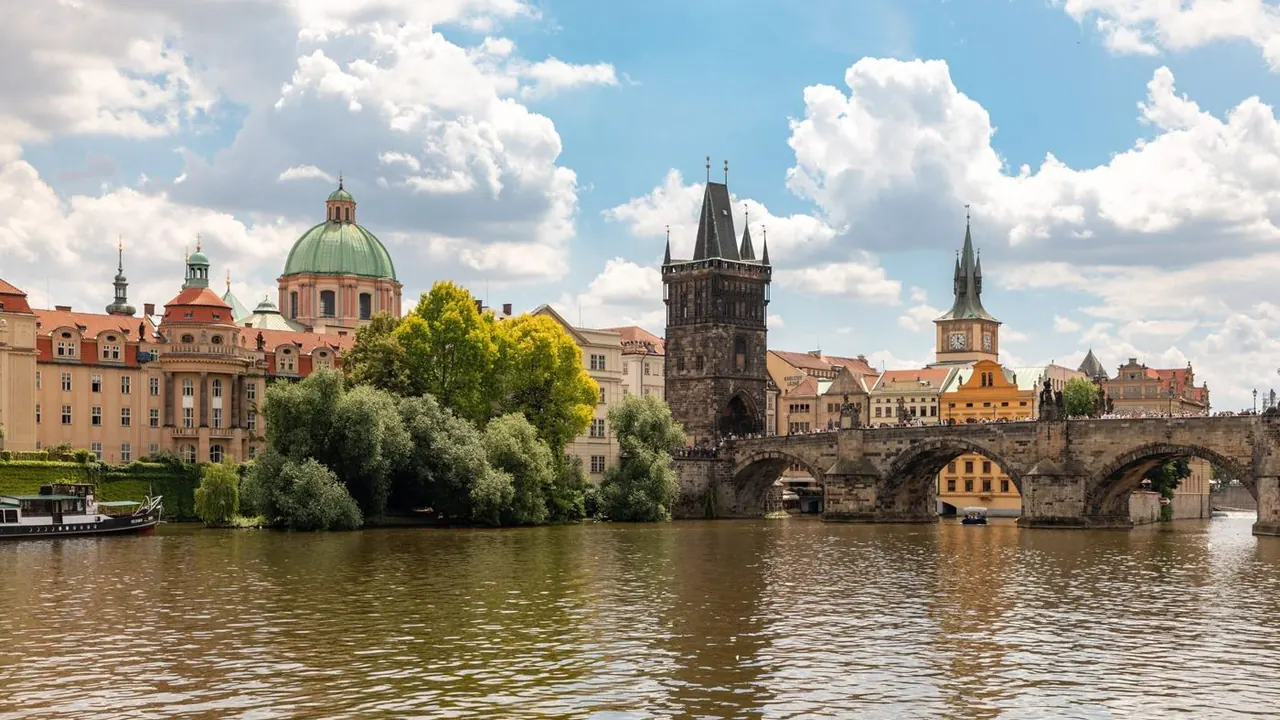
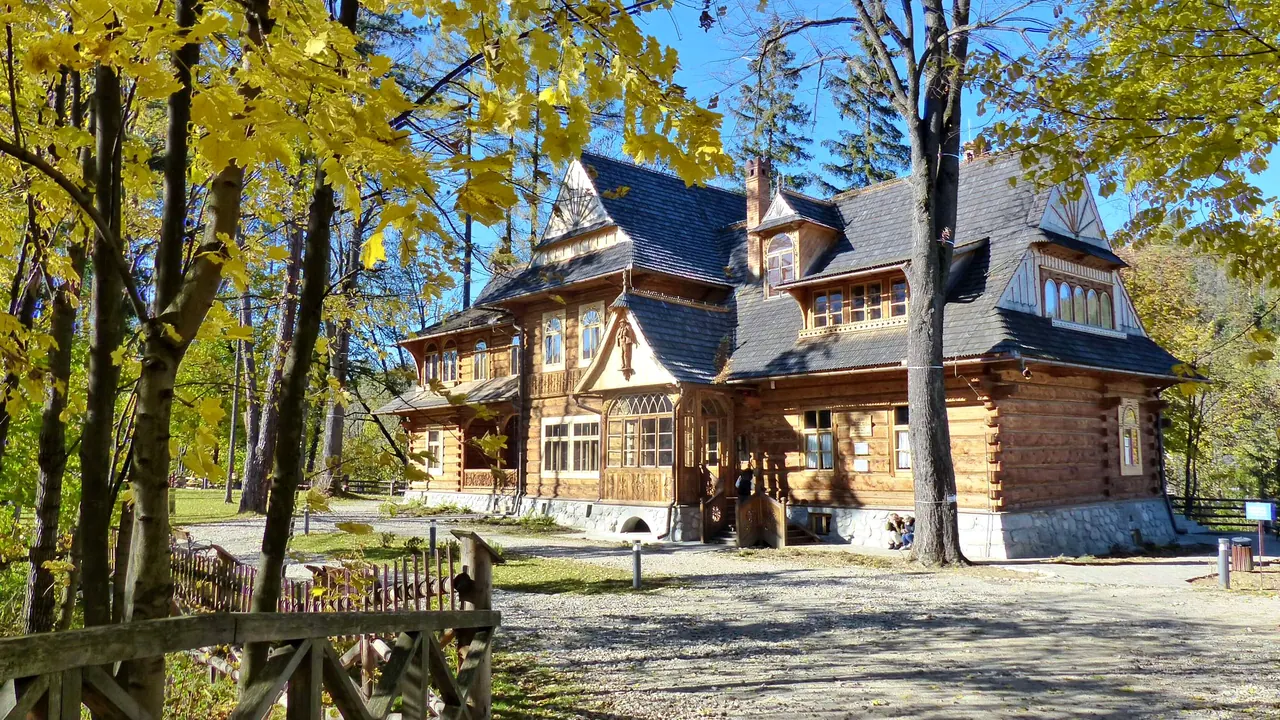
Photos: Prague by Dietmar Rabich, CC BY-SA 4.0, cropped; Zakopane by Wojciech Grzegorz Domagała, CC BY-SA 4.0, cropped.
Prague or Zakopane?
Our verdict in twelve categories, each scored against the same fixed benchmark cities, and the climate month by month, so you can choose for your trip.
Choose Prague for
- culture and sights
- live music and the arts
- nightlife
Prague suits travellers who want a city to explore on foot: a historic centre that runs unbroken from the Castle through Mala Strana and over the Charles Bridge, three opera stages, pub evenings in Zizkov, and trams that make the whole city easy. It is also the better base for excursions, with Kutna Hora, Karlstejn and Dresden all reachable by train.
Choose Zakopane for
- nature and the outdoors
- wellness
- families
Choose Zakopane if the trip is about being outdoors. The Tatras start at the edge of town, with valley walks for anyone and Rysy for the fit, and the day ends in a steaming thermal pool rather than a bar. Families who like trails and sledging do better here too, though the town's own sights take a single day and the nightlife is mostly one street.
Scoreboard
Twelve categories on one fixed scale from 0 to 100. The shaded stretch is the gap between the two.
Your match
Pick a travel style or drag the sliders, and both match scores follow your weighting.
Wins on culture and sights and live music and the arts with your weighting.
Wins on nature and the outdoors and wellness with your weighting.
What matters to you?
Category by category
What the scores mean for a trip.
Beaches & swimming
Neither is a beach destination, as both are far from any sea. In Prague, summer swimming means the Dzban reservoir in the Sarka valley or a day at Slapy on the Vltava. In Zakopane, bathing is banned in the Tatra lakes and the Czorsztyn reservoir is an hour's drive away, but the outdoor thermal pools stay warm all year, so you can swim there in January as well as July.
Food & drink
Prague eats and drinks better, mostly because of its beer: carefully poured, often unpasteurised lager, a long microbrewery tradition, and neighbourhood pubs and Moravian wine bars in Vinohrady, Karlin and Letna, with a modest modern restaurant scene around them.
Zakopane's highland cooking is more unusual but has even less range: grilled oscypek with cranberry jam, kwaśnica and lamb in timber inns with musicians. Both towns cook worst where the crowds are, around Old Town Square in one and on Krupówki in the other, and in both the side streets are worth the walk.
Culture & sights
This is where the two differ most. Prague's whole centre is a UNESCO site, from the Castle and St Vitus through Baroque Mala Strana and the Gothic Old Town to the synagogues of Josefov, with Art Nouveau and rare Cubist buildings on top. Three or four days only cover the essentials.
Zakopane's heritage is small but its own: the timber villas of the Zakopane style, Villa Koliba, the Jaszczurówka chapel and the carved grave markers of Pęksowy Brzyzek. It makes a pleasant day off from hiking, not a reason to go.
Nightlife
Prague has far more evenings out: cheap, excellent beer in Zizkov's plain local pubs, wine bars in Vinohrady, summer beer gardens on Letna, and a techno and alternative circuit in Holesovice alongside the big clubs near Wenceslas Square that stay open until dawn.
In Zakopane, going out means the pubs and few dance clubs on Krupówki. They are rowdiest on après-ski weekends and at New Year and quiet midweek, which suits hikers with an early start.
Nature & outdoors
Zakopane is the outdoors destination of the two. The granite Tatras begin where the streets end: crocus meadows in Kościeliska, the walk to Morskie Oko, the climb to Rysy at 2,499m and the cable car to Kasprowy Wierch, with skiing and cross-country routes in winter and rafting on the Dunajec in summer.
Prague's green side is gentler: Petrin Hill, Stromovka and the Divoka Sarka gorge inside the city, and the sandstone towers of Bohemian Switzerland about two hours away. The walking and cycling are good, but there are no mountains.
Day trips
Prague is the stronger base. Trains run to Kutna Hora's cathedral and ossuary, Karlstejn is under an hour away, and Terezin, the Melnik vineyards and Dresden along the Elbe all make easy outings without a car.
Zakopane's excursions are good but depend on the roads: Kraków and the Wieliczka salt mine, the painted wooden church at Dębno, the log houses of Chochołów, and Spiš Castle and Levoča across the Slovak border. Weekend traffic can make any of them much longer.
Good for families
Zakopane suits active families better. It has the Gubałówka funicular with slides and a summer toboggan at the top, flat valley trails for pushchairs, sledging and nursery slopes in winter, and thermal water parks for a wet day, though the steep hikes are for older children only.
Prague has its storybook castle, the astronomical clock and an excellent zoo at Troja, but little beyond those. Cobbles, the castle stairs and summer crowds make it harder going with small children.
Getting around
Prague is much easier to get around. Its compact centre takes about fifteen minutes to cross from Old Town Square to Mala Strana, and three metro lines and night trams share one ticket, though pickpockets work the trams through Mala Strana.
Zakopane's pedestrianised core is easy on foot, and minibuses reach Kuźnice and the valley trailheads. Arriving is the hard part: the road in jams at peak times, the winding train from Kraków is slow, and you need a car for the outlying villages.
Shopping & style
Prague has much more range: luxury labels on Parizska, chains on Na Prikope, Bohemian crystal, garnet jewellery and marionettes, small design and vintage shops in Holesovice and Karlin, and Christmas markets on the old squares.
Zakopane is a souvenir town with a real craft tradition: sheep's-wool sweaters, sheepskins, felt slippers and carved boxes at the Gubałówka market, plus outdoor gear on Krupówki. It is worth buying one good sweater there, but it is not a shopping trip.
Affordability
Both cost far less than their Western European equivalents, and neither is cheap everywhere, so the difference lies in what pushes prices up. In Prague it is location: beer, transport and neighbourhood pubs stay inexpensive, while hotels in the historic core and restaurants with a river view are priced for visitors.
In Zakopane it is the calendar. Guesthouses and inn meals cost little in spring and autumn, but Christmas, New Year, the winter school breaks and long summer weekends push room prices up and need booking early.
Live music & performing arts
Prague is a serious classical music city, with opera at the National Theatre, the State Opera and the Estates Theatre, where Don Giovanni had its premiere. The Czech Philharmonic plays at the Rudolfinum, and black-light and marionette theatre need no Czech.
Zakopane's live culture is small and local: the Witkacy Theatre, highland string bands fiddling in the inns, and the mountain folklore festival every August. It is charming in passing, but nothing to plan a trip around.
Wellness & relaxation
Zakopane began as a mountain health resort and still works as one. Geothermal water feeds big outdoor pools in Chochołów, Białka Tatrzańska, Bukowina and Szaflary, steaming in the snow with the Tatras in view, and a soak after hiking is part of the day for many visitors.
Prague has no bathing tradition, and the Czech spa towns are far away in western Bohemia. Rest there means a hotel spa, an afternoon in a grand coffee house or a quiet bench on Kampa island.
When should you go?
Pick your month. The climate figures are measured averages, not a forecast.
Prague in July
Zakopane in July
Daytime high, °C
Rainfall in the month, mm
Where the figures come from
Zakopane has no rain gauge within 25 km of the centre, so its rainfall comes from a gridded climate dataset read at the city rather than from a gauge further away.
Zakopane's sunshine is measured 34 km from the centre, at Poprad / Tatry.
Temperature and rainfall are climate normals, averaged over the years shown. Prague: 1991-2020 normals, Praha-Libus (8.1 km from centre). Zakopane: 1999-2020 (sunshine 1991-2020, rainfall 1991-2020) normals, Zakopane (0.2 km from centre).
Prague is at its best in May and June and again in September, when days are mild, long and sunny enough for hours of walking. July and August are the warmest months, around 25°C, and comfortable for sightseeing, though summer is also its wettest season at about 80mm a month. Winter is grey, close to freezing and short of sunshine, so it suits museums, concerts and the Christmas markets rather than long walks.
Zakopane runs a few degrees cooler in summer, peaking around 21°C. That is ideal for hiking, but it comes with far more rain: July brings about 176mm, so from June to August you should plan hikes around wet days. September is drier and still bright, the best month for the high trails. Through the winter the gap almost closes, with Zakopane only a degree or two colder than Prague, and in November the two are level. It sits around freezing but gets noticeably more winter sunshine than Prague, which suits skiing and the outdoor thermal pools.
Which traveller are you?
For a culture and arts trip, Prague is the clear choice. Its UNESCO centre runs from the Castle to Josefov, its buildings span Gothic to Cubist, and three opera stages and the Rudolfinum fill the evenings, while Zakopane has a day of museums and folk music.
On an outdoors trip, Zakopane wins easily. The Tatra national park begins at the edge of town, with valley walks, Morskie Oko, Rysy and the Kasprowy Wierch cable car, and skiing in winter. Prague's parks and sandstone hiking further out are gentle by comparison.
For a relaxing and wellness trip, Zakopane is again the better pick. Thermal pools within half an hour, clean mountain air and quiet guesthouses on the slopes make rest easy, while Prague's offer is mostly hotel spas and beer baths, and its centre is crowded.
Before you go
| Measure | Prague | Zakopane |
|---|---|---|
| Official language | Czech | Polish |
| Currency | Czech Koruna (CZK) | Zloty (PLN) |
| Sockets | CE230 V, 50 Hz | CE50 Hz |
| Driving side | Right | Right |
| Time zone | UTC+1, UTC+2 in summer | UTC+1, UTC+2 in summer |
| Emergency number | 112 | 112 |
| Elevation | 235 m | 837 m |
| Main airport | Václav Havel Airport Prague (PRG)12 km from centre178 non-stop destinations | Kraków John Paul II International Airport (KRK)87 km from centre132 non-stop destinations |
| Public holidays this year | 13 days | 14 days |
By the numbers
| Measure | Prague | Zakopane |
|---|---|---|
| City population | 1,397,880 | 25,770 |
| People per km² | 2,817 | 306 |
| Museums within 10 km | 88 | 18 |
| UNESCO World Heritage sites within 50 km | 1 | 2 |
Where else could you go?
Every comparison below shares a destination with this one, so you can follow Prague or Zakopane somewhere new.
- Krakowvs Zakopane
- Karlovy Varyvs Prague
- Dresdenvs Prague
- Cesky Krumlovvs Prague
- Brnovs Prague
- Leipzigvs Prague