Photos: Puerto Natales by Rosario Nieto Chadwick, CC BY 3.0, cropped; Santiago by Rjcastillo, CC BY-SA 4.0, cropped.
Puerto Natales or Santiago?
Our verdict in twelve categories, each scored against the same fixed benchmark cities, and the climate month by month, so you can choose for your trip.
Choose Puerto Natales for
- nature and the outdoors
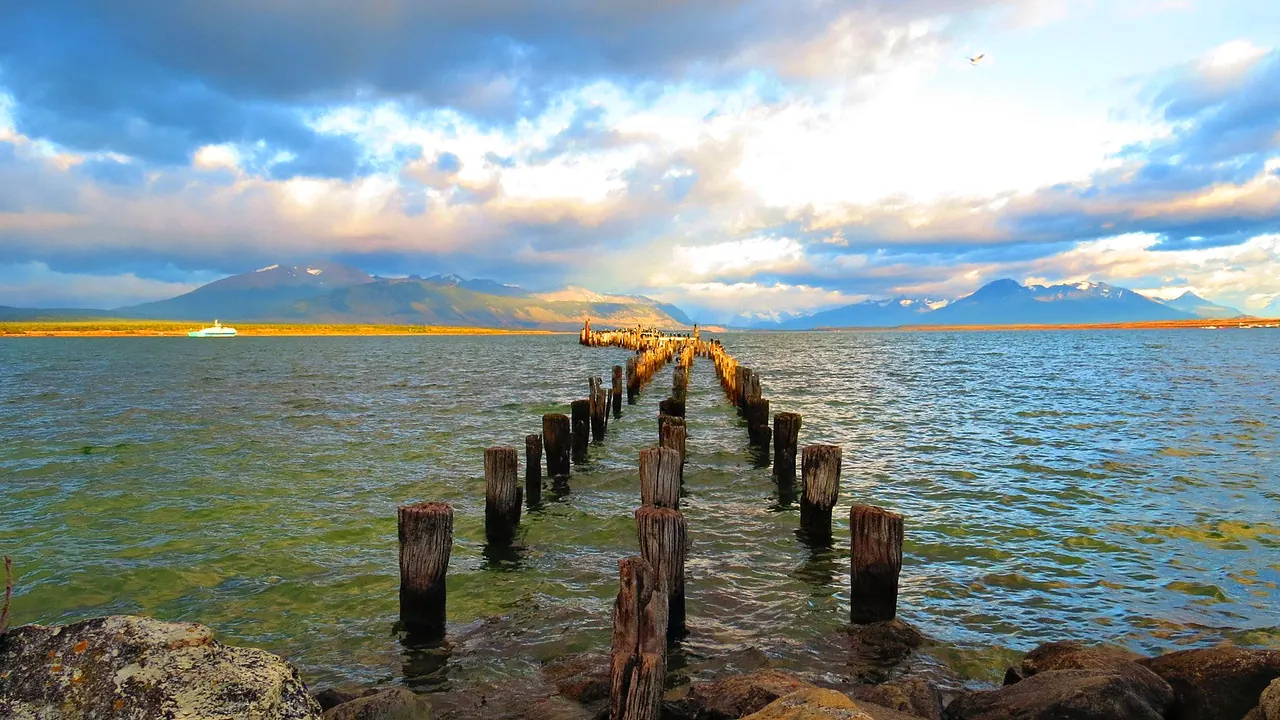
Puerto Natales is for travellers who want wild country above everything else. It is the base for Torres del Paine, with the granite towers, glaciers and pumas of the steppe, plus the fjord boats to the Balmaceda and Serrano glaciers. The town is small and quiet, eating is hearty rather than varied, and evenings end early. It suits trekkers and active couples who will spend their days outside and only need a warm bed and a lamb roast at night.
Choose Santiago for
- day trips
- live music and the arts
- nightlife
Santiago makes more sense as a rounded trip. A capital of this size gives you museums, the Teatro Municipal, late nights in Bellavista, the wine valleys on its doorstep and Valparaíso within easy reach, and it costs less day to day. The Andes are close enough for hiking, rafting in the Cajón del Maipo or a winter ski day. Choose it if you want variety, good food and wine, and a metro to take you between them.
Scoreboard
Twelve categories on one fixed scale from 0 to 100. The shaded stretch is the gap between the two.
Your match
Pick a travel style or drag the sliders, and both match scores follow your weighting.
Wins on nature and the outdoors with your weighting.
Wins on day trips and live music and the arts with your weighting.
What matters to you?
Category by category
What the scores mean for a trip.
Beaches & swimming
Neither city is a beach trip. Puerto Natales sits on a cold fjord with gravel shores, fierce wind and water around 8°C, so a waterfront walk is as close as you will get.
Santiago is only a little better placed. It is inland, but the coast at Viña del Mar is a day out of under two hours, and although the Humboldt Current keeps the water cool, a paddle is realistic. In town, the big public pools of the Parque Metropolitano are an option on hot summer afternoons.
Food & drink
Puerto Natales does a few things well: lamb roasted over an open fire, king crab from the southern channels and stews for people who have spent the day outside, with local craft beer to go with them. The choice is narrow, though, with no market culture and many places shutting in winter.
Santiago has far more to explore. You can eat sea urchins and conger eel soup at the Mercado Central and La Vega, then pastel de choclo and completos at local counters. Modern kitchens in Lastarria and Barrio Italia add to that, and Chilean wine is on every list.
Culture & sights
In Puerto Natales the culture fits into a single afternoon: colourful timber and corrugated-iron houses, a small museum on the Aónikenk, Kawésqar and settler history, and the old Bories cold-storage plant.
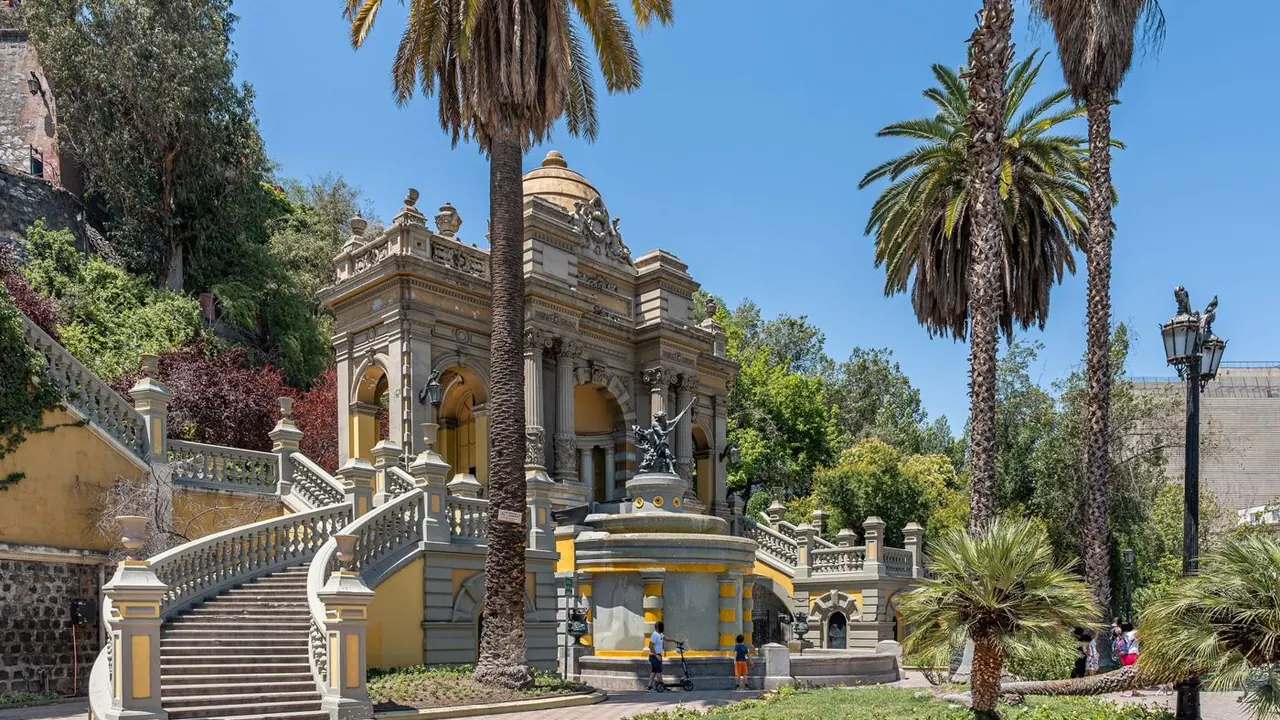
Santiago gives you two or three full days. The Museo Chileno de Arte Precolombino is outstanding, and the Museum of Memory and Human Rights and La Moneda deal with the 1973 coup and its aftermath. Neruda's La Chascona, Cerro Santa Lucía and the old houses of Lastarria round it out, even if earthquakes have taken much of the colonial city.
Nightlife
Nights in Puerto Natales are for trading trail stories over a pint in a pub before an early bus to the park. There are no clubs, and the town goes quiet well before midnight.
Santiago keeps South American hours. Bars fill after eleven and clubs run until morning at weekends. Bellavista is the loud student and LGBTQ+ quarter, while Lastarria and Barrio Italia suit a slower evening of wine and cocktails.
Nature & outdoors
Both cities are strong for the outdoors, but Puerto Natales has the edge. Torres del Paine is about two hours away, with the Cuernos, turquoise lakes, glaciers off the Southern Ice Field and wildlife on the steppe, and boats leave the town pier for the fjords of Bernardo O'Higgins National Park. The price is wind that can knock you over and a season limited to roughly October to April.
Santiago's mountains are more convenient and work in more seasons. You can hike Cerro San Cristóbal without leaving the city, go rafting in the Cajón del Maipo, or ski at Valle Nevado in winter. Getting out means crossing a lot of sprawl, and smog can hide the peaks.
Day trips
From Puerto Natales, the excursions are into the wilderness rather than to other towns. The Milodón Cave and the Bories plant are close by, but Punta Arenas and El Calafate are far enough away that each needs an overnight stay.
Santiago is a much better base for day trips. Valparaíso's funiculars, painted hills and street art are about an hour and a half away, and you can add Viña del Mar the same day. The Maipo and Casablanca wine valleys and the pottery village of Pomaire make easy outings too.
Good for families
Puerto Natales is safe and easy with children, and the life-size sloth at the Milodón Cave and the guanacos and flamingos along the park road go down well. The long drives, hard trails and wind suit older, active children far better than toddlers.
Santiago has much more aimed at families. There are the funicular, zoo and pools of the Parque Metropolitano, the hands-on Museo Interactivo Mirador and the playgrounds of Parque Bicentenario, and restaurants welcome children late into the evening. Hot summer afternoons and winter smog are the downsides.
Getting around
You can cross the centre of Puerto Natales on foot in minutes. Beyond the town, it depends on seasonal coaches to the park entrances, a catamaran and shuttles inside it, and tours or a hire car on long gravel roads. Outside the main season, buses become sparse.
Santiago has a modern metro, with Line 1 running from the Centro through Providencia to Las Condes, and one card covers both trains and buses. Rush hour is crowded and the city is big, but ride-hailing is cheap, and you only need a car for the mountains or the wine valleys.
Shopping & style
Shopping in Puerto Natales is practical. There is outdoor gear for forgotten kit and supermarkets for trail supplies, plus a few craft shops selling wool knitwear, sheepskin and lapis lazuli.
Santiago has much more to browse. There are big malls such as Costanera and Parque Arauco, luxury labels in Vitacura and independent design and vintage shops in Barrio Italia. For souvenirs, the workshops of Pueblito Los Dominicos sell copper, Mapuche silver and the same lapis lazuli.
Affordability
Puerto Natales is expensive for Chile. Almost everything is trucked or flown in, rooms are scarce in the short season, and park entry, transfers, glacier boats and refugio nights add up quickly. Hostels, self-catering and booking early all help.
Santiago is noticeably cheaper day to day. Set lunches, market food, local wine, the metro and mostly free or inexpensive museums keep spending down. Costs rise in the hotels of Providencia and Las Condes and on shared-transport-free tours to the mountains.
Live music & performing arts
Puerto Natales has no theatre or concert hall. At most you will find an occasional guitarist in a bar, or traditional dance when there is a local festival.
Santiago has a real programme. The Teatro Municipal has opera, ballet and a philharmonic orchestra, and GAM and the university theatres stage contemporary work. The Santiago a Mil festival fills the city every January, and live folk, nueva canción and rock are easy to find in Bellavista.
Wellness & relaxation
In Puerto Natales, relaxing mostly means a sauna or hot tub at an upscale lodge after a day on the trail, or a quiet evening watching the light change over the sound. People come here to exert themselves.
Santiago is no restful city, but it gives you more ways to unwind. There are thermal pools at Termas de Colina on the city's edge and simple hot springs up the Cajón del Maipo, from Baños Morales to Valle de Colina. In town, Parque Forestal is shaded and calm.
When should you go?
Pick your month. The climate figures are measured averages, not a forecast.
Puerto Natales in July
Santiago in July
Daytime high, °C
Rainfall in the month, mm
Where the figures come from
Puerto Natales has no weather station within reach, so its figures come from a gridded climate model rather than a measured record, and read a broad area rather than the city itself.
Temperature and rainfall are climate normals, averaged over the years shown. Puerto Natales: 1991-2020 normals, TerraClimate 4 km grid at the town, no weather station within 90 km. Santiago: 1991-2020 normals, Santiago Q. Normal (3.1 km from centre).
Puerto Natales is at its best in the southern summer, and even then it is cool. From December to March afternoons reach about 17°C at most. That is good weather for walking and trekking but nowhere near warm enough for the beach, and the strong wind and quickly changing skies mean you need layers on every outing. Light rain falls throughout the year, and there is no single wet season. From May to August the town is cold, with daytime highs in single figures, around 6°C in midwinter, and access to the park is limited. October to April is the sensible window.
Santiago's year runs the other way. Its summer, from December to February, is hot, dry and very sunny, and afternoons of around 28°C can make long walks through the streets tiring. Winter brings most of the year's rain, peaking at around 87mm in June, with cooler, greyer days and smog, though it is also the ski season. Spring and autumn are the most pleasant times for both the city and the hills. To combine the two, travel between November and March, when Santiago is warm and dry and Patagonia is in its main trekking season.
Which traveller are you?
On an outdoors trip, Puerto Natales is the clear pick. The W and O treks, kayaking among icebergs and glacier cruises from the town pier put some of the world's great mountain scenery on your doorstep, which Santiago's Andes, good as they are, cannot quite match.
For a food and nightlife trip, Santiago wins easily. Seafood counters at the Mercado Central, wine from the nearby valleys and pisco sours lead into late nights in Bellavista and Lastarria, while Puerto Natales offers craft beer, a long dinner and bed.
On a tight budget, Santiago stretches your money much further. Set lunches, empanadas, local wine and a cheap metro keep daily costs down, whereas in Puerto Natales trucked-in food, scarce summer rooms and park transfers and boats quickly add up.
Before you go
| Measure | Puerto Natales | Santiago |
|---|---|---|
| Official language | Spanish | Spanish |
| Currency | Chilean Peso (CLP) | Chilean Peso (CLP) |
| Sockets | CL220 V, 50 Hz | CL220 V, 50 Hz |
| Driving side | Right | Right |
| Time zone | UTC-3 | UTC-4, UTC-3 in summer |
| Emergency number | Police 133/134, ambulance 131, fire 132 | Police 133/134, ambulance 131, fire 132 |
| Elevation | 3 m | 575 m |
| Main airport | President Carlos Ibáñez International Airport (PUQ)181 km from centre7 non-stop destinations | Comodoro Arturo Merino Benítez International Airport (SCL)14 km from centre67 non-stop destinations |
| Public holidays this year | 16 days | 16 days |
By the numbers
| Measure | Puerto Natales | Santiago |
|---|---|---|
| City population | 21,477 | 6,257,516 |
| People per km² | - | 7,468 |
| Museums within 10 km | 0 | 54 |
| UNESCO World Heritage sites within 50 km | 0 | 0 |
Where else could you go?
Every comparison below shares a destination with this one, so you can follow Puerto Natales or Santiago somewhere new.
- Vina del Marvs Santiago
- Valparaisovs Santiago
- El Calafatevs Puerto Natales
- Mendozavs Santiago
- Ushuaiavs Puerto Natales
- Barilochevs Santiago