Saudi Arabia
Jeddah
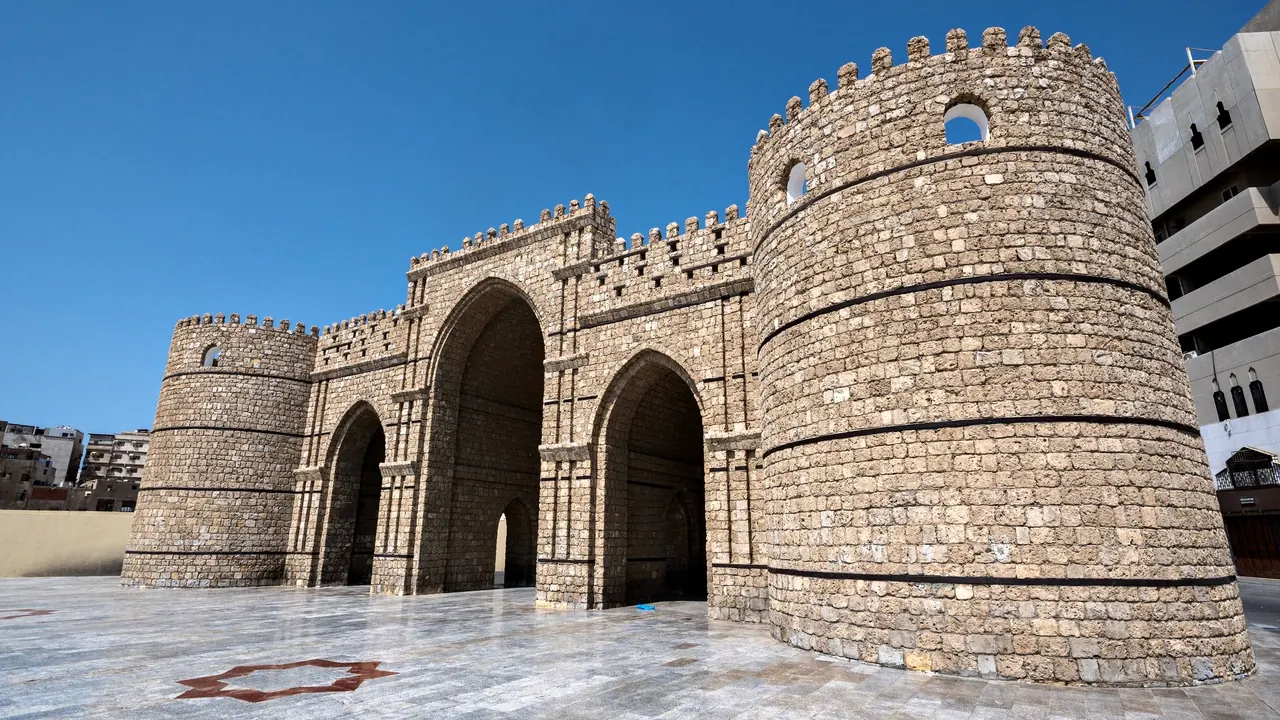
Bab Makkah, the old city gate of Al-Balad
- Food & drink58
- Shopping58
- Beaches55
Photo: xiquinhosilva, CC BY 4.0, cropped
Match
39
Every category weighted equally
- Beach & sun41
- Culture & arts36
- Food & nightlife36
- Family trip43
- Outdoors40
- Relax & unwind41
- Shopping & style39
- On a budget40
Jeddah in twelve categories
Our verdict on each, scored 0 to 100 against the same fixed benchmark cities, so a score means the same thing on every page.
Beaches & swimming. Scores 55 out of 100.
Food & drink. Scores 58 out of 100.
Culture & sights. Scores 45 out of 100.
Nightlife. Scores 12 out of 100.
Nature & outdoors. Scores 42 out of 100.
Day trips. Scores 28 out of 100.
Good for families. Scores 48 out of 100.
Getting around. Scores 18 out of 100.
Shopping & style. Scores 58 out of 100.
Affordability. Scores 50 out of 100.
Live music & performing arts. Scores 22 out of 100.
Wellness & relaxation. Scores 28 out of 100.
Jeddah category by category
Beaches & swimming
55The Red Sea off Jeddah is warm and clear for most of the year, at around 27°C in winter and above 30°C in summer, and coral reefs begin a few metres from the shore. Beach life still takes some arranging. The long corniche is a place to walk and picnic rather than swim, and its public stretches are small and plain. Most visitors who want to swim go north to Obhur, where private beach clubs and resort hotels have jetties out over the reef, loungers and relaxed dress codes. A good choice for warm-water swimming and snorkelling in the cooler months, as long as you pay for access. Midsummer heat makes the middle of the day hard going.
Food & drink
58Jeddah eats in its own Hejazi style, which grew out of centuries of pilgrims and traders. Mandi and kabsa rice with lamb or chicken, ful beans and flatbread for breakfast, stuffed mutabbaq pancakes, and saleeg, a creamy rice dish, all sit next to dishes brought from Yemen, South Asia and East Africa. Seafood is the city's strength. At the fish market, you choose from the morning catch and have it grilled nearby.
Al-Balad is the best place for street snacks and sweets, especially on evenings in Ramadan. The northern districts have long avenues of restaurants serving Lebanese, Turkish, Asian and Western food. Coffee runs from cardamom-scented Arabic coffee with dates to many speciality cafés. There is no alcohol at all.
Culture & sights
45The heart of the visit is Al-Balad, the historic town listed by UNESCO. It is a tight grid of lanes lined with tall houses built of coral stone, with carved wooden rawasheen balconies on the façades. Some houses, such as the restored Nassif House, can be visited, and old mosques and souks fill the gaps between them. It is best seen in the late afternoon, when the heat eases.
Outside the old town, the city is mostly modern. Along the corniche stand open-air sculptures and the Al-Rahma mosque, which seems to float on the water at high tide, and King Fahd's Fountain shoots high over the sea. The museums are few and small. Two or three days cover what there is.
Nightlife
12There are no bars or pubs, because alcohol is not sold, and no club scene in the usual sense. Evenings still run late, especially in summer and during Ramadan. Families and groups of friends fill the corniche after dark, and the speciality cafés, dessert shops and shisha lounges in the northern districts stay busy past midnight. Occasional large music events bring a party crowd, but day to day, a night out here means coffee, conversation and a drive along the sea.
Nature & outdoors
42The best nature here is underwater. Fringing coral reefs run along the coast north and south of the city, with walls, wrecks and plenty of reef fish, and dive boats leave from Obhur for spots close to shore. Kitesurfing, sailing and jet-skiing also centre on the northern creek.
On land there is much less. The city sits on a flat, sandy coastal plain with only a little park space, and there is desert behind it. The Hejaz escarpment rises inland, and the mountain roads around Taif lead to cooler air, terraced slopes and baboons. For most of the year, outdoor time is limited to early mornings and evenings. Summer heat and humidity make hiking unpleasant.
Day trips
28What Jeddah offers on a day trip depends on who you are. For Muslim visitors, Mecca is about an hour away by high-speed train or road, and many come to Jeddah as the gateway for umrah. Non-Muslims may not enter the holy city, and the road around it is clearly signed.
For everyone else, the main outing is Taif, a mountain town reached by road in about two hours. It has rose farms whose blooms are distilled into rose oil in spring, old palaces and souks, and a cooler climate. Medina is a little over two hours by train, which makes it more of a long day than an easy one. Beyond these, the surroundings are mostly desert.
Good for families
48Saudi life is organised around families, and children are welcome everywhere, including late into the evening. Much of the city's social life takes place on the long corniche, where there are playgrounds, open lawns and space to run around once the heat breaks. There is an aquarium, a seafront amusement park, and indoor play centres in the big malls for the hottest hours. Calm, reef-sheltered water at the northern beach clubs suits confident young swimmers.
The difficulties are practical. From May to September, being outside in the middle of the day is punishing. Distances mean you need a car with child seats. Pavements are patchy outside Al-Balad and the corniche.
Getting around
18Jeddah stretches for many kilometres along the coast and is built around the car. There is no metro, the bus network is of little use to a visitor, and wide highways cut through the districts. Most people get around by ride-hailing apps or taxis, which are easy to find, or by hiring a car, though traffic is heavy at rush hour. Al-Balad can be explored on foot, as can sections of the corniche in the evening. Elsewhere, walking between sights is rarely practical, and the heat makes it worse. High-speed trains from the airport and the city station link to Mecca and Medina, but not to anywhere within the city.
Shopping & style
58Shopping here comes in two kinds. The northern districts have very large air-conditioned malls and long avenues of shops, with international chains and luxury houses and abayas cut in fashionable styles. Shopping is a major evening pastime for local families.
The more distinctive purchases are in Al-Balad. There, the old souks sell gold jewellery by weight, oud wood and heavy Arabian perfumes blended to order, prayer beads, dates, spices and fabric. Bargaining is normal in the souks. There is little in the way of independent design or vintage shops, and nothing like a street of small boutiques.
Affordability
50Jeddah sits in the middle on price. Everyday eating is good value, from shawarma and ful to plates of grilled fish at simple local restaurants. Ride-hailing and taxis cost little because fuel is cheap, which matters in a city where you take one everywhere. Hotels are mid-range for a large city and rise around Ramadan and the pilgrimage seasons, when demand from umrah travellers peaks. The costs that add up are swimming access, since the beach clubs and resorts in Obhur charge for entry, and dining in the fashionable northern districts, which costs about the same as in a Western city.
Live music & performing arts
22Jeddah has no tradition of regular theatre, opera or a concert season. A visitor arriving on an ordinary evening will find little to attend. Live performance tends to come in programmes of events in the cooler months, when arenas and open-air stages host Arab pop stars, touring international acts and comedy. At heritage events in Al-Balad you may come across traditional Hejazi music, with oud and drums, and the mizmar stick dance. If performing arts matter to your trip, check what is on before you book. They are not something you can count on simply turning up for.
Wellness & relaxation
28Wellness in Jeddah happens mostly behind hotel doors. The large hotels and the resorts in Obhur have spas, often with a Moroccan-style hammam room and massage, and some stand-alone day spas offer similar treatments, usually separated by gender. There is no public bath or hammam tradition of its own to seek out. The city's pace is set by traffic, heat and air conditioning, which is not restful. The calmest stays are at the northern seafront resorts. There, the pool, the sea view and the relaxed evening hours after sunset make for a slower few days.
When should you go?
Pick a month to see what it is like. The climate figures are measured averages, not a forecast.
Jeddah in July
Daytime high, °C
Rainfall in the month, mm
The whole year
Shaded against this city’s own year: the deepest cell is its best month for that figure and the palest its weakest.
Temperature and rainfall are climate normals, averaged over the years shown. Jeddah: 1991-2020 normals, Jeddah King Abdul Aziz International Airport (19.1 km from centre).
Before you go
| Measure | Jeddah |
|---|---|
| Official language | Arabic |
| Currency | Saudi Riyal (SAR) |
| Sockets | G60 Hz |
| Driving side | Right |
| Time zone | UTC+3 |
| Emergency number | 112 or 911 |
| Elevation | 7 m |
| Main airport | King Abdulaziz International Airport (JED)17 km from centre147 non-stop destinations |
By the numbers
| Measure | Jeddah |
|---|---|
| City population | 4,697,000 |
| People per km² | 860 |
| Museums within 10 km | 2 |
| UNESCO World Heritage sites within 50 km | 1 |
| Swim season, months above 21 °C | 12 months |
Compare Jeddah with
Every comparison with a written verdict behind it.