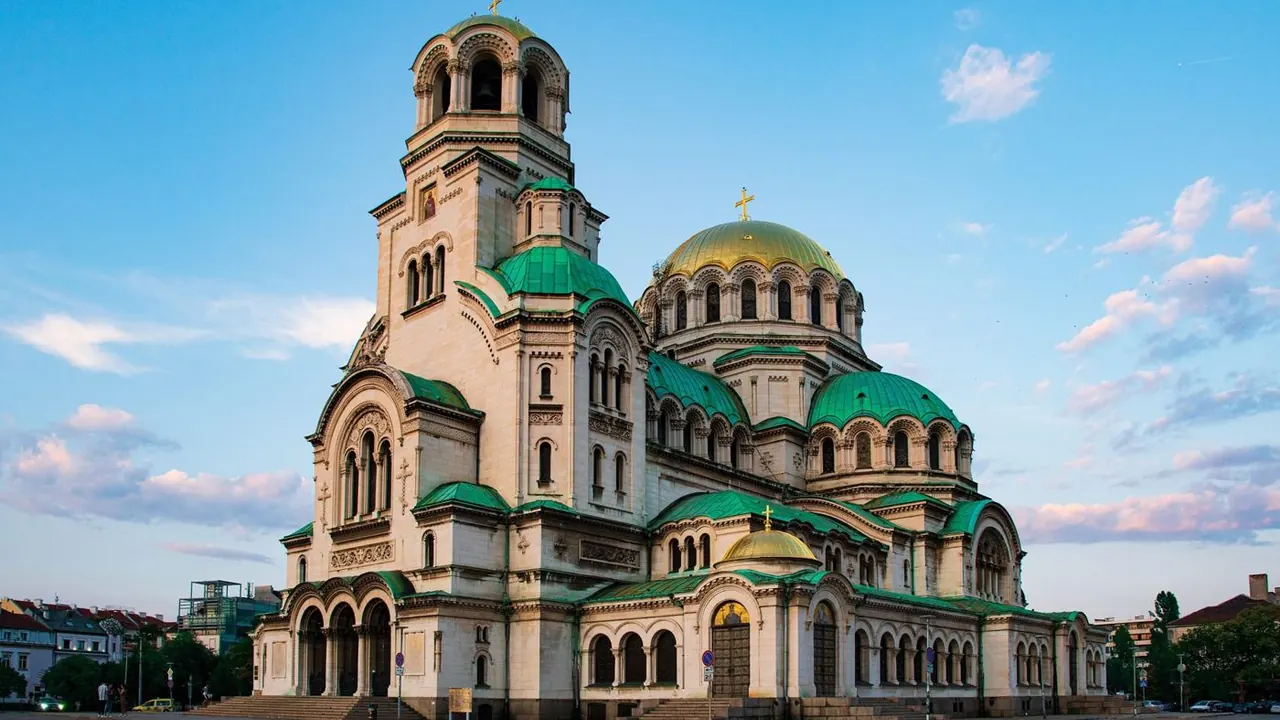
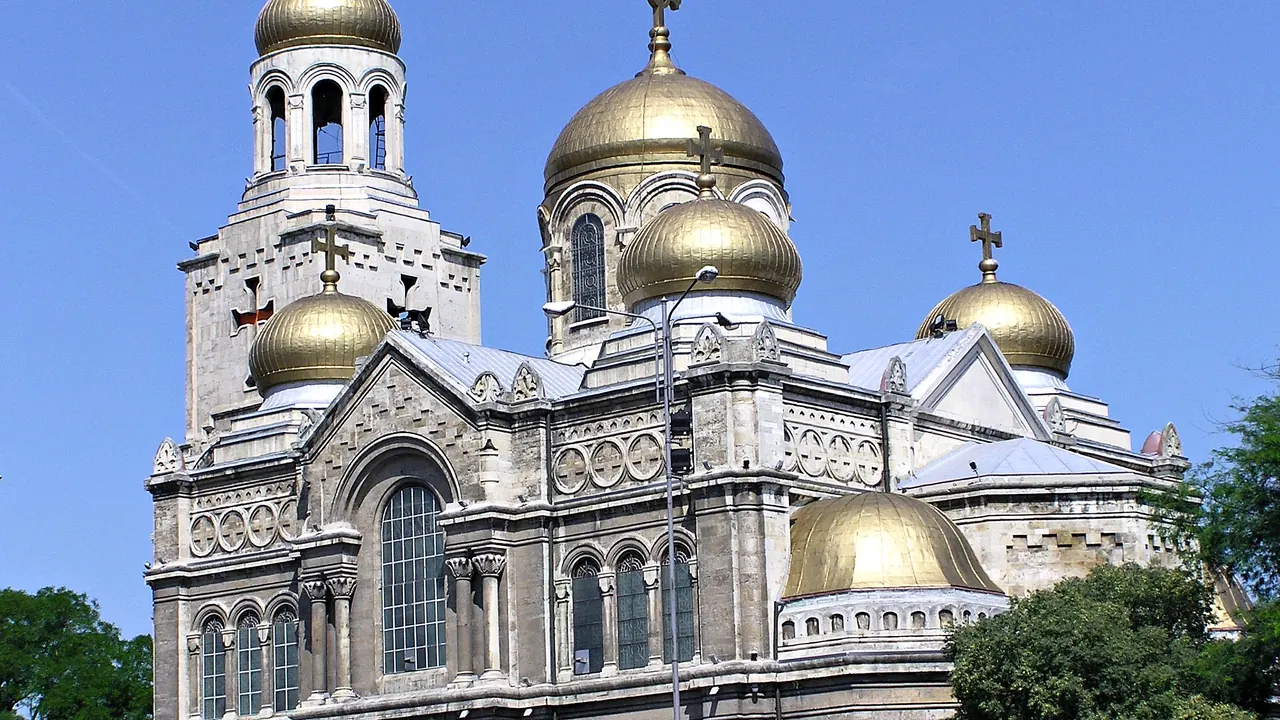
Photos: Sofia by Jose Ligero Loarte, CC BY-SA 4.0, cropped; Varna by Raphaël Toussaint, CC BY-SA 3.0, cropped.
Sofia or Varna?
Our verdict in twelve categories, each scored against the same fixed benchmark cities, and the climate month by month, so you can choose for your trip.
Choose Sofia for
- nature and the outdoors
- culture and sights
- getting around
Sofia suits a traveller who wants a capital with its history in layers and a mountain on the doorstep. Roman Serdica, the Alexander Nevsky Cathedral and the frescoes of Boyana fill two or three days. Vitosha, the Rila lakes and the winter slopes make the city a strong base for summer walking and snow in winter, and the metro means you can get around without a car.
Choose Varna for
- beaches
- families
- wellness
Choose Varna when the trip is built around the sea. Sandy beaches run below the Sea Garden and on through the resorts to the north. Children have the zoo, aquarium and playgrounds within a short walk of the shore, and summer nights move to the beach clubs. There is less to see and the season is short, so Varna is best for a warm-weather stay between late June and early September, not a winter visit.
Scoreboard
Twelve categories on one fixed scale from 0 to 100. The shaded stretch is the gap between the two.
Your match
Pick a travel style or drag the sliders, and both match scores follow your weighting.
Wins on nature and the outdoors and culture and sights with your weighting.
Wins on beaches and families with your weighting.
What matters to you?
Category by category
What the scores mean for a trip.
Beaches & swimming
This is the widest gap between the two. Sofia has no coast at all. In summer locals swim in park pools or at Pancharevo lake, and the Black Sea is a full day's drive away.
Varna has sand right below the Sea Garden, and wider beaches at St Konstantin and Elena and Golden Sands to the north. The water is gentle and warm in high summer, though the swimming season runs only from late June to mid September.
Food & drink
Both cities cook from the same Bulgarian menu of shopska salad, grilled meats and banitsa for breakfast, and neither is worth a trip for the food alone. The difference lies in what surrounds those dishes. Sofia leans towards the meat and clay-pot dishes of the mehana, adds small modern bistros behind Vitosha Boulevard and has more wine bars pouring Mavrud and Melnik.
Varna brings the sea to the plate, with fried sprats, farmed mussels and turbot at simple places near the port. Many of its seafront kitchens close outside summer, while Sofia eats the same way all year.
Culture & sights
Sofia has clearly more to see. Roman Serdica, the Rotunda of St George, a mosque and two cathedrals stand within a few minutes of each other. Add the medieval frescoes of Boyana Church and the Thracian gold in the National Museum of History, and two or three days fill easily.
Varna has one sight of world importance, the six-thousand-year-old gold from the Varna Necropolis, along with the Roman Thermae and the Aladzha cave monastery. Beyond those, a day or two covers the city.
Nightlife
The two are close, but they go out in different places. Sofia's evenings happen in small cocktail bars, craft beer pubs and cellar bars around Shishman street, a sociable scene that works in any month.
Varna's summer nights happen on the sand, in beach clubs with DJs that run until dawn, and the party strip at Golden Sands is louder still. From October to May that scene closes and Varna becomes a quiet town for a drink, so for most of the year Sofia is the livelier of the two.
Nature & outdoors
Sofia has much the stronger outdoors. Vitosha rises above 2,200m from the city's southern edge and is reached by bus and gondola. The Seven Rila Lakes and the ski slopes of Borovets are close enough for proper hiking and winter sport.
Varna's nature is gentler. There is the shaded Sea Garden, the stone columns of Pobiti Kamani, the flooded riverside forest at Kamchia and the red cliffs of Cape Kaliakra, where dolphins are often seen. It suits coastal walks, not mountain days.
Day trips
Both have strong outings within a similar distance, and the difference lies in what they lead to. From Sofia the trips head inland: to Rila Monastery in its mountain valley, to Plovdiv's Roman theatre and painted houses, and to the revival village of Koprivshtitsa.
From Varna the trips follow the coast and early Bulgarian history. There are the old churches of Nessebar on its peninsula, the queen's palace gardens at Balchik, and the Madara Rider near the early capitals of Pliska and Preslav. A hire car matters more from Varna, where the buses are harder to use.
Good for families
Varna is the easier place with children. The Sea Garden holds a zoo, the aquarium, a planetarium and playgrounds within a short stroll, with steps down to lifeguarded sand, and water parks are a short ride north. The flat promenade also suits a pushchair.
Sofia is calm but has few attractions made for children. A family stay there rests on the big parks, the science centre and a gondola day on Vitosha, with broken pavements to push through in places.
Getting around
Sofia is the easier city to get around without a car. Its metro runs from the airport through the centre to the railway station and the foothills of Vitosha, with trams and trolleybuses covering the rest, though pavements are often cracked.
Varna's centre is flat and small enough to walk from the cathedral to the beach in a quarter of an hour. Beyond it, you rely on cheap taxis or buses that are hard for a newcomer to read, and a car or an organised tour matters more for day trips.
Shopping & style
Neither city is a shopping destination, though Sofia is a little ahead. Vitosha Boulevard is a proper pedestrian high street with the mountain at its end, and the flea market of icons near the Alexander Nevsky Cathedral offers something you will not find on the coast.
Varna's Knyaz Boris I street covers everyday fashion, and the summer stalls on the seafront mostly sell beachwear. In both cities the local finds are rose oil, embroidery and painted ceramics.
Affordability
Both are among the cheaper places to travel in the EU, with tavern meals, local wine and transport well below Western European levels. The difference is timing. Sofia has no beach season to push its rates up, while Varna's rooms climb sharply in July and August and the Golden Sands resorts cost noticeably more, so June and September are the best-value months on the coast.
Live music & performing arts
Sofia has the fuller programme across the year. The National Opera and Ballet performs through most of the year, the Sofia Philharmonic plays at Bulgaria Hall, and Orthodox choral singing is the most distinctive thing to hear.
Varna's stage is smaller and at its best in summer. The Varna Summer festival then brings classical concerts, theatre and jazz, and performances move outdoors to the Summer Theatre in the Sea Garden. Outside the festivals, its programme is modest.
Wellness & relaxation
Both cities sit on warm mineral springs, and in both, locals fill bottles at public taps. Varna has a slight edge. Its spa resort of St Konstantin and Elena, about 10km away among the woods, has mineral pools and mud treatments, and outside high summer the walks in the Sea Garden are quiet.
From Sofia, bathing means a trip to Bankya, about half an hour west, or further out to Velingrad. Inside the city, the grand Central Mineral Baths is now a museum, not a bathhouse.
When should you go?
Pick your month. The climate figures are measured averages, not a forecast.
Sofia in July
Varna in July
Daytime high, °C
Rainfall in the month, mm
Temperature and rainfall are climate normals, averaged over the years shown. Sofia: 1991-2020 normals, Sofia Observ. (7.3 km from centre). Varna: 1991-2020 normals, Varna (1.3 km from centre).
Sofia sits high and inland, and its seasons are sharper. Summer is warm and sunny, with highs of about 28°C in July and August, and late May to June is the wettest stretch of the year. From November to February the days are cold, around 4°C in January. That is good for skiing in the mountains but raw for walking the streets. Spring and the weeks from September to early October are the most comfortable for sightseeing.
Varna follows a similar curve, but here summer is the whole point. The sea is warm enough for easy swimming from late June to mid September, reaching about 25°C in August, and July and August are the sunniest months in either city. Rain is spread lightly through the year, with a small rise in autumn. Outside summer the coast is quiet, so from October to April Sofia's mountains and city sights make the better trip.
Which traveller are you?
On a beach and sun trip, choose Varna. From Sofia the coast is a day's travel away. In Varna the sand lies at the end of the city's streets, so a morning swim and lunch in town fit easily together.
For an outdoors trip, Sofia is the better base. Real mountain walking in summer and snow on the slopes in winter are both within easy reach of the city. Varna's outdoor days are gentler, with coastal paths and paddling rather than high ground.
On a family trip with young children, choose Varna. In Sofia, a good day with children takes planning around the parks and the mountain. In Varna, animals, play and the sea are all a short walk apart, so the days need little organising.
Before you go
| Measure | Sofia | Varna |
|---|---|---|
| Official language | Bulgarian | Bulgarian |
| Currency | Euro (EUR) | Euro (EUR) |
| Sockets | CF230 V, 50 Hz | CF230 V, 50 Hz |
| Driving side | Right | Right |
| Time zone | UTC+2, UTC+3 in summer | UTC+2, UTC+3 in summer |
| Emergency number | 112 | 112 |
| Elevation | 560 m | 38 m |
| Main airport | Sofia Airport (SOF)8 km from centre97 non-stop destinations | Varna Airport (VAR)7 km from centre51 non-stop destinations |
| Public holidays this year | 15 days | 15 days |
By the numbers
| Measure | Sofia | Varna |
|---|---|---|
| City population | 1,213,134 | 322,683 |
| People per km² | 2,466 | 2,093 |
| Museums within 10 km | 43 | 14 |
| UNESCO World Heritage sites within 50 km | 1 | 0 |
| Swim season, months above 21 °C | - | 4 months |
Where else could you go?
Every comparison below shares a destination with this one, so you can follow Sofia or Varna somewhere new.