Dili
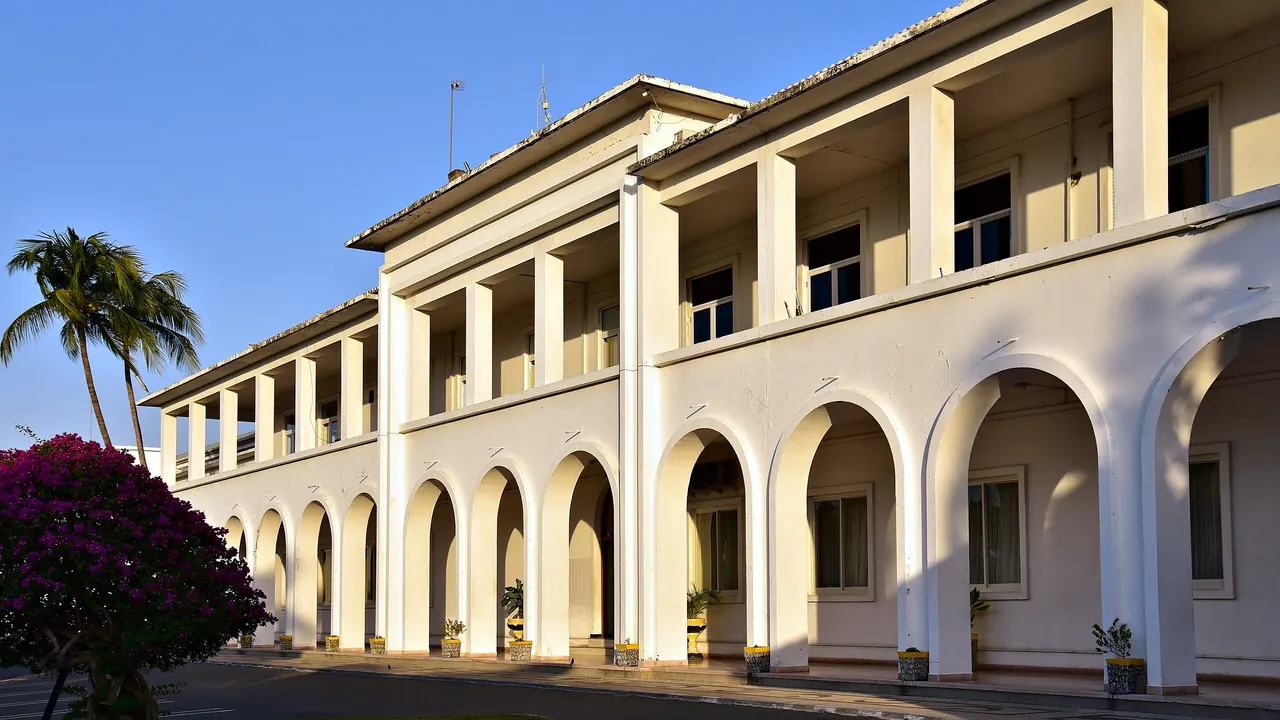
The arcades of the Government Palace in Dili in warm afternoon light
- Nature & outdoors70
- Beaches64
- Affordability44
Photo: Bahnfrend, CC BY-SA 4.0, cropped
Match
32
Every category weighted equally
- Beach & sun37
- Culture & arts27
- Food & nightlife28
- Family trip37
- Outdoors39
- Relax & unwind36
- Shopping & style27
- On a budget33
Dili in twelve categories
Our verdict on each, scored 0 to 100 against the same fixed benchmark cities, so a score means the same thing on every page.
Beaches & swimming. Scores 64 out of 100.
Food & drink. Scores 36 out of 100.
Culture & sights. Scores 30 out of 100.
Nightlife. Scores 15 out of 100.
Nature & outdoors. Scores 70 out of 100.
Day trips. Scores 26 out of 100.
Good for families. Scores 20 out of 100.
Getting around. Scores 34 out of 100.
Shopping & style. Scores 14 out of 100.
Affordability. Scores 44 out of 100.
Live music & performing arts. Scores 6 out of 100.
Wellness & relaxation. Scores 22 out of 100.
Dili category by category
Beaches & swimming
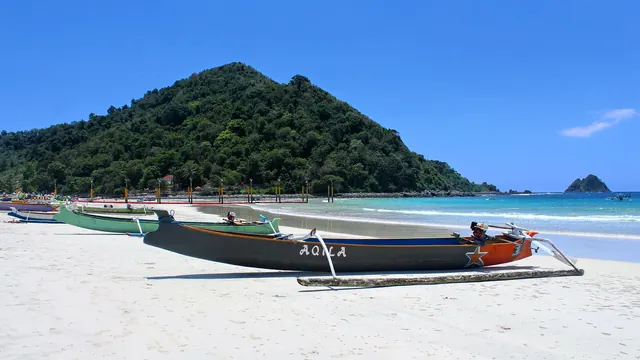
64Dili faces the calm Wetar Strait, and the water is warm all year, around 28°C. The best sand is east of the centre, under the Cristo Rei headland. Areia Branca has a line of simple beach shacks, and the cove behind the statue, reached by a stairway over the hill, is quieter and clearer. The coves further east along the coast road are emptier still. There are almost no loungers, lifeguards or resort facilities.
Saltwater crocodiles live along the Timorese coast, so locals swim near other people and avoid river mouths and dusk. Atauro Island, a boat ride away, has the clearest water and the best snorkelling straight off the beach. The dry season, roughly May to November, brings the calmest seas.
Food & drink
36Eating in Dili is simple, with a few things worth looking for. Timor's highland arabica is excellent, and you can find good coffee across the centre. In the evening, stalls along the beach road grill fresh fish and serve it with rice and chilli sauce. Timorese home cooking, such as ikan sabuko fish, batar daan corn stew and smoked pork, is easiest to find in small local eateries and at the markets.
Portuguese bread, wine and custard tarts survive from colonial rule, and Indonesian warungs serve cheap rice dishes. Most sit-down restaurants are seafront places that cater to aid workers and diplomats. They are pleasant, but the menus are short and few of them cook anything distinctive.
Culture & sights
30Dili's sights are about recent history. The Resistance Archive and Museum tells the story of the long struggle against Indonesian occupation. The former Balide prison holds the Chega! exhibition of the truth commission's findings, and it is a sobering visit. Santa Cruz Cemetery, the site of the 1991 massacre, matters deeply to Timorese visitors.
Along the waterfront you can see the white Government Palace, the old Motael Church and a scattering of Portuguese colonial buildings. The large Cristo Rei statue stands on its headland at the end of the bay. Together these fill a day or two well. There is little old architecture, and the museum collections are small.
Nightlife
15Evenings in Dili mostly mean a drink at sunset in a beach bar at Areia Branca or a seafront hotel terrace, then dinner. There are a few bars where aid workers and expatriates gather, and the occasional party at the weekend, but no club scene. Most of the city is quiet well before midnight.
Nature & outdoors
70Dili's outdoor life is in the sea. The deep Wetar Strait sits right off the coast, so shore dives along the coast road start a short drive from town. Off Atauro Island the reef walls are among the richest in fish species of any reef that has been surveyed. From roughly October to December, pilot whales, blue whales and large dolphin pods pass through the strait, and boat trips go out to find them.
On land, a walk up to Cristo Rei gives wide views over the bay. The steep hills behind the city rise to the coffee country around Dare, which is cooler and good for walking. Roads are rough and there is little organised outdoor infrastructure. Mount Ramelau, the highest peak, is too far for a day trip.
Day trips
26There are few places to visit within easy reach of Dili. Atauro Island, a boat ride across the strait, is the best day out, with fishing villages, local woodcarving and a slower island life. To the west, a slow coast road leads to the old Portuguese town of Liquica and the stone Dutch fort at Maubara. In the hills above the city, Dare has a Second World War memorial and coffee smallholdings.
Beyond these, the roads are winding and slow. Baucau's colonial old town and the rest of the country are better visited with an overnight stay.
Good for families
20Timorese people are warm towards children, and the calm water off Areia Branca suits a paddle. Beyond that, Dili offers families very little. There are no zoos, aquariums, theme parks or children's museums. The heat is relentless, the pavements are broken, and mosquito-borne illnesses such as dengue are a real concern. Medical care is basic, and serious cases are flown abroad. Families who come tend to be adventurous travellers with older children.
Getting around
34Dili is small and spreads along the bay, so the centre and seafront are compact, though the heat and broken pavements make long walks hard work. Microlets, small minibuses with numbered routes, run along the main roads and are easy to flag down once you know where each one goes. Taxis have no meters, so agree the fare before you get in. Many visitors simply hire a driver for the day. Reaching anywhere beyond the city means rough roads and a 4x4.
Shopping & style
14The one thing worth buying in Dili is tais, the handwoven textile of Timor. Each district has its own patterns and colours, and it is sold at a dedicated tais market in the centre and by weavers' groups. Coffee from the highlands makes a good gift. Otherwise you will find a single modern mall, local produce markets and small general stores.
Affordability
44Dili costs more than most visitors expect. The country imports most of its goods, and hotels and restaurants are priced for diplomats and aid workers. Comfortable rooms and Western-style meals therefore cost about as much as in a mid-range European city. Local food stalls, market produce, microlets and short taxi rides are very cheap. Diving, boat trips to Atauro and hiring a 4x4 add up quickly.
Live music & performing arts
6Dili has almost no performing arts scene for a visitor to attend. There is no theatre or concert hall programme and no regular live music venue. Traditional tebe-tebe dancing and drumming appear at national celebrations and community events, and church choirs sing at Sunday Mass, but you have to be lucky with your timing to see either.
Wellness & relaxation
22Dili has no spa or bathing tradition. A few massage places and hotel spas cover the basics. The city's pace is unhurried, with long slow afternoons in the heat, quiet early mornings on the seafront and sunsets over the bay. The dust, the heat and the rough edges of the city still make it a place for travelling more than for resting.
When should you go?
Pick a month to see what it is like. The climate figures are measured averages, not a forecast.
Dili in July
Daytime high, °C
Rainfall in the month, mm
The whole year
Shaded against this destination’s own year: the deepest cell is its best month for that figure and the palest its weakest.
Where the figures come from
Dili has no weather station within reach, so its figures come from a gridded climate model rather than a measured record, and read a broad area rather than one spot.
Temperature and rainfall are climate normals, averaged over the years shown. Dili: 2001-2020 normals, NASA POWER reanalysis grid, no weather station within 90 km.
Before you go
| Measure | Dili |
|---|---|
| Official language | Portuguese, Tetum |
| Currency | US Dollar (USD) |
| Sockets | CEFI220 V, 50 Hz |
| Driving side | Left |
| Time zone | UTC+9 |
| Emergency number | 112 |
| Elevation | 11 m |
| Main airport | Presidente Nicolau Lobato International Airport (DIL)6 km from centre9 non-stop destinations |
By the numbers
| Measure | Dili |
|---|---|
| Population | 222,323 |
| People per km² | 1,245 |
| Museums within 10 km | 1 |
| UNESCO World Heritage sites within 50 km | 0 |
| Swim season, months above 21 °C | 12 months |
Compare Dili with
Every comparison with a written verdict behind it.