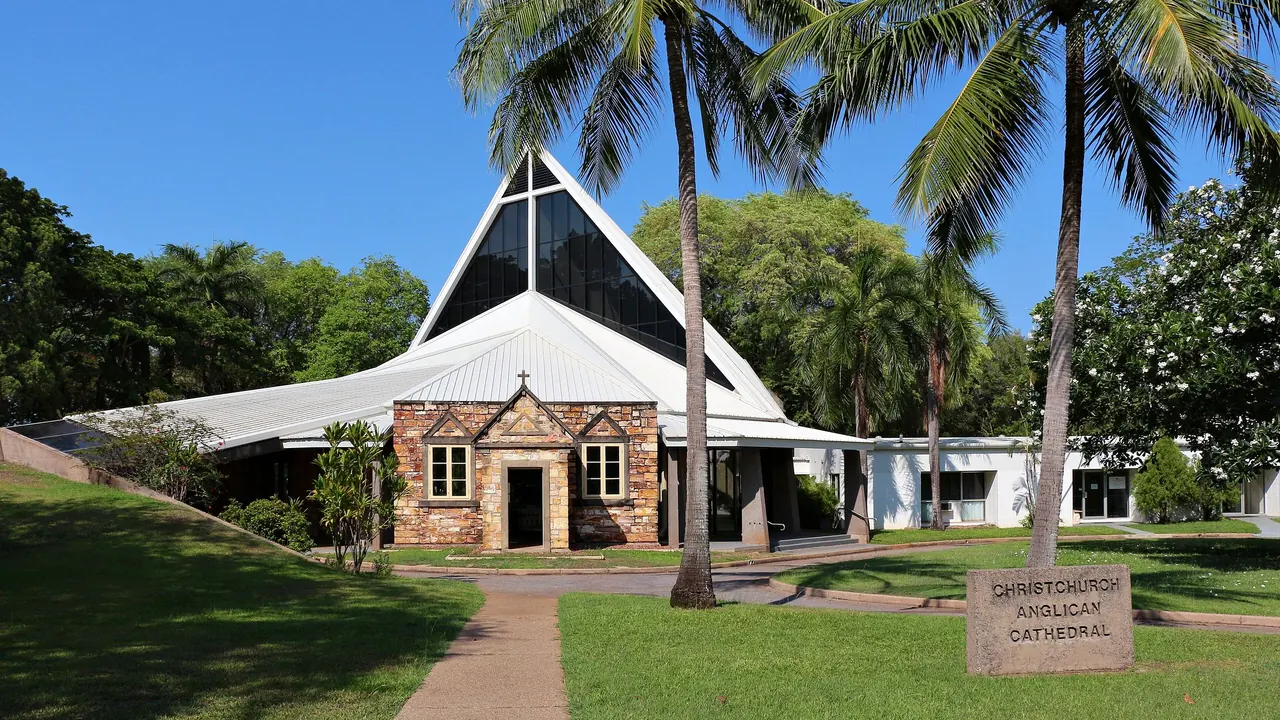
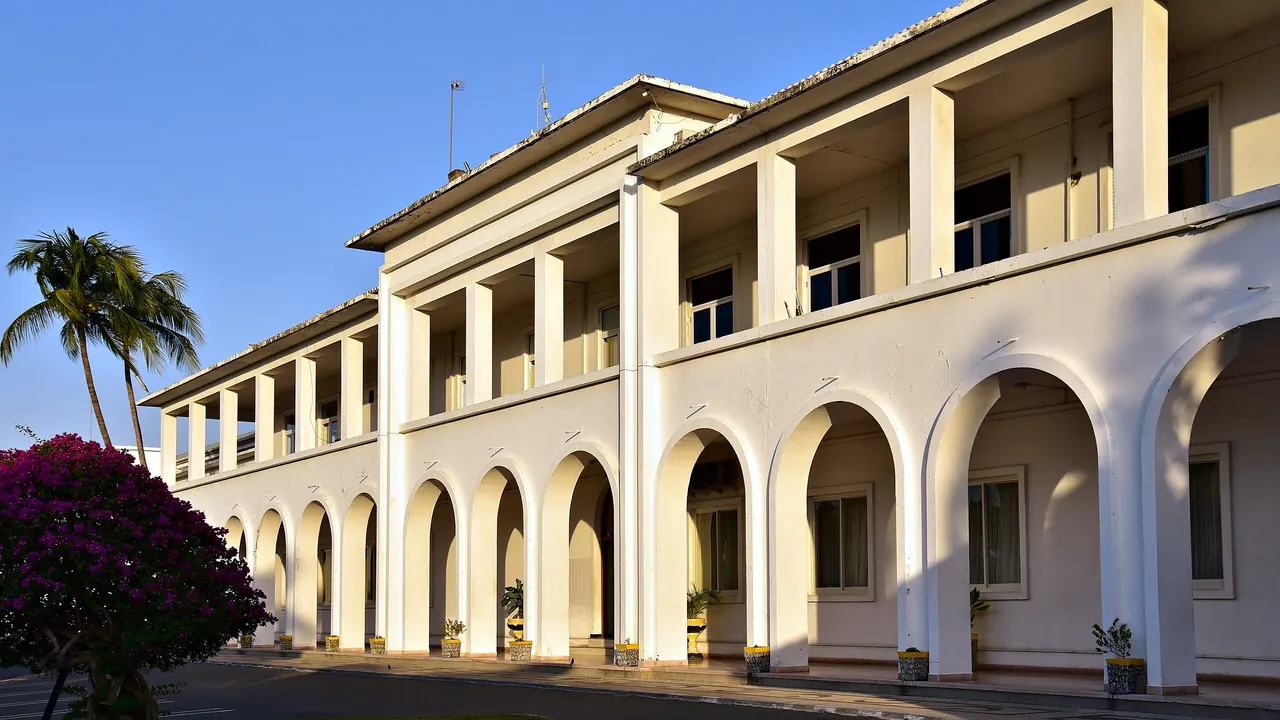
Photos: Darwin by Bernard Gagnon, CC BY-SA 4.0, cropped; Dili by Bahnfrend, CC BY-SA 4.0, cropped.
Darwin or Dili?
Our verdict in twelve categories, each scored against the same fixed benchmark cities, and the climate month by month, so you can choose for your trip.
Choose Darwin for
- families
- nightlife
- live music and the arts
Darwin suits travellers who want the Top End's wildlife and waterfalls with some comfort around them. Litchfield, the crocodile cruises and the wetlands sit within a day's drive, and back in town there are sunset markets, a lively pub strip, Aboriginal art galleries and attractions that work for children. It is the easier, better-equipped choice, especially for families and first-timers in the tropics, as long as you accept that the sea is for looking at rather than swimming in.
Choose Dili for
- beaches
- prices
- day trips
Dili is for the traveller who wants the water itself and doesn't mind rough edges. You can swim in its calm coves, the shore diving begins just outside town, and the reefs off Atauro are some of the richest anywhere. Its history of occupation and resistance is told with real force. Expect little nightlife, few facilities and slow roads, so it rewards independent, adventurous adults more than anyone looking for an easy break.
Scoreboard
Twelve categories on one fixed scale from 0 to 100. The shaded stretch is the gap between the two.
Your match
Pick a travel style or drag the sliders, and both match scores follow your weighting.
Wins on families and nightlife with your weighting.
Wins on beaches and prices with your weighting.
What matters to you?
Category by category
What the scores mean for a trip.
Beaches & swimming
Darwin has long stretches of sand at Mindil, Casuarina and East Point, but box jellyfish and saltwater crocodiles keep people out of the sea. Swimming means the netted Waterfront lagoon, the wave pool, hotel pools or the waterholes of Litchfield, an hour and a half away.
Dili is the one where you actually get in the sea. The coves under Cristo Rei and further east are calm and warm, and Atauro's clear water is good for snorkelling straight off the shore. There are hardly any loungers or lifeguards, and locals swim in company and keep away from river mouths. It is still a real beach stay in a way Darwin is not.
Food & drink
Darwin eats better, mostly thanks to its markets. Mindil's sunset stalls cover Thai, Indonesian, Sri Lankan and Greek food, Parap has its Saturday laksa, and mud crab and barramundi are on menus all over town.
Dili's strengths are narrower: excellent highland coffee, fish grilled at stalls along the beach road, and Timorese dishes such as ikan sabuko in small local places. Its seafront restaurants are pleasant, but few cook anything memorable.
Culture & sights
Neither city has much old architecture, and both tell their stories through twentieth-century history. Darwin's is war and weather: the 1942 bombing, the oil storage tunnels and East Point's gun emplacements, and Cyclone Tracy at the museum in Fannie Bay, which also has a strong collection of Aboriginal art.
Dili's history is more recent and more raw. The Resistance Archive, the Chega! exhibition in the former Balide prison and Santa Cruz Cemetery cover the Indonesian occupation, and the waterfront adds the Government Palace, Motael Church and Cristo Rei. Each city fills a day or two.
Nightlife
Darwin has an actual night out. Mitchell Street's open-air pubs and backpacker bars fill up at weekends and through the dry season and stay noisy past midnight, and there are waterfront bars for a sunset drink first.
Dili offers a beach bar at Areia Branca or a hotel terrace at sunset, a few expatriate bars and the odd weekend party. Most of the city is asleep before midnight.
Nature & outdoors
Both cities are mainly bases for the outdoors, but one looks inland and the other out to sea. Darwin's draw is on land: Litchfield's waterfalls and termite mounds, the crocodiles and birdlife of the Adelaide and Mary River wetlands, and Kakadu for those willing to stay overnight. Almost all of it is at its best from May to September.
Dili's best nature is underwater. Shore dives begin a short drive along the coast road, the reef walls off Atauro are exceptionally rich in fish, and from October to December whales and big dolphin pods pass through the strait. On land there are cooler walks in the coffee hills around Dare, but little organised infrastructure.
Day trips
Dili has a little more to offer beyond its parks and beaches. Atauro's fishing villages and woodcarvers make a good day out, and the slow coast road west passes old Portuguese Liquica and the Dutch fort at Maubara, though roads soon become too slow for anything further.
From Darwin, nearly every outing is into the bush. The Tiwi Islands' art centres are the main cultural trip, and otherwise there is little beyond the war cemetery at Adelaide River and a stop in Batchelor.
Good for families
With children, Darwin is far ahead. Its Waterfront has a netted lagoon, a wave pool and grass to run on, there is a free water park, and the crocodiles, from close-up viewings in town to jumping-crocodile cruises, are a reliable hit. The heat and the need for a car are the main drawbacks.
Dili offers little more than a calm paddle at Areia Branca and a warm welcome from locals. There are no attractions aimed at children, and the broken pavements, dengue risk and basic medical care make it better suited to adventurous families with older children.
Getting around
Both have small centres where the heat is the main obstacle to walking. In Darwin, the CBD, Esplanade and Waterfront are close together, buses are too infrequent to rely on, and most visitors hire a car or join tours to reach the parks.
Dili works differently. Microlets with numbered routes run along the main roads, taxis have no meters so you agree the fare first, and many visitors hire a driver for the day rather than tackle the rough roads in a 4x4 themselves.
Shopping & style
Darwin is the better place to shop, almost entirely because of its Aboriginal art: paintings, bark art and weavings from Arnhem Land, the Tiwi Islands and the desert, best bought through galleries linked to community art centres. Casuarina's mall and the markets cover everything else.
Dili's one real souvenir is tais, the handwoven textile sold at its own market and by weavers' groups, plus a bag of highland coffee. Beyond those there is a single mall.
Affordability
Dili costs less overall, though neither is a bargain. Its comfortable hotels and Western-style meals are priced for diplomats, while street food, microlets and short taxi rides cost very little. Diving, boats to Atauro and hiring a 4x4 push the total up.
Darwin costs as much as anywhere in Australia, with drinks especially dear and dry-season rooms expensive. A hire car or tours for the parks add a lot. The markets, the free museum and cheaper wet-season rooms help.
Live music & performing arts
Darwin at least has something to plan around. The Darwin Festival fills outdoor stages each August with theatre, music, dance and Aboriginal performance, and for the rest of the year there are touring shows at the Entertainment Centre and local theatre at Brown's Mart.
Dili has no theatre programme or regular music venue. Seeing tebe-tebe dancing or a church choir depends on arriving at the right celebration or Sunday Mass.
Wellness & relaxation
Neither city has a spa tradition, but Darwin has slightly more to offer, with hotel day spas and the shady spring-fed pools at Berry Springs for a dry-season soak. Its build-up and wet-season humidity can be draining, though.
Dili's restfulness comes from its pace: quiet early mornings on the seafront and slow afternoons. Beyond a few massage places there is little, and the dust and rough edges make it a place for exploring rather than unwinding.
When should you go?
Pick your month. The climate figures are measured averages, not a forecast.
Darwin in July
Dili in July
Daytime high, °C
Rainfall in the month, mm
Where the figures come from
Dili has no weather station within reach, so its figures come from a gridded climate model rather than a measured record, and read a broad area rather than one spot.
Temperature and rainfall are climate normals, averaged over the years shown. Darwin: 1991-2020 normals, Darwin Airport (7.7 km from centre). Dili: 2001-2020 normals, NASA POWER reanalysis grid, no weather station within 90 km.
Both cities are hot all year and follow the same pattern of a dry season and a wet one, but Darwin's wet is far heavier. Its rains peak around 470mm in January, and the months from December to March bring storms, flooded roads and heavy humidity. From May to September almost no rain falls, the sunshine is at its longest and the national parks are fully open. October and November are the sticky build-up, when highs reach 34°C. The sea stays warm right through the year, but swimming is off in any month.
Dili's daytime highs are a degree or two lower for most of the year and its wet season is gentler, peaking near 243mm in January. The long dry runs from about May to November, which is when the seas are calmest for swimming, diving and the crossing to Atauro, and the water stays around 28°C. September and October are the hottest stretch for walking the streets.
Which traveller are you?
On a beach and sun trip, Dili is the clear pick. Its coves under Cristo Rei and along the coast road are calm and warm enough to swim in, and Atauro has snorkelling straight off the sand. Darwin's beaches are for sunsets rather than swimming.
On a family trip with children, Darwin is far easier. The netted Waterfront lagoon, crocodile encounters, the Territory Wildlife Park and the fish feeding at Doctors Gully keep children busy. Dili has no attractions for them, its medical care is basic and dengue is a real concern.
For a food and nightlife trip, Darwin gives you more. The Mindil and Parap markets serve a wide spread of Asian dishes, and Mitchell Street stays loud past midnight. In Dili, evenings usually end with grilled fish and an early, quiet night.
Before you go
| Measure | Darwin | Dili |
|---|---|---|
| Official language | English | Portuguese, Tetum |
| Currency | Australian Dollar (AUD) | US Dollar (USD) |
| Sockets | I230 V, 50 Hz | CEFI220 V, 50 Hz |
| Driving side | Left | Left |
| Time zone | UTC+9:30 | UTC+9 |
| Emergency number | 000 | 112 |
| Elevation | 0 m | 11 m |
| Main airport | Darwin International Airport / RAAF Darwin (DRW)5 km from centre19 non-stop destinations | Presidente Nicolau Lobato International Airport (DIL)6 km from centre9 non-stop destinations |
| Public holidays this year | 12 days | - |
By the numbers
| Measure | Darwin | Dili |
|---|---|---|
| Population | 139,902 | 222,323 |
| People per km² | 3,446 | 1,245 |
| Museums within 10 km | 6 | 1 |
| UNESCO World Heritage sites within 50 km | 0 | 0 |
| Swim season, months above 21 °C | 12 months | 12 months |
Where else could you go?
Every comparison below shares a destination with this one, so you can follow Darwin or Dili somewhere new.