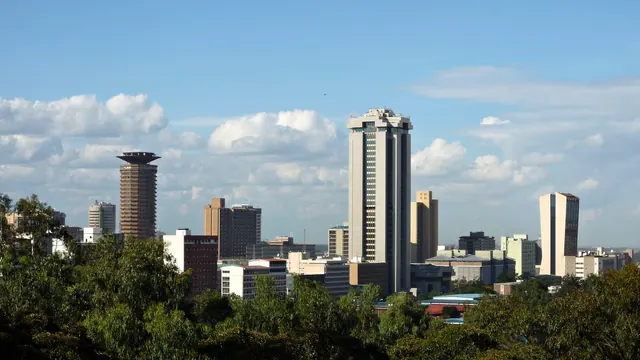
Photo: Timothy Akolamazima, CC BY-SA 4.0, cropped
Match
39
Every category weighted equally
- Beach & sun37
- Culture & arts39
- Food & nightlife41
- Family trip37
- Outdoors40
- Relax & unwind35
- Shopping & style38
- On a budget43
Kampala in twelve categories
Our verdict on each, scored 0 to 100 against the same fixed benchmark cities, so a score means the same thing on every page.
Beaches & swimming. Scores 12 out of 100.
Food & drink. Scores 42 out of 100.
Culture & sights. Scores 36 out of 100.
Nightlife. Scores 66 out of 100.
Nature & outdoors. Scores 56 out of 100.
Day trips. Scores 40 out of 100.
Good for families. Scores 28 out of 100.
Getting around. Scores 17 out of 100.
Shopping & style. Scores 34 out of 100.
Affordability. Scores 76 out of 100.
Live music & performing arts. Scores 40 out of 100.
Wellness & relaxation. Scores 20 out of 100.
Kampala category by category
Beaches & swimming
12Kampala sits a few kilometres from Lake Victoria, and the shore at Ggaba, Munyonyo and especially Entebbe, about forty minutes south, has sandy lakeside beaches with plastic chairs, grilled tilapia and weekend music. The water is warm, around 25°C all year, but the lake's shallows carry a risk of bilharzia, and most travellers are advised not to wade or swim there. Beach life here means a lazy afternoon watching the lake from a deckchair.
The Ssese Islands in the lake have quieter sandy shores, but the ferry from Entebbe takes several hours, so they suit an overnight stay rather than a day out. For actual swimming, visitors use hotel pools.
Food & drink
42Ugandan cooking is filling and starchy: steamed matooke (green banana), posho, groundnut sauce, beans and stews, with luwombo, meat or chicken slow-cooked in banana leaves, as the dish for special occasions. The thing every visitor ends up eating is the rolex, a chapati rolled around an omelette, made to order at roadside stands across the city. Evenings bring muchomo, skewers of grilled goat, beef and pork, eaten with a cold Nile Special or a local waragi gin.
Nakasero Market is the place to see the country's fruit and vegetables piled high, and the long-settled Indian community gives the city good South Asian cooking, alongside Ethiopian and other East African kitchens. Uganda is one of Africa's big coffee growers, and cafés in Kololo and Kisementi serve arabica from the slopes of Mount Elgon and the Rwenzoris alongside the robusta grown closer to the city. Fine dining is limited, and the scene rewards curiosity more than ambition.
Culture & sights
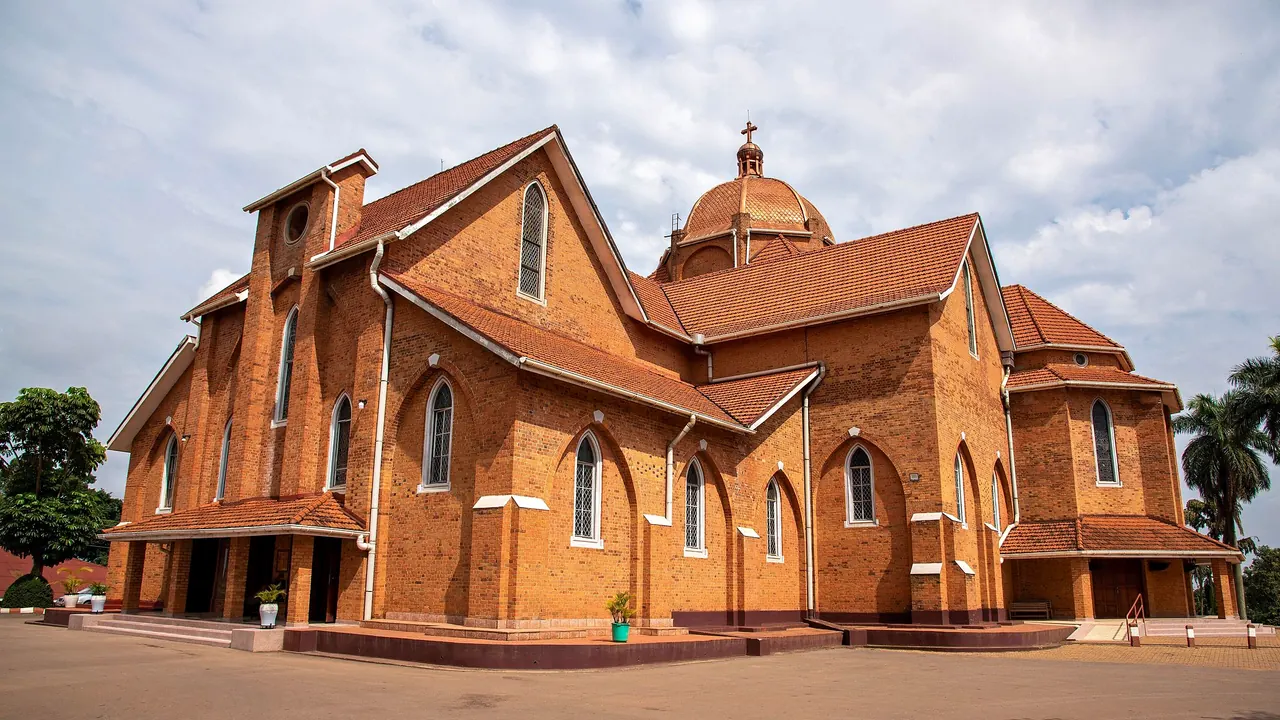
36Kampala's sights tell the story of the Buganda kingdom and of the faiths that arrived in the nineteenth century. The Kasubi Tombs, a UNESCO-listed thatched royal burial ground, are the most significant site, and the Kabaka's palace at Mengo and the Bulange parliament building are linked by a straight royal mile. The city is built across hills, and several are crowned by landmarks: the Anglican cathedral on Namirembe, the Catholic cathedral at Rubaga and the large national mosque on Old Kampala hill, whose minaret gives the best view over the city.
The Uganda Museum holds ethnographic collections and traditional instruments, and the Namugongo Martyrs Shrine, on the eastern edge, draws vast pilgrimages each June. Beyond these, the city is mostly modern and functional, and two or three days covers it.
Nightlife
66Kampala has a reputation across East Africa as a city that goes out, and goes out late. Bars fill early in the evening with after-work drinkers over grilled pork and beer, and the clubs get going after midnight and often run until dawn, on weeknights as well as weekends. Kabalagala and Ggaba Road are the rowdier end, with rows of open-fronted bars and dance floors; Kololo and the area around Acacia Avenue have smarter lounges and rooftops.
The soundtrack is Ugandan dancehall, Afrobeats and Congolese rhumba, and there is a small, adventurous electronic music scene. Nights are spread across the city, so getting between places means taxis or ride-hailing rather than walking, and keeping valuables close in crowded spots is sensible.
Nature & outdoors
56The city's outdoors centres on Lake Victoria. Boat trips go out from Entebbe and Ggaba to islands and papyrus channels, and the Mabamba wetland, about an hour and a half away, is one of the most reliable places in Africa to see the prehistoric-looking shoebill stork. Uganda's birdlife is exceptional, and even the city's hills and the old botanical garden at Entebbe reward anyone with binoculars.
Toward the east, the Nile leaves the lake at Jinja, where white-water rafting, kayaking and river trips are the big adventure draw, and the Mabira and Mpanga forests offer short forest walks. The gorillas, chimpanzees and savannah parks that bring most people to Uganda are many hours away, so Kampala is a starting point for them rather than a base.
Day trips
40Entebbe, the old colonial capital on a lakeshore peninsula, is the easiest outing: leafy streets, the botanical gardens, the wildlife education centre and boats out to Ngamba Island's chimpanzee sanctuary. Jinja, on the eastern side of the lake where the Nile begins, is the other classic day out, a quiet town of faded colonial-era and Indian shopfronts with the source of the Nile and river trips at its edge, around two to three hours away depending on traffic.
Southwest, the equator crossing at Kayabwe is a popular photo stop on the road toward the parks. Beyond these the list thins quickly, and the lake islands work better as an overnight stay. Kampala's congestion adds time to every departure, so early starts help.
Good for families
28Ugandans are openly warm toward children, and a family will meet friendliness everywhere. What is made for children is limited, though. The Uganda Wildlife Conservation Education Centre at Entebbe, essentially a zoo with lions, rhinos and chimpanzees, is the main attraction, and the boat to Ngamba Island to watch rescued chimps feeding suits older children. Lakeside weekend spots with playgrounds and grilled fish make easy afternoons, and hotel pools fill the rest.
The city itself is tiring with young children: heavy traffic, few pavements, steep hills and long journeys. Malaria is present all year, so prevention matters, and families usually find Kampala works best as a short stop before or after a safari.
Getting around
17Kampala spreads across a series of hills, and the sights are scattered among them, so walking between them is rarely practical; pavements are patchy and the roads are crowded. There is no metro, and the shared minibus taxis, which leave from two chaotic central taxi parks, are hard for a visitor to read. Traffic jams can turn a short distance into an hour.
Most travellers rely on ride-hailing apps, which offer both cars and boda boda motorbike taxis. Bodas are quick through the jams but carry a real accident risk, so a helmet is essential. Hiring a car with a driver for a day of sightseeing is a common and sensible choice.
Shopping & style
34Shopping in Kampala is about markets and crafts. The craft market beside the National Theatre gathers baskets, barkcloth, carved wood, beadwork and kitenge fabrics from across Uganda in one place. Owino Market, sprawling down the hill below the old taxi park, is an enormous warren of second-hand clothes and household goods, interesting more as an experience than for purchases, and Nakasero Market is good for colourful printed fabric.
A few small design studios sell modern Ugandan textiles, jewellery and homewares, and Kololo and Naguru have shopping malls of the ordinary international kind. There is no luxury or fashion street, and visitors who want more than souvenirs will find the range limited.
Affordability
76Eating like a local is very cheap: street rolex, market meals and local beer cost little, and boda boda rides and ride-hailing trips are inexpensive. Guesthouses and simple hotels are also good value.
The gap opens at the comfortable end. Well-run hotels in Kololo and Nakasero, restaurants aimed at expatriates, imported wine and anything branded cost close to European levels, and organised trips beyond the city, especially gorilla tracking permits, are a major expense. A traveller who stays local spends very little; one who wants international comfort pays much more.
Live music & performing arts
40The best performance for a visitor is traditional dance: a long-established troupe in Ntinda stages evening shows of drumming, song and dances from Uganda's many regions, a lively introduction to a country of dozens of cultures. The National Theatre hosts local plays, comedy and music, and stand-up comedy in English and Luganda is a popular night out with residents.
Live bands play in bars across the city on most nights, covering Afrobeat, kadongo kamu ballads and Congolese rhumba, and there is a small jazz and acoustic circuit. Opera, orchestras and large-scale theatre are essentially absent.
Wellness & relaxation
20Kampala has no bathing tradition, and wellness means hotel spas and massage parlours of varying quality. The city itself is noisy, traffic-heavy and fast, with music playing late into the night, so it is not a restful base.
Those wanting calm usually head to the lakeshore resorts at Munyonyo or to Entebbe, where gardens, lake views and a slower pace make for a quiet day or two before or after travelling upcountry.
When should you go?
Pick a month to see what it is like. The climate figures are measured averages, not a forecast.
Kampala in July
Daytime high, °C
Rainfall in the month, mm
The whole year
Shaded against this destination’s own year: the deepest cell is its best month for that figure and the palest its weakest.
Where the figures come from
Kampala's temperatures are measured 33 km from the centre, at Entebbe Airport.
Kampala has no rain gauge within 25 km of the centre, so its rainfall comes from a gridded climate dataset read at the destination rather than from a gauge further away.
Temperature and rainfall are climate normals, averaged over the years shown. Kampala: 1957-2025, 17 years observed (rainfall 1991-2020) normals, Entebbe Airport (32.7 km from centre).
Before you go
| Measure | Kampala |
|---|---|
| Official language | English, Swahili |
| Currency | Uganda Shilling (UGX) |
| Sockets | G240 V, 50 Hz |
| Driving side | Left |
| Time zone | UTC+3 |
| Emergency number | Police 112/999, ambulance 911, fire 112/999 |
| Elevation | 1,190 m |
| Main airport | Entebbe International Airport (EBB)34 km from centre27 non-stop destinations |
| Public holidays this year | 12 days |
By the numbers
| Measure | Kampala |
|---|---|
| Population | 1,680,600 |
| People per km² | 8,892 |
| Museums within 10 km | 4 |
| UNESCO World Heritage sites within 50 km | 1 |
Compare Kampala with
Every comparison with a written verdict behind it.