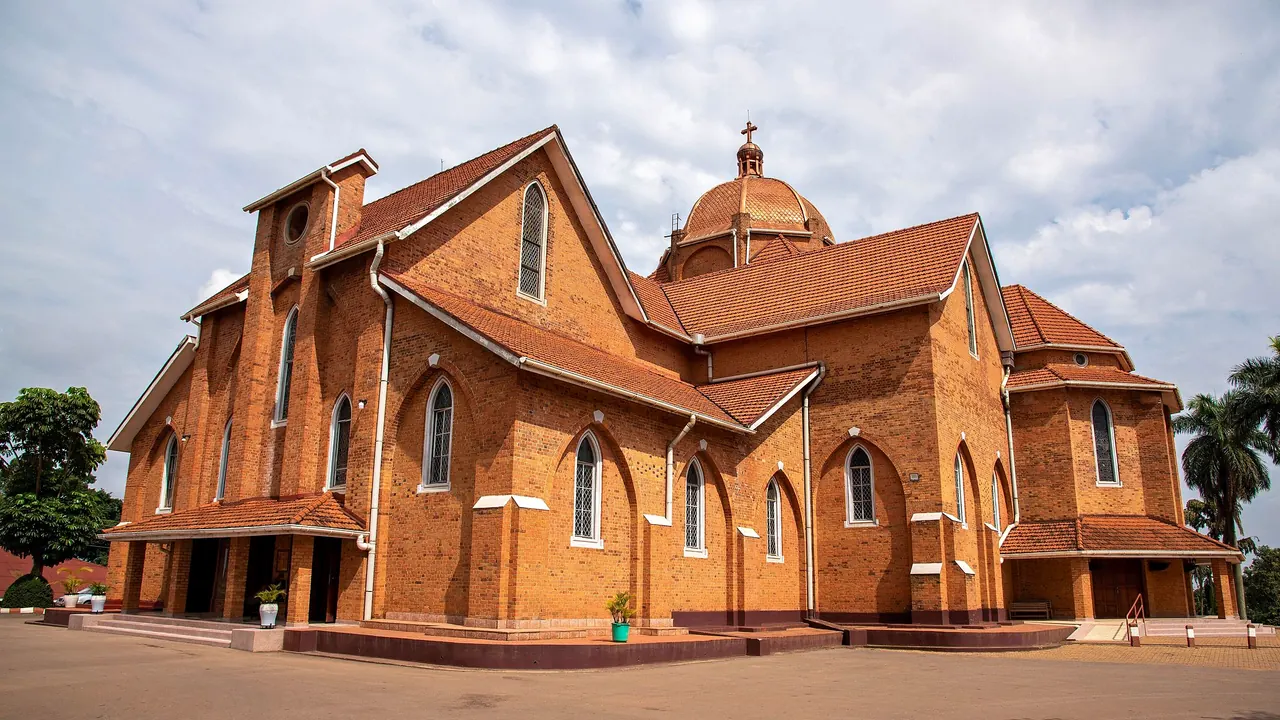
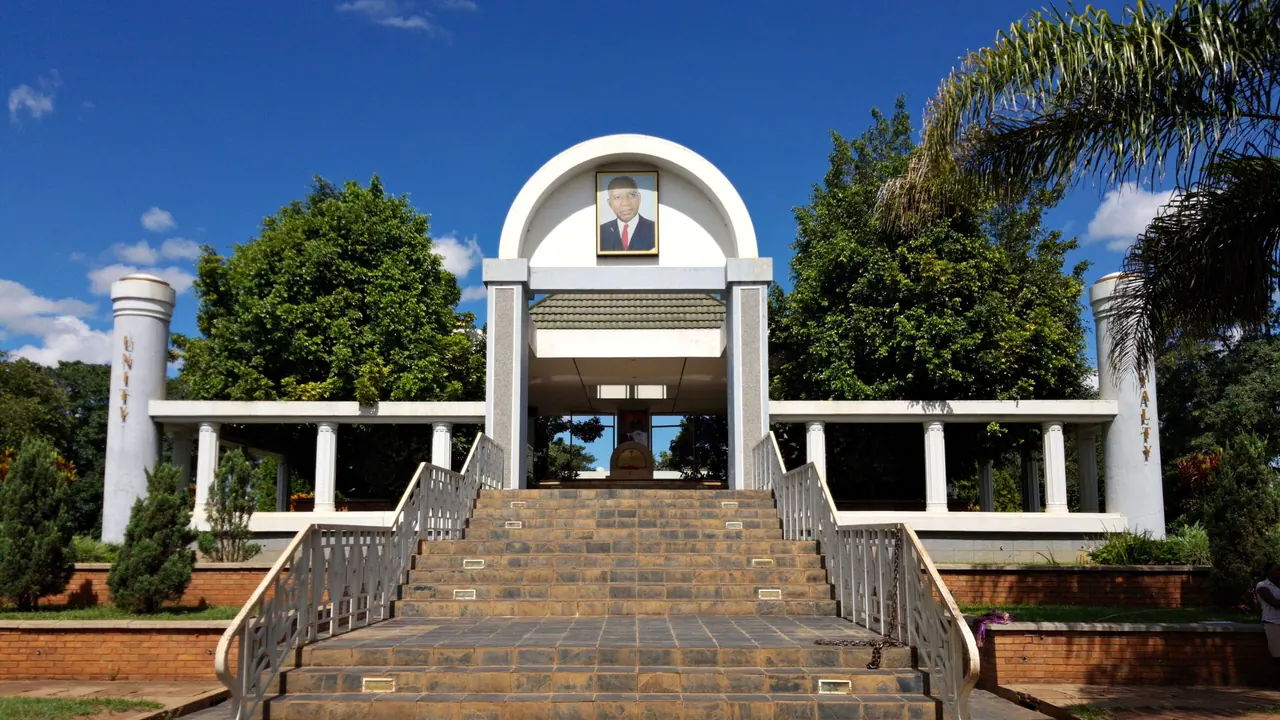
Photos: Kampala by Timothy Akolamazima, CC BY-SA 4.0, cropped; Lilongwe by ilf_, CC BY-SA 2.0, cropped.
Kampala or Lilongwe?
Our verdict in twelve categories, each scored against the same fixed benchmark cities, and the climate month by month, so you can choose for your trip.
Choose Kampala for
- nightlife
- live music and the arts
- culture and sights
Kampala suits the traveller who wants a city with some life in it before heading off on safari. It has the Buganda royal sites and hilltop cathedrals to fill two or three days, a late and loud night scene, live bands most evenings, and the Nile at Jinja and the shoebills of Mabamba within reach. It is also the more tiring place to stay, with heavy traffic and noise.
Choose Lilongwe for
- beaches
- wellness
Lilongwe is the quieter choice. It makes a calm, leafy stopover on the way to Lake Malawi, Dedza's hills or the parks, and it gives you very little to see in the city itself. Its strengths are a slow pace, garden lodges and an easier way into a lakeshore beach stay. Anyone expecting nightlife, museums or performance will find it thin.
Scoreboard
Twelve categories on one fixed scale from 0 to 100. The shaded stretch is the gap between the two.
Your match
Pick a travel style or drag the sliders, and both match scores follow your weighting.
Wins on nightlife and live music and the arts with your weighting.
Wins on beaches and wellness with your weighting.
What matters to you?
Category by category
What the scores mean for a trip.
Beaches & swimming
Neither city is a beach destination, but Lilongwe gives you the better chance of an actual swim. Lake Malawi's sandy shore at Senga Bay is about two hours away and lined with lodges. Bilharzia is a risk in places there, but you can check locally which stretches are safe for swimming.
Kampala's lakeside at Ggaba, Munyonyo and Entebbe is much closer, but Lake Victoria's shallows carry a bilharzia risk that rules out wading. A day there means grilled tilapia and a deckchair, and the swimming happens in a hotel pool.
Food & drink
Kampala gives a visitor more to eat. There are rolex stands on every corner, muchomo with a cold Nile Special in the evening, luwombo for special occasions and the produce piled high at Nakasero Market. Its long-settled Indian and Ethiopian communities, and cafés pouring Mount Elgon arabica, add range.
Lilongwe's cooking comes down to nsima with relishes and whole grilled chambo from the lake. That is good at roadside grills and around the Old Town market. Beyond that, the restaurants serve expatriates and rarely stand out, though Thyolo tea and a glass of thobwa are worth looking for.
Culture & sights
Kampala has a real story to follow. The Buganda kingdom's Kasubi Tombs, the Kabaka's palace and the Bulange along the royal mile, and the cathedrals and national mosque on separate hills make two or three full days of sightseeing.
Lilongwe is a planned capital from the 1970s, so its sights stop at the Kamuzu Mausoleum, Capital Hill and Old Town's market streets, and it has no major museums. Malawi's heritage is out of town, at Chongoni and Mua.
Nightlife
Kampala goes out late and often, even on weeknights. Open-fronted bars and dance floors line Kabalagala and Ggaba Road, smarter rooftops sit around Acacia Avenue, and clubs run until dawn to dancehall, Afrobeats and rhumba.
A night out in Lilongwe means a hotel bar, a backpacker lodge's garden or a weekend club in Area 47 or Area 10. It is pleasant enough for a drink and a dance. In both cities you take a taxi between stops, but in Lilongwe there are far fewer places worth getting to.
Nature & outdoors
Kampala has the stronger outdoors on its doorstep, and it centres on water. You can take boats among Lake Victoria's papyrus channels, look for shoebills in the Mabamba wetland, and go white-water rafting where the Nile leaves the lake at Jinja.
Lilongwe's options are drier and gentler. There are woodland trails at the wildlife centre, miombo birding and mountain biking in Dzalanyama, and hikes among Dedza's granite hills. In both cities, the big parks are many hours away.
Day trips
Kampala has the two stronger outings. Entebbe gives you botanical gardens and the boat to the Ngamba Island chimpanzees. Jinja has the source of the Nile and its river trips, though city traffic adds time to every departure.
Lilongwe's day trips run south down one road. Dedza's pottery, the Chongoni rock-art shelters and the Gule Wamkulu masks at Mua's KuNgoni Centre are culturally rich but few, and the lake is best left for an overnight stay.
Good for families
For families the two are much alike. In both, people are openly warm towards children but there are few attractions for them, malaria is present all year, and the city works best as a short stop before a safari or the lake.
What differs is the outing. Kampala's Entebbe centre has lions, rhinos and chimps, and the Ngamba boat suits older children. Lilongwe has a single wildlife sanctuary with woodland walks, which is easier with small children but quickly done.
Getting around
Both cities are hard to get around without a car. In each, visitors rely on ride-hailing or a car with a driver rather than the crowded minibuses. The obstacles differ: Kampala's are hills and traffic jams, which make boda bodas tempting despite the accident risk, while Lilongwe's are distance, with districts kilometres apart and streets that are dark at night.
Shopping & style
Kampala offers a wider choice of crafts. The craft market by the National Theatre gathers Ugandan baskets, barkcloth and beadwork in one place, and a few small studios sell modern textiles and homewares. Owino Market is worth walking through for the experience alone.
Lilongwe's buys are carvings, chief's stools and soapstone from Old Town stalls, along with Dedza pottery from lodge and gallery shops. The haggling is good-natured, but the choice runs out sooner, and neither city has any fashion shopping.
Affordability
Both cities are very cheap if you live locally, and Kampala goes a little further. Street rolex and boda rides cost very little, though comfortable hotels and gorilla permits are expensive.
Lilongwe's backpacker lodges are cheap too. Its car-dependence pushes up costs, though, since every outing needs a taxi or driver, and the few comfortable hotels charge international rates.
Live music & performing arts
Kampala has an actual stage. There are evening traditional dance shows in Ntinda drawn from Uganda's many cultures, plays and comedy at the National Theatre, and live Afrobeat, kadongo kamu and rhumba in bars on most nights.
Lilongwe has no regular season. Its music comes in occasional weekend shows at hotel gardens or the convention centre, and the Gule Wamkulu masked dances belong to village ceremonies rather than to any city venue.
Wellness & relaxation
Treatments in Kampala are hit and miss. The hotel spas are dependable, but the many massage parlours vary widely in quality, so it is worth asking your hotel where to go. For a real pause, the lakeshore resorts south of the city have gardens and wide views over Lake Victoria. They make a good day of rest before or after the long drives upcountry.
Lilongwe comes out slightly ahead, mostly because the city itself doesn't tire you out. The larger hotels offer massages and treatments, and a few day spas are tucked into the residential areas. For several days of proper rest, most people take the road east to the lodges on Lake Malawi, where the setting does more for you than any treatment room.
When should you go?
Pick your month. The climate figures are measured averages, not a forecast.
Kampala in July
Lilongwe in July
Daytime high, °C
Rainfall in the month, mm
Where the figures come from
Kampala's temperatures are measured 33 km from the centre, at Entebbe Airport.
Kampala has no rain gauge within 25 km of the centre, so its rainfall comes from a gridded climate dataset read at the destination rather than from a gauge further away.
Lilongwe's station stands 179 m above the city centre, so the centre is likely a little warmer than the figures say.
Temperature and rainfall are climate normals, averaged over the years shown. Kampala: 1957-2025, 17 years observed (rainfall 1991-2020) normals, Entebbe Airport (32.7 km from centre). Lilongwe: 1982-2025 (rainfall 1961-1990) normals, Lilongwe International Airport (22.6 km from centre).
Kampala barely changes temperature, with highs of 26°C to 27°C in every month, so the timing comes down to rain. It has two wet seasons, from March to May (April is the wettest at about 175mm) and from September to November, and two drier spells, December to February and June to August. Those drier spells are the best time for walking its hills and making road trips out of the city.
Lilongwe follows one long cycle instead. The rains run from November to March and peak in January at about 230mm, and then the country dries out almost completely from May to October. June and July are the coolest months, at around 23°C, and they are the most comfortable for walking and hiking. October and November build up to about 30°C before the rains break. So the middle of the year suits both cities, and Lilongwe's dry season is far drier and more dependable.
Which traveller are you?
On a food and nightlife trip, Kampala is the clear pick. Rolex stands, muchomo skewers and good Indian cooking fill the day, and the nights go on until dawn in Kabalagala's bars and Kololo's rooftops. Lilongwe's quiet weekend lounges don't compare.
For a culture and arts trip, choose Kampala. The UNESCO-listed Kasubi Tombs, the royal mile at Mengo and the hilltop cathedrals and mosque give it real substance, and evening traditional dance shows and live bands add to it. Lilongwe has a few monuments and no regular stage.
On a relaxing and wellness trip, Lilongwe is the gentler base. Its leafy suburbs and shaded lodge gardens are restful, and the Lake Malawi shore at Senga Bay is about two hours away. Kampala is noisy and fast, and you have to escape to Munyonyo or Entebbe for any calm.
Before you go
| Measure | Kampala | Lilongwe |
|---|---|---|
| Official language | English, Swahili | English, Chewa, Tumbuka |
| Currency | Uganda Shilling (UGX) | Malawi Kwacha (MWK) |
| Sockets | G240 V, 50 Hz | G230 V, 50 Hz |
| Driving side | Left | Left |
| Time zone | UTC+3 | UTC+2 |
| Emergency number | Police 112/999, ambulance 911, fire 112/999 | Police 990/997, ambulance 998, fire 999 |
| Elevation | 1,190 m | 1,050 m |
| Main airport | Entebbe International Airport (EBB)34 km from centre27 non-stop destinations | Kamuzu International Airport (LLW)22 km from centre9 non-stop destinations |
| Public holidays this year | 12 days | 11 days |
By the numbers
| Measure | Kampala | Lilongwe |
|---|---|---|
| Population | 1,680,600 | 989,318 |
| People per km² | 8,892 | 1,359 |
| Museums within 10 km | 4 | 0 |
| UNESCO World Heritage sites within 50 km | 1 | 0 |
Where else could you go?
Every comparison below shares a destination with this one, so you can follow Kampala or Lilongwe somewhere new.
- Lake Malawivs Lilongwe
- Kigalivs Kampala
- Nairobivs Kampala
- Arushavs Kampala
- Dar es Salaamvs Kampala
- Maputovs Lilongwe