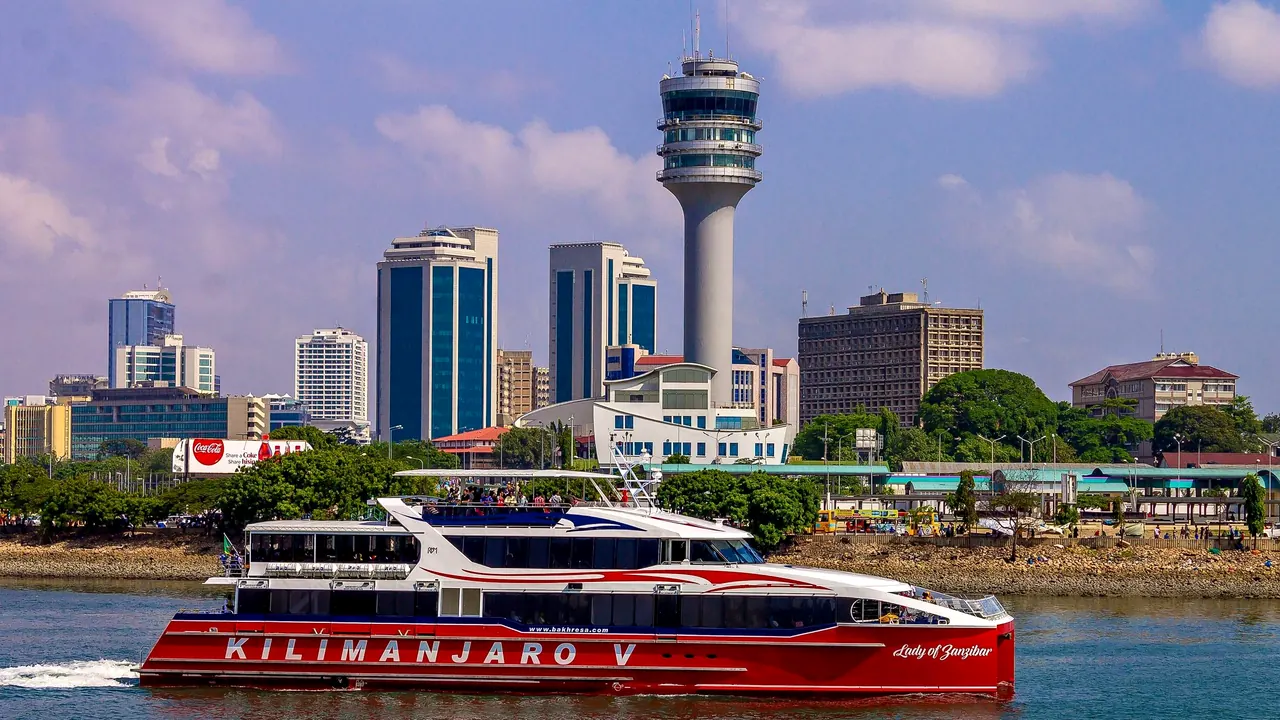
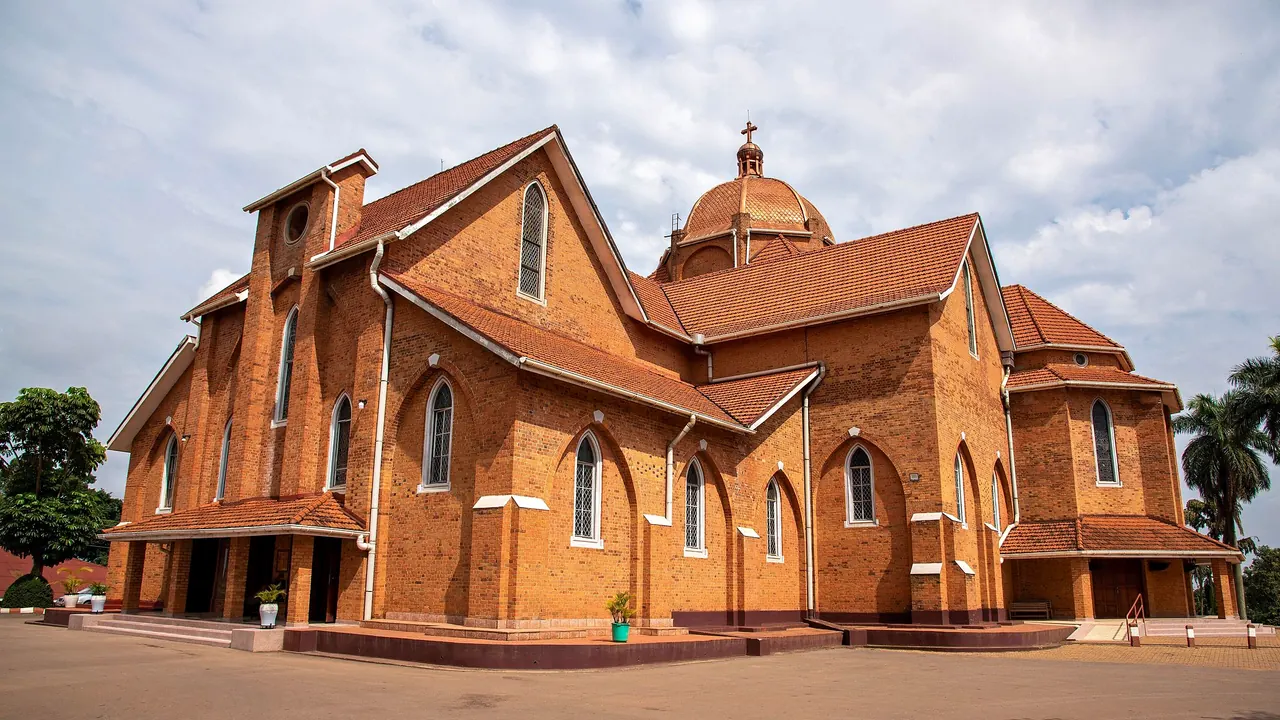
Photos: Dar es Salaam by Dicksonpicha, CC BY-SA 4.0, cropped; Kampala by Timothy Akolamazima, CC BY-SA 4.0, cropped.
Dar es Salaam or Kampala?
Our verdict in twelve categories, each scored against the same fixed benchmark cities, and the climate month by month, so you can choose for your trip.
Choose Dar es Salaam for
- beaches
- getting around
- food and drink
Dar es Salaam suits the traveller who wants the Indian Ocean as part of the trip. Warm sea, boat rides to white-sand islands, reef snorkelling and Zanzibar's Stone Town within a ferry ride make it the better base for a coastal vacation. It is also slightly easier to get around, and the Swahili and Indian cooking gives it the stronger table.
Choose Kampala for
- nightlife
- nature and the outdoors
- live music and the arts
Kampala is the choice for people who care more about nights out and the land than the shore. Its bars and clubs run late even on weeknights, and the Buganda royal sites give it more to see. The lake, the shoebill marshes and the Nile at Jinja make better outings for birders and rafters. It is also the cheaper of the two if you eat and travel the way locals do, though swimming there means a hotel pool.
Scoreboard
Twelve categories on one fixed scale from 0 to 100. The shaded stretch is the gap between the two.
Your match
Pick a travel style or drag the sliders, and both match scores follow your weighting.
Too close to call, 2 points apart
Wins on beaches and getting around with your weighting.
Wins on nightlife and nature and the outdoors with your weighting.
What matters to you?
Category by category
What the scores mean for a trip.
Beaches & swimming
Dar es Salaam has real sea swimming, though not on the city's own shore, where Coco Beach is more of a promenade than a bathing beach. The good sand is on the uninhabited islands of Bongoyo and Mbudya, a short boat ride from Msasani. There are also the quieter Kigamboni beaches across the harbour and the resort strip at Kunduchi. Expect a big tide that you have to plan swims around.
Kampala's lakeside beaches at Ggaba, Munyonyo and Entebbe are for sitting, not swimming. Bilharzia in Lake Victoria's shallows means you watch the water from a plastic chair with a plate of tilapia and take your dip in a hotel pool.
Food & drink
Both cities share a grilled-meat evening ritual and long-settled Indian communities, but Dar es Salaam eats better. Its coastal Swahili cooking brings coconut curries, octopus and fish fried straight off the boats at the Kivukoni market. Upanga and the streets around Kariakoo add biryani and sweet shops.
Kampala's cooking is heavier and starchier, built on matooke, posho and groundnut sauce. Its best moments are the rolex made to order at the roadside and muchomo skewers in the evening. Its own advantage is coffee: Ugandan arabica from Mount Elgon and the Rwenzoris, served in the cafés of Kololo and Kisementi.
Culture & sights
Kampala has the more coherent story to explore. The UNESCO-listed Kasubi Tombs, the royal mile from the Kabaka's palace to the Bulange, and the cathedrals and the national mosque on the hilltops all trace the Buganda kingdom and the faiths that arrived in the nineteenth century.
Dar es Salaam's highlights are the Olduvai fossils in the National Museum and a short walk past German-era churches and colonial buildings by the harbour. The coast's deeper Swahili history lies out of town, in Stone Town and Bagamoyo.
Nightlife
Kampala is the place for going out. Its bars fill straight after work and its clubs run until dawn on weeknights too, from the rowdy strips of Kabalagala and Ggaba Road to the rooftop lounges of Kololo. The music mixes Ugandan dancehall, Congolese rhumba and a small electronic scene.
Dar es Salaam goes out properly only on Fridays and Saturdays. Expatriates head for the beach lounges of Masaki, and locals for the beer gardens and bongo flava clubs of Sinza and Mwenge. In both cities you get between venues by taxi.
Nature & outdoors
Kampala has the richer outdoors on land. The Mabamba wetland is one of Africa's surest places to see a shoebill. Boats thread through papyrus channels on Lake Victoria, and Jinja, where the Nile leaves the lake, adds rafting, kayaking and forest walks in Mabira.
Dar es Salaam's nature is mostly offshore: coral and reef fish around the marine reserve islands, dhow trips past the mangroves and kitesurfing on the trade winds. Inland the land is flat suburb, with only the Pugu Hills for birding. Neither city is a base for safaris.
Day trips
Dar es Salaam has the single best outing of the two: Stone Town on Zanzibar, with its carved doors, coral-stone lanes and old slave market, two hours away by fast ferry. Bagamoyo's caravan-route history and the Kaole ruins add a second strong day.
Kampala's outings are pleasant rather than remarkable. Entebbe has its botanical gardens and the boat to the Ngamba chimpanzee sanctuary, and Jinja has the source of the Nile. After that the choice drops to a photo stop at the equator.
Good for families
Families will find these two much alike: both are places to pass through on the way to a safari or the coast, with malaria precautions, heavy traffic and few pavements to deal with. The difference is in kind. In Dar es Salaam children get boat rides to the islands, resort pools and a water park. In Kampala they get animals, at the Entebbe wildlife education centre and on the Ngamba chimp trip, which suits older children.
Getting around
Neither city is easy, but Dar es Salaam is less of a struggle. Its rapid bus lanes move quickly along the main roads, and the old harbour centre can be walked, even if the beaches, Masaki and the museums are far apart.
Kampala is spread over steep hills, has no transit that a visitor can easily use, and its minibus taxi parks are confusing. Most visitors use ride-hailing, either cars or boda bodas, which beat the jams but are risky. Hiring a car with a driver for the day is often the most sensible choice.
Shopping & style
Both are about markets and crafts rather than fashion, and Dar es Salaam has a little more to take home. There are Makonde ebony carvings from the Mwenge workshops, Tingatinga paintings in the style the city invented, and kanga cloth that is cheap to have tailored. Kariakoo is a whole trading district worth seeing.
Kampala's strength is the craft market by the National Theatre, which gathers barkcloth, baskets and beadwork from across Uganda in one place. Owino Market, its sprawling second-hand counterpart, is more of a spectacle than a place to buy.
Affordability
Kampala is the cheaper city day to day. A rolex from a street stand, a market lunch, local beer and short boda rides cost very little, and simple guesthouses are good value. Gorilla permits are the big cost, but they belong to the trip upcountry, not to the city.
Dar es Salaam is cheap at street level too, but its main attractions are where the money goes. Island boat trips, Kigamboni beach resorts and dinners in Masaki and Oyster Bay are priced closer to Western levels.
Live music & performing arts
Kampala is easier for a visitor to plan around. A long-running troupe in Ntinda puts on evening shows of drumming and dances from Uganda's regions, the National Theatre has plays and comedy, and live bands play kadongo kamu and rhumba most nights.
Dar es Salaam has the bigger musical name as the home of bongo flava and coastal taarab, but performances are irregular and mostly limited to weekends. For traditional performance, go to the arts college in Bagamoyo or a festival on Zanzibar.
Wellness & relaxation
Neither city is a place to unwind. Both are loud and congested, and offer only hotel spas, so the calm is found outside town. From Dar es Salaam it means a few days at the sea on the Kigamboni coast, living by the tides. From Kampala it means lake views and gardens at Munyonyo or Entebbe, with milder air but no swimming.
When should you go?
Pick your month. The climate figures are measured averages, not a forecast.
Dar es Salaam in July
Kampala in July
Daytime high, °C
Rainfall in the month, mm
Where the figures come from
Kampala's temperatures are measured 33 km from the centre, at Entebbe Airport.
Kampala has no rain gauge within 25 km of the centre, so its rainfall comes from a gridded climate dataset read at the destination rather than from a gauge further away.
Temperature and rainfall are climate normals, averaged over the years shown. Dar es Salaam: 1991-2020 normals, Dar Es Salaam Airport (10.5 km from centre). Kampala: 1957-2025, 17 years observed (rainfall 1991-2020) normals, Entebbe Airport (32.7 km from centre).
Dar es Salaam is hot all year, with daytime highs from 30°C in the middle of the year to 33°C around the turn of the year. The best stretch is June to October, when it is driest, sunniest and a little less sticky, and the sea is still pleasant for swimming. The long rains run from March to May and peak in April at about 266mm, and a shorter wet spell returns in November and December. January and February are fairly dry but at their hottest, which makes walking around town tiring.
Kampala stays mild because it sits high up, at about 26°C every month, so it is never too hot for walking the streets. Rain comes in two seasons, much like on the coast: the heaviest is March to May, peaking at about 175mm in April, and the second is September to November. December to February and June to August are the drier windows. For the beach, June to October in Dar is the clear choice. For comfortable city days, Kampala is good almost any month outside the rains.
Which traveller are you?
For a beach and sun trip, Dar es Salaam is the only real choice. Stay on the coast outside town rather than in the city itself, plan your swims around the tides and keep a day free for the islands. Kampala's lake is for looking at, not swimming in.
On an outdoors trip, Kampala is the better pick, above all for birders and anyone who wants adventure on the river. Lake and river outings can fill several days, and the city is the starting point for Uganda's gorilla parks. Dar es Salaam suits people who want their outdoors at sea.
On a trip with a tight budget, Kampala fits better. In Dar es Salaam the best of the trip is offshore, so you end up choosing between island boats and resort days. Kampala's best things need no extras: the royal mile, the hilltop cathedrals and late nights in Kabalagala.
Before you go
| Measure | Dar es Salaam | Kampala |
|---|---|---|
| Official language | English, Swahili | English, Swahili |
| Currency | Tanzanian Shilling (TZS) | Uganda Shilling (UGX) |
| Sockets | G230 V, 50 Hz | G240 V, 50 Hz |
| Driving side | Left | Left |
| Time zone | UTC+3 | UTC+3 |
| Emergency number | Police 112, ambulance 115, fire 114 | Police 112/999, ambulance 911, fire 112/999 |
| Elevation | 12 m | 1,190 m |
| Main airport | Julius Nyerere International Airport (DAR)10 km from centre39 non-stop destinations | Entebbe International Airport (EBB)34 km from centre27 non-stop destinations |
| Public holidays this year | 13 days | 12 days |
By the numbers
| Measure | Dar es Salaam | Kampala |
|---|---|---|
| Population | 4,715,000 | 1,680,600 |
| People per km² | 3,385 | 8,892 |
| Museums within 10 km | 3 | 4 |
| UNESCO World Heritage sites within 50 km | 0 | 1 |
| Swim season, months above 21 °C | 12 months | - |
Where else could you go?
Every comparison below shares a destination with this one, so you can follow Dar es Salaam or Kampala somewhere new.
- Zanzibarvs Dar es Salaam
- Stone Townvs Dar es Salaam
- Mombasavs Dar es Salaam
- Kigalivs Kampala
- Arushavs Dar es Salaam
- Nairobivs Kampala