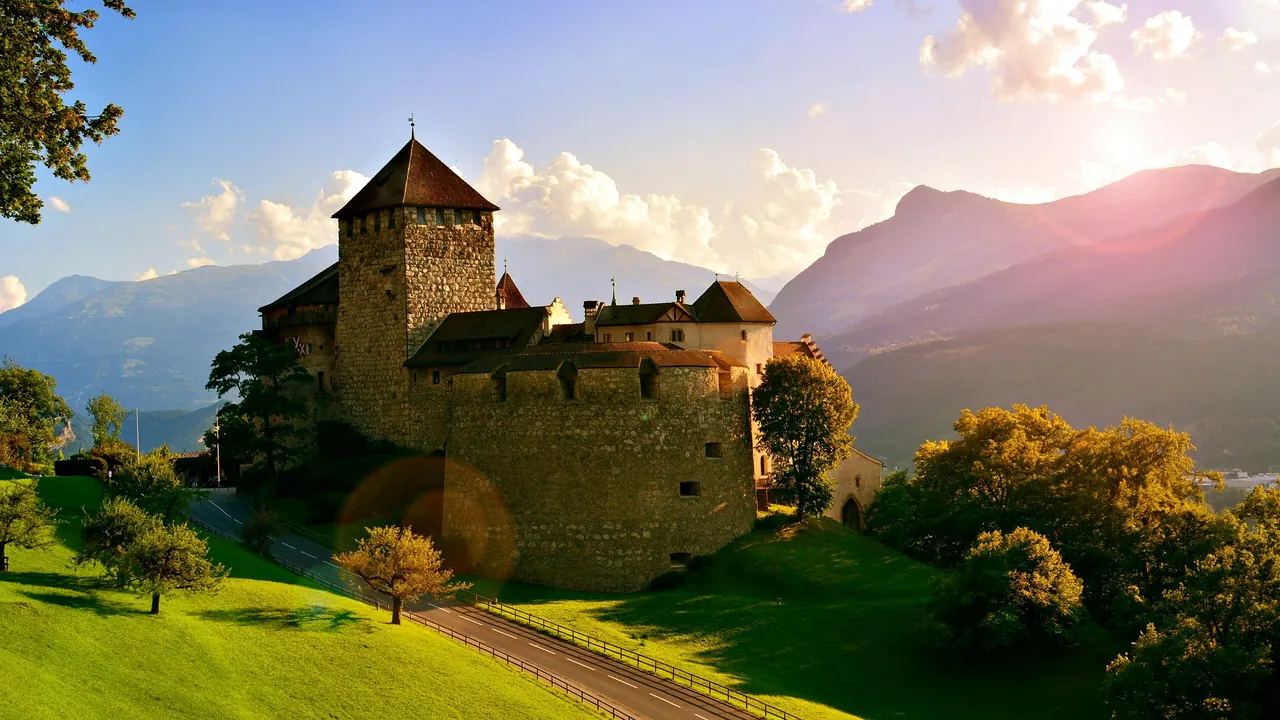
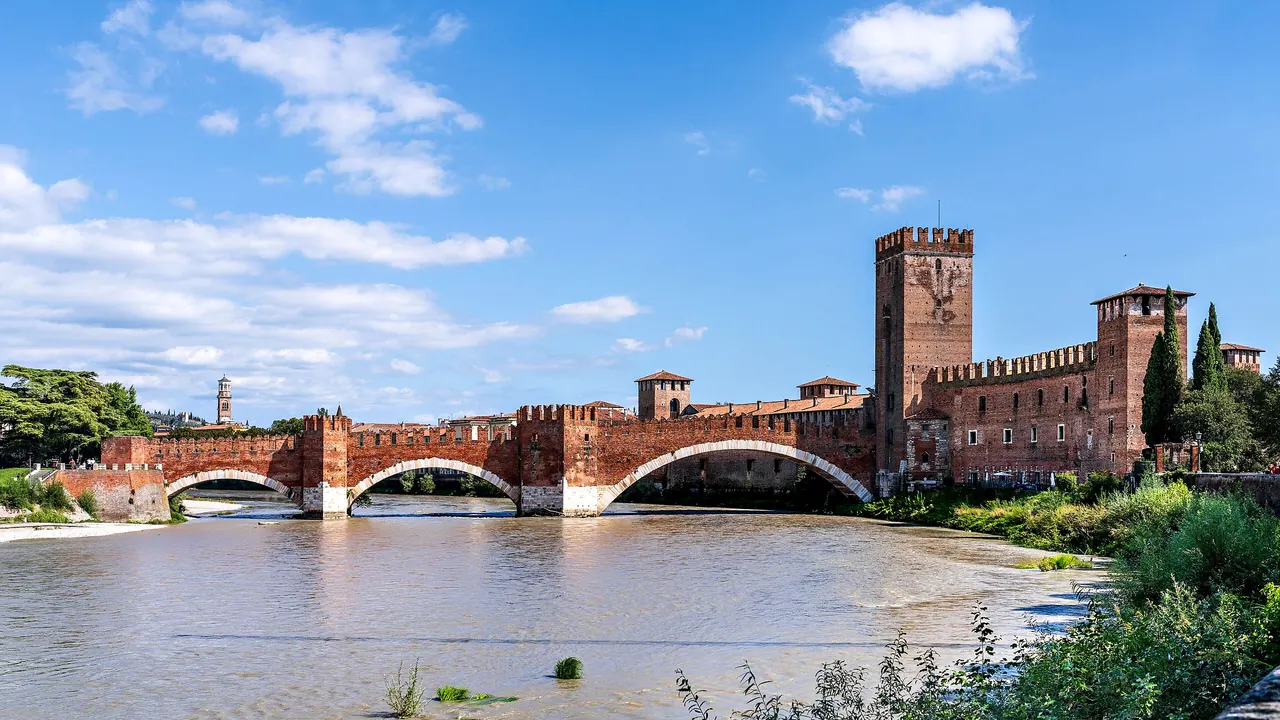
Photos: Vaduz by Justin LaBerge, CC BY 2.0, cropped; Verona by NorbertNagel, CC BY-SA 4.0, cropped.
Vaduz or Verona?
Our verdict in twelve categories, each scored against the same fixed benchmark cities, and the climate month by month, so you can choose for your trip.
Choose Vaduz for
- nature and the outdoors
Vaduz suits travellers who want the mountains more than the town. Trails start at the edge of the centre, the Rätikon peaks and the ski slopes at Malbun are half an hour up the road, and evenings are quiet and early. It is a calm, very safe base for walkers and cyclists. It is also expensive, and anyone who wants more than a day of sights or more than a couple of dinners out will soon run short of things to do.
Choose Verona for
- culture and sights
- live music and the arts
- food and drink
Verona is the better choice for almost every other kind of trip. It has a Roman and medieval centre you can easily fill two or three days with, the Veneto's cooking and wines, summer opera in the Arena, and fast trains to Venice, Padua and Vicenza. Lake Garda and the theme parks close by add swimming and things for children to do. Gentle hills replace high Alpine walking, and the bills are noticeably lower.
Scoreboard
Twelve categories on one fixed scale from 0 to 100. The shaded stretch is the gap between the two.
Your match
Pick a travel style or drag the sliders, and both match scores follow your weighting.
Wins on nature and the outdoors with your weighting.
Wins on culture and sights and live music and the arts with your weighting.
What matters to you?
Category by category
What the scores mean for a trip.
Beaches & swimming
Neither city is a beach destination, but Verona gets you to the water more easily and the water is warmer. The southern shore of Lake Garda is half an hour away by car or train, with lidos, lawns, small pebble beaches and Sirmione's flat limestone shelves, and the season runs through the summer months.
From Vaduz, a swim means an open-air municipal pool or a drive to the cooler Walensee, below its steep mountain walls, or to Lake Constance. Its season is shorter than Garda's.
Food & drink
Verona offers much more to eat. It has a regional kitchen of its own, with Amarone risotto, bigoli with duck, bollito misto with pearà and pastissada, served in old osterie around Piazza delle Erbe and in Veronetta. Valpolicella, Soave and Bardolino are made just outside the city, so the aperitivo with snacks at a counter is part of daily life. Its weak point is the tourist cooking around the Arena.
Vaduz has a few hotel dining rooms, restaurants on the Städtle and hill inns serving Käsknöpfle, rösti and game. The cooking is reliable but there is little variety. Its one real pleasure is the prince's own Pinot Noir from the slopes below the castle.
Culture & sights
This is where the two cities differ most. Verona's UNESCO-listed centre layers Roman, medieval and Renaissance buildings inside a loop of the Adige: the Arena on Piazza Bra, the Roman theatre on the hillside, the Scaliger tombs, the bronze doors of San Zeno and Carlo Scarpa's Castelvecchio. It deserves two or three days.
Vaduz takes a single unhurried day, but what it has is different in kind. The Kunstmuseum and the Hilti Art Foundation hold modern and contemporary art of a sort Verona does not offer. Add the National Museum, the Postage Stamp Museum and the walk up to the castle, which is closed to visitors.
Nightlife
Neither city is for clubbing, but Verona at least has evenings out. People take a spritz or a glass of Valpolicella in Piazza delle Erbe and along the river, and Veronetta's student bars stay busy later. On summer opera nights the crowd leaving the Arena near midnight livens up the centre again.
Vaduz has a few wine bars and hotel lounges on the Städtle and then goes quiet. Anyone wanting a late night has to cross to Feldkirch or go on to Zurich.
Nature & outdoors
Vaduz has the mountains right on its doorstep. Paths climb from the town centre through vineyards and forest, and the road reaches Triesenberg and Malbun in about half an hour. From there come high Rätikon walks, the exposed Fürstensteig and a trail that crosses the whole country in a few days, plus skiing in winter and flat cycling along the Rhine dam.
Verona's countryside is gentler. There are walks and rides through the Valpolicella hills, the Adige cycle route north, and Lessinia's pastures and gorges. For real heights you need the hour's drive to Monte Baldo above Garda, which also has sailing and windsurfing at the lake's northern end. The Dolomites are too far for a comfortable day.
Day trips
Both make good bases, but Verona's day trips are more famous and easier to reach. Venice is about an hour and ten minutes by train, Vicenza's Palladian buildings and Padua's Scrovegni Chapel are closer still, and Mantua is under an hour away. The Garda towns and the cellars of Valpolicella and Soave are nearby, and the railway handles most of these trips.
Vaduz has a good mix of three countries: arcaded Feldkirch, the baroque abbey library at St Gallen, the painted houses of Appenzell, Chur, and Lindau and Bregenz on Lake Constance. Bus and train journeys usually involve a change at Buchs or Sargans, so a car helps.
Good for families
Verona has far more for children, although most of it is outside the city. Gardaland and the water parks around southern Garda are half an hour away, and Parco Natura Viva has a drive-through safari. The Arena and the Roman theatre tend to hold a child's attention too.
Vaduz is calm, clean and easy with a pushchair, but nothing there is built for children. Families do best outdoors: at the pools, on easy walks above Triesenberg or on the beginner slopes at Malbun. It suits older children who enjoy hiking.
Getting around
You can see both centres on foot. Vaduz is one short pedestrian street, and Verona's river loop is flat, largely closed to traffic and a few minutes' walk across to Veronetta. The real difference is the railway. Verona's Porta Nuova station puts Venice, Milan and the lake within easy reach.
Vaduz has no station of its own. A tidy bus network covers the country and climbs to Malbun, but anywhere further means connecting at Buchs, Sargans or Feldkirch. In both places a car is the easy way to reach the rural spots: the Valpolicella and Lessinia around Verona, the wider valley around Vaduz.
Shopping & style
Verona is a real if modest place to shop. Via Mazzini's marble paving is lined with Italian fashion labels, and Corso Porta Borsari has boutiques, jewellers and shoe shops. Amarone, Garda olive oil and pandoro make the best things to take home.
Vaduz has a few shops on the Städtle selling watches, jewellery and its famous stamps, and a bottle of local wine is the best souvenir. Serious shoppers from Verona head to Milan, and from Vaduz to Zurich.
Affordability
Verona is the cheaper of the two by a wide margin, though it is not a bargain. Wine counters, Veronetta's osterie and a walkable centre keep daily spending reasonable. Hotels in the historic centre are dear, especially on opera nights and during trade fairs, and staying near the station or across the river helps.
In Vaduz, Swiss price levels apply to everything from a room to a simple lunch, and with so few hotels there is almost no budget option. Many visitors save by sleeping in Austria.
Live music & performing arts
Verona has one of Europe's great summer events. Grand opera by Verdi, Puccini and Bizet plays to thousands in the Roman Arena on most evenings from June to early September, and the Roman theatre adds Shakespeare, dance and jazz outdoors. In the cooler months the Teatro Filarmonico keeps a smaller season going.
Vaduz offers a respectable but small programme: the national stage in neighbouring Schaan, a short orchestral season, a summer classical festival and the occasional church concert. You will find something to see over a week, but it is not a reason to go.
Wellness & relaxation
The two are fairly level, and both rely on thermal water just outside town. From Vaduz, the large public thermal bath at Bad Ragaz is about twenty-five minutes away, fed by warm spring water from the Tamina gorge. Days of hill walking and silent evenings make the town itself restful.
Verona has more spa choice: Sirmione's thermal pools facing Lake Garda, a spring-fed lake in an old villa garden near Lazise, and the springs at Caldiero. Here the relaxation comes from long lunches and the riverside passeggiata, except when summer crowds fill the area around the Arena.
When should you go?
Pick your month. The climate figures are measured averages, not a forecast.
Vaduz in July
Verona in July
Daytime high, °C
Rainfall in the month, mm
Where the figures come from
Vaduz's temperatures are measured 51 km from the centre, at Sigmarszell-Zeisertsweiler.
Vaduz has no rain gauge within 25 km of the centre, so its rainfall comes from a gridded climate dataset read at the destination rather than from a gauge further away.
Temperature and rainfall are climate normals, averaged over the years shown. Vaduz: 1991-2020 normals, Sigmarszell-Zeisertsweiler (51.3 km from centre). Verona: 1991-2020 normals, Verona / Villafranca (11.6 km from centre).
Vaduz is mild rather than hot in summer, with afternoons around 24°C in July and August. These are good months for walking in the hills, but they are also the wettest, with showers and storms bringing about 126mm in August. September is drier and still pleasant for hiking. In December and January daytime highs are around 4°C. That is chilly for long strolls round town, but it is the season for skiing at Malbun. There is little sunshine from November to January.
Verona warms up earlier and gets much hotter. In July and August afternoons reach 30°C, which suits a swim in Lake Garda but makes long walks round the sights tiring, so May and September are the best months for exploring the city. Its summers are sunnier and drier than Vaduz's, and its wettest stretch comes in autumn, from September to November. Its winters are cool but milder and brighter than on the Alpine side, so the streets stay pleasant for walking in the months when Vaduz is cold.
Which traveller are you?
For an outdoors trip, Vaduz is the clear pick. You can walk out of town into the vineyards and beech forest, the high Rätikon ridges and the Fürstensteig path are half an hour away, and Malbun and the nearby Swiss resorts cover skiing in winter.
On a culture and arts trip, choose Verona. The Arena, the Roman theatre, San Zeno and Castelvecchio fill several days, and summer opera on the ancient tiers adds the evenings. Vaduz's two art museums and its short list of sights take a single day.
On a tight budget, Verona is far easier to manage. Wine counters, Veronetta's student osterie and a walkable centre keep daily costs down. In Vaduz, Swiss-level prices for every room and lunch leave few cheap options apart from staying in Austria.
Before you go
| Measure | Vaduz | Verona |
|---|---|---|
| Official language | German | Italian |
| Currency | Swiss Franc (CHF) | Euro (EUR) |
| Sockets | CJ230 V, 50 Hz | CFL230 V, 50 Hz |
| Driving side | Right | Right |
| Time zone | UTC+1, UTC+2 in summer | UTC+1, UTC+2 in summer |
| Emergency number | 112 | 112 |
| Elevation | 455 m | 59 m |
| Main airport | Zürich Airport (ZRH)81 km from centre226 non-stop destinations | Verona Villafranca Valerio Catullo Airport (VRN)10 km from centre95 non-stop destinations |
| Public holidays this year | 21 days | 13 days |
By the numbers
| Measure | Vaduz | Verona |
|---|---|---|
| Population | 5,668 | 255,588 |
| People per km² | 328 | 1,285 |
| Museums within 10 km | 7 | 18 |
| UNESCO World Heritage sites within 50 km | 3 | 5 |
Where else could you go?
Every comparison below shares a destination with this one, so you can follow Vaduz or Verona somewhere new.