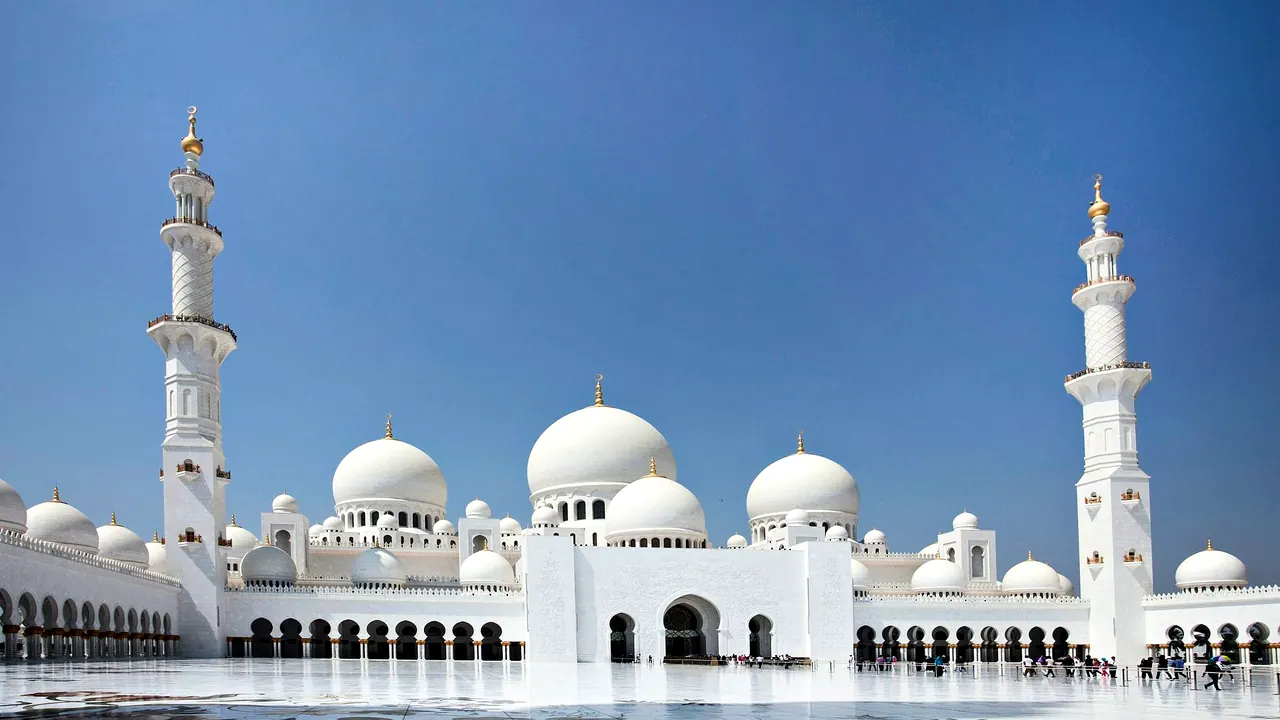
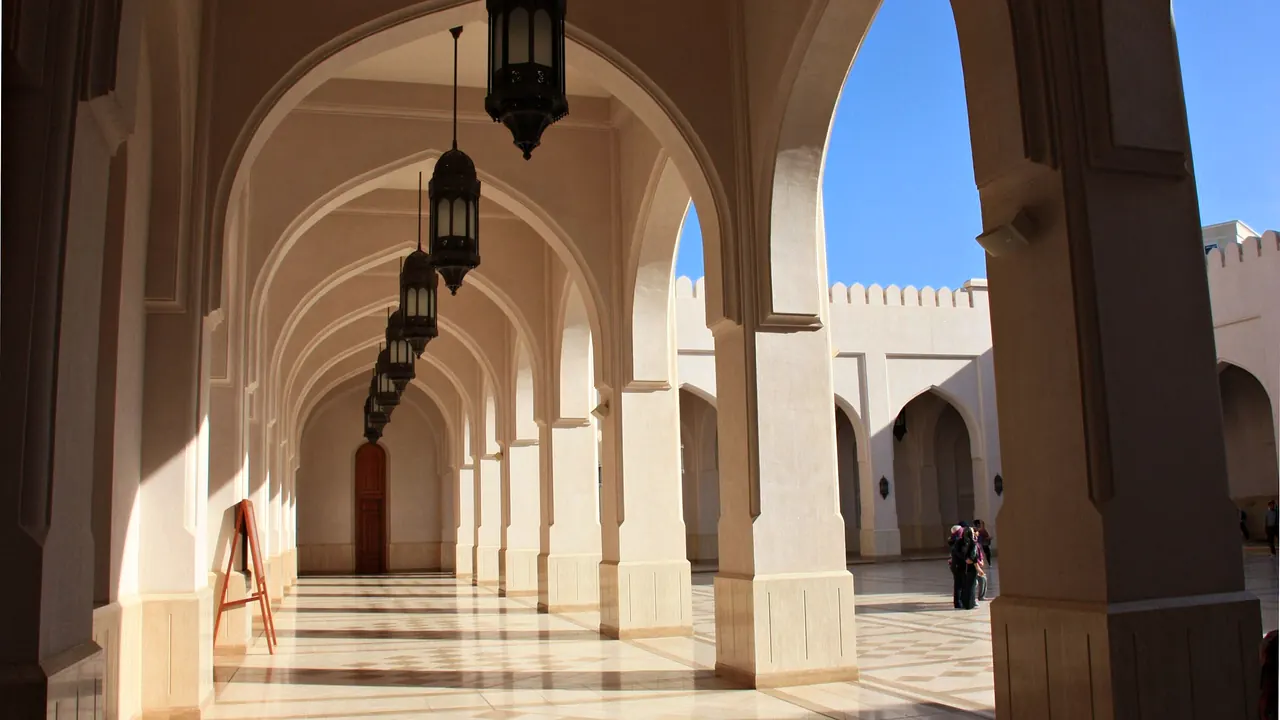
Photos: Abu Dhabi by Jeffry Surianto, Pexels License; Salalah by Rrburke, CC BY 4.0, cropped.
Abu Dhabi or Salalah?
Our verdict in twelve categories, each scored against the same fixed benchmark cities, and the climate month by month, so you can choose for your trip.
Choose Abu Dhabi for
- families
- culture and sights
- nightlife
Abu Dhabi is the pick for a winter trip with children, or for travellers who want a few big set pieces: the Grand Mosque, the Louvre on Saadiyat, the Yas Island parks and easy swimming off long sand. It has more to eat, more to see and more to do after dark, as long as you accept that almost all of it happens in hotels, malls and taxis.
Choose Salalah for
- nature and the outdoors
- prices
- day trips
Salalah suits people who would rather drive the open road than queue. Its strength is the land around it: the Dhofar mountains, the blowholes at Mughsail, the old frankincense ports along the coast and, in summer, a green monsoon landscape found nowhere else in Arabia. Day-to-day costs are lower too, but there is little to fill an evening and nothing built for children.
Scoreboard
Twelve categories on one fixed scale from 0 to 100. The shaded stretch is the gap between the two.
Your match
Pick a travel style or drag the sliders, and both match scores follow your weighting.
Wins on families and culture and sights with your weighting.
Wins on nature and the outdoors and prices with your weighting.
What matters to you?
Category by category
What the scores mean for a trip.
Beaches & swimming
Both cities have long, pale sand and warm water, but Abu Dhabi makes swimming easier. The Gulf is shallow and calm, the Corniche has lifeguarded sections right by downtown, and the dune-backed beach on Saadiyat is the finest single stretch on either coast.
Salalah's shore is emptier and more varied, from palm-lined Haffa to the bays of Taqah and Mirbat and the cliff coves at Al Fazayah. The Arabian Sea is less forgiving, though, with undertow on open beaches in any season and dangerous swell in the monsoon, so the resort stretches at Hawana and Al Muntazah are the safe choice.
Food & drink
Abu Dhabi has far more range. Hotel dining rooms with international chefs and the Friday brunch sit alongside cheap Keralan, Pakistani, Lebanese and Iranian kitchens in the older downtown blocks, and the fish and date markets at Mina Zayed are worth a morning.
Salalah eats well but narrowly: mandi and madhbi, grilled fish, and South Indian and Yemeni cooking. Its particular pleasure is the roadside stalls selling coconuts and papayas from the plantations around town. In both, alcohol stays inside the hotels.
Culture & sights
Abu Dhabi has the bigger names: the white marble of the Sheikh Zayed Grand Mosque, the Louvre under its perforated dome and the ceremonial halls of Qasr Al Watan, enough for two or three full days. Neither city has an old centre to wander.
Salalah's heritage is older and quieter. The medieval port ruins at Al Baleed and the Museum of the Frankincense Land beside them tell the story of the incense trade, but within town a single day covers it.
Nightlife
Neither is a place for a big night out, but Abu Dhabi at least offers one: hotel rooftop and beach bars, a few clubs and expatriate pubs, with the liveliest clusters on Yas and Al Maryah islands. In Salalah a handful of resort bars are the only places serving alcohol, and evenings mean late dinners, shisha and a walk along the beach.
Nature & outdoors
Salalah wins by a long way. The Dhofar mountains rise right behind the town, green and misty in the monsoon and golden in the dry months, with waterfalls at Wadi Darbat, baobab groves, springs, the Mughsail blowholes and the edge of the Empty Quarter all within a drive.
Abu Dhabi is flat sand and lagoon. Its mangroves at Jubail and on the eastern shore are lovely by kayak, and desert drives start within an hour, but the summer heat rules out most outdoor plans.
Day trips
The two are about even, with very different kinds of outing. From Abu Dhabi the trips are to whole cities: Dubai's skyline and souks, Sharjah's museums and the oasis town of Al Ain with its falaj channels and forts.
Salalah's excursions are small and atmospheric: Sumhuram above Khor Rori, Mirbat's castle and merchant houses, the tomb of Job in the hills and the Ubar ruins at Shisr, several of which fit into one drive.
Good for families
Abu Dhabi is one of the easiest places in the region to bring children, with the Ferrari and Warner Bros parks, a water park and a marine park on Yas, plus resorts with kids' clubs and shallow pools.
Salalah is just as safe and friendly, and children enjoy the camels on the roads and the blowholes, but there are no attractions built for them and the open beaches need watching because of currents.
Getting around
Both are built for cars, but Abu Dhabi is easier without one. Taxis and ride-hailing are plentiful and reliable, so you can reach the mosque, Saadiyat and Yas without ever driving yourself.
In Salalah a hire car is close to essential, since buses are few and the mountains and coast lie well beyond town. Light traffic and good roads make self-driving simple, though mist and camels slow the hill roads in summer.
Shopping & style
Abu Dhabi is for brand shoppers, with huge air-conditioned malls, the luxury houses on Al Maryah Island and souks for dates, oud and carpets. Salalah has one real draw, the Haffa souq, where Dhofari frankincense is sold by grade alongside burners, attar and silver. It is the better place for one meaningful souvenir, but not for a shopping trip.
Affordability
Salalah is easier on the wallet day to day. Local meals are cheap, fuel costs little and most sights are free or close to it. The main outlays are a beach resort room and the hire car.
Abu Dhabi has good-value chain hotels outside the winter peak and the event weekends, and very cheap downtown eateries, but drinks, hotel brunches and theme park entry push a trip up fast.
Live music & performing arts
Abu Dhabi has a real, if thin, calendar: arena concerts on Yas, the spring Abu Dhabi Festival with visiting orchestras and dance companies, and concerts and talks on Saadiyat in the cooler months. Salalah has no concert hall or theatre, and live performance means Dhofari folk music and dance at weddings, national celebrations and the summer khareef festival.
Wellness & relaxation
Both rely on resort spas rather than any bathing tradition, and Abu Dhabi's are a little grander, with palace-style hotels offering hammam rooms and Saadiyat resorts made for long pool days. Salalah's appeal is the slow pace of the whole town, with quiet roads, empty corniches and massages using local frankincense oils.
When should you go?
Pick your month. The climate figures are measured averages, not a forecast.
Abu Dhabi in July
Salalah in July
Daytime high, °C
Rainfall in the month, mm
Where the figures come from
Abu Dhabi's temperatures are measured 26 km from the centre, at Abu Dhabi International Airport.
Temperature and rainfall are climate normals, averaged over the years shown. Abu Dhabi: 1991-2020 (sunshine 1981-2010, rainfall 1981-2010) normals, Abu Dhabi International Airport (25.7 km from centre). Salalah: 1991-2020 normals, Salalah (1.7 km from centre).
Abu Dhabi is a winter destination. From November to March the days are warm rather than hot, around 25°C in January, and the beaches and the Corniche are at their best, though the sea cools to about 22°C. From May to September the heat goes above 40°C, the water stops refreshing and life moves indoors. Rain barely registers at any time of year.
Salalah runs on a different calendar. October to April is dry and sunny, with highs around 30°C and a sea that stays warmer than the Gulf through the winter, so it works well as a winter alternative. May is the hottest month and brings a few showers before the monsoon. In the khareef, from June to September, Salalah stays far cooler than Abu Dhabi, but cloud and drizzle close in, the sun almost disappears in July and August, and rough seas shut many beaches. Go then for the green hills, not for swimming.
Which traveller are you?
On a family trip with children, Abu Dhabi fills a winter week with little planning: a park on Yas in the morning, the resort pool after lunch. In Salalah you make your own days out by car, which suits toddlers better than restless teenagers.
For an outdoors trip, Salalah wins clearly. A hire car opens up the Dhofar mountains, the springs at Ain Razat, the Mughsail cliffs and the snorkelling coves at Al Fazayah. Abu Dhabi's flat islands offer mangrove kayaking and little more.
On a tight budget, Salalah goes further. Its best days are drives to wadis, ruins and empty beaches, ending with dinner where local families eat. In Abu Dhabi many of the big draws charge entry and sit a taxi ride apart, so a cheap trip takes discipline.
Before you go
| Measure | Abu Dhabi | Salalah |
|---|---|---|
| Official language | Arabic | Arabic |
| Currency | UAE Dirham (AED) | Rial Omani (OMR) |
| Sockets | CG220 V, 50 Hz | CG240 V, 50 Hz |
| Driving side | Right | Right |
| Time zone | UTC+4 | UTC+4 |
| Emergency number | 112 | 968 |
| Elevation | 14 m | 18 m |
| Main airport | Zayed International Airport (AUH)26 km from centre97 non-stop destinations | Salalah International Airport (SLL)2 km from centre18 non-stop destinations |
By the numbers
| Measure | Abu Dhabi | Salalah |
|---|---|---|
| Population | 1,570,000 | 331,949 |
| People per km² | 1,615 | - |
| Museums within 10 km | 3 | 1 |
| UNESCO World Heritage sites within 50 km | 0 | 1 |
| Swim season, months above 21 °C | 11 months | 12 months |
Where else could you go?
Every comparison below shares a destination with this one, so you can follow Abu Dhabi or Salalah somewhere new.
- Dubaivs Abu Dhabi
- Dohavs Abu Dhabi
- Manamavs Abu Dhabi
- Muscatvs Abu Dhabi
- Riyadhvs Abu Dhabi
- Kuwait Cityvs Abu Dhabi