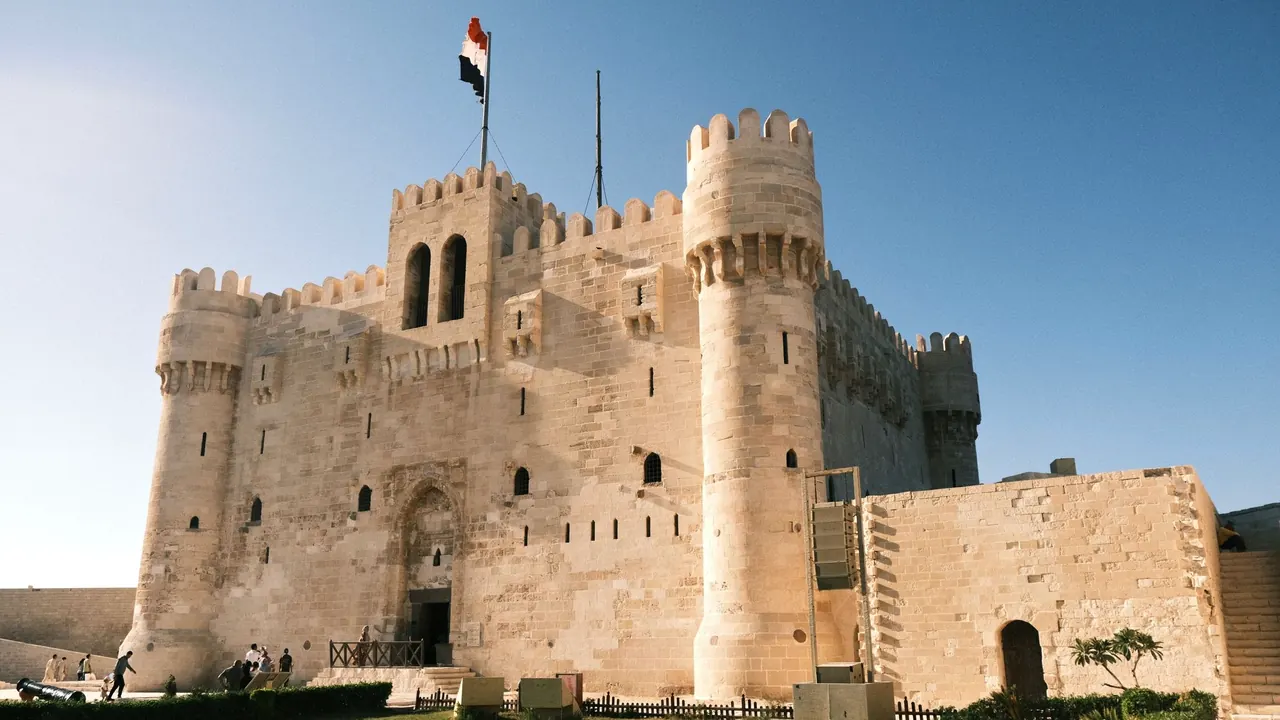
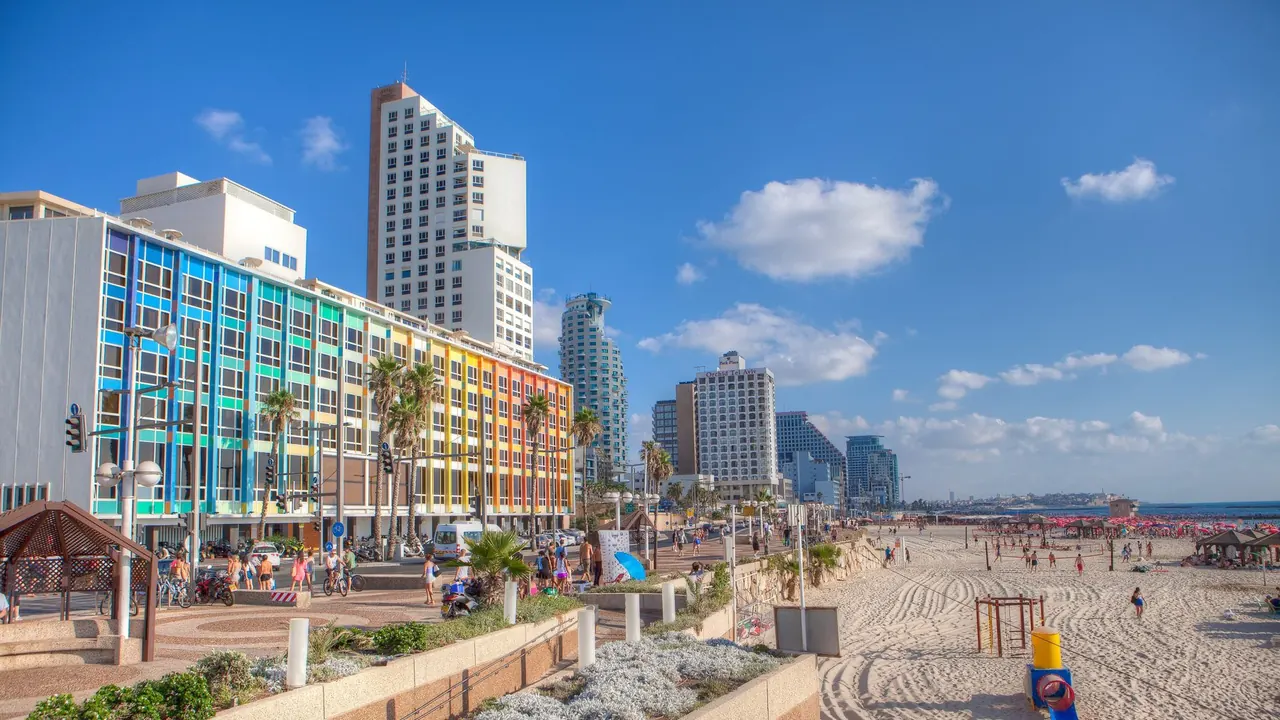
Photos: Alexandria by Muhammed Fatih Beki, Pexels License; Tel Aviv by israeltourism, CC BY-SA 2.0, cropped.
Alexandria or Tel Aviv?
Our verdict in twelve categories, each scored against the same fixed benchmark cities, and the climate month by month, so you can choose for your trip.
Choose Alexandria for
- prices
- culture and sights
Alexandria suits a curious, unhurried traveller who wants ancient history in fragments and a very low daily spend. Catacombs, a Roman theatre, the citadel on the site of the Pharos and the faded belle époque downtown fill two or three slow days, with grilled fish by the harbour and tea on the Corniche in between. Be ready for traffic, crowded city beaches and sober evenings, with a drink found only in hotels and a few old bars.
Choose Tel Aviv for
- nightlife
- live music and the arts
- nature and the outdoors
For most other kinds of Mediterranean city trip, Tel Aviv is the better pick. A sandy beach runs the length of the city, eating out and going out are reasons to come in themselves, and Jerusalem, Caesarea and the Dead Sea are all within a day's reach. It is costly at every turn, so it fits travellers who will pay for that energy and ease.
Scoreboard
Twelve categories on one fixed scale from 0 to 100. The shaded stretch is the gap between the two.
Your match
Pick a travel style or drag the sliders, and both match scores follow your weighting.
Wins on prices and culture and sights with your weighting.
Wins on nightlife and live music and the arts with your weighting.
What matters to you?
Category by category
What the scores mean for a trip.
Beaches & swimming
Alexandria's sea is warm in summer, but the public beaches along the Corniche are narrow, packed with Egyptian families and not always clean, and the nicer sand at Montaza and Mamoura is behind the gates of paid clubs. Swimming is conservative, so it works for a dip between sights rather than days by the water.
Tel Aviv is a genuine beach city. Pale sand runs almost unbroken from the old port to Jaffa, guarded and often calmed by breakwaters, with stretches for every crowd from Hilton's gay-friendly section to Nordau's separate bathing days. Locals swim and play there before and after work, and you walk there from your hotel.
Food & drink
Alexandria does one thing very well: fish chosen from the ice in Anfushi and the Eastern Harbour, weighed and grilled or baked in clay, plus liver sandwiches, fiteer and old Greek-era patisseries. Beyond that the choice is narrow and a drink is hard to find.
Tel Aviv eats far more widely. Hummus counters and sabich stands sit alongside Yemenite, Iraqi and Bukharan cooking and a confident chef-led scene, Carmel Market is made for grazing, and Galilee wine and craft beer are easy to order.
Culture & sights
Alexandria has the deeper past, even if much of it lies underground or underwater. The Kom el Shoqafa catacombs, the Roman theatre at Kom el-Dikka, Pompey's Pillar, the Qaitbay Citadel and the Bibliotheca Alexandrina reward a visitor who enjoys piecing a lost city together.
Tel Aviv's interest is twentieth century and architectural: the Bauhaus streets of the White City, the stone lanes of Jaffa and Neve Tzedek, plus ANU and the Tel Aviv Museum of Art. Its list is shorter, and the country's great ancient sites lie outside the city.
Nightlife
After dark, Alexandria moves to the seafront rather than the bar. Summer evenings on the Corniche run past midnight over tea, fresh juice and shisha, but drinking is limited to a few old Greek-era bars downtown and the hotel lounges, and there are no clubs.
In Tel Aviv a night out is the main event. Cocktail and wine bars around Rothschild, Lilienblum and Allenby spill onto the pavement past midnight, Thursday is the big night, house and techno clubs in the south of the city run until dawn, and the gay scene is among the most open in the region.
Nature & outdoors
Alexandria offers little beyond the sea: the long Corniche walk, sunsets over the Eastern Harbour and, for divers, the sunken remains of the Pharos. Inland it is flat farmland, the reed beds of Lake Mariout and desert.
Tel Aviv is flat too, but uses its coast actively, with a cycle path from the port to Jaffa, surfing and kitesurfing off the beaches and the lawns of Yarkon Park. Real hiking is within driving range, on the pine-clad Carmel ridge an hour north or the canyons of Ein Gedi above the Dead Sea.
Day trips
From Alexandria the outings are rewarding but specialist: the Ottoman houses of Rosetta, where the famous stone was found, the war cemeteries of El Alamein and the ancient monasteries of Wadi Natrun. Cairo and the pyramids can be done in a long day, but with well over two hours on the train in each direction they are better given a stay of their own.
Tel Aviv puts far more within easy reach. Jerusalem is about half an hour by fast train, and Caesarea, Haifa's Baha'i Gardens, Crusader Acre and Masada with a float in the Dead Sea all make full days. Saturday outings need a car or a tour.
Good for families
Children are welcome in both, but Alexandria offers them little beyond seafront ice cream, horse carriages and the gardens at Montaza, and the crowded beaches and Corniche traffic make it hard going with small ones. It suits older children drawn to catacombs and forts.
Tel Aviv is far easier with young families: calm guarded beaches, Yarkon Park with boating and Luna Park, the Ramat Gan Safari, a children's museum in Holon and a flat, pushchair-friendly centre. Its main drawback is the humid midsummer heat.
Getting around
Alexandria strings its sights along some 20km of coast, from Qaitbay to Montaza, so taxis and ride-hailing do most of the work, often slowly in traffic. The old tram is charming but slow, pavements are broken and crossing the Corniche takes care.
Tel Aviv's compact, flat centre is walkable from the port to Jaffa, with bike-share, a seafront path, light rail and fast trains beyond. The catch is Shabbat, when most public transport stops from Friday afternoon to Saturday night.
Shopping & style
Alexandria's shopping serves locals rather than visitors, though the dusty antique dealers of the Attarin quarter are fun for anyone hunting relics of the cosmopolitan era. The souks sell fabric, spice and household goods.
Tel Aviv gives a shopper more to look for: Israeli designers on Dizengoff and Sheinkin, boutiques in Neve Tzedek, the Nahalat Binyamin crafts fair and Jaffa's flea market and studios. Prices are high, and Dead Sea cosmetics, spices and Judaica make good things to take home.
Affordability
Alexandria is very cheap. Taxis, street food and comfortable seafront hotels cost little, and foreigners' entry fees to sites and museums are the main expense, still modest.
Tel Aviv is among the costliest cities on the Mediterranean, with expensive hotels, restaurants and drinks at every level. Falafel, hummus and market bakeries keep meals affordable, and the beach and the White City are free, but a budget traveller will need to plan carefully.
Live music & performing arts
Alexandria's stage life centres on the Sayed Darwish Theatre, its early twentieth-century opera house, and the arts centre of the Bibliotheca Alexandrina. The programme is irregular and mostly in Arabic, so treat a show as a lucky find.
Tel Aviv has a programme you can plan a trip around: the Israel Philharmonic, the Israeli Opera, Habima and, above all, contemporary dance from Batsheva and the Suzanne Dellal Centre. Rock, jazz and Mizrahi pop fill its clubs, and summer brings outdoor stages in Yarkon Park.
Wellness & relaxation
Neither city has a bathing tradition, and in both a spa means a big seafront hotel. Alexandria's calm comes from old cafés and harbour walks outside the summer crowds, with little else on offer.
Tel Aviv has a little more: day spas, yoga classes, the quiet of Shabbat and slow mornings on the promenade. Its trump card is the Dead Sea, about one and a half hours away, where mineral pools and mud spas give genuinely restorative bathing.
When should you go?
Pick your month. The climate figures are measured averages, not a forecast.
Alexandria in July
Tel Aviv in July
Daytime high, °C
Rainfall in the month, mm
Temperature and rainfall are climate normals, averaged over the years shown. Alexandria: 1991-2020 normals, Alexandria / Nouzha (5.5 km from centre). Tel Aviv: 1991-2020 (sunshine 1961-1990) normals, Bet Dagan (9.5 km from centre).
The two cities share the same long, rainless summer. From June to September daytime highs sit around 31°C in both, which makes midday sightseeing hard work and pushes walking to mornings and evenings. Alexandria's sea is warm enough to swim from June and peaks at about 27°C, while Tel Aviv's runs a degree or so warmer, stays swimmable into November and comes with very long sunny days through midsummer.
Winter is where they part. Tel Aviv's rains are much heavier, around 140mm in January, against a lighter and shorter wet season in Alexandria, though winter days are equally mild in both. For walking the streets of either city, April, May, October and early November are the most comfortable months, warm without the summer heat.
Which traveller are you?
For a beach and sun trip, Tel Aviv is the clear choice. Its fine sand starts a short walk from most hotels, the water is lifeguarded and calm behind breakwaters, and swimwear raises no eyebrows, unlike Alexandria's narrow, crowded and conservative city beaches.
On a trip on a tight budget, Alexandria goes much further. Taxis, street food, coffee-house tea and harbour fish dinners all cost little, and seafront hotels are cheap, whereas Tel Aviv's hotels and restaurants rival the priciest European capitals and only its street food is a saving.
For a food and nightlife trip, Tel Aviv wins easily. Market grazing, chef-led dining rooms and local wine lead into bars that stay full past midnight and clubs that run till dawn, while Alexandria offers excellent fish and then quiet, alcohol-free seafront evenings.
Before you go
| Measure | Alexandria | Tel Aviv |
|---|---|---|
| Official language | Arabic | Hebrew |
| Currency | Egyptian Pound (EGP) | New Israeli Sheqel (ILS) |
| Sockets | CF220 V, 50 Hz | CHM230 V, 50 Hz |
| Driving side | Right | Right |
| Time zone | UTC+2, UTC+3 in summer | UTC+2, UTC+3 in summer |
| Emergency number | Police 122, ambulance 123, fire 180 | Police 100, fire 102 |
| Elevation | -1 m | 5 m |
| Main airport | Alexandria International Airport (HBE)35 km from centre23 non-stop destinations | Ben Gurion International Airport (TLV)13 km from centre111 non-stop destinations |
| Public holidays this year | 15 days | - |
By the numbers
| Measure | Alexandria | Tel Aviv |
|---|---|---|
| City population | 5,362,517 | 467,875 |
| People per km² | 2,125 | 8,998 |
| Museums within 10 km | 13 | 99 |
| UNESCO World Heritage sites within 50 km | 1 | 2 |
| Swim season, months above 21 °C | 7 months | 7 months |
Where else could you go?
Every comparison below shares a destination with this one, so you can follow Alexandria or Tel Aviv somewhere new.
- Jerusalemvs Tel Aviv
- Ammanvs Tel Aviv
- Cairovs Alexandria
- Petravs Tel Aviv
- Cairovs Tel Aviv
- Sharm el-Sheikhvs Tel Aviv