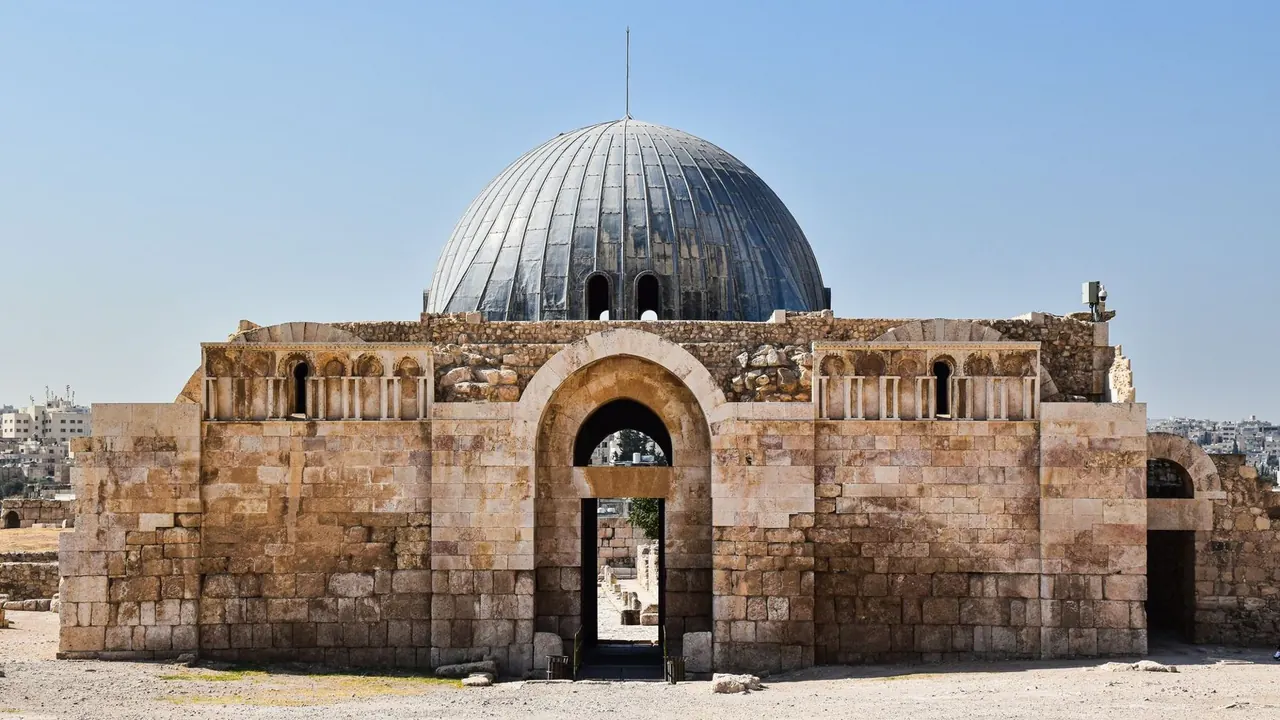
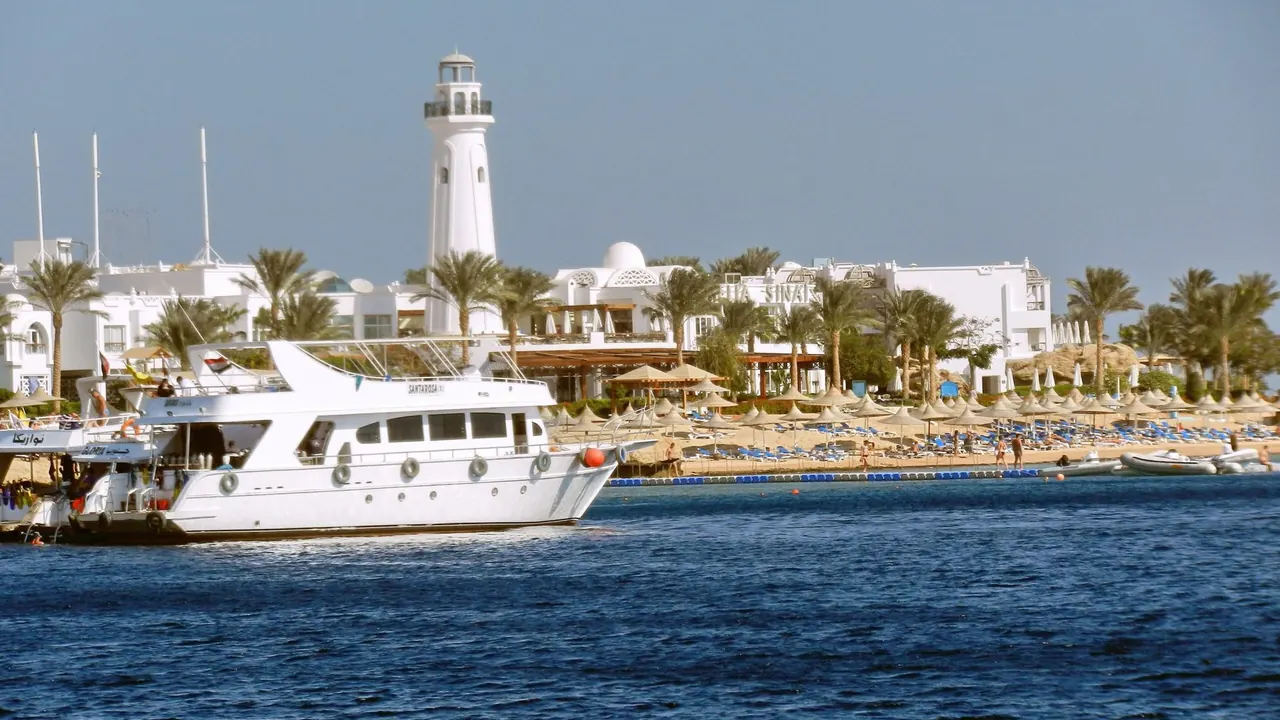
Photos: Amman by AXP Photography, Pexels License; Sharm el-Sheikh by Tanya Dedyukhina, CC BY 3.0, cropped.
Amman or Sharm el-Sheikh?
Our verdict in twelve categories, each scored against the same fixed benchmark cities, and the climate month by month, so you can choose for your trip.
Choose Amman for
- day trips
- culture and sights
- food and drink
Amman is the choice for travellers who want history and food more than sun. The city itself takes two or three days, with the Citadel, the Roman Theatre and the Jordan Museum. Its real strength is as a base: Jerash, Madaba, Mount Nebo and the desert castles all lie within a day's drive. Evenings go to mansaf, knafeh and long café nights rather than the beach.
Choose Sharm el-Sheikh for
- beaches
- nature and the outdoors
- families
Sharm el-Sheikh suits a sea-and-sun week where the reef is the point. Coral starts a few steps from the hotel jetty, Ras Mohammed is close by and the water stays warm through winter. All-inclusive resorts keep costs and decisions down, which also makes Sharm the easier pick for families. Anyone hoping for museums, a food scene or towns to explore will find little beyond the resort strip.
Scoreboard
Twelve categories on one fixed scale from 0 to 100. The shaded stretch is the gap between the two.
Your match
Pick a travel style or drag the sliders, and both match scores follow your weighting.
Too close to call, 1 point apart
Wins on day trips and culture and sights with your weighting.
Wins on beaches and nature and the outdoors with your weighting.
What matters to you?
Category by category
What the scores mean for a trip.
Beaches & swimming
There is no real contest here. Amman has no shoreline at all. Its nearest water is the Dead Sea down in the Jordan Valley, where you float and cover yourself in mud rather than swim, and proper Red Sea swimming means a separate trip south to Aqaba.
Sharm el-Sheikh lies further down that same Red Sea, with clear, calm water and reefs that begin at the edge of Naama Bay, Sharks Bay and Ras Um Sid. The beaches are mostly hotel-owned and often small, and reef shoes help, but for snorkelling straight off the sand it is among the best anywhere.
Food & drink
Amman is the place to eat well. Downtown breakfasts of falafel, hummus and fuul, hot knafeh from the sweet shops, mansaf at a family-style table and the café terraces of Weibdeh and Jabal Amman all make meals part of the trip.
In Sharm el-Sheikh the hotel buffet sets the pattern, and Naama Bay's restaurants are built for tourists. The grilled fish, koshari and taameya of the Old Market are the honest exception, and a Bedouin dinner under the stars makes a pleasant evening, but few people come for the food.
Culture & sights
Amman has real antiquity in the middle of town. The Temple of Hercules and the Umayyad Palace stand on the Citadel hill, the Roman Theatre is carved into the slope below, and the Jordan Museum holds Dead Sea Scrolls and the 'Ain Ghazal statues. A couple of days covers it, and beyond that the city is modern sprawl.
Sharm el-Sheikh is a resort built for the sea. Its sights stop at the Al Sahaba Mosque and the painted Heavenly Cathedral in the Old Market, and Egypt's ancient monuments are a long way off, so a culture-minded traveller will feel the gap within a day.
Nightlife
Neither is a party city, but Sharm el-Sheikh has the livelier nights. Naama Bay's promenade of bars, the DJ nights at beach bars and a few large clubs make for some evenings of dancing in the busy seasons, even if many guests never go further than the lobby bar.
Amman's evenings are about company: shisha and tea on Rainbow Street, a handful of rooftop bars in Jabal Amman and Weibdeh, and the hotel bars. Drinking stays discreet, and during Ramadan the nights are given over to iftar and suhoor instead.
Nature & outdoors
Around Amman the outdoors is dry and modest. The steep descent to the Dead Sea is the most striking scenery, Wadi Mujib has wading hikes up a sandstone gorge in the warmer months, and Ajloun's oak and pine woods are green in spring. Jordan's best wild country, Dana and Wadi Rum, needs nights away.
Sharm el-Sheikh's nature is mostly underwater, and it is among the finest anywhere. The reefs of the Tiran Strait and Nabq are a short boat ride from town, while the sheer walls of Ras Mohammed, about 30km away, and the wreck of the Thistlegorm each make a full day at sea. On land, jeep trips and Bedouin camps lead into the red granite mountains of South Sinai.
Day trips
Amman is one of the region's best bases for days out. The colonnaded Roman streets of Jerash are under an hour away. Madaba's mosaic map, Mount Nebo, the Baptism Site, Salt, Ajloun and the frescoed desert castles to the east can each fill a day.
From Sharm el-Sheikh the choice is Dahab, for a relaxed day on the Gulf of Aqaba, or the long trip to St Catherine's Monastery, often with a night climb of Mount Sinai. Coach trips to Cairo or Petra are sold, but they mean exhausting days.
Good for families
Sharm el-Sheikh is built for the kind of resort week families want. The hotels have kids' clubs, family pools and water slides, the lagoons are calm for first snorkels, and glass-bottom boats suit children who would rather stay dry. Midsummer heat is hard on small children, and the choice of hotel matters more than the town.
Amman is fond of children and relaxed about late family dinners, but it has little made for them beyond the children's museum in King Hussein Park and the malls. Older children may enjoy the ruins and a float in the Dead Sea, while pushchairs struggle on the hills.
Getting around
Neither city is easy without taxis, but Amman at least has a core you can walk. Downtown and the stone stairways up to Jabal Amman and Weibdeh can be explored on foot, slowly. Yellow taxis and ride-hailing apps cover the rest cheaply, as long as the traffic allows.
Sharm el-Sheikh is a 30km strip of resorts where only Naama Bay is pleasant to stroll. Shared minibuses run along the main road, but most people rely on hotel shuttles, taxis with fares agreed in advance and tour pick-ups, or simply stay in the resort.
Shopping & style
Amman is the better place to shop. The downtown souks and the gold street are worth a wander. Around Rainbow Street, shops sell embroidered Palestinian textiles, Hebron glass and Dead Sea cosmetics, many from women's cooperatives, and Souk Jara adds stalls on summer Fridays.
Sharm el-Sheikh's Old Market and Naama Bay promenade stick to papyrus, perfume oils, alabaster and galabiyas, with hard haggling and persistent sales patter. It covers a few gifts and not much more.
Affordability
Sharm el-Sheikh is the cheaper vacation for most people, mainly because its all-inclusive hotels undercut Mediterranean resorts and put meals and drinks on one bill. Once you step outside, taxis, Naama Bay restaurants, diving and excursions add up.
In Amman, street food, coffee and taxis cost little. Mid-range hotels and restaurants in the western districts cost close to what they would in Southern Europe, though, alcohol is expensive, and private drivers and the entry fees at the country's headline sites push up the cost of touring.
Live music & performing arts
Amman has more to offer, though not much. The Royal Cultural Centre puts on occasional concerts and Arabic theatre, small stages in Weibdeh and downtown host oud recitals and Arab indie bands, and each summer the Jerash Festival fills the Roman theatres there.
In Sharm el-Sheikh, performance means hotel shows, with belly dancing and tanoura dancers at dinner spectacles. There is no concert hall and no local scene to look for.
Wellness & relaxation
The two are close here but offer different kinds of rest. Amman's wellness means a trip down the hill to the Dead Sea spas, with floating, mineral mud and pools, and to the Ma'in hot springs falling through a desert canyon. There are also a few hammams in town, but the city itself, with its traffic and car horns, is not restful.
In Sharm el-Sheikh the calm comes from the stay itself. Resort spas offer steam rooms and hammam-style scrubs, and the days pass between pool and sea in warm winter sun with nothing to hurry for.
When should you go?
Pick your month. The climate figures are measured averages, not a forecast.
Amman in July
Sharm el-Sheikh in July
Daytime high, °C
Rainfall in the month, mm
Where the figures come from
Amman has no rain gauge within 25 km of the centre, so its rainfall comes from a gridded climate dataset read at the city rather than from a gauge further away.
Amman's sunshine is measured 55 km from the centre, at Mafraq.
Sharm el-Sheikh has no weather station within reach, so its figures come from a gridded climate model rather than a measured record, and read a broad area rather than the city itself.
Temperature and rainfall are climate normals, averaged over the years shown. Amman: 1994-2020 (sunshine 1991-2020, rainfall 1991-2020) normals, Amman Airport (6 km from centre). Sharm el-Sheikh: 2001-2020 normals, NASA POWER reanalysis grid, no weather station within 90 km.
Amman is best in spring and autumn, roughly April to May and again in October, when days are warm, dry and sunny and walking between the hills is comfortable. Midsummer brings a dry heat of around 33°C, so outings work best in the morning and evening. Winter turns cool and wet, with about 76mm of rain in January, and the Wadi Mujib canyon hikes only open in the warmer half of the year.
Sharm el-Sheikh gets almost no rain all year, so the question is heat. From June to September it reaches about 38°C, which keeps everyone in the pool or the sea and pushes land trips into the early morning. In winter it is the opposite of Amman: while the hill city is grey and cool, Sharm has highs of around 21°C and a sea that stays swimmable, before the water warms to 29°C by August. November to April is the most comfortable stretch for a beach week, though winter afternoons can be windy.
Which traveller are you?
On a beach and sun trip, Sharm el-Sheikh is the clear pick. Amman's only nearby water is the Dead Sea, an hour downhill and better for floating than swimming. Sharm has clear, warm Red Sea water, with coral reached by jetty from the resort beaches.
For a culture and arts trip, Amman wins clearly. History here comes in layers, with Roman, Umayyad, Byzantine, Crusader-era and Ottoman remains all within a short drive, plus small galleries in Weibdeh. In Sharm, culture means a long excursion to St Catherine's.
On a family trip with children, Amman is warm towards young visitors but has few attractions built for them, steep streets for pushchairs and no beach to fall back on. Sharm el-Sheikh is simpler, with kids' clubs, family pools and shallow lagoons for first snorkels.
Before you go
| Measure | Amman | Sharm el-Sheikh |
|---|---|---|
| Official language | Arabic | Arabic |
| Currency | Jordanian Dinar (JOD) | Egyptian Pound (EGP) |
| Sockets | BCFGJ230 V, 50 Hz | CF220 V, 50 Hz |
| Driving side | Right | Right |
| Time zone | UTC+3 | UTC+2, UTC+3 in summer |
| Emergency number | 911 | Police 122, ambulance 123, fire 180 |
| Elevation | 776 m | 1 m |
| Main airport | Queen Alia International Airport (AMM)26 km from centre98 non-stop destinations | Sharm El Sheikh International Airport (SSH)16 km from centre112 non-stop destinations |
| Public holidays this year | - | 15 days |
By the numbers
| Measure | Amman | Sharm el-Sheikh |
|---|---|---|
| City population | 4,007,526 | 73,000 |
| People per km² | 2,385 | - |
| Museums within 10 km | 8 | 1 |
| UNESCO World Heritage sites within 50 km | 3 | 0 |
| Swim season, months above 21 °C | - | 12 months |
Where else could you go?
Every comparison below shares a destination with this one, so you can follow Amman or Sharm el-Sheikh somewhere new.