Photos: Assisi by Berthold Werner, CC BY-SA 4.0, cropped; La Spezia by Irina Balashova, Pexels License.
Assisi or La Spezia?
Our verdict in twelve categories, each scored against the same fixed benchmark cities, and the climate month by month, so you can choose for your trip.
Choose Assisi for
- culture and sights
- prices
- wellness
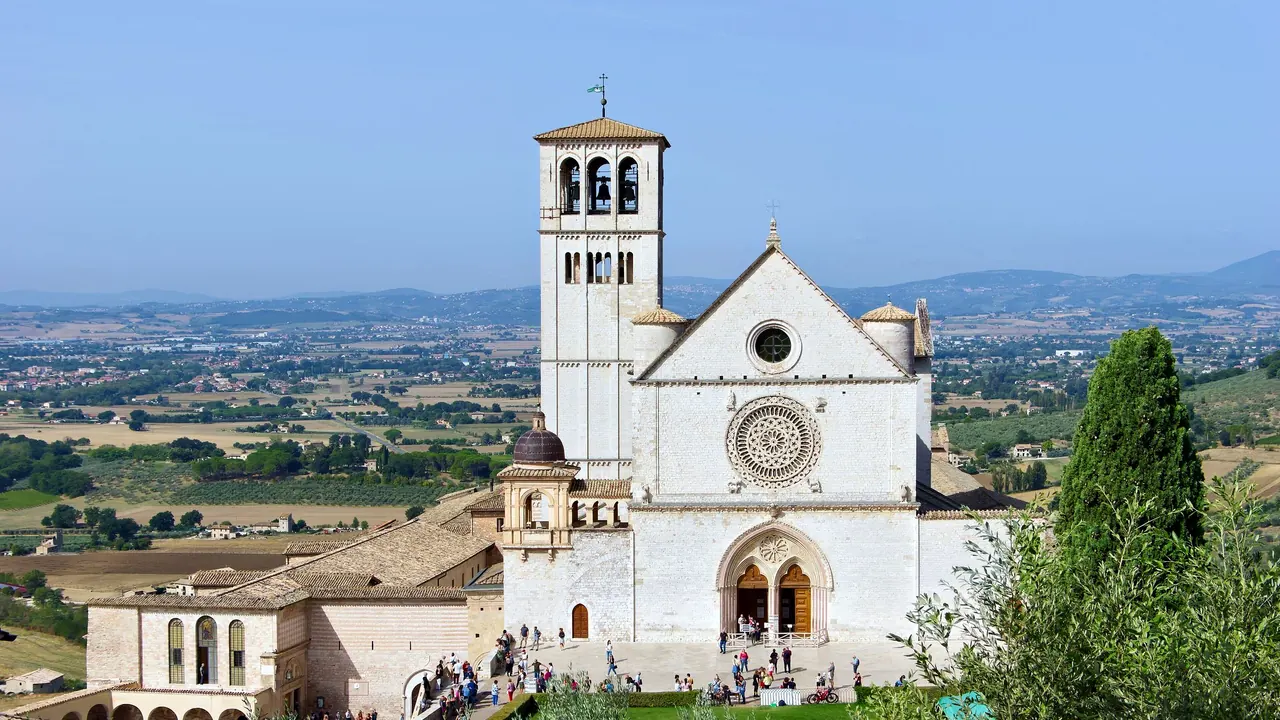
Assisi suits the traveller who comes for art, faith and quiet. The Basilica of San Francesco, with its Cimabue and Giotto frescoes, ranks among the great monuments of Europe, the town of pink Subasio stone is a sight in its own right, and the evenings go still once the day-trippers leave. For a calm, contemplative stay it is the better choice, and convent guesthouses keep it fairly gentle on the budget.
Choose La Spezia for
- beaches
- nightlife
- families
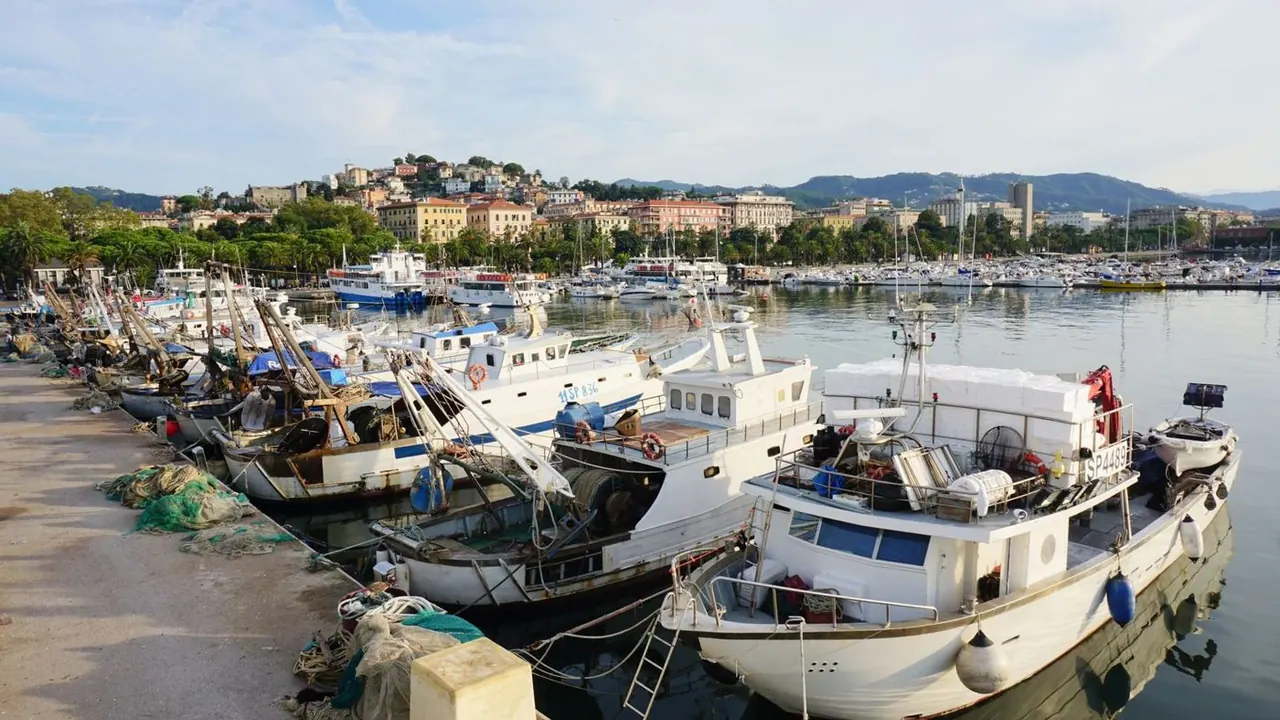
Pick La Spezia if the trip is about sea and cliffs. The port town itself is practical rather than beautiful, but trains put the Cinque Terre trails minutes away, and the coves at Lerici and Portovenere make beach days easy. Food, evenings and days out with children are all a notch livelier than in Umbria, and you won't need a car.
Scoreboard
Twelve categories on one fixed scale from 0 to 100. The shaded stretch is the gap between the two.
Your match
Pick a travel style or drag the sliders, and both match scores follow your weighting.
Wins on culture and sights and prices with your weighting.
Wins on beaches and nightlife with your weighting.
What matters to you?
Category by category
What the scores mean for a trip.
Beaches & swimming
Assisi is a landlocked hill town. Its only swimming is the shallow, slightly murky water of Lake Trasimeno, a drive away, or a pool at your hotel or agriturismo.
La Spezia has no beach in town either, but it is far better placed. There is sand and pebble at Lerici and San Terenzo, clear rocky water around Portovenere and Palmaria, and Monterosso's long sandy beach is a short train ride away, so a swim makes an easy morning out from June into autumn.
Food & drink
Assisi's cooking is rural Umbrian: strangozzi with black truffle, Castelluccio lentils, olive oil from Monte Subasio and Sagrantino from Montefalco. The catch is that restaurants near the basilica lean on set menus for tour groups, so a good meal means looking for trattorias in the side lanes or agriturismi down in the valley.
La Spezia makes it easier to eat well every day. There is farinata from wood ovens, mussels from the gulf, pesto on trofie and testaroli, and the covered market on Piazza Cavour, with steadier quality than in the Cinque Terre villages and Cinque Terre whites to drink.
Culture & sights
Here Assisi is in a different league. The Basilica of San Francesco, with frescoes by Cimabue, Simone Martini and the Giotto cycle of Saint Francis, is one of Europe's great monuments. The Temple of Minerva, Santa Chiara and the Rocca make the whole town a UNESCO site.
La Spezia is a nineteenth-century naval city of arcaded streets and Liberty facades. Its best sights are the early Italian paintings of the Museo Amedeo Lia and the Lunigiana stele statues in Castello San Giorgio. Together they fill a day or two, but the region's history lies out along the coast rather than in the town.
Nightlife
Neither is a place for late nights, but La Spezia at least has an evening. Aperitivo along Via del Prione and around Piazza Verdi, and in summer at the waterfront bars of Lerici and San Terenzo, make for a sociable couple of hours before the town winds down. In Assisi the evening is a glass of Sagrantino and a walk through floodlit, empty lanes, and anyone wanting bars has to stay in Perugia.
Nature & outdoors
Assisi has good walking right behind the town. A path climbs Monte Subasio through holm-oak woods to the Eremo delle Carceri and on to open summit meadows, and the flat valley is good for cycling between Spello and Montefalco. It is gentle, green country, at its best in autumn.
La Spezia's scenery is the more dramatic. The Cinque Terre paths cross terraced cliffs above the sea, Palmaria and Montemarcello are close by, and you can kayak or dive in the gulf. About an hour inland, the jagged marble peaks of the Apuan Alps offer serious hiking.
Day trips
Both are superb bases, and the difference lies in where the outings take you. From Assisi they are Umbrian hill towns: Spello, Perugia, Spoleto, Gubbio, Todi and Orvieto's cathedral, with the Tuscan border towns beyond. A car makes the smaller ones much easier.
From La Spezia the days out are by the sea. The Cinque Terre villages are minutes away by train, Portovenere is a short boat ride, and Lerici and Tellaro sit across the gulf. Pisa and Lucca are about an hour away, and none of it needs a car.
Good for families
Assisi is safe and welcoming, but its steep, stepped lanes and silent frescoed churches offer children little, so families usually do better at a valley agriturismo with a pool. La Spezia works better, with a flat centre and seafront gardens that are easy with a pushchair, boat trips round Portovenere and shallow, sheltered beaches at San Terenzo and Lerici. Neither has a zoo or theme park, and the steep Cinque Terre villages suit older children more than toddlers.
Getting around
Assisi's centre is small but steep, with stairs between the basilica and Piazza del Comune. The station lies 4km below in Santa Maria degli Angeli, and beyond the valley rail line most visitors end up hiring a car.
La Spezia is the easier place to be without one. Its flat centre is easy to walk, and trains, buses and seasonal ferries reach the Cinque Terre, Portovenere and Lerici, although the coastal trains get crowded in summer.
Shopping & style
Neither is a shopping destination. In Assisi the streets are mostly given over to rosaries and Franciscan souvenirs, and the things worth carrying home are embroidered Umbrian linen, Deruta ceramics and truffle products. La Spezia has a bit more range, with the ordinary high street of a provincial city on Via del Prione and Corso Cavour, a produce market, and edible souvenirs such as pesto and Sciacchetrà.
Affordability
Assisi is a little easier on the budget. Its basilicas are free to enter, convent guesthouses offer simple rooms at low cost, and agriturismi in the valley are good value, as long as you eat away from the streets nearest the basilica. Rooms inside the walls cost more around Easter and the big feast days.
La Spezia is cheaper than staying in the Cinque Terre villages, with inexpensive trains and fair everyday food. In summer, though, rooms, trail passes, boat trips and paid bathing establishments add up, and spring and autumn are noticeably easier on the wallet.
Live music & performing arts
Neither town is a place to plan your evenings around, and Assisi has the less to go to. Its music follows the church calendar, with sacred concerts in the basilicas around the feasts. The one big civic occasion is Calendimaggio in spring, when the town turns out in medieval costume. For opera or Umbria's famous summer jazz festival, you go to Perugia.
La Spezia gives you a little more. The Teatro Civico runs a regular season of theatre and concerts, and in summer there is a long-running jazz festival and open-air music in piazzas and castle courtyards around the gulf. Opera still means a train to Genoa or Pisa.
Wellness & relaxation
Assisi is the easier place to slow down. Its few spas are in country hotels and agriturismi on the valley floor, so a restful stay usually means booking one of those among the olive groves and coming up into town in the early morning or evening, when it is at its stillest. Long, unhurried Umbrian lunches do the rest, even though nobody is offering treatments.
La Spezia has no spa scene of its own, and its nearest thermal water is the small baths at Equi Terme, about an hour inland in the Lunigiana valley. Here the restful moments come from the sea instead: an off-season evening on the seafront, or a slow lunch in Lerici or Tellaro.
When should you go?
Pick your month. The climate figures are measured averages, not a forecast.
Assisi in July
La Spezia in July
Daytime high, °C
Rainfall in the month, mm
Where the figures come from
Assisi's temperatures are measured 51 km from the centre, at Frontone.
Assisi has no rain gauge within 25 km of the centre, so its rainfall comes from a gridded climate dataset read at the city rather than from a gauge further away.
La Spezia's temperatures are measured 65 km from the centre, at Pisa / S. Giusto.
La Spezia has no rain gauge within 25 km of the centre, so its rainfall comes from a gridded climate dataset read at the city rather than from a gauge further away.
Temperature and rainfall are climate normals, averaged over the years shown. Assisi: 1991-2020 normals, Frontone (50.5 km from centre). La Spezia: 1991-2020 normals, Pisa / S. Giusto (64.8 km from centre).
Assisi sits inland on a hillside, so its winters are colder, with January highs around 7°C, and its summers peak at about 30°C in July. That makes July and August afternoons hard work on the stepped lanes. Late spring and September into early October are the best times for walking the town and Monte Subasio. Rain builds through autumn and is heaviest in November.
La Spezia is milder in winter but much wetter in autumn, and November is the wettest month at 151mm. Summer is dry and very sunny, and the sea warms to about 25°C in August, so swimming works from June into early October. For the coastal paths, May, June and September give warm days without the full summer heat.
Which traveller are you?
For a culture and arts trip, Assisi is the stronger choice. The Basilica of San Francesco and its fresco cycles are of European importance, and Perugia, Spoleto and Orvieto are within easy reach. La Spezia's own museums fill only a day or two.
On a beach and sun trip, La Spezia wins easily. The sheltered coves at Lerici and Tellaro, the clear water off Palmaria and Monterosso's sandy beach are all close. From Assisi, the nearest swim is a shallow lake 45 minutes away by car.
For a relaxing and wellness trip, Assisi has the edge. Convent guesthouses, retreats and silent walks up Monte Subasio give it a deep stillness. La Spezia finds that harder to match, with summer crowds packing the Cinque Terre trains and paths.
Before you go
| Measure | Assisi | La Spezia |
|---|---|---|
| Official language | Italian | Italian |
| Currency | Euro (EUR) | Euro (EUR) |
| Sockets | CFL230 V, 50 Hz | CFL230 V, 50 Hz |
| Driving side | Right | Right |
| Time zone | UTC+1, UTC+2 in summer | UTC+1, UTC+2 in summer |
| Emergency number | 112 | 112 |
| Elevation | 424 m | 3 m |
| Main airport | Perugia San Francesco d'Assisi – Umbria International Airport (PEG)9 km from centre17 non-stop destinations | Pisa International Airport (PSA)65 km from centre82 non-stop destinations |
| Public holidays this year | 13 days | 13 days |
By the numbers
| Measure | Assisi | La Spezia |
|---|---|---|
| City population | 27,605 | 92,119 |
| People per km² | 147 | 1,792 |
| Museums within 10 km | 14 | 12 |
| UNESCO World Heritage sites within 50 km | 2 | 2 |
| Swim season, months above 21 °C | - | 4 months |
Where else could you go?
Every comparison below shares a destination with this one, so you can follow Assisi or La Spezia somewhere new.
- Portofinovs La Spezia
- Luccavs La Spezia
- Pisavs La Spezia
- Genoavs La Spezia
- San Marinovs Assisi
- Sienavs Assisi