Photos: Aswan by AXP Photography, Pexels License; Dahab by Petar Milošević, CC BY-SA 4.0, cropped.
Aswan or Dahab?
Our verdict in twelve categories, each scored against the same fixed benchmark cities, and the climate month by month, so you can choose for your trip.
Choose Aswan for
- culture and sights
- day trips
- shopping
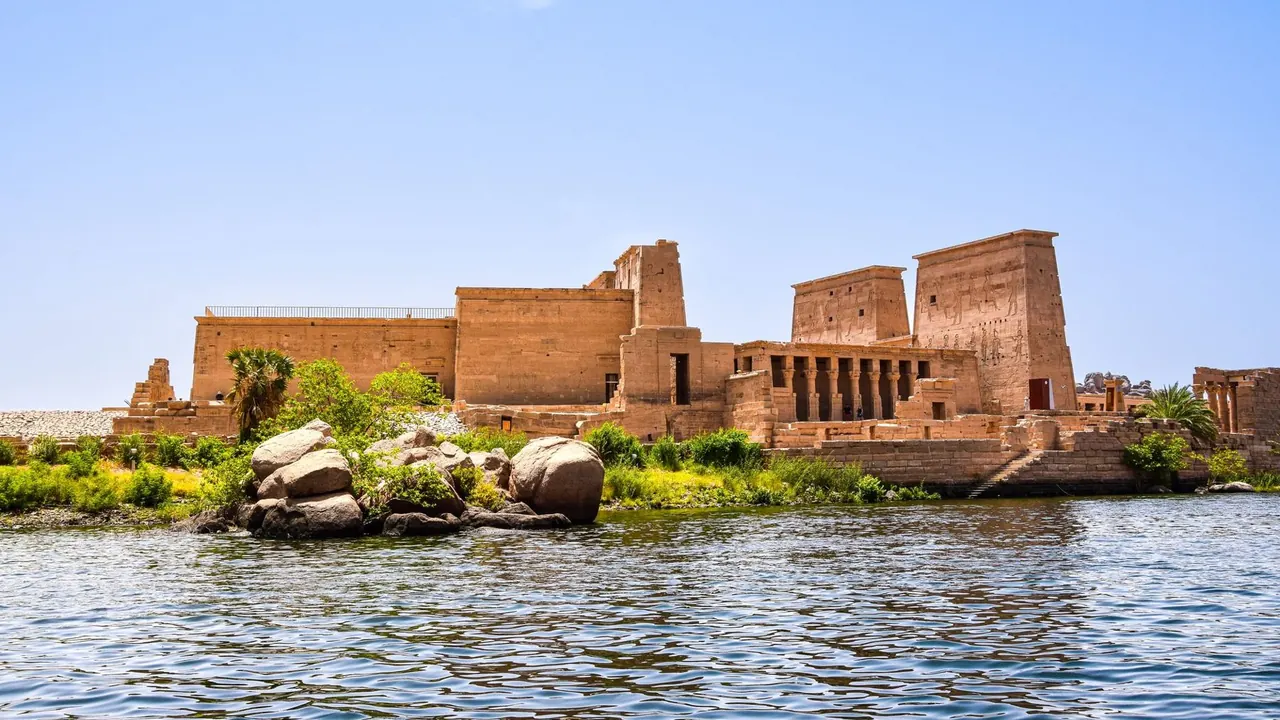
Aswan is the choice for a trip built around ancient Egypt and the Nile itself. Philae, Elephantine Island and the Nubian Museum are in or beside the town, Kom Ombo and Edfu make one long day downriver, and the evenings are felucca sails and tea on terraces above the granite islands. It suits travellers who want sights and a slow river pace rather than a beach, and who can come in the cooler months.
Choose Dahab for
- beaches
- nature and the outdoors
- wellness
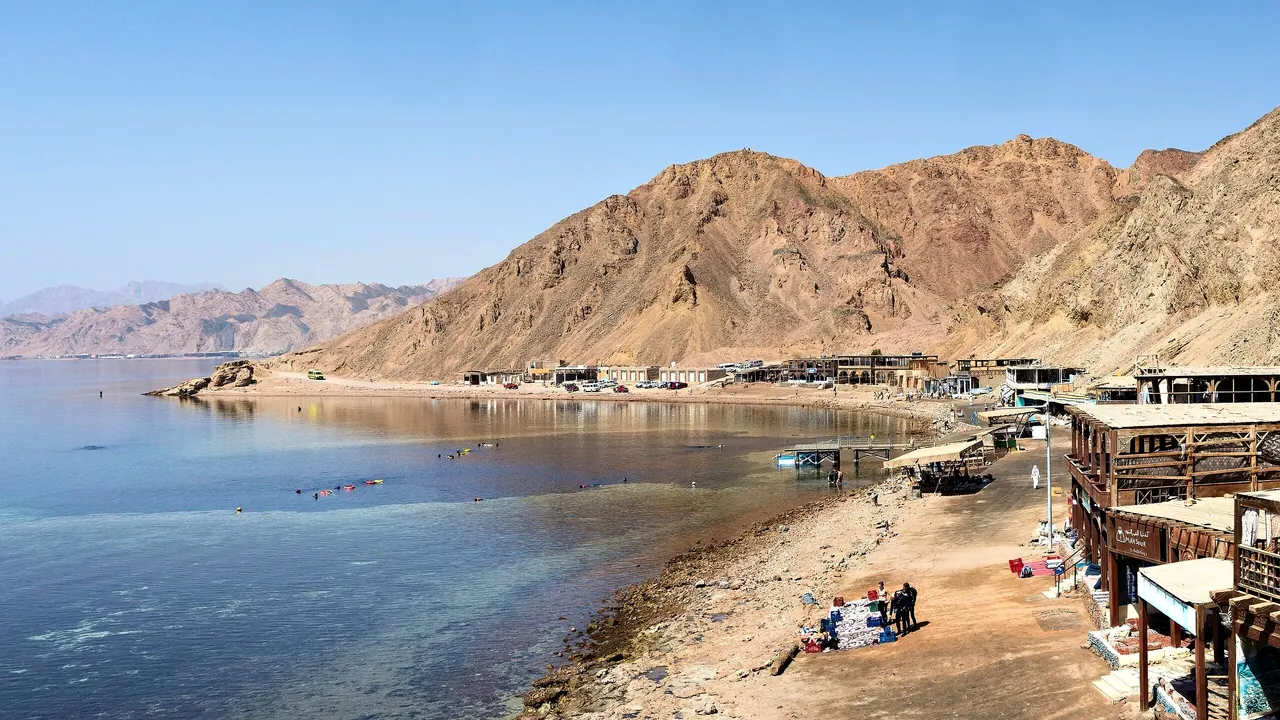
Pick Dahab if the water is the point. Reefs begin a step off the promenade, the town is one of the best-known places anywhere to dive and freedive, and the Sinai mountains behind it offer canyons, camel treks and the night climb of Mount Sinai. There is almost nothing to visit in the museum sense, so it rewards people who want to swim, dive, do yoga and settle in for a week or longer.
Scoreboard
Twelve categories on one fixed scale from 0 to 100. The shaded stretch is the gap between the two.
Your match
Pick a travel style or drag the sliders, and both match scores follow your weighting.
Too close to call, 2 points apart
Wins on culture and sights and day trips with your weighting.
Wins on beaches and nature and the outdoors with your weighting.
What matters to you?
Category by category
What the scores mean for a trip.
Beaches & swimming
Aswan has no sea, only the Nile. A boatman can drop you at a sandbank below the west-bank dunes for a cool river swim, but that is an hour's diversion, and most visitors rely on their hotel pool.
Dahab is a sea vacation through and through, though not a lie-on-the-sand one. Along the promenade and at the Lighthouse or Eel Garden you climb down from a jetty onto coral, so a day in the water is mostly snorkelling over drop-offs. The Lagoon to the south is where to go for sand and shallow, sheltered swimming.
Food & drink
Neither town is a reason to travel for food, and the difference is in what you eat. Aswan's best meals are Nubian, clay-pot stews, Nile fish and hibiscus drinks on a riverside terrace or at a village table, with souk stalls for ful and taameya and alcohol largely confined to the hotels.
Dahab's signature is sea fish chosen from the ice and grilled for a low table on cushions by the water, with the honest Egyptian cooking in Assala as the better-value alternative. Elsewhere its menus drift towards pizza and traveller comfort food, though a beer with dinner is easier to find than in Aswan.
Culture & sights
This is where the two part company most sharply. Aswan has Philae's Temple of Isis on its island, the ancient town of Yebu on Elephantine, cliff tombs above the west bank, the Unfinished Obelisk, the desert monastery of St Simeon and a fine museum of Nubian life, enough for two or three full days.
Dahab has nothing comparable. Its Bedouin roots show in Assala and in the tea stops around town, but they colour the place rather than give you anything to visit, and the nearest real heritage is St Catherine's Monastery, a full day away.
Nightlife
Dahab is the slightly livelier of two quiet places. It has a handful of promenade bars with music, a crowd of divers and instructors, and the occasional party that runs late, although early dives empty the town well before midnight.
Aswan's evenings are a stroll along the Corniche, a shisha in a riverside café or the lit-up souk, with a drink mostly limited to a hotel terrace over the Nile. Neither has clubs.
Nature & outdoors
Dahab is far ahead outdoors. The Gulf of Aqaba falls into deep water metres from the shore, the Lagoon's steady wind draws windsurfers and kitesurfers, and the South Sinai mountains behind town lead to the Coloured Canyon, the protected coast at Ras Abu Galum and the sunrise climb of Mount Sinai.
Aswan's nature is beautiful but mostly something to look at from a boat: black granite boulders at the First Cataract, palms, dunes meeting the river, herons and kingfishers in the reeds and the garden on Kitchener's Island. There is little real hiking, and the summer heat confines outings to the early morning.
Day trips
Aswan has the better excursions. Kom Ombo's double temple and Edfu, the most complete temple in Egypt, make one long and rewarding day north along the river, with the Daraw camel market or the Gebel el-Silsila quarries as stops, and Kalabsha sits on Lake Nasser close to town. Abu Simbel is the great extra, though it means a pre-dawn desert drive or a flight.
From Dahab, the one outing that really counts is St Catherine's Monastery at the foot of Mount Sinai, about two hours inland. Sharm el-Sheikh and Nuweiba offer little, so most time away from town goes into desert and sea trips instead.
Good for families
Dahab is the easier of the two with children, provided they like water. The Lagoon has shallow, sheltered sea and sand, older children can snorkel from the shore, and a camel ride or desert dinner rounds things off, though reef shoes are essential and serious medical care is in Sharm el-Sheikh.
Aswan offers felucca rides, the boat to Philae, a camel up the dunes and a Nubian village with baby crocodiles, which suits school-age children for a few days. Ruins, persistent sellers and uneven pavements make it harder going, and in both places summer is too hot for little ones.
Getting around
Aswan is the simpler base. Its centre is a compact strip along the Corniche with the souk parallel to it, public ferries cross cheaply to Elephantine and the west bank, and ride-hailing or hotel drivers cover Philae and the High Dam, even if boat fares mean haggling.
Dahab works on foot only along its 2km seafront promenade. With no public transport, the Lagoon, Assala and the northern dive sites all need a taxi, pickup or dive-centre transfer, and reaching the town itself usually means about an hour by road from Sharm el-Sheikh airport.
Shopping & style
Aswan has the more satisfying shopping, because its long souk street serves locals as well as visitors. Sacks of hibiscus, dates, henna and spices sit beside the souvenirs, and Nubian baskets, beadwork, pottery and textiles from the west-bank villages are worth bringing home.
Dahab's promenade stalls sell Bedouin embroidery, scarves, jewellery and beachwear, but the one genuinely good buy is dive and freediving gear. Bargaining is expected in both.
Affordability
Both are very cheap places to stay, and the difference lies in where the money goes. In Aswan, meals, guesthouses and ferries cost little, but entry fees, chartered boats for Philae and the islands, and the Abu Simbel trip add up.
In Dahab, the main spending is on diving or freediving courses, inexpensive by international standards, which is why so many people stay for weeks. Alcohol and the waterfront restaurants are the costs to watch.
Live music & performing arts
Aswan has a little more to hear. Nubian drumming, the tambour lyre and call-and-response singing turn up at village evenings, wedding processions and folklore troupes in hotels, and Philae has its evening sound-and-light show.
Dahab offers only the odd band or DJ in a promenade bar and Bedouin music around a fire at a desert camp. Neither has theatre or a concert programme.
Wellness & relaxation
Dahab is the better place to switch off on purpose. Yoga, breathwork and cheap massage are easy to find, and the freediving community treats calm and breath control as part of daily life, all set against sunsets over the Sinai mountains.
Aswan's restfulness is older and more passive: a winter retreat since the nineteenth century, it offers long felucca afternoons, terrace tea as the dunes turn gold and the Nubian hot-sand cure. Beyond that it has hotel spas, and the touts on the Corniche can break the spell.
When should you go?
Pick your month. The climate figures are measured averages, not a forecast.
Aswan in July
Dahab in July
Daytime high, °C
Rainfall in the month, mm
Where the figures come from
Dahab has no weather station within reach, so its figures come from a gridded climate model rather than a measured record, and read a broad area rather than the city itself.
Temperature and rainfall are climate normals, averaged over the years shown. Aswan: 1991-2020 normals, Asswan (18 km from centre). Dahab: 1991-2020 normals, TerraClimate 4 km grid at the town, no weather station within 90 km.
Aswan is a winter destination. From December to February days are mild and dry at around 24°C, ideal for walking the souk and climbing to the tombs, and March and November are still comfortable. From May to September the heat reaches 42°C, which makes sightseeing a matter of early mornings and very hard work with children. Rain is almost unknown all year, and the sun is reliable even in the shortest winter days.
Dahab runs cooler and is easier to visit for more of the year. Winter days are around 21°C, pleasant for walking but a little fresh for lazing in the water, although the sea never drops much below swimming temperature. Spring and autumn are the best balance for both hiking and the sea, while June to September climbs to 37°C on land and the sea warms to 28°C, good for diving but too hot for the mountains. For a trip combining the two, winter favours Aswan and the shoulder seasons favour Dahab.
Which traveller are you?
On a culture and arts trip, Aswan is the clear pick. Philae, Elephantine's ruins, the Tombs of the Nobles and the Nubian Museum fill several days, and Kom Ombo and Edfu are within reach, while Dahab has no museums or monuments at all.
For a beach and sun trip, Dahab wins easily. The Red Sea stays warm enough to swim all year, the reefs start straight off the shore, and the Lagoon has sand and calm water. Aswan has only the Nile and hotel pools.
For divers and freedivers, Dahab is one of the reasons to come to Egypt at all. The Canyon and the Blue Hole are reached from the shore, courses are inexpensive, and a whole community trains there. Aswan's river and desert offer nothing comparable underwater.
Before you go
| Measure | Aswan | Dahab |
|---|---|---|
| Official language | Arabic | Arabic |
| Currency | Egyptian Pound (EGP) | Egyptian Pound (EGP) |
| Sockets | CF220 V, 50 Hz | CF220 V, 50 Hz |
| Driving side | Right | Right |
| Time zone | UTC+2, UTC+3 in summer | UTC+2, UTC+3 in summer |
| Emergency number | Police 122, ambulance 123, fire 180 | Police 122, ambulance 123, fire 180 |
| Elevation | 99 m | 21 m |
| Main airport | Aswan International Airport (ASW)16 km from centre2 non-stop destinations | Sharm El Sheikh International Airport (SSH)58 km from centre116 non-stop destinations |
| Public holidays this year | 15 days | 15 days |
By the numbers
| Measure | Aswan | Dahab |
|---|---|---|
| City population | 401,890 | 4,479 |
| People per km² | 1,072 | - |
| Museums within 10 km | 3 | 0 |
| UNESCO World Heritage sites within 50 km | 1 | 0 |
| Swim season, months above 21 °C | - | 12 months |
Where else could you go?
Every comparison below shares a destination with this one, so you can follow Aswan or Dahab somewhere new.