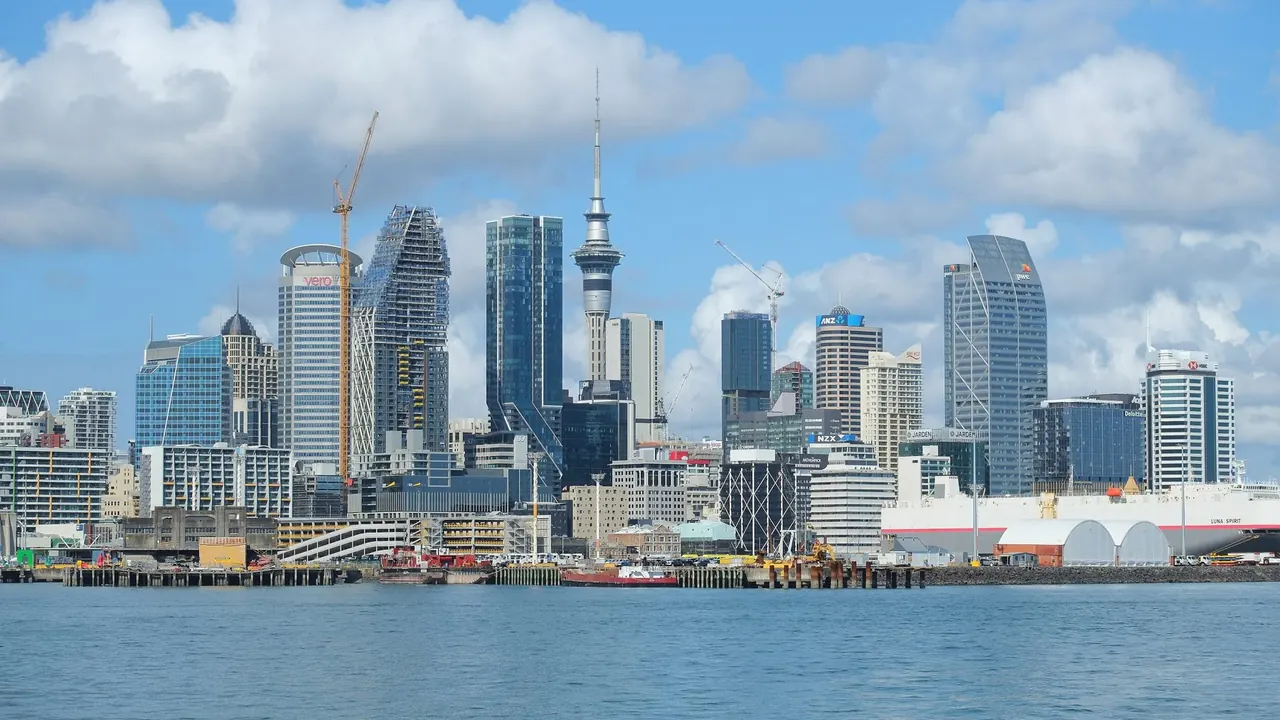
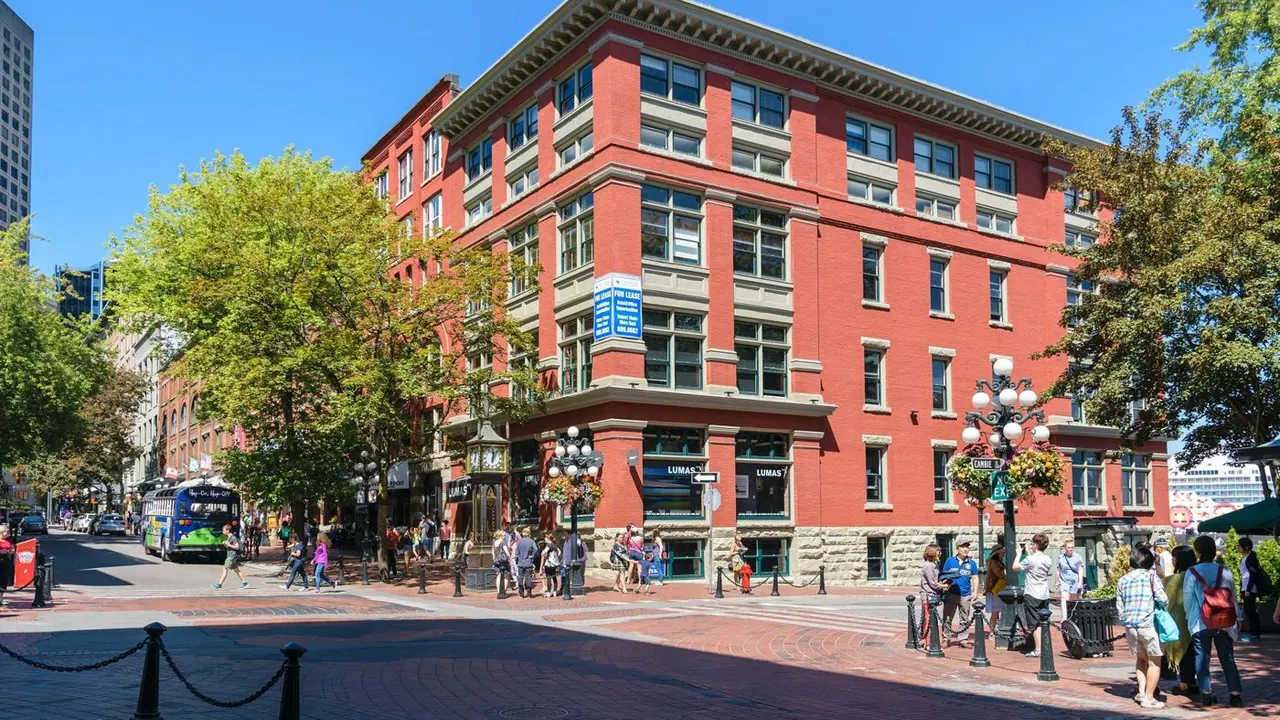
Photos: Auckland by Pseudopanax at English Wikipedia, Public domain; Vancouver by Xicotencatl, CC BY-SA 4.0, cropped.
Auckland or Vancouver?
Our verdict in twelve categories, each scored against the same fixed benchmark cities, and the climate month by month, so you can choose for your trip.
Choose Auckland for
- beaches
- day trips
- prices
Auckland suits a summer vacation built around the water. Its eastern bays are sandy, sheltered and warm enough for proper swimming, the west coast has wild black-sand surf beaches, and ferries go out to Waiheke and Rangitoto. It also has more good day trips, with vineyards, islands and Hobbiton within reach. Expect to hire a car for at least part of the stay.
Choose Vancouver for
- getting around
- nature and the outdoors
- food and drink
If you want mountains and forest right next to the city, pick Vancouver. The North Shore peaks, Stanley Park and the Sea-to-Sky Highway to Whistler make it the better base for walkers, cyclists and skiers. The SkyTrain and the compact downtown also make it much easier to get around without a car. The Asian food, above all dim sum and sushi, is better too. The sea is too cold to plan a trip around.
Scoreboard
Twelve categories on one fixed scale from 0 to 100. The shaded stretch is the gap between the two.
Your match
Pick a travel style or drag the sliders, and both match scores follow your weighting.
Wins on beaches and day trips with your weighting.
Wins on getting around and nature and the outdoors with your weighting.
What matters to you?
Category by category
What the scores mean for a trip.
Beaches & swimming
Auckland is the better beach city by a wide margin. The bays along Tamaki Drive and the North Shore are sandy and sheltered, and in late summer the water is warm enough for a real swim or a paddleboard session. Piha and Muriwai bring big Tasman surf, and Waiheke adds quieter white-sand coves.
Vancouver's beaches, from English Bay to Spanish Banks and Wreck Beach, are lovely places for a picnic, volleyball and the sunset. The water is the problem, though. Even in high summer it stays cold enough that most people only go in briefly, and the outdoor pool at Kitsilano is the warmer option.
Food & drink
Both cities eat best through their Asian communities, but Vancouver goes deeper. Its Cantonese dim sum and seafood rooms, many of them in Richmond, are among the best outside Asia, and cheap, good sushi is everywhere. Spot prawns, salmon and Dungeness crab give local menus a clear character.
Auckland's strength is range: regional Chinese, Korean and Malaysian cooking along Dominion Road, plus Pacific Island food at the markets. Green-lipped mussels and beach fish and chips are its seafood signatures, and the Waiheke vineyards make wine easier to fit into a stay than anything Vancouver offers.
Culture & sights
Both are young cities whose main sights take two or three days at most, and in each the best museum is about Indigenous art. Auckland's War Memorial Museum holds Māori and Pacific treasures, including a carved meeting house and a war canoe. Vancouver's Museum of Anthropology has a glass hall of Northwest Coast totem poles and canoes.
The rest is quite different. Auckland's history is mostly in its landscape, in the pā earthworks on the volcanic cones and the Victorian villas of Devonport. Vancouver has a little more old streetscape, with the cobbles and brick warehouses of Gastown and the classical garden in Chinatown.
Nightlife
Neither city is a reason to travel for nightlife, and evenings out in both are relaxed. The difference is in the layout. Auckland's going out is split between Ponsonby's wine and cocktail bars, the late alternative bars of Karangahape Road and the harbourside Viaduct, so a night often involves a taxi.
Vancouver has a single, loud club strip on Granville Street for a big weekend night. It also has craft brewery taprooms around Main Street, Gastown bars in old brick buildings, and Davie Village as its gay quarter.
Nature & outdoors
With mountains rising straight across the harbour, Vancouver has the wilder setting of the two. Auckland's outdoors is volcanic and coastal instead: grassy cones to climb inside the city, Rangitoto's lava fields a short ferry ride out, takahē and saddlebacks feeding in the open on Tiritiri Matangi, and kauri forest and waterfalls in the Waitākere Ranges. The Hauraki Gulf is fine water for sailing, kayaking and watching dolphins.
Vancouver adds height and snow. Grouse, Cypress and Seymour have forest trails in summer and lit ski runs in winter, all under half an hour from downtown, and the cedar and fir of Stanley Park are inside the city. The Sea-to-Sky Highway reaches Squamish's granite climbing walls and Whistler's alpine country in about two hours, which Auckland cannot match.
Day trips
Auckland has the better day trips. Waiheke, with its vineyards, villages and beaches, is only about forty minutes away by ferry. Matakana's wineries and market and the coast around Leigh are close, and Hobbiton makes a long but popular day to the south.
From Vancouver, the best outing is Victoria, and with a ferry crossing of about an hour and a half each way it makes a tiring day. Steveston, Fort Langley and Bowen Island are pleasant but small, and most of Vancouver's best days out are into the mountains rather than to other towns.
Good for families
The real difference with children is how spread out the days are. Auckland's attractions are scattered, so expect to drive between the zoo with its native wildlife section, MOTAT's trams and planes, and the modest rides at Rainbow's End. The reward is the calm east-coast bays, where children can swim properly in summer.
Vancouver puts much of a family day in one place. Stanley Park has the aquarium, the miniature train, a water park and the flat seawall for scooters, and Science World and the little False Creek ferries to Granville Island are central. Rain fills many days outside summer, though, and there is no major theme park.
Getting around
Vancouver is much easier without a car. The driverless SkyTrain runs from the airport to downtown, the SeaBus crosses the harbour, and the downtown, Gastown and Yaletown are close enough to walk or cycle along the seawall.
Auckland's centre is walkable but hilly, and its harbour ferries are a real pleasure. Beyond that, buses and a thin rail network serve a sprawling, car-shaped city. The west-coast beaches, the Waitākere Ranges and the northern wineries usually mean hiring a car or booking a tour.
Shopping & style
Vancouver offers more choice, with international flagships on Robson Street, luxury houses on Alberni Street and an underground mall for wet days. It is also the home of technical outdoor clothing and athleisure brands. Granville Island's studios and Northwest Coast Indigenous prints and carvings give the best souvenirs.
Auckland is about New Zealand design rather than big names: local labels in Ponsonby and Newmarket, merino and possum-wool knitwear, pounamu carvings, and the Pacific character of the Ōtara market.
Affordability
Both are expensive, and there is little to separate them. In both cities summer is the costly season for hotels, and the cheapest meals are Asian: food courts and dumpling houses in Auckland, noodle shops and dim sum in Vancouver.
The extra costs come from different places. In Auckland, ferries, tours and car hire add up. In Vancouver, sales tax and tipping push up restaurant bills, and the North Shore attractions cost a lot for families, though rooms get noticeably cheaper outside summer.
Live music & performing arts
Vancouver has the fuller programme, especially in summer. Bard on the Beach stages Shakespeare in tents with the mountains behind, the Fringe takes over Granville Island, and the jazz and folk festivals draw big crowds. Year-round, the symphony plays in the Orpheum and Ballet BC and the opera perform at the Queen Elizabeth Theatre.
Auckland's calendar is smaller. Its highlights are the Philharmonia in the Town Hall, touring shows under the starry ceiling of the Civic, and the Arts and Pasifika festivals, where Pacific music, dance and kapa haka offer something Vancouver does not.
Wellness & relaxation
Neither city has a bathing tradition of its own, and both are calm places where slowing down comes easily. In Auckland, the natural hot springs at Parakai make a half-day trip about an hour away, and Waiheke has a slower pace and a few retreats.
Vancouver relies more on its setting and its practitioners. Visitors unwind with seawall and forest walks, long-established yoga studios, and the massage and reflexology places of Chinatown and Richmond. The big outdoor spas are a drive away near Whistler.
When should you go?
Pick your month. The climate figures are measured averages, not a forecast.
Auckland in July
Vancouver in July
Daytime high, °C
Rainfall in the month, mm
Where the figures come from
Auckland's station stands 189 m below the city centre, so the centre is likely a little cooler than the figures say.
Temperature and rainfall are climate normals, averaged over the years shown. Auckland: 1961-1990 normals, Auckland Aerodrome Aws (17 km from centre). Vancouver: 1991-2020 normals, Vancouver Harbour CS (4.4 km from centre).
The two cities have opposite seasons. Auckland is at its best from December to March, when days reach about 24°C and the sea warms to around 21°C, which is warm enough to swim comfortably in the eastern bays. Its winter is mild for walking the streets but wet, with the most rain around July at about 135mm. The sea is cool for most of the year outside late summer.
Vancouver's good season is July and August, with highs near 23°C. These are also its driest and sunniest months. Even then the sea stays cold, so it is a summer for walking, cycling and sitting on the shore rather than swimming. From October the rain comes back hard, peaking at around 245mm in November, and the short, grey, chilly days last until spring.
Which traveller are you?
For a beach and sun trip, Auckland is clearly the choice. Its calm, sandy east-coast bays are warm enough to swim in during late summer, and the surf beaches and Waiheke's white sand add variety. Vancouver's water is only good for a quick dip.
On an outdoors trip, Vancouver has the edge. Forest trails, canyons and ski runs sit under half an hour from downtown, and Whistler and Squamish are a drive up the coast. Auckland answers with volcanoes, island walks and sailing in the gulf.
For a short city break, Vancouver works better. You can walk the downtown, take the SkyTrain from the airport and eat excellent dim sum and sushi, all without a car. Auckland's sights are spread out, and the best of them need a car or a tour.
Before you go
| Measure | Auckland | Vancouver |
|---|---|---|
| Official language | English, New Zealand Sign Language, Māori | French, English |
| Currency | New Zealand Dollar (NZD) | Canadian Dollar (CAD) |
| Sockets | I230 V, 50 Hz | AB120 V, 60 Hz |
| Driving side | Left | Right |
| Time zone | UTC+12, UTC+13 in summer | UTC-8, UTC-7 in summer |
| Emergency number | 111 | 911 |
| Elevation | 196 m | 2 m |
| Main airport | Auckland International Airport (AKL)18 km from centre63 non-stop destinations | Vancouver International Airport (YVR)9 km from centre109 non-stop destinations |
| Public holidays this year | 12 days | 11 days |
By the numbers
| Measure | Auckland | Vancouver |
|---|---|---|
| City population | 1,470,100 | 662,248 |
| People per km² | 2,630 | 5,759 |
| Museums within 10 km | 15 | 26 |
| UNESCO World Heritage sites within 50 km | 0 | 0 |
| Swim season, months above 21 °C | 1 month | None |
Where else could you go?
Every comparison below shares a destination with this one, so you can follow Auckland or Vancouver somewhere new.