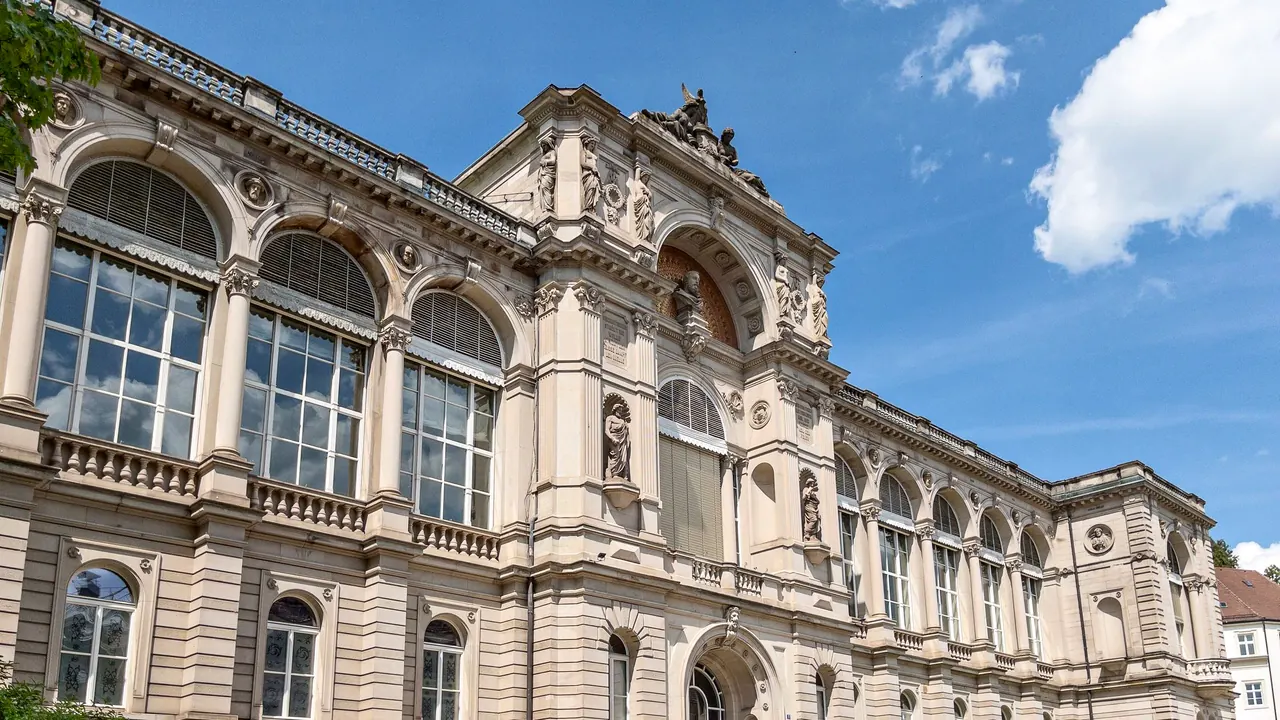
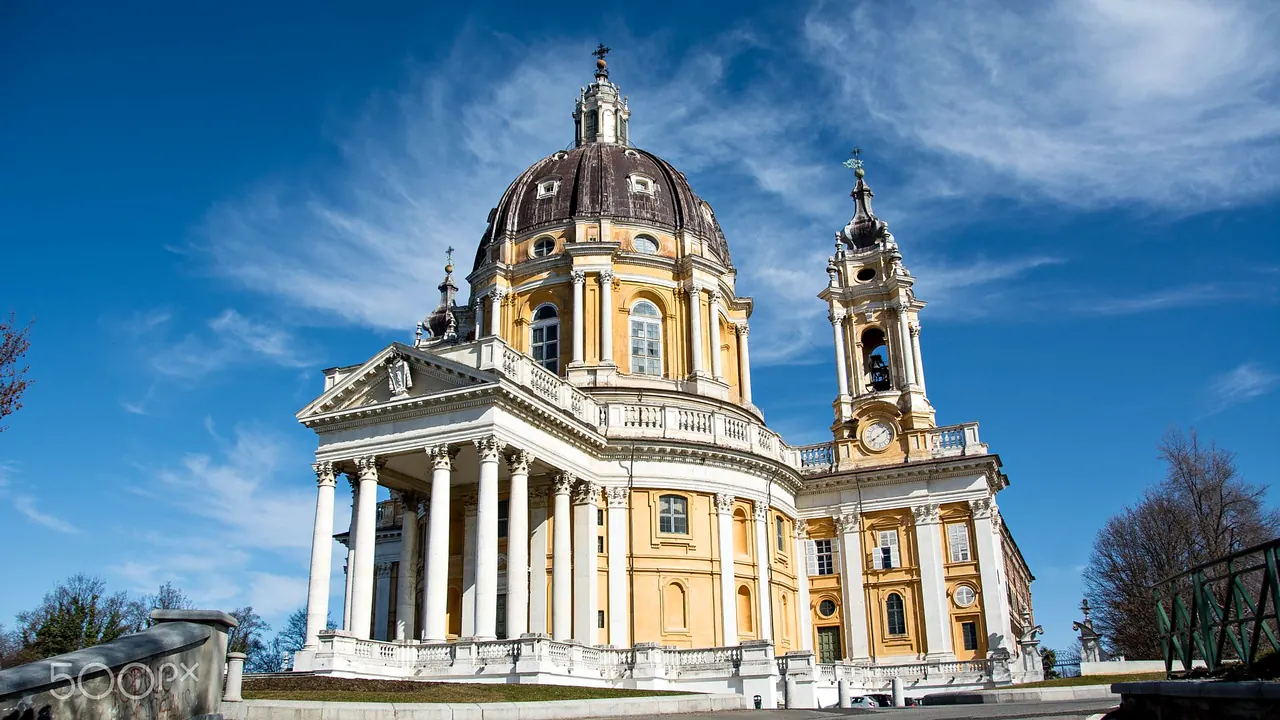
Photos: Baden-Baden by Kent Wang, CC BY-SA 2.0, cropped; Turin by Konstantin Dacosta, CC BY 3.0, cropped.
Baden-Baden or Turin?
Our verdict in twelve categories, each scored against the same fixed benchmark cities, and the climate month by month, so you can choose for your trip.
Choose Baden-Baden for
- wellness
Baden-Baden suits a trip whose whole point is to slow down. The Friedrichsbad and Caracalla baths, walks along the Lichtentaler Allee, a concert at the Festspielhaus and an early night make for days of real rest. Couples and older travellers who want calm more than a full programme will like it best, with Strasbourg and the Black Forest close by for variety. Expect quiet evenings and a stay that costs more than most.
Choose Turin for
- food and drink
- nightlife
- prices
For almost any active city trip, Turin is the stronger pick. It eats far better, from agnolotti and Barolo to the aperitivo ritual. It has the Museo Egizio and the palaces of a royal capital, livelier evenings in San Salvario and the Quadrilatero, and the Alps and the Langhe wine hills within reach. It is also easier on the budget, though nobody goes there to take the waters.
Scoreboard
Twelve categories on one fixed scale from 0 to 100. The shaded stretch is the gap between the two.
Your match
Pick a travel style or drag the sliders, and both match scores follow your weighting.
Wins on wellness with your weighting.
Wins on food and drink and nightlife with your weighting.
What matters to you?
Category by category
What the scores mean for a trip.
Beaches & swimming
Neither city is a beach destination, and swimming is only a summer extra in both. In Baden-Baden that means the flooded gravel pits of the Rhine plain or an outdoor pool. Turin's locals head for lakes such as Avigliana or Viverone, or further to Lago Maggiore, and the Ligurian sea is a long day out at almost two hours each way.
Food & drink
Baden-Baden eats pleasantly rather than memorably. Flammkuchen, venison, Black Forest ham and cherry gateau fill its menus, and its best evenings are in the Rebland wine taverns among the Riesling and Pinot Noir slopes. The town is small, though, and serious meals mean a drive into the Black Forest.
Turin is a city people travel to for its food. Piedmontese dishes such as agnolotti del plin, vitello tonnato and autumn white truffles go with Barolo and Barbaresco, and the city has its own vermouth, gianduiotti and bicerin. Porta Palazzo market adds produce and cheap snacks, and the aperitivo is a ritual of its own.
Culture & sights
In Baden-Baden the town itself is the sight: a Belle Époque spa resort with the Kurhaus, the Trinkhalle, the hillside villas and the Russian church. The Museum Frieder Burda and the Kunsthalle add good modern art, but a day or two covers it.
Turin has far more to see. The Museo Egizio alone justifies the trip, and around it stand the Royal Palace, Palazzo Madama, the cathedral that holds the Shroud and the Savoy residences out to Venaria. The Mole's cinema museum, the Lingotto factory and Castello di Rivoli carry the story into the industrial and modern age.
Nightlife
A night out in Baden-Baden means the gilded casino in the Kurhaus, with its dress code, then a hotel bar or a glass of wine. The crowd is older and the streets are quiet by late evening.
Turin is far livelier. The aperitivo leads on to small cocktail bars in the Quadrilatero Romano, student crowds on the pavements of San Salvario and a more alternative feel in Vanchiglia. In summer the Murazzi along the Po fill up, and there are clubs, though the mood is sociable rather than wild.
Nature & outdoors
Baden-Baden's strength is how close the outdoors is. The fir forest starts at the edge of town, the Merkur funicular and the Battert cliffs are minutes away, and the Panoramaweg runs through vineyards. Further out, the Black Forest High Road climbs to just over 1,100m: wooded upland with modest winter skiing.
Turin offers mountains of a different size. Gran Paradiso's ibex and high trails, the Susa valley and the ski slopes around Sestriere are an hour or so away, with hut-to-hut hiking, climbing and proper Alpine skiing. Valentino park and the Superga hills cover gentler days, but the wild country needs a car or a train.
Day trips
Both make excellent bases. Baden-Baden's outings cross a border: Strasbourg and the Alsace wine villages are about an hour away, Heidelberg and Freiburg are easy by train, and Speyer and Maulbronn add two UNESCO sites.
Turin's list goes a little deeper. The Langhe wine hills, with Alba, Barolo and Bra, are about an hour south, Milan is an hour by fast train, and the Sacra di San Michele abbey sits on its rock above the Susa valley. Aosta, Genoa and Lago Maggiore are all possible within two hours.
Good for families
Baden-Baden is safe and easy, and the funicular and forest trails go down well with children. But it is built around adults taking the waters, and the Friedrichsbad turns away young children. Families tend to spend their days at Europa-Park, an hour south, or Karlsruhe's zoo.
Turin keeps children busier within the city. The flat, arcaded grid suits pushchairs, the glass lift up the Mole and the mummies of the Museo Egizio work well for older children, and the rack railway to Superga is an outing in itself. Zoom Torino is the big day out, though summers can be sticky.
Getting around
Baden-Baden's centre is small enough to walk, though some streets climb steeply, and the railway station sits a few kilometres out in Oos, linked by buses. Its best outings, along the High Road and into Alsace, really need a car.
Turin is a large city that you can mostly walk, on a flat grid with kilometres of arcades from Porta Nuova to the Mole. One metro line and the trams cover longer journeys, and its good rail links mean a car is needed only for the wine hills and the mountains.
Shopping & style
Baden-Baden's shopping is polished but narrow. Sophienstraße and Lange Straße hold jewellers, watchmakers, fashion boutiques and delicatessens for a well-off spa crowd, and browsing them suits a slow afternoon. There are no department stores or real markets, and serious shoppers go to Strasbourg.
Turin has much more range. Luxury labels line the arcades of Via Roma, Via Garibaldi has the mainstream shops, antique dealers cluster on Via Maria Vittoria, and the Balon flea market behind Porta Palazzo fills up on Saturdays. The best things to take home are edible: chocolate, truffles, cheese and Piedmontese wine. Designer fashion, though, is a short list.
Affordability
Baden-Baden was built for the wealthy and is still priced for them. Grand hotels set the tone and the baths charge for every visit. Guesthouses, bakeries and wine taverns are fair, but a spa-centred stay adds up.
Turin is noticeably kinder to the budget. Central hotels are fairly priced outside big trade fairs, a generous aperitivo can replace dinner, and trattorie and Porta Palazzo stalls are good value. Costs climb with fine dining, truffle season and museum tickets.
Live music & performing arts
Baden-Baden's music is classical and little else. The Festspielhaus, one of Germany's largest concert halls, brings leading international orchestras and opera, and the town's links with Brahms and Clara Schumann run deep. Jazz and rock barely feature.
Turin offers the wider year-round programme. The Teatro Regio has full opera and ballet seasons, the RAI National Symphony Orchestra and the Lingotto auditorium host concerts, and jazz clubs and festivals fill the gaps, though theatre is almost all in Italian.
Wellness & relaxation
Baden-Baden is one of Europe's great bathing towns. The silent, domed Friedrichsbad takes visitors through a fixed sequence of hot rooms and pools, while Caracalla adds outdoor pools and saunas, all fed by springs the Romans used.
Turin has no bathing culture to match. It does have a calm pace, with long café breaks, arcade walks and quiet afternoons in Valentino park, but its spas are in hotels. For thermal waters, Acqui Terme and the Aosta valley baths are close to two hours away.
When should you go?
Pick your month. The climate figures are measured averages, not a forecast.
Baden-Baden in July
Turin in July
Daytime high, °C
Rainfall in the month, mm
Where the figures come from
Turin has no rain gauge within 25 km of the centre, so its rainfall comes from a gridded climate dataset read at the destination rather than from a gauge further away.
Temperature and rainfall are climate normals, averaged over the years shown. Baden-Baden: 1991-2020 normals, Baden-Baden-Geroldsau (3.9 km from centre). Turin: 1991-2020 normals, Torino / Caselle (15.4 km from centre).
Baden-Baden is mild and green in summer, with highs of around 25°C in July and August and the longest, sunniest days of the year. Rain falls fairly evenly in every month, though, so there is no dry season to aim for. Late spring to early autumn is the time for the forest trails and wine villages. From November to February the days are cold, wet and short, with very little sunshine, which is weather for the thermal baths rather than walking.
Turin is warmer and its seasons are more distinct. July reaches about 29°C and can feel sticky on the plain, while winters are cold but much drier, with only about 34mm of rain in January. The wettest month is May, at about 115mm, and rain rises again in autumn. September and early October, still warm and good for walking, are the city's best stretch, and April and June are also good. Neither city has a beach season worth planning around.
Which traveller are you?
On a relaxing and wellness trip, Baden-Baden is the clear choice. Its Roman hot springs feed the Friedrichsbad and Caracalla, and the whole town runs at a spa pace. Turin is calm enough, but real thermal waters there mean a two-hour journey.
For a food and nightlife trip, Turin wins easily. Agnolotti, Barolo, bicerin and the aperitivo ritual lead on to evenings in San Salvario and the Quadrilatero. Baden-Baden has wine taverns and a dressed-up casino, and its streets are quiet by late evening.
On a culture and arts trip, Turin gives you many more days of sightseeing: the Museo Egizio, the Savoy palaces, the cinema museum in the Mole and the Teatro Regio. Baden-Baden's Belle Époque streets and its Festspielhaus are worth a day or two, not a week.
Before you go
| Measure | Baden-Baden | Turin |
|---|---|---|
| Official language | German | Italian |
| Currency | Euro (EUR) | Euro (EUR) |
| Sockets | CF230 V, 50 Hz | CFL230 V, 50 Hz |
| Driving side | Right | Right |
| Time zone | UTC+1, UTC+2 in summer | UTC+1, UTC+2 in summer |
| Emergency number | 112 | 112 |
| Elevation | 181 m | 239 m |
| Main airport | Karlsruhe Baden-Baden Airport (FKB)12 km from centre44 non-stop destinations | Turin Airport (TRN)14 km from centre65 non-stop destinations |
| Public holidays this year | 12 days | 13 days |
By the numbers
| Measure | Baden-Baden | Turin |
|---|---|---|
| Population | 56,952 | 841,600 |
| People per km² | 406 | 6,474 |
| Museums within 10 km | 11 | 72 |
| UNESCO World Heritage sites within 50 km | 3 | 4 |
Where else could you go?
Every comparison below shares a destination with this one, so you can follow Baden-Baden or Turin somewhere new.
- Strasbourgvs Baden-Baden
- Stuttgartvs Baden-Baden
- Heidelbergvs Baden-Baden
- Freiburgvs Baden-Baden
- Colmarvs Baden-Baden
- Zermattvs Turin