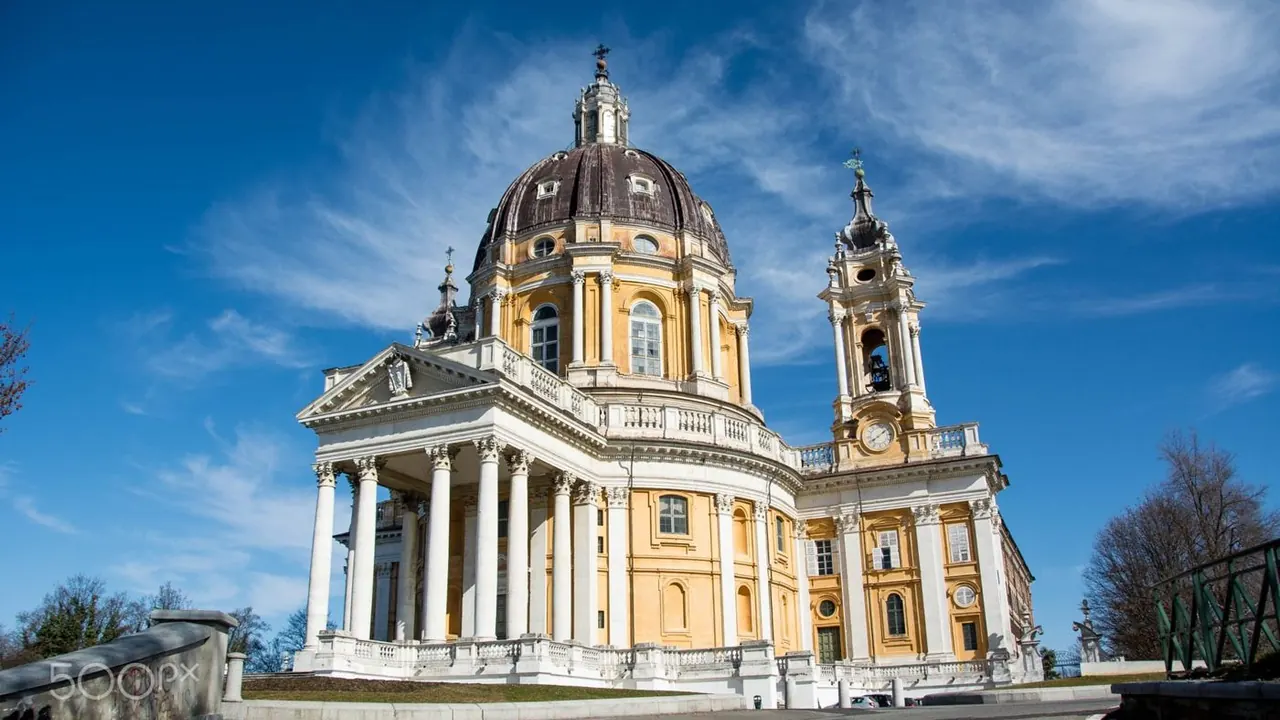
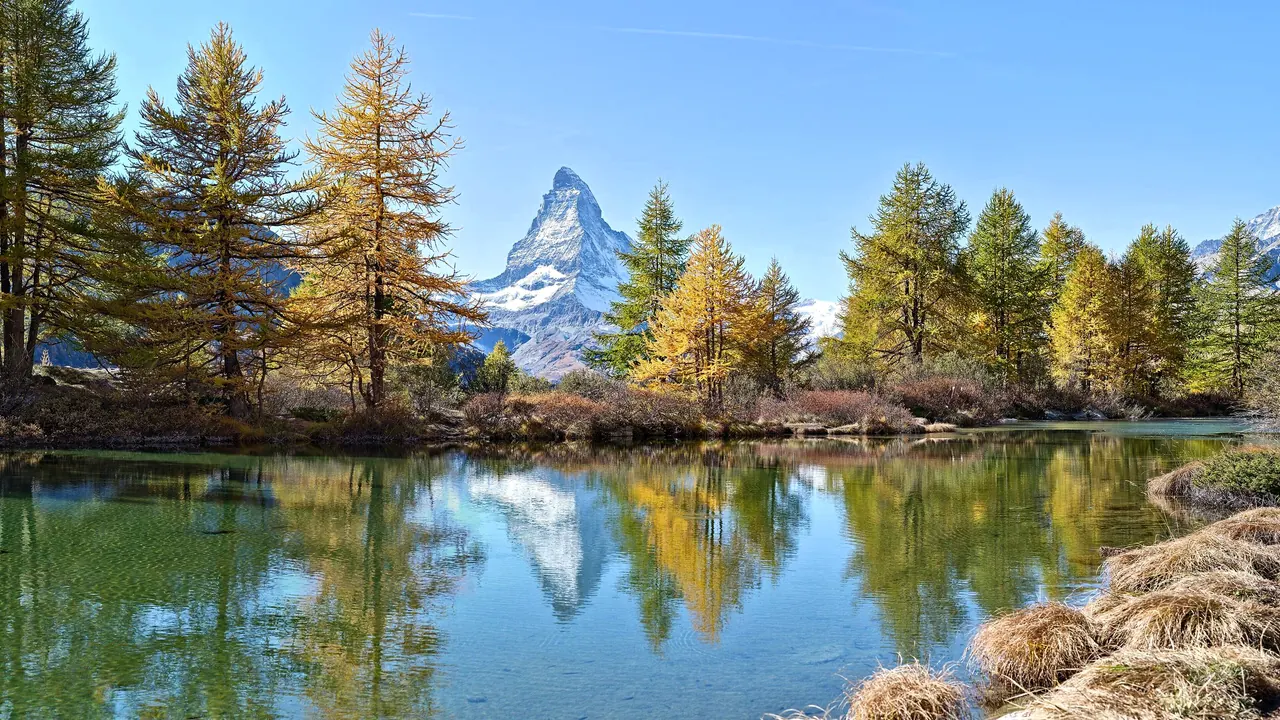
Photos: Turin by Konstantin Dacosta, CC BY 3.0, cropped; Zermatt by Roy Egloff, CC BY-SA 4.0, cropped.
Turin or Zermatt?
Our verdict in twelve categories, each scored against the same fixed benchmark cities, and the climate month by month, so you can choose for your trip.
Choose Turin for
- culture and sights
- prices
- day trips
Turin suits a traveller who wants a real city to fill the days. It has the Museo Egizio, the Savoy palaces, an opera house and some of Italy's richest cooking, and the Langhe wine hills and Milan are within easy reach. It also costs far less, and the Alps are close enough for a day or two in the mountains.
Choose Zermatt for
- nature and the outdoors
- getting around
- wellness
Zermatt is for people who travel to be in high mountains. The Matterhorn rises over a car-free village, lifts climb to glaciers, and there is skiing in winter and long trails in summer. There is little to do in the village beyond eating, sleeping and the spa, and the prices are steep. It suits skiers, hikers and climbers who will spend each day outdoors.
Scoreboard
Twelve categories on one fixed scale from 0 to 100. The shaded stretch is the gap between the two.
Your match
Pick a travel style or drag the sliders, and both match scores follow your weighting.
Wins on culture and sights and prices with your weighting.
Wins on nature and the outdoors and getting around with your weighting.
What matters to you?
Category by category
What the scores mean for a trip.
Beaches & swimming
Neither is a place to swim, but Turin at least has options. Lakes such as Avigliana and Viverone are close for a summer dip, and the Ligurian coast around Varazze can be reached in a long day.
In Zermatt the mountain tarns are too cold even in August, so swimming means a hotel pool.
Food & drink
Turin is one of Italy's great food cities. It has agnolotti del plin, tajarin and vitello tonnato, Barolo and Barbaresco on every list, white truffles in autumn, gianduiotti and bicerin in the arcade cafés, and the aperitivo, which began here. Porta Palazzo adds cheap market eating.
Zermatt's best meals are long lunches at chalets in Findeln or Zum See, with raclette, air-dried beef and Petite Arvine. In the village the choice is narrow and costly, and many kitchens close between seasons.
Culture & sights
The gap here is wide. Turin was the first capital of united Italy, and it has the palaces to show for it, from the Royal Palace and Palazzo Madama to the UNESCO-listed Savoy residences. It also has one of the world's great Egyptian collections, the Shroud in its cathedral, and the industrial story told at the Lingotto and the car museum.
Zermatt's heritage is about climbing. The Matterhorn Museum tells the story of the 1865 first ascent, the mountaineers' cemetery holds climbers' graves, and the old larch barns stand in the Hinterdorf. All of it fits into a single morning.
Nightlife
Turin's evenings last longer and offer more variety. They start with the aperitivo and move on to the wine bars of the Quadrilatero Romano, the student pavements of San Salvario, Vanchiglia and, in summer, the Murazzi by the Po. The mood is sociable rather than wild.
Zermatt's nightlife is winter après-ski: ski boots and loud music in slope-side bars, and a few late spots on the main street. In summer the hikers go to bed early.
Nature & outdoors
Both cities sit close to the Alps, but in Zermatt you are already among the peaks. The Matterhorn stands over the village, dozens of four-thousanders and the Gorner Glacier surround it, and lifts climb straight from the streets. That gives summer skiing on the glacier, hundreds of kilometres of trails and guided ascents.
Turin reaches the Gran Paradiso, the Susa valley and the Via Lattea slopes in about an hour or more. Closer in, it has the Superga hills, the Mandria forest and the cycle paths along the Po, which are gentler but always there.
Day trips
Turin is much the better base for days out. The Langhe wine villages of Alba, Barolo and La Morra are about an hour south, Milan is a fast train away, and the Sacra di San Michele, Aosta and Genoa all make good full days.
From Zermatt, every outing starts with the slow train down the valley. Sion's castle hills and Brig's Stockalper Palace are the best of them. Most visitors would rather spend a spare day up on the mountain.
Good for families
Both work reasonably well with children, though in different ways. Turin is flat, and its arcades shelter pushchairs. It has more to fill a rainy day, with the glass lift up the Mole, the mummies, the car museum and the rack railway to Superga, and the Zoom park is a drive away.
Zermatt's car-free streets, nursery slopes and marmot-spotting walks are lovely for active families. When the weather turns, though, there is little else to do, and the thin air at the highest viewpoints is hard on small children.
Getting around
Zermatt is the easier of the two once you arrive. There are no cars, the village is a compact strip you can walk, and the cog railway, the funicular and the gondolas all start within walking distance. Expect the train change at Täsch and a steep climb to hotels on the slopes.
Turin's grid centre is just as walkable, from Porta Nuova to the Mole. Beyond it you rely on a single metro line and on trams that take some working out, but Turin is far better linked to the rest of Italy.
Shopping & style
Turin offers far more choice. There are luxury labels under the arcades of Via Roma, the long pedestrian Via Garibaldi, antique dealers on Via Maria Vittoria, and the Balon flea market on Saturdays. Above all it has chocolate, truffles and Piedmontese wine to take home.
Zermatt's single main street sells Swiss watches, Matterhorn souvenirs and excellent ski and climbing gear, but little else.
Affordability
This is the starkest difference between them. Turin is fairly priced for a large city: its trattorie and markets are good value, transport is cheap, and only fine dining and truffle season push costs up.
Zermatt is expensive even by Alpine standards. Plain hotel rooms, terrace lunches and the lift passes everyone needs all cost a lot. Sleeping in Täsch and eating picnics from the supermarket help, but only so much.
Live music & performing arts
Turin has a full programme all year. There is opera and ballet at the Teatro Regio, the RAI National Symphony Orchestra, concerts at the Lingotto and small jazz venues across the centre, although the theatre is almost all in Italian.
Zermatt has no stage of its own. Its calendar depends on two festivals, Zermatt Unplugged in spring and chamber music in the church in late summer.
Wellness & relaxation
Neither has thermal springs, but Zermatt is the more restorative of the two. It has an unusual number of fine hotel spas with mountain views, and its car-free streets and clear air are quiet, particularly on winter evenings after skiing.
Turin relaxes you in a different way, through long café breaks, strolls under the arcades and slow afternoons in Valentino park. For real thermal baths, you would travel to Acqui Terme.
When should you go?
Pick your month. The climate figures are measured averages, not a forecast.
Turin in July
Zermatt in July
Daytime high, °C
Rainfall in the month, mm
Where the figures come from
Turin has no rain gauge within 25 km of the centre, so its rainfall comes from a gridded climate dataset read at the city rather than from a gauge further away.
Zermatt has no weather station within reach, so its figures come from a gridded climate model rather than a measured record, and read a broad area rather than the city itself.
Temperature and rainfall are climate normals, averaged over the years shown. Turin: 1991-2020 normals, Torino / Caselle (15.4 km from centre). Zermatt: 1991-2020 normals, TerraClimate 4 km grid at the town, no weather station within 90 km.
Turin is at its most comfortable in spring and autumn. April, September and October are mild for walking the arcades, though late spring brings the heaviest rain, around 115mm in May. July and August reach about 29°C and feel sticky on the plain. Winters are cool but mostly dry, which suits museums, cafés and bagna cauda.
Zermatt follows the mountain seasons. From December to February daytime highs stay below freezing, which is ski weather. In July and August, highs of around 14°C give fresh hiking days rather than warm ones. November is Zermatt's wettest month, at 130mm, more than Turin gets in any month of the year. In spring and autumn, while the village is still cold, Turin is the more pleasant of the two.
Which traveller are you?
On a culture and arts trip, Turin is the clear choice. The Museo Egizio, the Royal Palace, the Reggia di Venaria and the Cinema Museum in the Mole come with an opera and ballet season at the Teatro Regio. Zermatt's mountaineering museum fills a morning.
For an outdoors trip, Zermatt is in a class of its own. Lifts go straight from the village to glaciers above 3,800m, and there are four-thousanders to climb with guides, the Five Lakes walk and skiing across into Italy. Turin's Alps are good, but they are an hour away.
On a tight budget, Turin is the only realistic option of the two. An aperitivo can replace dinner, Porta Palazzo market is cheap and the centre is walkable. In Zermatt, beds, mountain lunches and lift tickets are all costly, even with self-catering.
Before you go
| Measure | Turin | Zermatt |
|---|---|---|
| Official language | Italian | French, German, Italian, Romansh |
| Currency | Euro (EUR) | Swiss Franc (CHF) |
| Sockets | CFL230 V, 50 Hz | CJ230 V, 50 Hz |
| Driving side | Right | Right |
| Time zone | UTC+1, UTC+2 in summer | UTC+1, UTC+2 in summer |
| Emergency number | 112 | 112 |
| Elevation | 239 m | 1,624 m |
| Main airport | Turin Airport (TRN)14 km from centre65 non-stop destinations | Geneva International Airport (GVA)128 km from centre150 non-stop destinations |
| Public holidays this year | 13 days | 9 days |
By the numbers
| Measure | Turin | Zermatt |
|---|---|---|
| City population | 841,600 | 6,023 |
| People per km² | 6,474 | 25 |
| Museums within 10 km | 72 | 2 |
| UNESCO World Heritage sites within 50 km | 4 | 2 |
Where else could you go?
Every comparison below shares a destination with this one, so you can follow Turin or Zermatt somewhere new.
- Chamonixvs Zermatt
- Interlakenvs Zermatt
- Luganovs Zermatt
- Lausannevs Zermatt
- Bernvs Zermatt
- Comovs Zermatt