Photos: Baja California Sur by Stan Shebs, CC BY-SA 3.0, cropped; Riviera Nayarit by গীতাশ্ৰী গগৈ আপ্তে, CC BY-SA 4.0, cropped.
Baja California Sur or Riviera Nayarit?
Our verdict in twelve categories, each scored against the same fixed benchmark cities, and the climate month by month, so you can choose for your trip.
Choose Baja California Sur for
- nightlife
- culture and sights
- nature and the outdoors
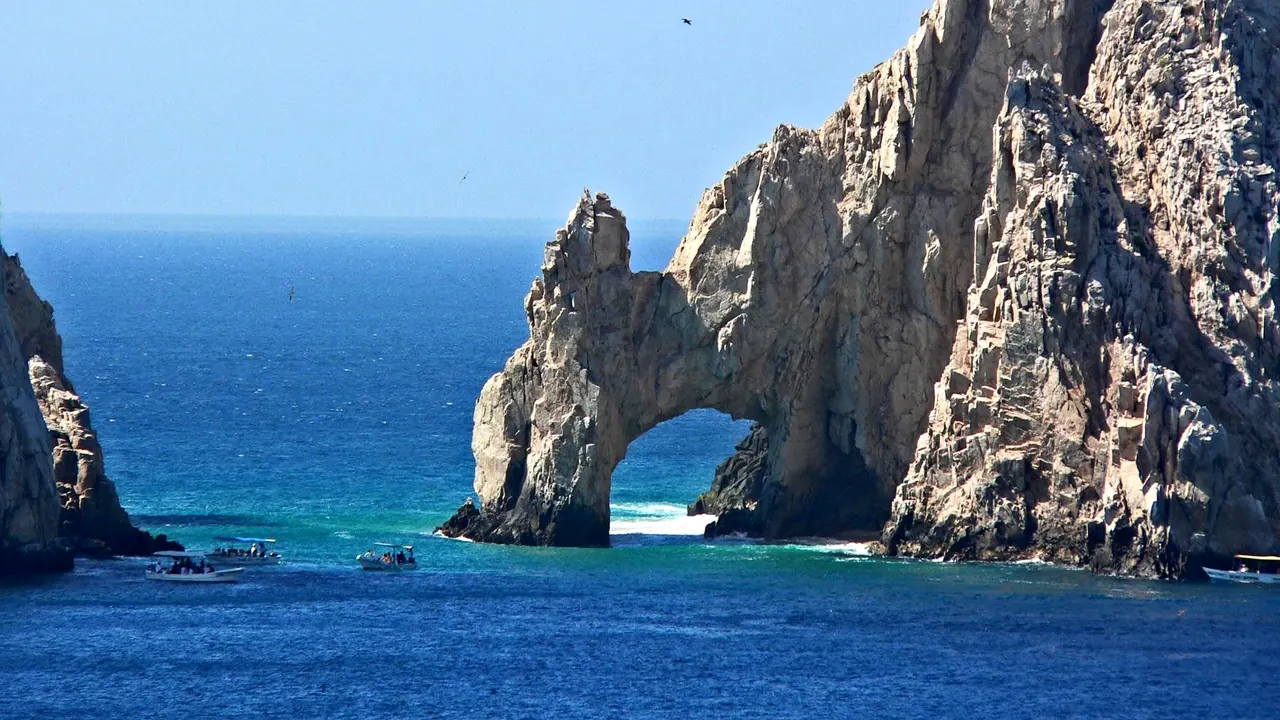
Baja California Sur suits travellers who want the wildlife of two seas and a desert landscape to go with it. Gray whales calving in the Pacific lagoons, sea lions off Isla Espíritu Santo and the reef at Cabo Pulmo make it the stronger choice for anyone who plans days around boats and snorkels. Cabo San Lucas also gives it a real party town, and its scattered missions offer a little more history. In return it is spread out, needs a car and is dear around Los Cabos.
Choose Riviera Nayarit for
- day trips
- families
- getting around
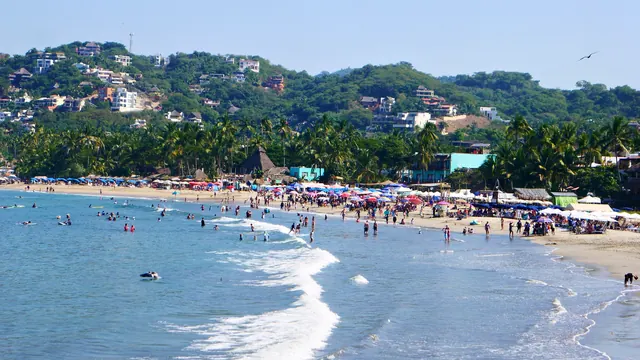
Riviera Nayarit is the easier, gentler beach trip. The airport sits at the foot of the coast, the villages line up along one highway, and Nuevo Vallarta's calm, shallow bay and child-friendly resorts make it the better pick for families. Its evenings are quieter, apart from Sayulita, and Puerto Vallarta next door adds the town life and outings the coast itself lacks. Costs stay lower too, as long as you avoid Punta de Mita.
Scoreboard
Twelve categories on one fixed scale from 0 to 100. The shaded stretch is the gap between the two.
Your match
Pick a travel style or drag the sliders, and both match scores follow your weighting.
Wins on nightlife and culture and sights with your weighting.
Wins on day trips and families with your weighting.
What matters to you?
Category by category
What the scores mean for a trip.
Beaches & swimming
These two are evenly matched for beaches, but the coasts look and feel very different. Baja's best swimming is on the Sea of Cortez: the turquoise shallows of Balandra and El Tecolote against red desert hills, boat trips to the coves of Espíritu Santo, and snorkelling bays like Chileno along the Cabo corridor. Its Pacific side is mostly too rough to swim.
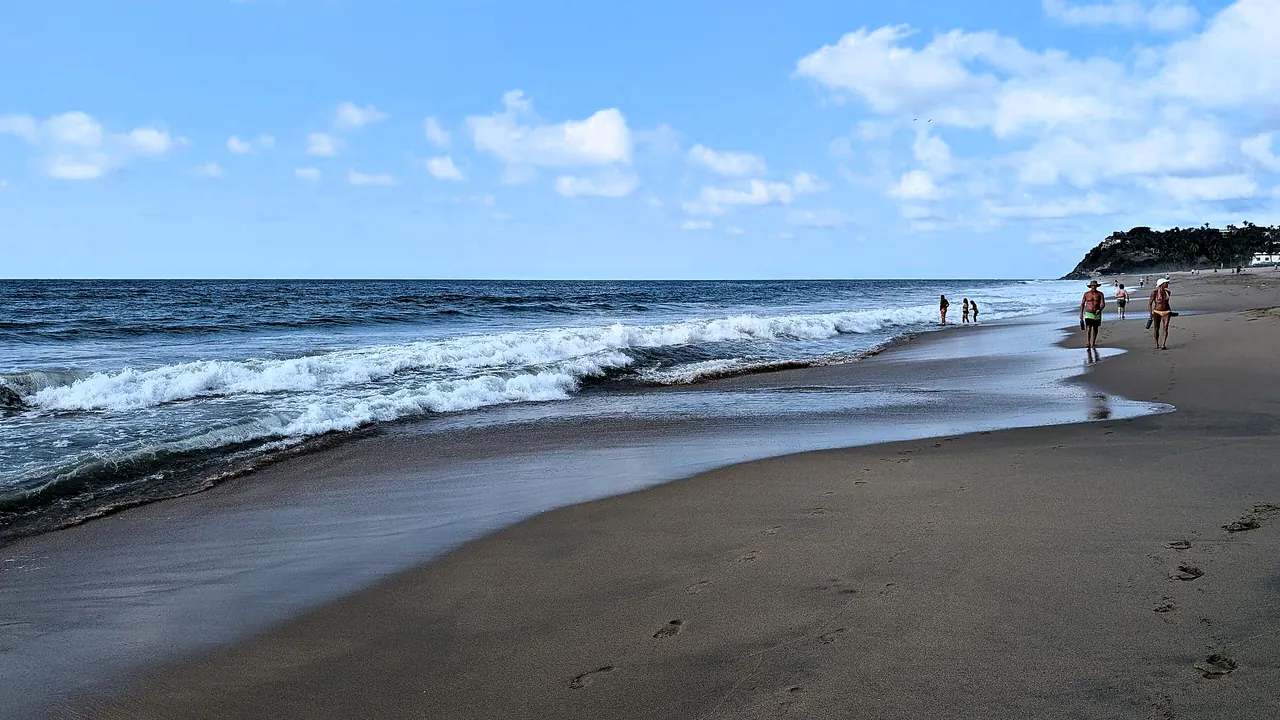
Nayarit has longer, wider sand, especially along the north shore of Banderas Bay from Nuevo Vallarta to La Cruz. It also has surf-town beaches at Sayulita and San Pancho. The winter sea is a few degrees warmer here, while Baja has the clearer water and the starker scenery.
Food & drink
The food is about equal on both coasts, and on both it is about seafood, with the same gap once you leave the fish behind. Baja's specialities are chocolate clams roasted over a fire and margaritas made with damiana. It also has a chef-led, farm-to-table tier in the orchards around San José del Cabo, and La Paz is where locals eat.
Nayarit's signature is pescado zarandeado, whole fish grilled over coals at beach shacks, along with shrimp tamales and the port restaurants of La Cruz. For more variety, Nayarit can lean on Puerto Vallarta next door, while Baja's best restaurants are spread across its own towns.
Culture & sights
Neither is a heritage destination, but Baja California Sur has more history to see. Loreto keeps the first mission of the Californias, San Javier stands in its mountain valley, and San José del Cabo and Todos Santos have colonial and adobe streets. The painted canyons of the Sierra de San Francisco are an expedition for the committed.
Nayarit's history is mostly in San Blas, with its ruined hilltop fort, and at the Altavista petroglyphs. Its living culture is Huichol beadwork and yarn painting rather than buildings.
Nightlife
Baja California Sur has a proper night out, Nayarit largely does not. Cabo San Lucas fills its marina streets with tequila bars, dance clubs and party boats, and Médano Beach starts drinking by day. It is loud and aimed at groups, while the rest of the peninsula goes to bed early.
Nayarit's one lively spot is Sayulita, where surfers and young travellers fill the plaza bars and mezcal places. It is sociable rather than wild, and anyone wanting clubs takes a taxi to Puerto Vallarta.
Nature & outdoors
Both are wildlife coasts, but Baja California Sur's is in a class apart. Its gray whale lagoons, where mothers nudge calves up to the boats, are rare anywhere. It adds whale sharks off La Paz, sea lion snorkelling, the living reef of Cabo Pulmo and winter kitesurfing at La Ventana.
Nayarit has its own green side, with humpbacks in Banderas Bay and the seabird arches of the Marietas Islands. San Blas has crocodile-filled mangroves and fine birdwatching, and there are surf breaks for beginners. Its jungle hills contrast with Baja's desert and pine sierra.
Day trips
Riviera Nayarit has more to do on a day out, largely because Puerto Vallarta is next door, with its old town, malecón and boats to roadless Yelapa. The beach villages along Highway 200 each make an easy outing. San Sebastián del Oeste, an old silver-mining town, is a mountain trip of about two hours.
Baja's outings are more modest: Todos Santos from Cabo, the mining villages of El Triunfo and San Antonio from La Paz, or the drive up to San Javier from Loreto. Its best excursions are boat trips rather than towns.
Good for families
Riviera Nayarit is the more straightforward family choice. Nuevo Vallarta's resorts are built for children on calm, shallow sand, a water park is nearby, and turtle releases and winter whale watching are easy wins. Rincón de Guayabitos is a quieter cove where many Mexican families go.
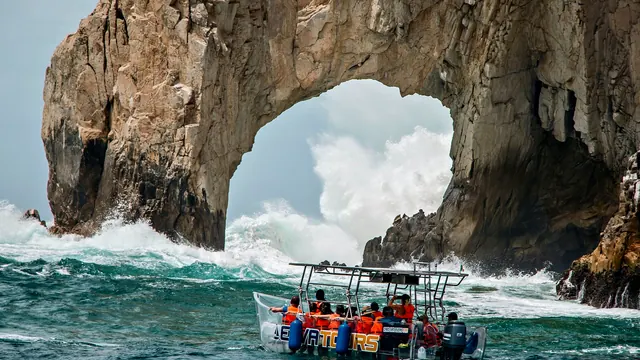
Baja works well too, with Balandra's shallows and glass-bottom trips to the Arch, and La Paz makes a relaxed base. Older children may get more from it, because snorkelling with sea lions is hard to beat.
Getting around
Nayarit is the simpler coast to move around. The airport sits at its southern tip, everything lines up along one coastal highway with local buses, and Sayulita is about forty minutes away.
Baja California Sur is far more spread out. A hire car is close to essential beyond the Cabo corridor bus, and Loreto and the whale lagoons are so far north that most visitors fly or join organised trips.
Shopping & style
Neither coast is a shopping destination, but Baja California Sur gives a browser more to do, because its strength is art. The old centre of San José del Cabo and the adobe streets of Todos Santos are full of small galleries, so a slow afternoon of painting, ceramics and weaving is easy to arrange in either. Cabo San Lucas adds a few designer names by the marina and plenty of silver and tequila stalls.
Riviera Nayarit has fewer places to wander but a more distinctive thing to take home: Huichol beadwork and yarn paintings, often bought from the people who made them. Beyond those it offers Sayulita's surf and beachwear shops and the dry-season market at La Cruz. For a proper shopping day you have to drive to Puerto Vallarta, while Baja's gallery towns are worth a visit in their own right.
Affordability
Both have an expensive end and a cheaper one, and Nayarit is a little easier on the budget overall. Los Cabos is among Mexico's priciest resort areas, and a hire car and paid wildlife trips add to the bill. La Paz and Loreto are the ways to save.
In Nayarit only Punta de Mita is truly costly. Bucerías, Lo de Marcos, Guayabitos and San Blas cater to Mexican visitors, and local buses replace the car.
Live music & performing arts
Neither coast is a place for performances, so plan evenings around something else. Baja at least has La Paz's city theatre for the odd concert or folk dance, and small festivals in Todos Santos. Nayarit has no venue of its own beyond bar bands and plaza mariachi, though Puerto Vallarta is close by.
Wellness & relaxation
Both offer resort spas, temazcal ceremonies and slow towns rather than any bathing tradition. Baja's strength is the big clifftop spas of the Cabo corridor, with a quieter yoga scene in Todos Santos and Cerritos and simple hot springs in the Sierra de la Laguna.
Nayarit's yoga culture runs deeper, with open-air jungle studios and week-long retreats in San Pancho and Sayulita. Its finest spas are on the headlands of Punta de Mita.
When should you go?
Pick your month. The climate figures are measured averages, not a forecast.
Baja California Sur in July
Riviera Nayarit in July
Daytime high, °C
Rainfall in the month, mm
Where the figures come from
Baja California Sur has no weather station within reach, so its figures come from a gridded climate model rather than a measured record, and read a broad area rather than one spot.
Riviera Nayarit has no weather station within reach, so its figures come from a gridded climate model rather than a measured record, and read a broad area rather than one spot.
Temperature and rainfall are climate normals, averaged over the years shown. Baja California Sur: 2001-2020 normals, NASA POWER reanalysis grid, no weather station within 90 km. Riviera Nayarit: 2001-2020 normals, NASA POWER reanalysis grid, no weather station within 90 km.
Both coasts stay warm enough for the beach all year, with daytime highs in the mid-twenties in winter and around 30°C from July to October. The real difference is the rain. Around Los Cabos it is a desert climate, dry for most of the year, with a short wet spell in late summer that peaks at about 99mm in September, the same stretch that carries the hurricane risk. Riviera Nayarit has a true rainy season from June to October, when August brings around 384mm and humid storms make hiking and sightseeing hard work.
The sea is where Baja California Sur gives something up. In winter it cools to about 22°C at the cape, which is fresh, while Nayarit's bay stays near 25°C. So from November to April Nayarit has the warmer swimming and dry weather, and Baja's winter is about whales and clear skies rather than warm water. In spring, from March to May, both coasts are dry and pleasant. Baja California Sur is also the safer bet for a beach trip in early summer, before its brief rains arrive.
Which traveller are you?
On a family trip with young children, Riviera Nayarit is less work. Baja California Sur means a hire car and Pacific beaches to steer children away from. In Nayarit a single resort base on the bay covers most days, best between November and April.
For an outdoors trip, Baja California Sur repays the extra effort. Stay in La Paz or Loreto rather than Cabo, and come between January and March, when the whales are in. Riviera Nayarit's surf and jungle trails are a gentler, narrower alternative.
On a food and nightlife trip, Baja California Sur keeps the late nights on your doorstep if you stay in Cabo San Lucas. Riviera Nayarit gives you seafood shacks and Sayulita's surf-town evenings, but for a proper night out you have to leave the region.
Before you go
| Measure | Baja California Sur | Riviera Nayarit |
|---|---|---|
| Official language | Spanish, Nahuatl, Yucatec Maya | Spanish, Nahuatl, Yucatec Maya |
| Currency | Mexican Peso (MXN) | Mexican Peso (MXN) |
| Sockets | AB127 V, 60 Hz | AB127 V, 60 Hz |
| Driving side | Right | Right |
| Time zone | UTC-7 | UTC-6 |
| Emergency number | 911 | 911 |
| Main airport | Los Cabos International Airport (SJD)54 non-stop destinations | Puerto Vallarta International Airport (PVR)52 non-stop destinations |
| Public holidays this year | 9 days | 9 days |
By the numbers
| Measure | Baja California Sur | Riviera Nayarit |
|---|---|---|
| Population | 637,026 | - |
| Swim season, months above 21 °C | 12 months | 12 months |
Where else could you go?
Every comparison below shares a destination with this one, so you can follow Baja California Sur or Riviera Nayarit somewhere new.
- Puerto Vallartavs Riviera Nayarit
- Riviera Mayavs Riviera Nayarit
- Cancunvs Riviera Nayarit
- Riviera Mayavs Baja California Sur
- Cancunvs Baja California Sur