Mexico
Los Cabos
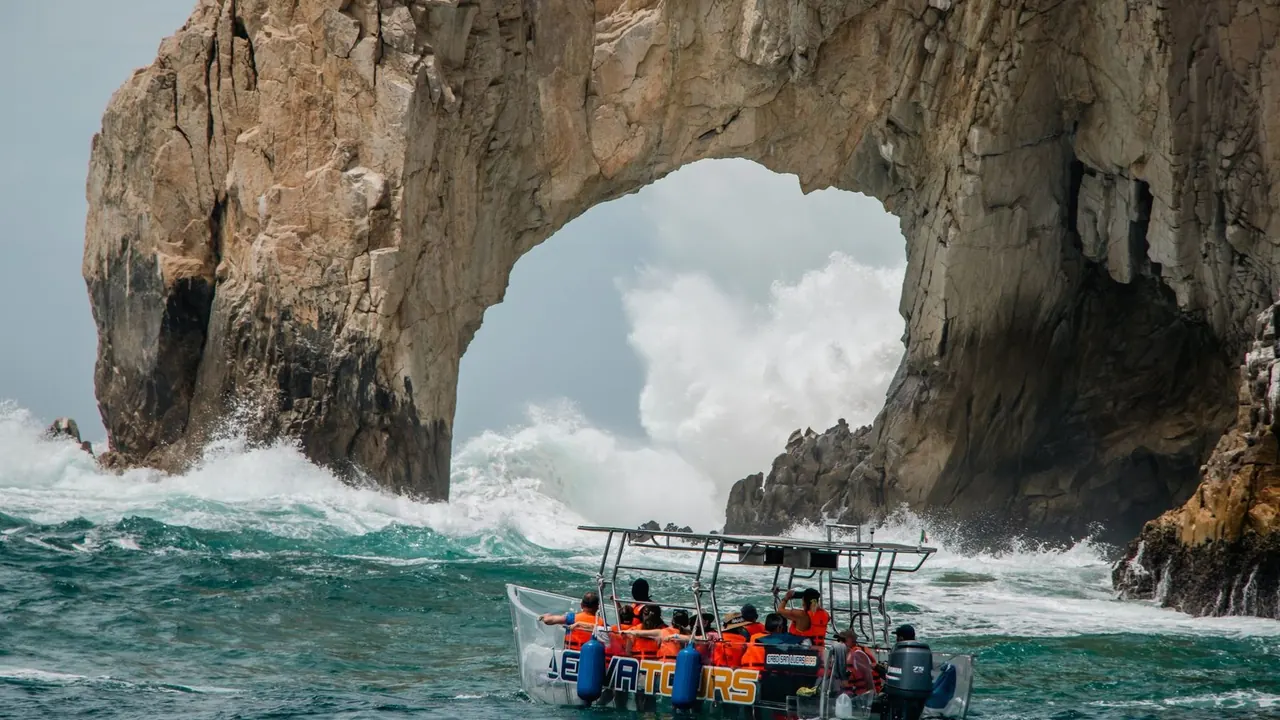
A boat in the swell beside El Arco
- Beaches84
- Nature & outdoors78
- Nightlife66
Photo: Jules Clark, Pexels License
Match
47
Every category weighted equally
- Beach & sun54
- Culture & arts37
- Food & nightlife43
- Family trip49
- Outdoors52
- Relax & unwind52
- Shopping & style42
- On a budget45
Los Cabos in twelve categories
Our verdict on each, scored 0 to 100 against the same fixed benchmark cities, so a score means the same thing on every page.
Beaches & swimming. Scores 84 out of 100.
Food & drink. Scores 54 out of 100.
Culture & sights. Scores 20 out of 100.
Nightlife. Scores 66 out of 100.
Nature & outdoors. Scores 78 out of 100.
Day trips. Scores 42 out of 100.
Good for families. Scores 55 out of 100.
Getting around. Scores 28 out of 100.
Shopping & style. Scores 36 out of 100.
Affordability. Scores 28 out of 100.
Live music & performing arts. Scores 12 out of 100.
Wellness & relaxation. Scores 58 out of 100.
Los Cabos category by category
Beaches & swimming
84Beach life is the reason most people come, but the coast has two very different characters. On the Sea of Cortez side, Medano Beach in Cabo San Lucas is a long, calm swimming beach lined with loungers and boats, and the coves along the corridor towards San José del Cabo, such as Chileno Bay and Santa Maria Bay, have clear water and good snorkelling. The sea is around 23°C in winter and reaches 28°C or more in late summer.
The Pacific-facing beaches, including Playa del Divorcio behind Land's End and many in front of the big resorts, have powerful surf and undertow and are for looking at, not swimming. Check the flag and the side of the cape before going in. Playa del Amor, reached by water taxi, sits between the two seas.
Food & drink
54The best eating is built on the sea: fish and shrimp tacos, ceviche, aguachile and grilled catch of the day, much of it landed by the sportfishing fleet. San José del Cabo is the better place to eat, with taco stands, small family kitchens and a cluster of garden restaurants on farms in the hills that cook from their own produce. Cabo San Lucas around the marina leans towards loud, tourist-priced bars and grills, and much resort dining is international and interchangeable. Baja wines from the north of the peninsula and good mezcal are easy to find.
Culture & sights
20Sights are few. San José del Cabo has the most character, with a small historic centre of low colonial-style buildings around a plaza and the mission church, and an art district of galleries that opens up for a weekly evening art walk in season. Cabo San Lucas was a fishing village before it became a resort and has little historic fabric. The famous arch at Land's End is a natural landmark rather than a cultural one. Visitors interested in history and museums will find more on day trips.
Nightlife
66Cabo San Lucas has a reputation as a party town and lives up to it. The streets behind the marina fill at night with big, loud bars and dance clubs that run into the early hours, and the beach bars on Medano start the day drinking well before sunset. It is at its rowdiest during spring break and over long weekends. The scene is lively rather than varied: little in the way of cocktail craft or underground clubbing. San José del Cabo is much quieter, with a few relaxed bars around the plaza, and the resort corridor between the two goes to bed early.
Nature & outdoors
78The sea is the great outdoor draw. Humpback and grey whales pass the cape from roughly December to April and can often be seen from shore, the deep water off the tip has made this one of the world's sportfishing grounds for marlin, and boats run out to the arch at Land's End and the sea lion colony. Diving and snorkelling are good around the cape, and Cabo Pulmo National Park, about two hours up the East Cape, protects one of the few living coral reefs in the Gulf of California.
Inland is desert of cactus and granite, with the Sierra de la Laguna offering serious hikes into oak and pine forest. Surfers head to the Pacific breaks. Summer heat limits activity on land.
Day trips
42The classic day out is Todos Santos, about an hour up the Pacific coast, a small colonial town of adobe streets, galleries and an old mission. La Paz, the state capital on its bay, is about two hours away and makes a long day trip with its seafront promenade and cathedral. Smaller inland villages such as the old mining town of El Triunfo and Miraflores, known for leatherwork, can be combined on a loop by car. Beyond these the peninsula is mostly open desert.
Good for families
55Families mostly book all-inclusive resorts with big pools and kids' clubs, and that is where the city works best for them. Calm coves such as Chileno Bay and Santa Maria Bay suit children who want to swim and snorkel, and glass-bottom boats and whale-watching trips are easy wins. There is little else built for children, no zoo, aquarium or theme park, and the dangerous surf on the Pacific beaches needs watching. The marina of Cabo San Lucas is boisterous at night; San José del Cabo and the corridor resorts are calmer bases.
Getting around
28Los Cabos is two towns joined by a highway corridor of about 30km lined with resorts. The centres of San José del Cabo and the marina area of Cabo San Lucas are easy to walk, but most hotels sit apart along the corridor or on the beaches beyond. Local buses run between the towns, yet visitors mostly rely on taxis, shuttles or a hire car, which is also the practical way to reach Todos Santos or the East Cape. The airport lies well north of San José.
Shopping & style
36Shopping is modest. Cabo San Lucas has malls around the marina with international and duty-free brands, plus stalls and shops selling silver jewellery, blankets, pottery and tequila. San José del Cabo is more interesting, with art galleries, design shops and Mexican folk art in its small historic centre. Nobody comes here to shop, and much of what is on sale is aimed squarely at cruise and resort visitors.
Affordability
28This is one of the most expensive places to visit in Mexico. Resort and hotel rooms along the corridor are priced at international luxury levels, restaurants around the marina and the resorts charge much as they would at a beach resort in the United States, and taxis are costly. Budgets stretch further in San José del Cabo, where taco stands and family restaurants serve locals, and on the local buses, but a typical stay here is not a cheap one.
Live music & performing arts
12There is very little to attend. Live music means cover bands and rock in the Cabo San Lucas bars, mariachi at restaurants and resort dinner shows, plus small events around the San José plaza. There is no theatre, opera or concert season to speak of.
Wellness & relaxation
58Wellness here is resort-led, but there is a lot of it. The luxury hotels along the corridor between the two towns compete on their spas, many with outdoor treatment rooms facing the sea, and several offer the temazcal, the traditional Mexican sweat lodge ceremony. Yoga on the beach and quiet oceanfront pools set the pace in the corridor and around San José del Cabo. There is no public bathing culture or thermal spring tradition, and Cabo San Lucas itself is noisy, so the restorative side depends on where you stay.
When should you go?
Pick a month to see what it is like. The climate figures are measured averages, not a forecast.
Los Cabos in July
Daytime high, °C
Rainfall in the month, mm
The whole year
Shaded against this city’s own year: the deepest cell is its best month for that figure and the palest its weakest.
Where the figures come from
Los Cabos has no weather station within reach, so its figures come from a gridded climate model rather than a measured record, and read a broad area rather than the city itself.
Temperature and rainfall are climate normals, averaged over the years shown. Los Cabos: 2001-2020 normals, NASA POWER reanalysis grid, no weather station within 90 km.
Before you go
| Measure | Los Cabos |
|---|---|
| Official language | Spanish, Nahuatl, Yucatec Maya |
| Currency | Mexican Peso (MXN) |
| Sockets | AB127 V, 60 Hz |
| Driving side | Right |
| Time zone | UTC-7 |
| Emergency number | 911 |
| Elevation | 11 m |
| Main airport | Los Cabos International Airport (SJD)35 km from centre54 non-stop destinations |
| Public holidays this year | 9 days |
By the numbers
| Measure | Los Cabos |
|---|---|
| City population | 202,694 |
| Museums within 10 km | 1 |
| UNESCO World Heritage sites within 50 km | 0 |
| Swim season, months above 21 °C | 12 months |
Compare Los Cabos with
Every comparison with a written verdict behind it.