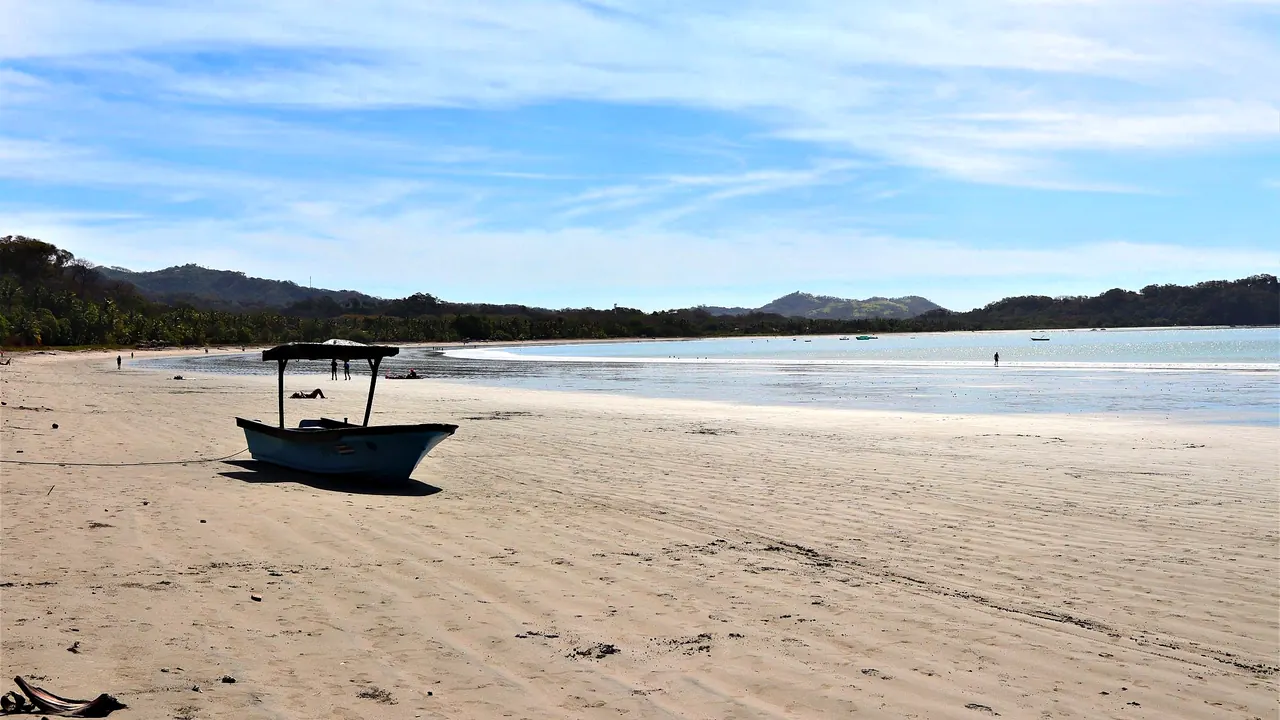
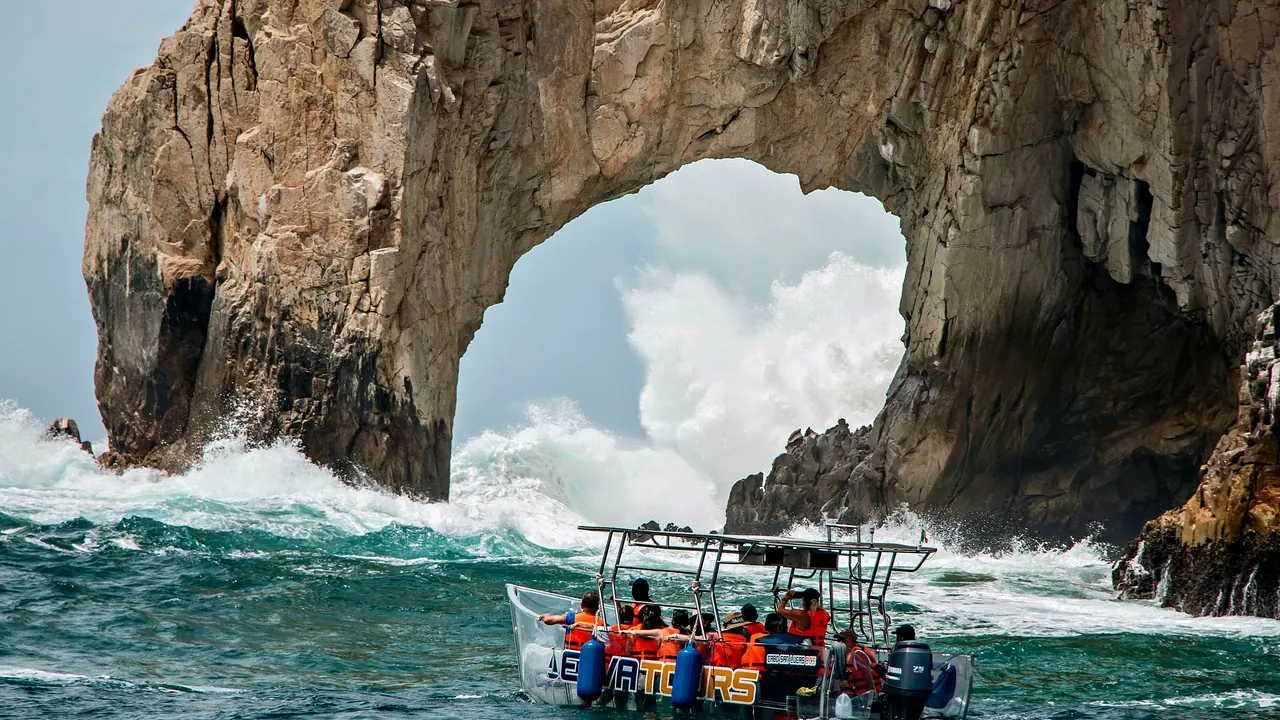
Photos: Guanacaste by ismael jim, Pexels License; Los Cabos by Jules Clark, Pexels License.
Guanacaste or Los Cabos?
Our verdict in twelve categories, each scored against the same fixed benchmark cities, and the climate month by month, so you can choose for your trip.
Choose Guanacaste for
- wellness
- families
- getting around
Guanacaste suits travellers who want wildlife and slow days as much as the beach. It has dry forest full of howler monkeys, volcanic hot springs at Rincón de la Vieja, beaches where turtles nest and the yoga retreats of Nosara. It also works better for families with young children who stay near calm bays such as Hermosa or Sámara, and for anyone happy to drive dirt roads between quiet beach towns where the evenings end early.
Choose Los Cabos for
- nightlife
- shopping
- day trips
For a livelier resort vacation built around the sea, Los Cabos is the stronger choice. Cabo San Lucas has the bigger night out and San José del Cabo the better seafood. The cape adds whale watching, sportfishing and an easy day in Todos Santos. Its mild, dry winters also make it the easier pick for anyone who finds tropical heat hard going.
Scoreboard
Twelve categories on one fixed scale from 0 to 100. The shaded stretch is the gap between the two.
Your match
Pick a travel style or drag the sliders, and both match scores follow your weighting.
Wins on wellness and families with your weighting.
Wins on nightlife and shopping with your weighting.
What matters to you?
Category by category
What the scores mean for a trip.
Beaches & swimming
Both are true beach destinations, but they work differently. Guanacaste is a long chain of mostly undeveloped bays with sea near 28°C all year. There is shell sand and calm water at Conchal and the Papagayo coves, and serious surf at Tamarindo, Avellanas and Playa Guiones. Expect little shade and few lifeguards outside the busier towns.
Los Cabos divides its beaches by sea. On the Sea of Cortez side there is calm, lounger-lined Medano and clear coves such as Chileno Bay and Santa Maria Bay, which are good for snorkelling. The Pacific side has powerful surf and undertow, so those beaches are for looking at, not swimming. The water there is also noticeably cooler in winter.
Food & drink
Los Cabos eats better, mostly thanks to its seafood. In San José del Cabo you find taco stands, family kitchens and restaurants on farms in the hills that cook their own produce, and Baja wine and mezcal are easy to find. The marina in Cabo San Lucas is the place to avoid for a good meal.
Guanacaste is plainer. You eat a casado at a roadside soda or whole fried snapper on the sand, and its corn-based country cooking is best found around the fiestas in Santa Cruz and Nicoya. Tamarindo and Nosara have more choice, but the menus repeat, and the drinking runs to cold beer and guaro.
Culture & sights
Neither will fill more than a morning or two of sightseeing, and the heritage is different in each. Guanacaste's is rural and still lived: the adobe streets of Liberia, Nicoya's old colonial church, Chorotega potters at work in Guaitil and sabanero cowboys at village rodeos.
In Los Cabos, nearly everything is in San José del Cabo, with its plaza, mission church and gallery district, which opens for an evening art walk in season. The arch at Land's End is a natural sight, not a historic one.
Nightlife
Los Cabos has much more to do after dark. Cabo San Lucas is a proper party town, with big, loud bars and clubs behind the marina that run late, and beach bars on Medano that get going well before sunset. It is loud rather than varied, and it is at its wildest during spring break.
In Guanacaste, going out mostly means Tamarindo: sunset bars and a short strip of dance spots full of young surfers and backpackers. Coco has a smaller scene. Most of the rest of the coast is in bed early for the dawn surf.
Nature & outdoors
Both are strong on nature, but one is a land trip and the other a sea trip. Guanacaste's wildlife lives on land: in the dry forest at Santa Rosa, the bird-filled Palo Verde wetlands with their crocodiles, and the fumaroles and mud pots of Rincón de la Vieja. Leatherback and olive ridley turtles also come ashore to nest.
In Los Cabos the best of it is offshore. Humpback and grey whales pass in winter, there is marlin fishing in the deep water, sea lions at Land's End and the living coral reef of Cabo Pulmo. Inland, the Sierra de la Laguna offers harder hiking into pine forest above the cactus desert than anything in lowland Guanacaste.
Day trips
Los Cabos has better places to go for the day. Todos Santos is about an hour up the Pacific coast, with adobe streets, galleries and a mission. La Paz makes a longer day out on its bay, and the old mining villages of El Triunfo and Miraflores fit into a loop by car.
From the Guanacaste coast, outings are mostly into nature. The inland towns of Liberia, Santa Cruz, Nicoya and Guaitil together fill only a single day, and Monteverde's cloud forest is too far away to enjoy as a day trip.
Good for families
Guanacaste gives children more to do outside the hotel: horse riding, hot springs and wildlife on most outings, as well as resort kids' clubs on the Papagayo peninsula. The coast feels safe and Costa Ricans are warm with children. The things to plan around are the midday heat and the rips on the surf beaches.
In Los Cabos, family trips are built around all-inclusive pools, with glass-bottom boats and whale watching as the easy outings. Base yourself in San José or along the corridor, because the marina is rowdy at night. Neither place has a zoo or theme park.
Getting around
In both, you will want a car, or will be relying on shuttles and taxis, though the distances differ a lot. Los Cabos is compact: two walkable centres joined by a paved 30km corridor, with local buses between the towns.
Guanacaste is spread out. Its airport at Liberia is handy for the northern beaches, but buses between beach towns are slow and the roads to Nosara and Ostional are dirt, where a four-wheel drive helps.
Shopping & style
Los Cabos offers more, though nobody should come for the shopping. There are duty-free brands in the malls around the marina, silver jewellery and tequila, and better galleries and Mexican folk art in San José del Cabo.
Guanacaste has little beyond surf shops and beach stalls. Its one real find is the burnished red, black and cream Chorotega pottery sold in Guaitil and around Santa Cruz.
Affordability
What separates these two is where you can save, because resort rooms, car hire and restaurants aimed at visitors cost North American prices on both coasts. In Guanacaste, park fees for foreigners and surf lessons add up. Eating at local sodas, sleeping in simple cabinas in Sámara or Coco and travelling in the green season all bring the bill down.
In Los Cabos, taxis are the cost that hurts, since most hotels sit apart along the corridor. The savings are in San José del Cabo, with its taco stands and family restaurants, and on the local buses between the two towns.
Live music & performing arts
Neither has a theatre or concert hall, so plan for occasional music rather than performances. Guanacaste's best is its own tradition: marimba and folk dance at village fiestas and at Liberia's celebrations in July.
Los Cabos has more on most nights, but it is mostly entertainment: cover bands in the bars, mariachi at dinner and resort shows.
Wellness & relaxation
Guanacaste is the better place to slow down. Wellness there is a way of life: daily classes and retreat centres around Nosara and Sámara, natural mineral pools on the volcano's flanks, and spas on the Papagayo peninsula as well.
Los Cabos offers comfort rather than a retreat culture. The corridor resorts compete on spas with sea-facing treatment rooms and temazcal ceremonies, but Cabo San Lucas is noisy, so how restful it is depends on where you stay.
When should you go?
Pick your month. The climate figures are measured averages, not a forecast.
Guanacaste in July
Los Cabos in July
Daytime high, °C
Rainfall in the month, mm
Where the figures come from
Guanacaste's temperatures are measured 57 km from the centre, at Liberia.
Guanacaste has no rain gauge within 25 km of the centre, so its rainfall comes from a gridded climate dataset read at the destination rather than from a gauge further away.
Los Cabos has no weather station within reach, so its figures come from a gridded climate model rather than a measured record, and read a broad area rather than one spot.
Temperature and rainfall are climate normals, averaged over the years shown. Guanacaste: 1991-2020 normals, Liberia (56.7 km from centre). Los Cabos: 2001-2020 normals, NASA POWER reanalysis grid, no weather station within 90 km.
On the coast where most visitors stay, Guanacaste has two clear seasons. From December to April it is almost rainless and very hot, with afternoons near 36°C in March and April, so the beach is best early and late and midday is too hot for walking about. The rain starts in May and is heaviest in September and October, at around 377mm a month, though the sea stays warm enough for long swims all year.
Los Cabos runs almost the opposite way. Winter is mild and dry, with days around 24°C that are pleasant for walking, but the sea is cool at about 22°C through spring. The water reaches 29°C in late summer, when the days turn hot and August and September bring what little rain the cape gets. If you want warm sea in winter, choose Guanacaste. If you want comfortable weather on land, choose Los Cabos.
Which traveller are you?
For a food and nightlife trip, Los Cabos is the clear pick. San José del Cabo serves fish tacos, aguachile and dinners in farm gardens, while the streets behind the Cabo San Lucas marina keep dancing into the early hours. Guanacaste's nightlife is mostly one surf town, Tamarindo.
On a relaxing and wellness trip, Guanacaste goes deeper. Nosara is a yoga destination in its own right, with retreats in the forest behind Playa Guiones, and Rincón de la Vieja adds volcanic mud and warm rivers. Los Cabos offers polished resort spas and the temazcal instead.
On a family trip with young children, Guanacaste has the edge. Calm bays such as Flamingo and Sámara suit small swimmers, and zip-lines, river trips to see crocodiles and monkeys in the trees keep older children busy. In Los Cabos, family days rarely go beyond the resort.
Before you go
| Measure | Guanacaste | Los Cabos |
|---|---|---|
| Official language | Spanish | Spanish, Nahuatl, Yucatec Maya |
| Currency | Costa Rican Colon (CRC) | Mexican Peso (MXN) |
| Sockets | AB120 V, 60 Hz | AB127 V, 60 Hz |
| Driving side | Right | Right |
| Time zone | UTC-6 | UTC-7 |
| Emergency number | 911 | 911 |
| Elevation | - | 11 m |
| Main airport | Daniel Oduber Quirós International Airport (LIR)30 non-stop destinations | Los Cabos International Airport (SJD)35 km from centre54 non-stop destinations |
| Public holidays this year | 11 days | 9 days |
By the numbers
| Measure | Guanacaste | Los Cabos |
|---|---|---|
| Population | 412,808 | 202,694 |
| People per km² | 40 | - |
| Museums within 10 km | - | 1 |
| UNESCO World Heritage sites within 50 km | - | 0 |
| Swim season, months above 21 °C | 12 months | 12 months |
Where else could you go?
Every comparison below shares a destination with this one, so you can follow Guanacaste or Los Cabos somewhere new.
- Monteverdevs Guanacaste
- La Fortunavs Guanacaste
- Mazatlanvs Los Cabos
- Bocas del Torovs Guanacaste
- Sayulitavs Los Cabos
- Nuevo Vallartavs Los Cabos