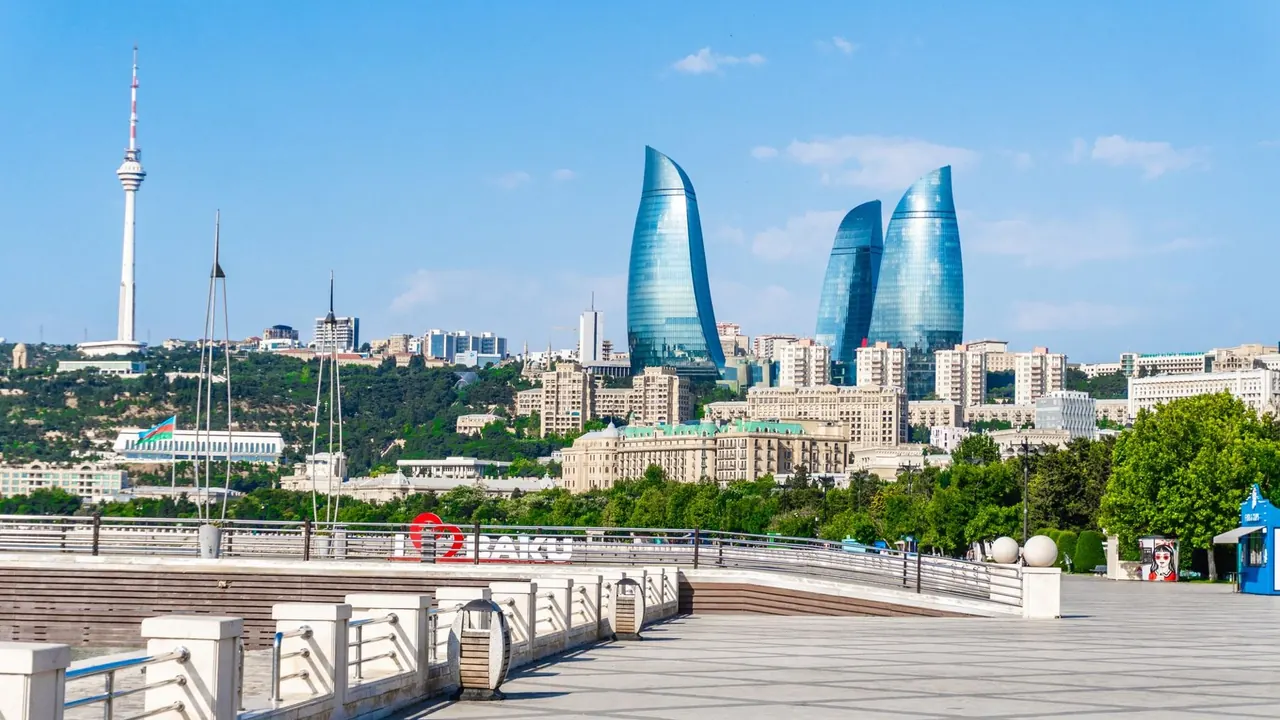
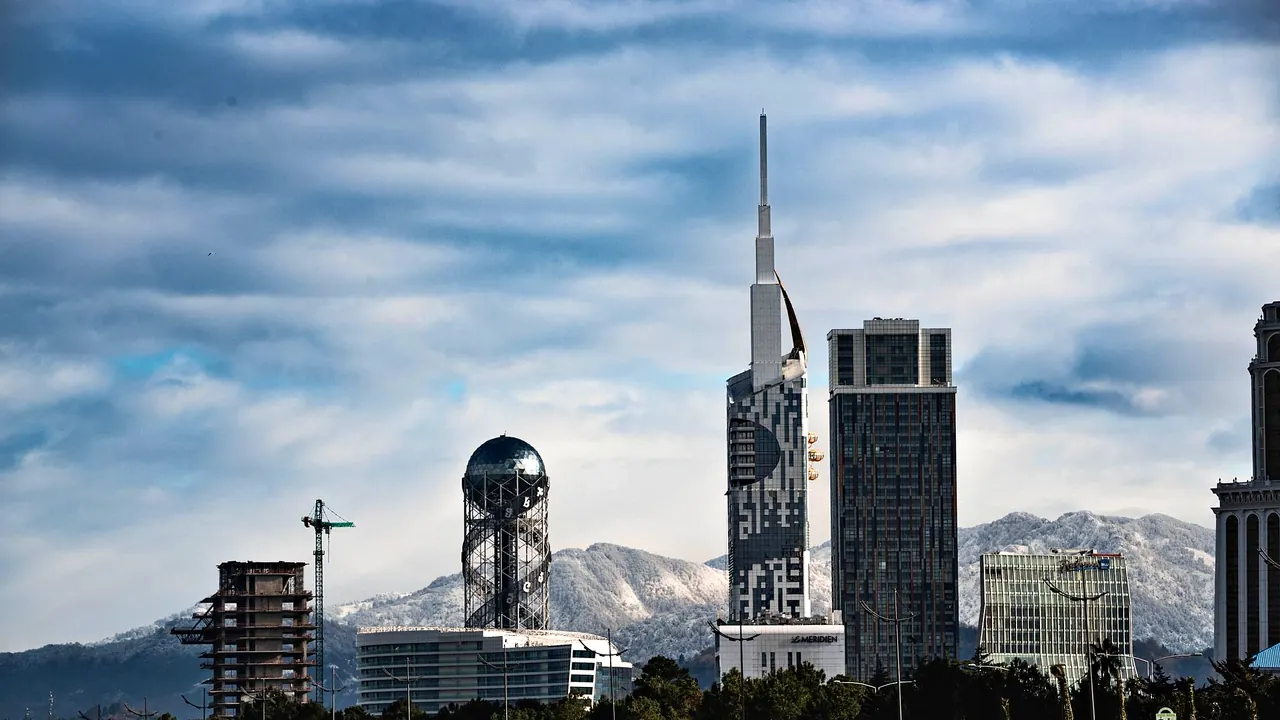
Photos: Baku by Zulfugar Karimov, Pexels License; Batumi by Павел Хлыстунов, Pexels License.
Baku or Batumi?
Our verdict in twelve categories, each scored against the same fixed benchmark cities, and the climate month by month, so you can choose for your trip.
Choose Baku for
- culture and sights
- live music and the arts
- shopping
Baku suits a traveller who wants a city to explore. It has the walled Old City with the Palace of the Shirvanshahs, streets of oil-baron mansions, the Carpet Museum and evenings of mugham or opera, and Gobustan's rock carvings are an hour away. It is the drier, more urban choice, better for sightseeing and carpet shopping than for lying by the sea.
Choose Batumi for
- nature and the outdoors
- beaches
- prices
If the plan is sea, greenery and summer nights, Batumi is the easier fit. You swim straight off the town beach, walk the botanical garden above the water, head into Mtirala's rainforest and pay less for most of it. Its history is thin and a day covers the sights, so it suits a slow beach vacation better than a sightseeing trip.
Scoreboard
Twelve categories on one fixed scale from 0 to 100. The shaded stretch is the gap between the two.
Your match
Pick a travel style or drag the sliders, and both match scores follow your weighting.
Too close to call, 1 point apart
Wins on culture and sights and live music and the arts with your weighting.
Wins on nature and the outdoors and beaches with your weighting.
What matters to you?
Category by category
What the scores mean for a trip.
Beaches & swimming
Batumi has the sea on its doorstep. Coarse pebbles run the full length of the boulevard, and Gonio, Kvariati and Sarpi have clearer water within half an hour. Bring swimming shoes.
Baku's waterfront is a promenade, so swimming means a taxi out to Bilgah or Mardakan on the Absheron north shore. The sand there is easier underfoot than Batumi's stones, but the water is shallow and often cloudy, and parts of the coast still show the scars of the oil industry.
Food & drink
Both cities eat very well within their own national cooking, and in both the choice thins out once you step outside it. Baku means saffron plov, sturgeon kebabs, herb-filled qutab and dushbara, followed by black tea with jam and pakhlava. The Taza Bazaar is the place to see its produce and caviar.
Batumi serves Georgian food with an Adjarian accent: cheese-and-egg khachapuri, khinkali and walnut sauces. At the port fish market you pick your fish and have it fried next door. Georgian wine by the jug and chacha go with it, where Baku pours sturdy Madrasa reds and brandy.
Culture & sights
Baku has much more history to see. There is the walled Icherisheher with its caravanserais and bathhouses, the Maiden Tower and the Palace of the Shirvanshahs, then whole streets of oil-boom mansions and modern landmarks such as the Heydar Aliyev Center and the Carpet Museum. It needs two or three days.
Batumi's sights are mostly a seafront show: the Alphabet Tower, Ali and Nino, and a skyline of eccentric towers lit up at night, plus a modest old town and small museums. Gonio fortress is the one serious historical site, and a single day covers the rest.
Nightlife
Neither city is a nightlife capital, but they go out in different ways. In July and August Batumi is a beach-club town, with open-air parties until dawn, casinos and a crowd from across the region. Out of season it shrinks to a few bars and wine places in the old town.
Baku is steadier and dressier all year: pubs, wine bars and hotel rooftops around Fountain Square and Nizami Street, a few weekend clubs and a late walk along the Boulevard. Drinks in its smarter venues cost more than you might expect.
Nature & outdoors
Here the two could hardly be more different. Batumi is backed by green, rain-soaked Adjaran mountains. The Botanical Garden spreads over terraces on the Green Cape, Mtirala has rainforest trails and river pools an hour away, and the Adjaristskali valley has rafting and old stone bridges.
The land around Baku is dry, flat semi-desert, and it offers oddities rather than scenery: mud volcanoes, the burning hillside of Yanar Dag and the windswept Gobustan plateau. For forests and hiking you have to go three hours north to the Caucasus.
Day trips
Baku's day trips carry more weight. Gobustan's Stone Age carvings and the nearby mud volcanoes make a full day out. The Ateshgah fire temple and the towers of Mardakan fill easy half-days, and Shamakhi, with its mosque, cliff-side mausoleum and vineyards, lies two hours west.
From Batumi the outings are shorter and gentler: Gonio and the ruins of Petra, a change of beach at Kobuleti or Ureki, wine villages around Keda, or a quick trip across the Turkish border at Sarpi.
Good for families
Batumi gives children more to do. The seafront is car-free, with bike and electric-car hire, and there are the dolphinarium, the Argo cable car, a Ferris wheel and the botanical garden, all with the beach right there. Pack shoes for the pebbles and expect crowds in August.
Baku welcomes children warmly too, and its Boulevard has playgrounds and boat rides, along with the funicular up to Highland Park. Beyond that, little is made for children. Summer heat, underpasses with stairs and drivers who rarely give way make it better for a short stay with older children.
Getting around
Both centres are compact enough to walk, and cheap app taxis cover everything further out. Baku adds a Soviet-built metro with grand stations, though it serves residential districts more than the sights, and heavy traffic and underpasses slow you down on foot.
Batumi has no metro but is flat, with a cycle path along the whole seafront and buses out to the botanical garden and Gonio. Once you leave the boulevard, narrow pavements and careless drivers are the main nuisance.
Shopping & style
Baku is the place to buy something substantial. Old City dealers sell handwoven carpets and kelims, so ask for an export certificate with older pieces, along with silk kelaghayi scarves and Lahij copperware. Nizami Street has the chains and Neftchilar Avenue some luxury boutiques.
Batumi's best souvenirs are things to eat and drink: wine, chacha, honey and churchkhela from the central market. Beyond a few malls and some enamel jewellery, the seafront sells mostly beachwear.
Affordability
Batumi is the cheaper of the two for most of the year. Georgian meals with wine, buses, taxis and rooms in apartment towers all cost little, and only July and August push seafront prices up. June or September gives you a warm sea for less.
Baku is cheap in places, especially the metro, taxis and plov in a tea house. Business-class hotels, smart seafront restaurants and imported drinks, though, can come close to Western European prices. Guesthouses in the Old City keep a budget trip manageable.
Live music & performing arts
Baku has a real performing culture of its own. Mugham, an improvised classical music played on the tar and kamancha, is performed at the International Mugham Centre. The State Opera and Ballet Theatre and the oil-era Philharmonic hall stage classical music, and there is a jazz tradition with its own festival. Seasons can be thin in summer.
Batumi has a drama theatre and a music centre that play mainly to local audiences, and you can occasionally catch Georgian polyphonic singing, which is worth seeking out. There are open-air concerts on the seafront in summer, but little to plan an evening around.
Wellness & relaxation
Neither city is somewhere to come for rest. Baku's bathing tradition survives mostly as restored Old City bathhouses that you tour as monuments, plus a few working baths and the hotel spas. Its calm comes from long sessions over tea and the Boulevard at dusk.
Batumi has no bathing culture at all, only hotel spa floors, and its summer noise works against relaxing. The quietest way to see it is in the shoulder season, walking the empty promenade and the botanical garden.
When should you go?
Pick your month. The climate figures are measured averages, not a forecast.
Baku in July
Batumi in July
Daytime high, °C
Rainfall in the month, mm
Where the figures come from
Batumi's sunshine is measured 55 km from the centre, at Artvin.
Temperature and rainfall are climate normals, averaged over the years shown. Baku: 1991-2020 (rainfall 1981-2010) normals, Mashtaga (23.2 km from centre). Batumi: 1991-2020 (rainfall 1981-2010) normals, Batumi (0.8 km from centre).
Baku is dry almost all year and hot in high summer, with highs around 30°C in July and August. That is when the Caspian beaches north of the city are warmest. May, September and early October are better for walking the Old City. Winter is chilly and windy, and the days stay cool from December to March.
Batumi is milder in winter but much wetter all year. Its summer is slightly less hot, and June to August is both its sunniest stretch and its beach season. In August the sea reaches about 26°C on both coasts. Heavy rain sets in from September, the wettest month at around 328mm, and carries on through the winter. For Batumi, go from June to August. For Baku, the shoulder months suit sightseeing best.
Which traveller are you?
On a beach and sun trip, Batumi is the obvious pick. A pebble beach runs along the seafront boulevard, and cleaner coves at Gonio and Sarpi are close by. In Baku every swim means a taxi out to flat, often cloudy Absheron shores.
For a culture and arts trip, Baku gives you far more to fill the days: the UNESCO Old City, the Shirvanshahs' palace, the oil-baron streets, the Carpet Museum, and evenings of mugham, opera or jazz. Batumi's museums and stages take an evening or two at most.
On an outdoors trip, choose Batumi. Subtropical forest climbs straight up from the coast, with waterfalls in Mtirala, rafting in the Adjaristskali valley and paragliding above the shore. Around Baku the land is bare semi-desert, and the real mountains are three hours away.
Before you go
| Measure | Baku | Batumi |
|---|---|---|
| Official language | Azerbaijani, Azerbaijani Sign Language | Georgian |
| Currency | Azerbaijan Manat (AZN) | Lari (GEL) |
| Sockets | CF220 V, 50 Hz | CF220 V, 50 Hz |
| Driving side | Right | Right |
| Time zone | UTC+4 | UTC+4 |
| Emergency number | 102 or 112 | 112 |
| Elevation | -28 m | 3 m |
| Main airport | Heydar Aliyev International Airport (GYD)22 km from centre79 non-stop destinations | Alexander Kartveli Batumi International Airport (BUS)5 km from centre39 non-stop destinations |
| Public holidays this year | - | 17 days |
By the numbers
| Measure | Baku | Batumi |
|---|---|---|
| City population | 2,300,500 | 235,668 |
| People per km² | 1,075 | 3,631 |
| Museums within 10 km | 50 | 6 |
| UNESCO World Heritage sites within 50 km | 2 | 1 |
| Swim season, months above 21 °C | 4 months | 4 months |
Where else could you go?
Every comparison below shares a destination with this one, so you can follow Baku or Batumi somewhere new.