Photos: Baku by Zulfugar Karimov, Pexels License; Tbilisi by ArtHouse Studio, Pexels License.
Baku or Tbilisi?
Our verdict in twelve categories, each scored against the same fixed benchmark cities, and the climate month by month, so you can choose for your trip.
Choose Baku for
- beaches
- getting around
- shopping
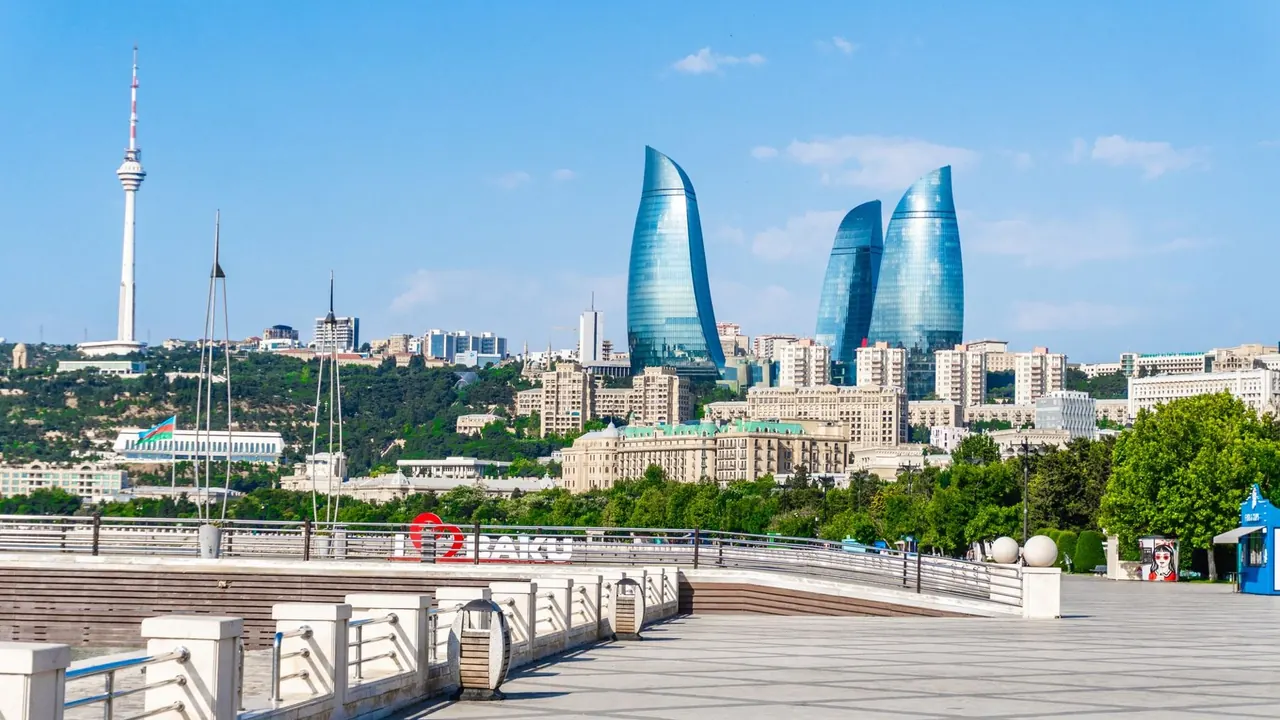
Baku suits a traveller who wants an unusual capital covered in a few days: a walled Old City, honey-coloured oil-boom mansions and showpiece modern architecture, with a summer swim in the Caspian as a bonus. It is the only one of the two with real sea bathing, and its compact centre along the Boulevard is easy to take in on foot.
Choose Tbilisi for
- wellness
- day trips
- nightlife
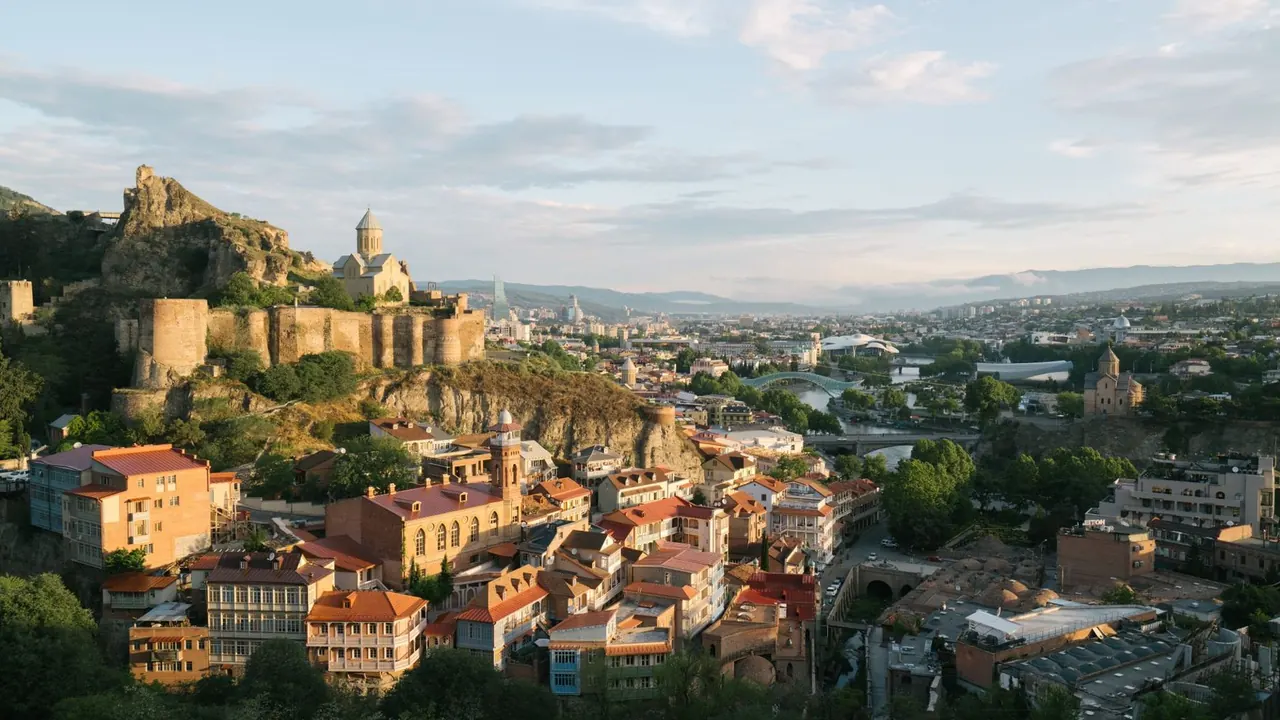
Pick Tbilisi for a longer, looser stay built around eating, drinking and going out. Georgian food and qvevri wine, the techno clubs, the sulphur baths and a ring of day trips to Mtskheta, Kakheti and the Caucasus give it far more to fill a week, and it costs less day to day. What it can't offer is a beach.
Scoreboard
Twelve categories on one fixed scale from 0 to 100. The shaded stretch is the gap between the two.
Your match
Pick a travel style or drag the sliders, and both match scores follow your weighting.
Wins on beaches and getting around with your weighting.
Wins on wellness and day trips with your weighting.
What matters to you?
Category by category
What the scores mean for a trip.
Beaches & swimming
Baku at least has the sea. The north shore of the Absheron peninsula, at Bilgah, Novkhani or Mardakan, is a taxi ride of under an hour, with long sandy beaches and water warm enough for a long swim in July and August. The sea is shallow and often cloudy, though, and some stretches are spoiled by litter or old oil works.
Tbilisi has nothing comparable. The Black Sea is about five hours away, so locals swim in the Tbilisi Sea reservoir, at Turtle Lake or in a pool. Neither city is a beach destination, but only Baku lets you add a sea swim to a city stay.
Food & drink
Both kitchens are rich in herbs, grilled meat and dumplings, but Tbilisi is the better place to eat. Khinkali, Adjarian khachapuri, walnut sauces and hot shoti bread from clay ovens come with the supra feast and the qvevri wines of Kakheti, and that wine gives an evening in Sololaki a focus Baku lacks.
Baku's saffron plov, sturgeon kebabs, qutab and tea with jam still justify a trip to the Taza Bazaar and the Old City tea houses, and its Shamakhi reds and brandy are solid. In both cities the choice narrows quickly once you step outside the national cooking.
Culture & sights
The two are evenly matched for sightseeing, but the character differs. Baku combines a compact walled Old City, with the Maiden Tower and the Palace of the Shirvanshahs, with oil-boom sandstone mansions and bold modern landmarks: the Heydar Aliyev Center, the Flame Towers and the carpet-shaped Carpet Museum.
Tbilisi feels older and more devout, with crooked lanes beneath Narikala, carved wooden balconies, the sixth-century Anchiskhati church, Metekhi on its cliff and the Colchian gold in the Georgian National Museum. Baku suits travellers drawn to architecture and spectacle. Tbilisi suits those who like churches and unhurried wandering.
Nightlife
The two give very different nights. In Baku the evening is the main event rather than the prelude to a late night. People stroll the seafront Boulevard while it is still warm and full, then have a drink with a view of the bay or a glass of wine in the centre. It suits couples and anyone who wants a sociable evening that ends at a sensible hour.
Tbilisi is the clear choice for anyone who travels to go out, and above all to dance. Its techno clubs in old factories and Soviet buildings take their music seriously and keep going until the morning at weekends. On quieter nights the courtyard bars near Marjanishvili and the wine bars in Sololaki's old houses stay full late.
Nature & outdoors
Tbilisi is greener and much closer to real mountains. Forested hills rise straight from the city, with the funicular to Mtatsminda and trails from Turtle Lake into Tbilisi National Park. The Military Road reaches Gudauri and the Jvari Pass in about two hours, for hiking and paragliding in summer and skiing in winter.
Around Baku the land is a dry, flat peninsula of oil derricks and salt lakes. Its interest lies in oddities such as the mud volcanoes and the burning hillside of Yanar Dag. The Caucasus around Quba and Shahdag is about three hours away, which makes it an overnight trip rather than an outing.
Day trips
Tbilisi has the far richer choice. Mtskheta and Jvari Monastery are half an hour away, the rock-cut town of Uplistsikhe pairs easily with Gori, and the Kakheti wineries and walled Sighnaghi fill a full day. The cave monastery of David Gareja and the Ananuri fortress add more.
From Baku the list is shorter and stranger: the Stone Age carvings of Gobustan with the mud volcanoes, the Ateshgah fire temple, the Mardakan towers, and the mosque and vineyards of Shamakhi two hours west. Beyond those, anything worthwhile needs a night away.
Good for families
Both cities make a fuss of children, and both are hard work with a pushchair because of aggressive traffic, underpasses with stairs and summer heat. Where they differ is in the outings. Baku keeps its treats along the seafront Boulevard, with playgrounds, fountains and boat rides, plus the funicular to Highland Park. Tbilisi spreads them over its hills, with the Mtatsminda amusement park and its Ferris wheel, the cable car to Narikala and a zoo, but on steeper, more uneven streets.
Getting around
Baku is a little easier to get around. The Old City, Fountain Square, Nizami Street and the Boulevard are all within comfortable walking distance, one card covers the metro and buses, and cheap app taxis handle the Heydar Aliyev Center and the airport.
Tbilisi's centre is just as compact but steep, with broken pavements. Its two metro lines miss the hillside districts, and the minibuses are hard for a visitor to work out. Ride-hailing fills the gaps in both cities, and in both the excursions really need a driver or a tour.
Shopping & style
Neither city is a shopping destination, and in both the best buys are local crafts. Baku has a slight edge thanks to its carpets. Old City dealers sell handwoven Caucasian pieces alongside silk kelaghayi scarves and Lahij copperware, and there are a few luxury boutiques on Neftchilar Avenue. Ask for a certificate if you buy an older carpet.
Tbilisi is quirkier. The Dry Bridge market sells Soviet badges, cameras and old silver, workshops make cloisonné enamel jewellery, and qvevri wine and chacha travel well as gifts. A handful of local designers have boutiques in Vera and Sololaki.
Affordability
Tbilisi is the cheaper of the two. A Georgian meal with wine, bakery khachapuri, metro rides and guesthouses all cost little, and most churches are free to enter.
Baku can be just as cheap for transport, app taxis and plov in a canteen. Its international hotels, smart seafront restaurants and imported drinks, though, come close to Western European prices. A budget stay there depends on choosing Old City guesthouses and local tea houses.
Live music & performing arts
Both cities have a serious musical life built around a UNESCO-recognised tradition, and both hold a long-running jazz festival. In Baku the tradition is mugham, improvised song with tar and kamancha, which you can hear at the International Mugham Centre. Azerbaijani opera and the ornate oil-boom Philharmonic hall add to it.
Tbilisi offers polyphonic singing, at its most moving in church services, along with the athletic national dance ensembles and the Gabriadze marionette theatre, whose puppet plays need no translation. Spoken theatre in either city is largely out of reach unless you speak the local language.
Wellness & relaxation
Tbilisi is the better place to unwind because its bathing tradition is still in daily use. In Baku the old bathhouses are mostly sights to look round. Only a handful of traditional baths still work, and spa resorts such as Naftalan are a long journey away. Rest there comes down to a hotel spa, a pot of tea with jam in the Old City or an evening by the water.
In Tbilisi, hot sulphur springs feed the brick-domed bathhouses of Abanotubani. You can take a private room with its own pool and a kisi scrub, much as people have done for centuries. Outside the baths the streets are steep and noisy, but long meals in shaded courtyards slow the pace.
When should you go?
Pick your month. The climate figures are measured averages, not a forecast.
Baku in July
Tbilisi in July
Daytime high, °C
Rainfall in the month, mm
Temperature and rainfall are climate normals, averaged over the years shown. Baku: 1991-2020 normals, Mashtaga (23.2 km from centre). Tbilisi: 1991-2020 normals, Tbilisi (13.8 km from centre).
Both cities are cold in winter, with highs in single figures from December to February, and both are hot in high summer. Baku's summer is almost rainless, and the Caspian off the Absheron shore is warm enough for swimming from late June to September, peaking around 26°C in August. Daytime highs of 30°C in July and August make midday walking hard work, so mild May and warm September are the better months for sightseeing, with September also good for a swim. Rain picks up from October, with November the wettest month, though even then it stays modest.
Tbilisi gets hotter in its valley, around 32°C in July and August, and its rainy season comes earlier, in late spring, peaking at about 74mm in June. Late April, September and October are the best times there for walking the steep streets and heading into the hills, when the heat has eased and the rain is lighter.
Which traveller are you?
On a beach and sun trip, Baku is the only real option of the two. The long sandy Absheron beaches at Bilgah or Novkhani are under an hour away and the Caspian is warm in high summer, while Tbilisi only has lakes, a reservoir and pools.
For a food and nightlife trip, Tbilisi wins clearly. Khinkali, khachapuri and amber qvevri wine in the Sololaki wine bars lead on to techno clubs that run past dawn at weekends. Baku's pubs, rooftops and lounges can't match that.
On a relaxing and wellness trip, Tbilisi again has the edge, thanks to the Abanotubani sulphur baths with private hot pools and a kisi scrub. In Baku the old baths are mostly monuments, and the wind and traffic leave little room to unwind.
Before you go
| Measure | Baku | Tbilisi |
|---|---|---|
| Official language | Azerbaijani, Azerbaijani Sign Language | Georgian |
| Currency | Azerbaijan Manat (AZN) | Lari (GEL) |
| Sockets | CF220 V, 50 Hz | CF220 V, 50 Hz |
| Driving side | Right | Right |
| Time zone | UTC+4 | UTC+4 |
| Emergency number | 102 or 112 | 112 |
| Elevation | -28 m | 575 m |
| Main airport | Heydar Aliyev International Airport (GYD)22 km from centre79 non-stop destinations | Tbilisi International Airport (TBS)15 km from centre64 non-stop destinations |
| Public holidays this year | - | 17 days |
By the numbers
| Measure | Baku | Tbilisi |
|---|---|---|
| City population | 2,300,500 | 1,331,485 |
| People per km² | 1,075 | 1,849 |
| Museums within 10 km | 50 | 29 |
| UNESCO World Heritage sites within 50 km | 2 | 1 |
| Swim season, months above 21 °C | 4 months | - |
Where else could you go?
Every comparison below shares a destination with this one, so you can follow Baku or Tbilisi somewhere new.