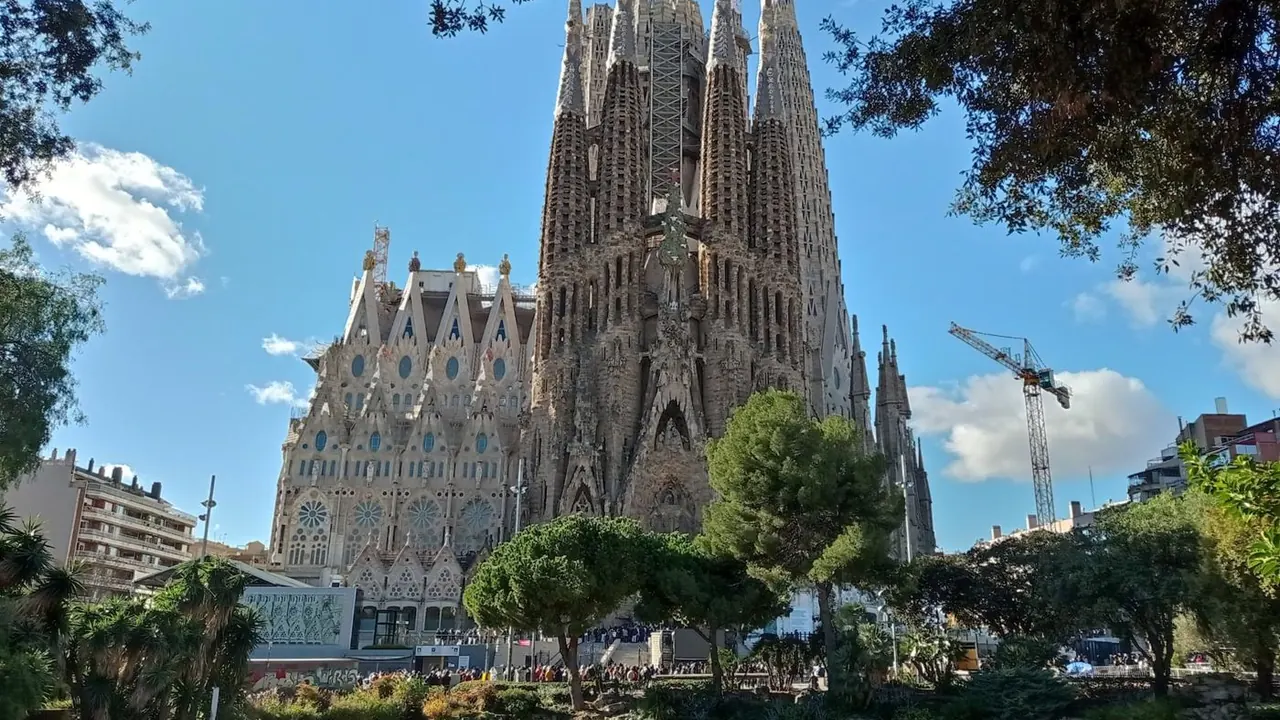
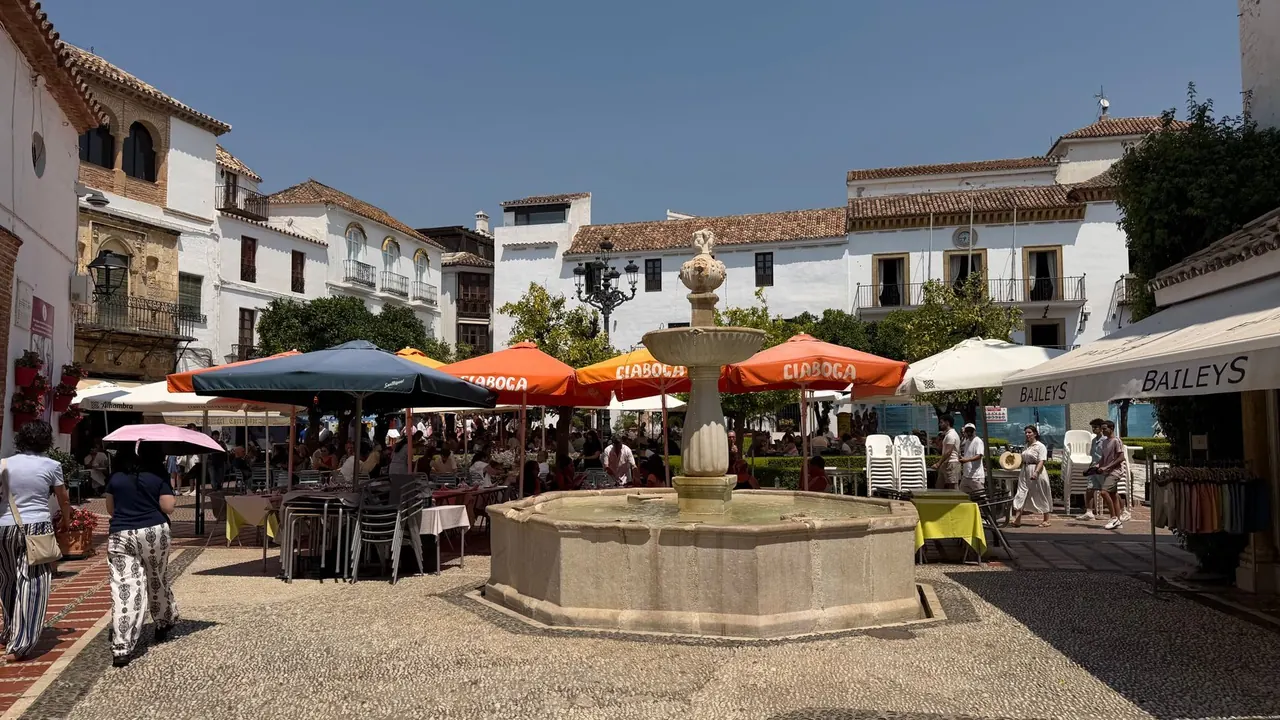
Photos: Barcelona by Canaan, CC BY-SA 4.0, cropped; Marbella by Décio Franchini, Pexels License.
Barcelona or Marbella?
Our verdict in twelve categories, each scored against the same fixed benchmark cities, and the climate month by month, so you can choose for your trip.
Choose Barcelona for
- culture and sights
- getting around
- live music and the arts
Barcelona is the choice for a trip where the city itself is the point. Gaudí's buildings, the Gothic Quarter and a serious list of museums sit beside one of Spain's best food scenes, late nights in every district and a full calendar of opera, concerts and festivals. A metro links it all, so you never need a car. It is also the cheaper of the two, as long as you eat where locals do.
Choose Marbella for
- wellness
- beaches
Marbella suits a slower vacation built around sea and sun. Its long shore of beaches and beach clubs, the mountains rising behind the town and its tradition of spa resorts make it a place to rest rather than sightsee, especially outside high summer when it turns calm and mild. Plan on hiring a car, accept that the old town is an afternoon's worth of culture, and come for the beach, golf, hikes and white villages.
Scoreboard
Twelve categories on one fixed scale from 0 to 100. The shaded stretch is the gap between the two.
Your match
Pick a travel style or drag the sliders, and both match scores follow your weighting.
Wins on culture and sights and getting around with your weighting.
Wins on wellness and beaches with your weighting.
What matters to you?
Category by category
What the scores mean for a trip.
Beaches & swimming
Both offer a real beach vacation, but of different kinds. Barcelona's sand is a man-made strip running from Barceloneta to Mar Bella, a metro ride from the sights. The water is warmer in August, but high summer brings heavy crowds and pickpockets, and for quieter beaches you take a train to Sitges or the Maresme.
Marbella's shore runs for about 27km of greyish sand, from the town beaches to the dunes at Cabopino, lined with beach clubs and chiringuitos grilling sardines. The sea is a few degrees cooler and a westerly wind can chill it, but the water is usually calm and clear and the season lasts into October.
Food & drink
Barcelona is the better place to eat. Catalan cooking has a repertoire of its own, from suquet fish stew to calçots in late winter. The neighbourhood markets of Santa Caterina and Sant Antoni, the tapas bars of Poble Sec and Gràcia and a serious tasting-menu scene mean you eat well at every price level.
Marbella has Andalusian grilled sardines and gazpacho, and a handful of acclaimed high-end kitchens around the Golden Mile and Puerto Banús. The middle is thin, though, and many seafront menus are expensive and forgettable. To eat well there, head into the old town or to the beaches in the eastern districts.
Culture & sights
This is where the two differ most. Barcelona has a collection of Modernista architecture found nowhere else, with the Sagrada Família, Casa Batlló and Park Güell. Beneath it lies a Roman and Gothic old town, and the museums run from the MNAC's Romanesque frescoes to the MACBA. A week is not too long.
Marbella's heritage fits into an afternoon: the whitewashed lanes around the Plaza de los Naranjos, a museum of Spanish prints, Dalí bronzes on the Avenida del Mar and a Roman villa at Río Verde. For the great monuments of Andalusia you have to drive out.
Nightlife
Both cities stay out late, but Barcelona has far more variety and keeps going all year. Each district has its own character, from cocktail bars in the Born's medieval cellars to outdoor drinking in Gràcia's squares and the pintxos bars of Blai street. Its electronic music scene runs deep, with open-air parties in summer.
Marbella's nightlife belongs to summer and is polished and expensive: champagne bars and clubs facing the yachts in Puerto Banús, beach clubs with DJs along the Golden Mile and quieter terraces in the old town. From November to March it goes quiet.
Nature & outdoors
The two are close here, with mountains and sea at both, but the mountains feel different. Barcelona's outdoors begins in the wooded Collserola park, where the flat Carretera de les Aigües runs above the city, and Montserrat's pinnacles and the Costa Brava's cliff paths lie further out. Summer heat pushes hiking into spring and autumn.
Marbella has steeper ground right behind the town. There is the climb up La Concha in the Sierra Blanca, the fir forests and ibex of the Sierra de las Nieves, and the Caminito del Rey within reach. Mild winters make it a year-round walking base, though most trailheads need a car.
Day trips
Both make good bases, and the difference is how you travel. From Barcelona, fast trains reach walled Girona, the Dalí museum at Figueres and Roman Tarragona, and Montserrat and Sitges are closer still, so you rarely need to drive.
From Marbella the day trips are classic Andalusia: Ronda's gorge, Málaga's Alcazaba, Gibraltar and the white villages of Casares and Mijas, with the Alhambra a long day away. There is no train, so these trips work best with a hire car.
Good for families
Barcelona has a slight edge for families who want more than the sand. The aquarium, the CosmoCaixa science museum, the Tibidabo funfair reached by funicular and Gaudí's picture-book buildings are all within the city. The old town's narrow, crowded streets are hard work with a pushchair, though.
Marbella is simpler for a pure beach vacation, with sheltered, lifeguarded beaches, a flat promenade for scooters and resorts built around pools. Its zoos, water parks and marine park are spread along the coast in Estepona, Fuengirola and Benalmádena, which means driving.
Getting around
Barcelona is far easier to get around. The centre is flat, you can walk from the Gothic Quarter to Gràcia in under an hour, and the metro, buses, trams and local trains share the same tickets, so a car only gets in the way. The only real effort is the climb to Park Güell, Montjuïc or Tibidabo.
Marbella is long and thin. The old town and the seafront promenade are pleasant on foot, but hotels, villas and beach clubs are spread along the motorway from San Pedro to Cabopino. Buses are slow and there is no train, so most visitors hire a car or rely on taxis.
Shopping & style
Barcelona is the better shopping trip. The Passeig de Gràcia has luxury and Spanish fashion under Modernista façades, but the more interesting shops are in the small streets: independent designers in the Born, craft shops in Gràcia, and vintage and record shops in the Raval. Espadrilles, ceramics and turrón make good things to take home.
Marbella's shopping centres on luxury labels around Puerto Banús, with fashion and jewellery boutiques facing the yachts and malls nearby. The old town has linen, leather and ceramics, but beyond the big names there is little to browse.
Affordability
Neither is cheap, but Barcelona is easier on the budget. Hotels, the tourist tax and the entry fees for Gaudí's buildings add up. Set lunches, market counters and good-value transport passes still keep daily spending reasonable.
Marbella costs more to stay in, especially in July and August, and beach clubs, sunbeds in prime spots and dinner around Puerto Banús are well above prices elsewhere on the coast. Old-town tapas bars and off-season hotel rates help, and many visitors save by staying in a neighbouring town.
Live music & performing arts
Barcelona is a real destination for live performance. The Liceu stages a full season of opera and ballet, and even an ordinary concert at the Palau de la Música feels special. Jazz cellars, flamenco stages and festivals such as Sónar, Primavera Sound and the Grec on Montjuïc fill the rest of the calendar.
Marbella's offer is mostly summer entertainment: big pop and rock acts at an outdoor festival in an old quarry, DJs at the beach clubs and flamenco shows aimed at visitors. For opera, classical music or serious flamenco, people go to Málaga.
Wellness & relaxation
Barcelona was never built for rest. Its few bath houses are tucked into the old town and work best as a break between sights, a warm pool and a massage on a busy afternoon rather than a reason to travel, and beyond them there are only hotel spas. In Barcelona quiet is something you find in the gaps of a working city, up in the hills or in the gardens above the port. Anyone who wants a whole week of rest will do better in one of the seaside towns along the coast.
Marbella has long been a place people come to specifically to recover, and it shows. On top of resort spas there are medical detox clinics and yoga retreats, and golf gives slow days a shape. Its Arab-style bathhouses follow the Andalusian pattern of alternating hot and cold pools. The restful Marbella is the one outside high summer, though. In July and August the heat and the party crowd take much of the calm away.
When should you go?
Pick your month. The climate figures are measured averages, not a forecast.
Barcelona in July
Marbella in July
Daytime high, °C
Rainfall in the month, mm
Where the figures come from
Marbella's temperatures are measured 40 km from the centre, at Malaga / Aeropuerto.
Marbella has no rain gauge within 25 km of the centre, so its rainfall comes from a gridded climate dataset read at the city rather than from a gauge further away.
Temperature and rainfall are climate normals, averaged over the years shown. Barcelona: 1991-2020 normals, Barcelona / Aeropuerto (14.4 km from centre). Marbella: 1991-2020 normals, Malaga / Aeropuerto (39.7 km from centre).
Barcelona's most dependable beach months are June and July, when rain is light, the days are long and sunny and the sea is warm enough for a proper swim. August is the hottest month at about 29°C and the sea is at its warmest, but it also gets noticeably more rain than early summer. The wettest stretch follows in September and October, at around 83mm a month, so the water stays warm but beach days are less certain. Spring and autumn are the pleasant seasons for walking the streets. Winters are cool and fairly dry, with less sun, and suit the museums better than the sand.
Marbella is hotter, sunnier and almost completely dry in summer. July and August reach about 32°C, which is fine on a sunbed but tiring for walking round the white villages in the middle of the day. Its sea never gets as warm as Barcelona's and peaks near 22°C, but swimming lasts into early October. In winter the two swap places. Marbella is milder and brighter, but it is also much wetter, with rain peaking at about 115mm in December. May and late September are its most comfortable months for walking.
Which traveller are you?
On a culture and arts trip, Barcelona is the clear pick. Gaudí's Modernista buildings, the Gothic Quarter, the Picasso Museum and evenings at the Liceu or the Palau de la Música easily fill a week. Marbella's old town and Roman villa take an afternoon.
For a relaxing and wellness trip, Marbella suits better. Spa resorts and retreats on the Golden Mile, calm sunny months from October to May and long promenade walks make rest easy. Barcelona's crowded centre and late nights rarely let you switch off.
For a short city break, choose Barcelona. The flat centre and simple metro take you to the Sagrada Família, the Born and Gràcia without a car, with dinner and bars close by. Marbella is spread along a motorway and works better for longer stays.
Before you go
| Measure | Barcelona | Marbella |
|---|---|---|
| Official language | Spanish | Spanish |
| Currency | Euro (EUR) | Euro (EUR) |
| Sockets | CF230 V, 50 Hz | CF230 V, 50 Hz |
| Driving side | Right | Right |
| Time zone | UTC+1, UTC+2 in summer | UTC+1, UTC+2 in summer |
| Emergency number | 112 | 112 |
| Elevation | 9 m | 22 m |
| Main airport | Josep Tarradellas Barcelona-El Prat Airport (BCN)13 km from centre235 non-stop destinations | Málaga-Costa del Sol Airport (AGP)39 km from centre166 non-stop destinations |
| Public holidays this year | 14 days | 12 days |
By the numbers
| Measure | Barcelona | Marbella |
|---|---|---|
| City population | 1,731,649 | 159,786 |
| People per km² | 17,094 | 1,398 |
| Museums within 10 km | 95 | 6 |
| UNESCO World Heritage sites within 50 km | 3 | 0 |
| Swim season, months above 21 °C | 3 months | 3 months |
Where else could you go?
Every comparison below shares a destination with this one, so you can follow Barcelona or Marbella somewhere new.