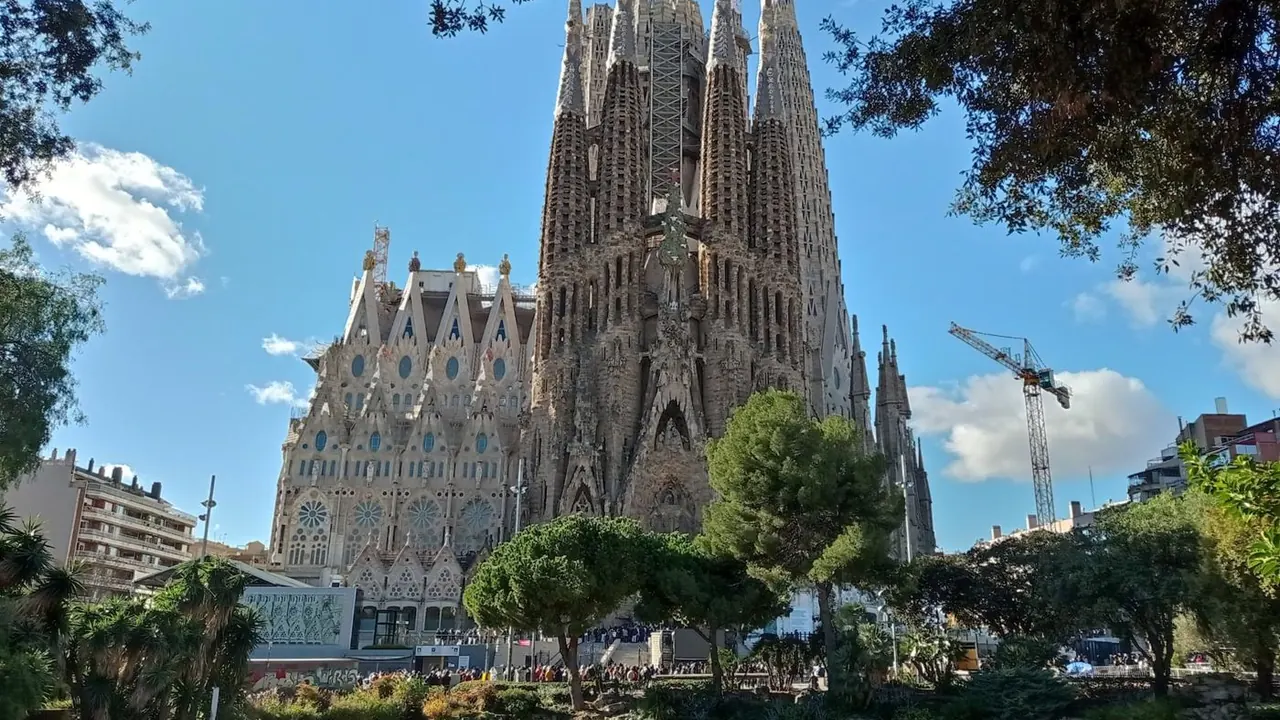
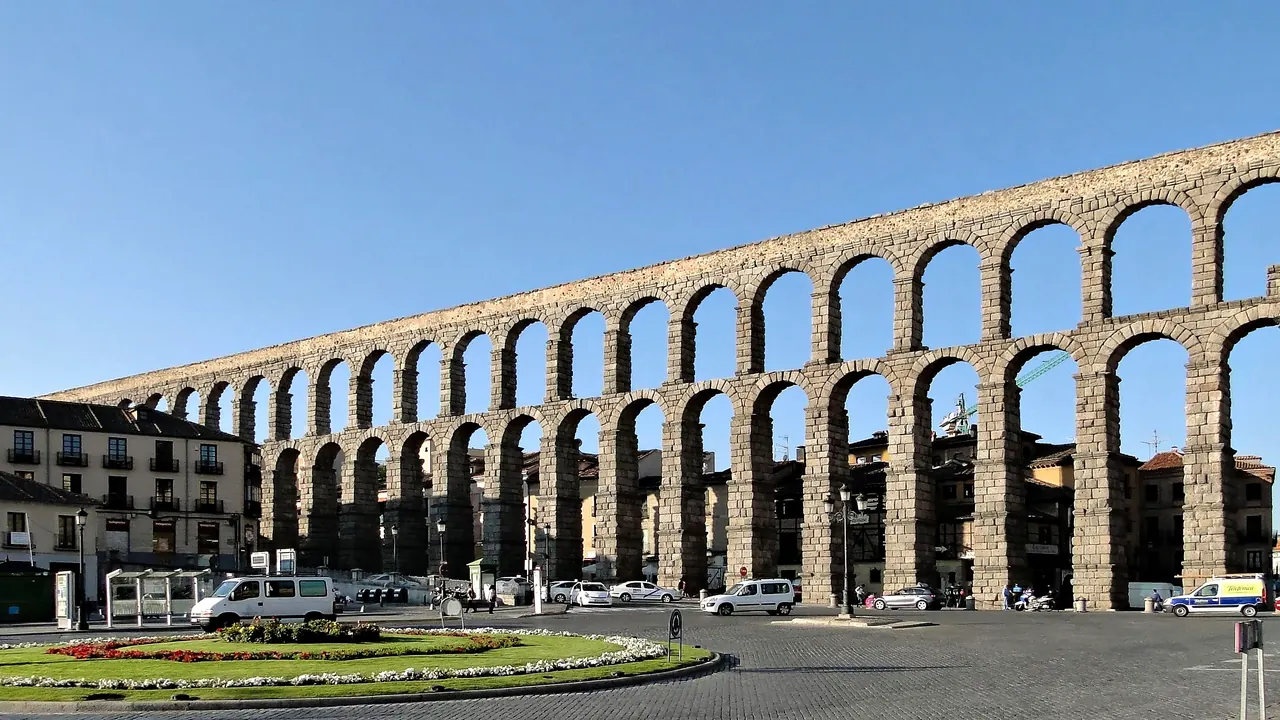
Photos: Barcelona by Canaan, CC BY-SA 4.0, cropped; Segovia by Bernard Gagnon, CC BY-SA 3.0, cropped.
Barcelona or Segovia?
Our verdict in twelve categories, each scored against the same fixed benchmark cities, and the climate month by month, so you can choose for your trip.
Choose Barcelona for
- beaches
- nightlife
- shopping
Barcelona is the choice for a longer, fuller trip. It gives you a sandy seafront, Gaudí and a medieval old town, one of Spain's great places to eat, and nights that run until dawn, all in a city you can get round by metro. It suits travellers who want a beach afternoon, a museum morning and a late dinner on the same day, and families who need the aquarium, the science museum and the theme parks to keep children going.
Choose Segovia for
- prices
Segovia is smaller and slower, and it costs noticeably less. A Roman aqueduct, a cliff-top Alcázar and streets of Romanesque churches fit on one ridge, with the Guadarrama mountains behind. Come here for two or three unhurried days of history, roast suckling pig and mountain walks, or as a base for the royal palaces and walled towns of Castile. Anyone who wants beaches, shopping or a big night out will be disappointed.
Scoreboard
Twelve categories on one fixed scale from 0 to 100. The shaded stretch is the gap between the two.
Your match
Pick a travel style or drag the sliders, and both match scores follow your weighting.
Wins on beaches and nightlife with your weighting.
Wins on prices with your weighting.
What matters to you?
Category by category
What the scores mean for a trip.
Beaches & swimming
Barcelona has a real beach on its doorstep. A string of sandy, man-made beaches runs from Barceloneta to Mar Bella, reached on foot or by metro, and Sitges and the Maresme coast offer more space within the hour. The city beaches get crowded and watched by pickpockets in high summer, but swimming is part of daily life from June to September.
Segovia is on the inland plateau, a long drive from any coast. A dip there means a municipal pool or a chilly reservoir in the Guadarrama foothills, so swimming has to be planned for another leg of the trip.
Food & drink
Barcelona's table is far broader. Catalan dishes such as suquet, botifarra and calçots in late winter sit beside tapas bars, vermouth hours, seafood rice and cava. Covered markets like Santa Caterina and Sant Antoni, cheap workers' set lunches and some of Europe's most ambitious tasting menus make it a city to eat your way through.
Segovia is narrower but focused: people travel here specifically for wood-roasted cochinillo and lechazo, with La Granja's judiones beans and ponche segoviano to finish. Once you have had the roasts and a tapas round with Ribera del Duero wine, there is little variety and almost no fine dining.
Culture & sights
Both are UNESCO-listed, but Barcelona offers much more depth. Gaudí's Sagrada Família, Casa Batlló and Park Güell are unlike anything elsewhere, and below them lie the Roman walls and medieval squares of the Gothic Quarter. The Picasso Museum, the MNAC's Romanesque frescoes and the Fundació Miró add serious collections, and a week is easily filled.
Segovia is concentrated rather than deep. The mortarless Roman aqueduct, the late Gothic cathedral, the Alcázar on its rock and a run of arcaded Romanesque churches are superb, but the museums are modest. A full day covers the essentials and a second lets you enjoy them slowly.
Nightlife
Barcelona's nights are among Spain's longest. You might have cocktails in Born cellars, drink outdoors in Gràcia's squares, eat pintxos along Blai, go to the Eixample's gay bars and finish at clubs that open properly around two, with a strong electronic scene on top.
Segovia's evening is a tapas crawl around Plaza Mayor, livelier on summer terraces and student weekends, then quiet. For a late night from there, you take the train to Madrid.
Nature & outdoors
The two are close here but offer very different outdoors. Barcelona mixes sea and hills: paddleboarding and windsurfing off Mar Bella, the flat Carretera de les Aigües across Collserola, and Montserrat's pinnacles or the Costa Brava cliffs further out. Its summers are too hot for proper hiking.
Segovia is mountain country. Valsaín's pine forests and the Navacerrada and Cotos passes are within half an hour, with trails up to Peñalara's glacial lakes, winter snow, and vultures over the Duratón gorge. It suits walkers who want altitude rather than water.
Day trips
Both make excellent bases, in different landscapes. From Barcelona, fast trains reach Girona's Jewish quarter, Dalí's museum in Figueres and Roman Tarragona, and Montserrat, Sitges and the Penedès cava cellars are closer still. Most of it is easy without a car.
Segovia opens up royal and medieval Castile: La Granja's fountain gardens twenty minutes away, Madrid by high-speed train, walled Ávila, and El Escorial across the sierra. The villages of Pedraza and Sepúlveda and the Ribera del Duero vineyards really need a car.
Good for families
Barcelona keeps children busy for far longer. The aquarium, the hands-on CosmoCaixa, the Ciutadella zoo and the funicular up to Tibidabo's funfair fill days, the beaches are a metro ride away, and PortAventura is about an hour south.
Segovia's Alcázar and aqueduct thrill children, and the compact old town feels safe. Once those are done, there is no zoo, aquarium or park built for them, and the steep cobbles are tiring with a pushchair. It works best for a day or two.
Getting around
Barcelona's flat centre and simple metro make it easy for a big city. You can walk from the Gothic Quarter to Gràcia, use bike lanes for longer stretches, and take a funicular or cable car up to Montjuïc and Tibidabo.
Segovia is a single ridge you can walk in a morning, but its cobbles are steep. The high-speed station sits well outside town, a bus ride away, and the hill villages and trailheads are much easier with a car.
Shopping & style
Barcelona is the place for shopping. The Passeig de Gràcia has fashion houses among Modernista façades, the Born has independent designers, and Gràcia and the Raval have craft, vintage and record shops. Espadrilles, ceramics and turrón make good gifts, though luxury labels are fewer than in the biggest capitals.
Segovia offers souvenirs along Calle Real, some local ceramics and embroidery, and boxed ponche or judiones beans for the suitcase. For fashion, people go to Madrid.
Affordability
The widest gap is in where you sleep. A summer room near Barcelona's old town or seafront costs far more than a night in one of Segovia's family-run guesthouses, and Barcelona adds a city tourist tax on top. Sightseeing makes the gap wider. Each of the big Gaudí interiors needs its own pricey ticket, while much of what you come to Segovia for, from the aqueduct to the walls and the Romanesque church porches, costs nothing to walk past.
Eating out is where the two come closest. Barcelona's weekday set lunch and market counters cost about the same as an everyday tapas round in Segovia's lower town. Each city has one meal that pushes the bill up: the tourist menus around the Rambla in one, and the celebrated cochinillo dining rooms by the aqueduct in the other. Segovia's advantage grows midweek and in winter, once the weekend crowd from Madrid has gone home.
Live music & performing arts
Barcelona has a year-round stage. Opera and ballet play at the historic Liceu, concerts fill the stained-glass Palau de la Música, and there are jazz cellars, flamenco and the Sónar, Primavera Sound and Grec festivals. Spoken theatre is mostly in Catalan or Spanish.
Segovia's arts are seasonal: Titirimundi's puppets in spring, summer concerts in churches and palace gardens, and touring shows at the Teatro Juan Bravo. Between festivals, little is on.
Wellness & relaxation
Neither is a spa destination, but Barcelona has a little more you can book. A few Arab-style bath houses in the old town offer warm pools and massage, and calm seaside towns like Sitges are close by. The trade-off is a noisy, crowded centre that stays up late.
Segovia has only a handful of hotel spas. Its rest comes from quiet: once the day coaches leave, slow walks along the walls and the pine air from the sierra make for gentle evenings.
When should you go?
Pick your month. The climate figures are measured averages, not a forecast.
Barcelona in July
Segovia in July
Daytime high, °C
Rainfall in the month, mm
Temperature and rainfall are climate normals, averaged over the years shown. Barcelona: 1991-2020 normals, Barcelona / Aeropuerto (14.4 km from centre). Segovia: 1991-2020 normals, Segovia (0.3 km from centre).
Barcelona has the gentler year. Winter days of around 14°C are mild enough for walking the streets, and the beach season runs from June to late September, with the sea at its warmest, about 25°C, in August. June and July are dry and sunny, but rain starts to pick up in August and peaks in September and October at about 83mm a month, so early autumn is warm but showery. Late spring and early summer are the most reliable time overall, with long sunny days before the heaviest heat arrives.
Segovia sits high on the Castilian plateau and has much sharper seasons. January highs of about 8°C make winter cold for long walks, while July and August reach 30°C. Those months are very sunny and dry, but hot on the steep streets at midday. June and September are the best months for sightseeing and walking in the sierra. May is pleasant too, though it is the city's most showery month. From October the air cools much faster than on the coast, and by November the plateau is chilly.
Which traveller are you?
For a beach and sun trip, Barcelona is the only real option. Sandy beaches run along the city's edge and longer ones lie a short train ride away. Segovia is landlocked, and the nearest swim is a cold mountain reservoir or a pool.
On a food and nightlife trip, Barcelona wins by a long way. You get Catalan cooking, market counters and serious tasting menus, then bars and clubs that run until dawn. Segovia's suckling pig is memorable, but its evenings end with a tapas round.
On a tight budget, Segovia goes further. Family-run guesthouses are moderately priced, and midweek or winter stays are cheap. Barcelona's hotels, tourist tax and Gaudí entry fees add up quickly, even if you eat set lunches like the locals.
Before you go
| Measure | Barcelona | Segovia |
|---|---|---|
| Official language | Spanish | Spanish |
| Currency | Euro (EUR) | Euro (EUR) |
| Sockets | CF230 V, 50 Hz | CF230 V, 50 Hz |
| Driving side | Right | Right |
| Time zone | UTC+1, UTC+2 in summer | UTC+1, UTC+2 in summer |
| Emergency number | 112 | 112 |
| Elevation | 9 m | 1,002 m |
| Main airport | Josep Tarradellas Barcelona-El Prat Airport (BCN)13 km from centre235 non-stop destinations | Adolfo Suárez Madrid–Barajas Airport (MAD)68 km from centre241 non-stop destinations |
| Public holidays this year | 14 days | 12 days |
By the numbers
| Measure | Barcelona | Segovia |
|---|---|---|
| City population | 1,731,649 | 52,375 |
| People per km² | 17,094 | 320 |
| Museums within 10 km | 95 | 11 |
| UNESCO World Heritage sites within 50 km | 3 | 2 |
| Swim season, months above 21 °C | 3 months | - |
Where else could you go?
Every comparison below shares a destination with this one, so you can follow Barcelona or Segovia somewhere new.
- Madridvs Segovia
- Gironavs Barcelona
- Toledovs Segovia
- Salamancavs Segovia
- Carcassonnevs Barcelona
- Toulousevs Barcelona