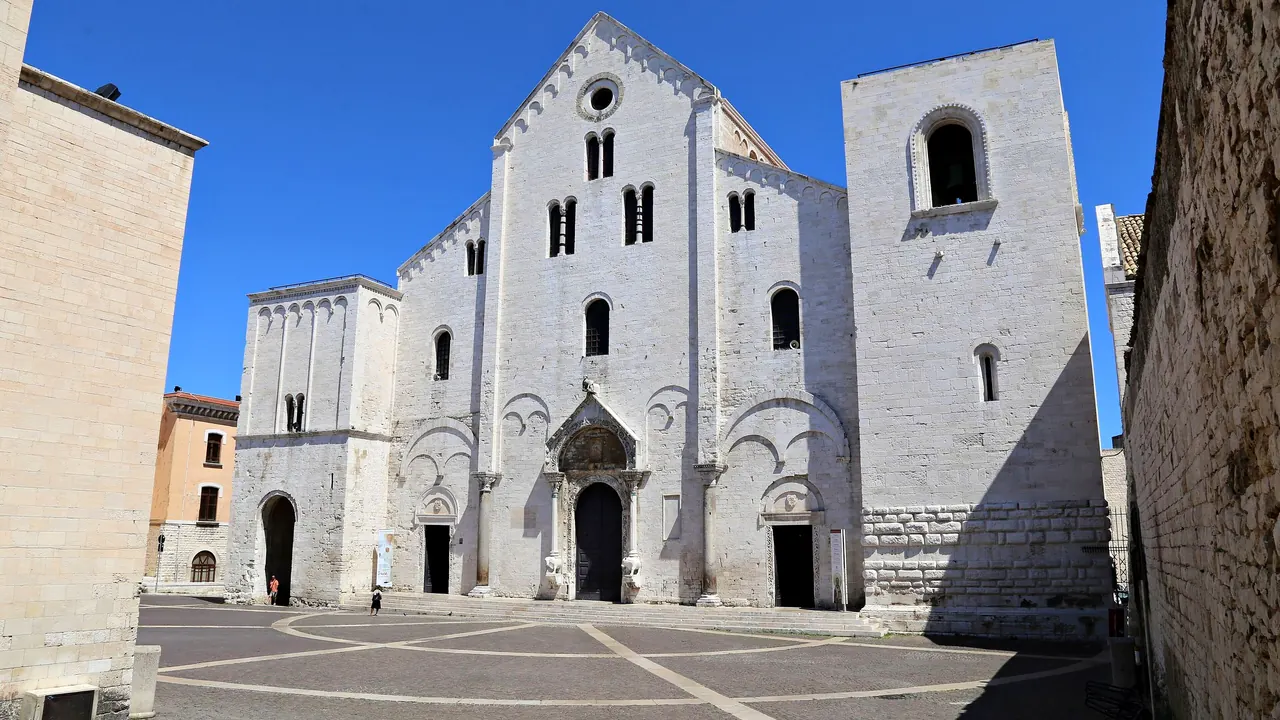
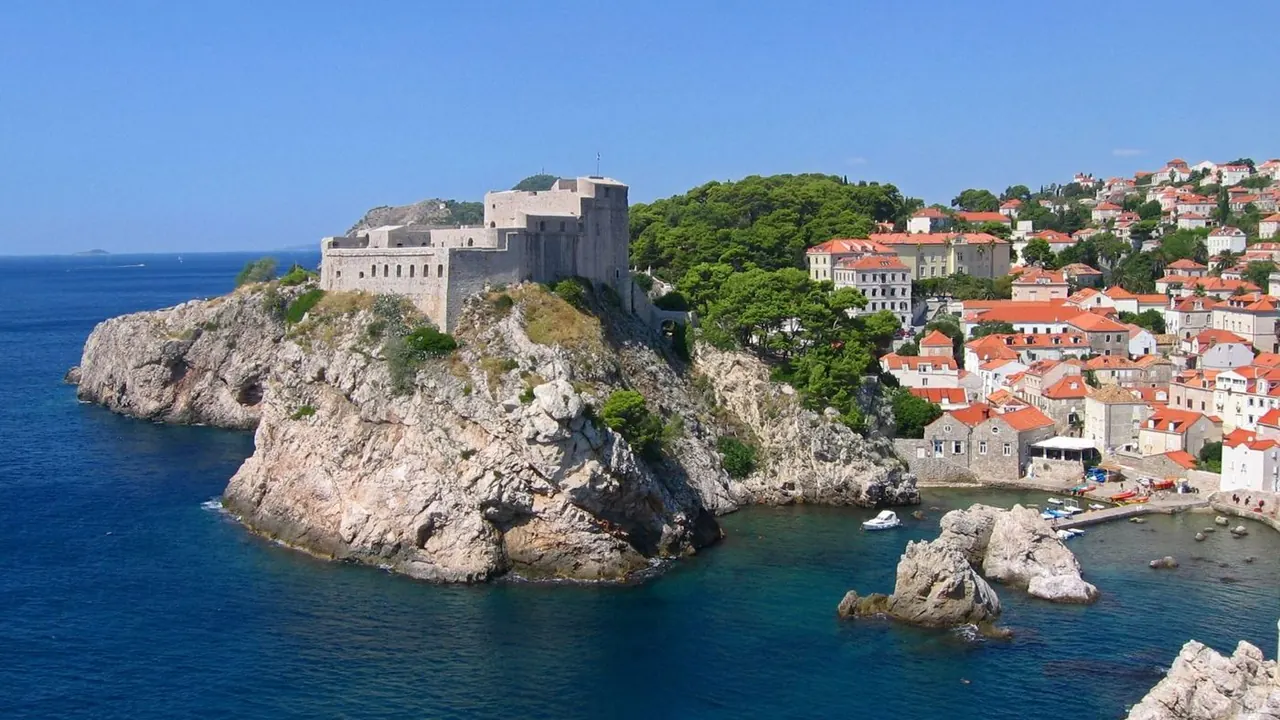
Photos: Bari by Sailko, CC BY-SA 4.0, cropped; Dubrovnik by Natalia Semenova, CC BY 3.0, cropped.
Bari or Dubrovnik?
Our verdict in twelve categories, each scored against the same fixed benchmark cities, and the climate month by month, so you can choose for your trip.
Choose Bari for
- prices
- live music and the arts
- food and drink
Bari suits a traveller who wants to eat well, spend sensibly and see a lot of the region. The city is an easy base, and from it you can reach Matera, the trulli towns of the Valle d'Itria, Lecce and the coves around Polignano. Evenings in the old-town piazzas run later and livelier than anything Dubrovnik offers, and a night at the Petruzzelli opera house is within reach too. The trade-off is that the city's own sights and beaches are pleasant rather than memorable.
Choose Dubrovnik for
- nature and the outdoors
- culture and sights
- beaches
Dubrovnik is the one to choose if the setting itself is the point. You walk an intact ring of walls above the sea, swim off the rocks, take a boat to Lokrum or the Elafiti islands and kayak under the fortifications. For a short, scenic stay built around swimming and views it is hard to beat. Go in with open eyes, though: it costs a lot, the summer days are crowded, and eating well means leaving the Stradun behind.
Scoreboard
Twelve categories on one fixed scale from 0 to 100. The shaded stretch is the gap between the two.
Your match
Pick a travel style or drag the sliders, and both match scores follow your weighting.
Wins on prices and live music and the arts with your weighting.
Wins on nature and the outdoors and culture and sights with your weighting.
What matters to you?
Category by category
What the scores mean for a trip.
Beaches & swimming
Dubrovnik is the better place to swim. The Adriatic is clear right below the walls, Lapad and Babin Kuk have coves within easy reach, and Lokrum and the Elafiti islands are a short boat ride away. The catch is that the beaches are pebble or concrete platforms, and they fill early in high season.
Bari does have sand at Pane e Pomodoro, which young families will like, but the city beaches are ordinary. Its good swimming is a train ride south, in the pebble cove at Polignano and the rocky inlets around Monopoli, so a beach day there means a half-day trip rather than a dip before lunch.
Food & drink
For eating, Bari is clearly ahead. In Bari Vecchia you can watch orecchiette being rolled in doorways, and the street food, from focaccia barese to sgagliozze, is cheap and belongs to the city. Even an ordinary trattoria meal with Primitivo tends to be generous and fairly priced.
Dubrovnik's Dalmatian cooking is good at its source, especially the Ston oysters, black risotto and Peljesac reds. Too many Old Town tables serve the cruise crowds, though, and there is little street food, so a good dinner usually means a konoba out in Lapad, Gruz or Konavle.
Culture & sights
Dubrovnik has the stronger set of sights. You walk an unbroken ring of walls, and the marble Stradun leads past the Rector's Palace, the Franciscan pharmacy and the Dominican paintings. The whole town reads as one preserved ensemble, though it is jammed with people on summer days.
Bari offers a looser, more lived-in old town. Its highlight is the Basilica di San Nicola, a Romanesque pilgrimage church, with the cathedral, the castle and the nineteenth-century Murat grid nearby. It has real character but is thinner, and for most visitors it fills a day or two before they head out to Matera or Lecce.
Nightlife
Bari is the better night out. Students and young locals fill Piazza Mercantile and Piazza Ferrarese, the bars in the Umbertino streets stay busy past midnight, and in high summer the crowd moves to beach clubs along the coast.
Dubrovnik's evenings are more about a sunset drink at the bars in the rocks below the walls, then a few lanes of wine bars and one club in the Revelin fortress. Outside summer, much of it shuts.
Nature & outdoors
Here Dubrovnik leads clearly. Limestone mountains drop straight into an island-scattered sea, so you can ride the cable car up Mount Srd, kayak to Lokrum, cycle between Elafiti villages or walk among Mljet's saltwater lakes and pine forest.
Bari sits on a flat plain of olive groves. Its best outdoor options are the open karst grassland of Alta Murgia, an hour inland, the Castellana caves and gentle cycling in the Valle d'Itria, which is pleasant country but tame by comparison.
Day trips
Bari is one of the best bases in southern Italy for day trips. Matera's cave dwellings, Alberobello's trulli, the white towns of Ostuni and Locorotondo, Castel del Monte, Trani's seafront cathedral and Baroque Lecce are all within a day's return.
Dubrovnik's excursions are good but fewer, and they lean across borders. You can visit Kotor and Perast in Montenegro or Trebinje and Mostar in Bosnia, alongside Ston and Cavtat at home. Border queues in summer can eat hours that Bari's trips never lose.
Good for families
Neither city builds much for children, so families do about equally well, but the shape of a stay differs. Bari's sandy city beach, flat traffic-free lanes and evening seafront stroll make it easy with a pushchair, and the Castellana caves and the Fasano safari park make good days out.
Dubrovnik offers more adventure, with the walls, the cable car, boats to Lokrum and calm coves in Lapad. The trade-off is endless stairs and Old Town crowds, so families usually stay in Lapad or Babin Kuk.
Getting around
Both centres are easy to explore on foot, but they work differently once you go beyond them. In Bari the old town, the Murat streets and the promenade sit together on flat ground, and regional railways fan out to the coast and inland, though they are slow enough that many visitors hire a car.
Dubrovnik has no trains at all. Instead it runs on buses to the Pile gate and on ferries and taxi boats to the islands, and its steep stairways make short distances feel longer.
Shopping & style
Bari gives a shopper more to work with, though neither city is a shopping destination. Via Sparano, the long pedestrian spine of the Murat quarter, has Italian high-street chains and a few smarter boutiques, which is already more fashion than Dubrovnik has anywhere. Still, Bari's most rewarding buys come from the larder: a bag of hand-shaped pasta, a packet of taralli or a bottle of Apulian oil from a delicatessen, with painted local pottery as the main find you can't eat.
Dubrovnik has no fashion street or department store at all, and the Old Town lanes are given over largely to souvenir stalls. Where Bari's best buys are edible, Dubrovnik's are made by hand: Konavle embroidery, coral and silver filigree jewellery and lavender, plus dried figs and candied orange peel from the morning market on Gunduliceva Poljana. Beyond that, the only real alternative is a shopping centre in Gruz.
Affordability
Money goes much further in Bari. Street food, trattoria lunches and local wine cost little, the old town and the basilica are free, and only July and August push room prices up.
Dubrovnik is the dearest place in Croatia. Summer rooms near the walls cost what they would in a Western European capital, and walking the walls and taking the cable car and boats all add up. Staying in Lapad or Cavtat and coming in spring or autumn helps, but it never becomes cheap.
Live music & performing arts
Bari has more to offer through the year. The Petruzzelli, one of Italy's largest opera houses, runs a full season of opera, ballet and concerts, and summer jazz and open-air music fill the piazzas and the castle.
Dubrovnik comes alive for the Summer Festival in July and August, with theatre and concerts staged in settings like Fort Lovrijenac and the Rector's Palace atrium. Outside the festival there is little beyond occasional symphony and chamber concerts.
Wellness & relaxation
Neither city has a bathing culture, and in both the spas are mostly hotel facilities, so the difference lies in where the calm comes from. In Bari it is the long lunch, the afternoon break and the evening stroll on the promenade, and a restored country estate inland if you want proper pampering. Dubrovnik's calm means getting away, to Cavtat or the Elafiti islands, or coming outside summer.
When should you go?
Pick your month. The climate figures are measured averages, not a forecast.
Bari in July
Dubrovnik in July
Daytime high, °C
Rainfall in the month, mm
Where the figures come from
Bari has no rain gauge within 25 km of the centre, so its rainfall comes from a gridded climate dataset read at the city rather than from a gauge further away.
Bari's sunshine is measured 77 km from the centre, at Marina Di Ginosa.
Dubrovnik has no rain gauge within 25 km of the centre, so its rainfall comes from a gridded climate dataset read at the city rather than from a gauge further away.
Dubrovnik's sunshine is measured 83 km from the centre, at Mostar.
Temperature and rainfall are climate normals, averaged over the years shown. Bari: 1991-2020 (sunshine 1961-1990) normals, Bari / Palese Macchie (7 km from centre). Dubrovnik: 1999-2020 (sunshine 1991-2020, rainfall 1991-2020) normals, Dubrovnik / Cilipi (15.3 km from centre).
Through the summer the two cities are close. Both reach about 30°C at the July and August peak, and in both the sea warms to around 26°C in August, so June to September is beach season on either coast. The real difference is rain. Bari stays fairly dry all year, with almost no rain in high summer and only moderate wet spells from September to December. Dubrovnik is much wetter from October to March, peaking at around 179mm in November, so late autumn and winter there bring frequent grey, rainy days.
For walking the streets, spring and early autumn suit both. In Bari, May and late September are warm without the midsummer heat. Dubrovnik's sunniest months run from May to August, and its rains often start in September, which makes late May and June its most reliable time for sightseeing combined with a swim. In winter Bari is the more dependable of the two, though neither is warm.
Which traveller are you?
On a food and nightlife trip, Bari wins clearly. Its street food, hand-rolled orecchiette and raw seafood by the fishermen's pier beat Dubrovnik's tourist-heavy Old Town menus, and its crowded late-night piazzas outlast Dubrovnik's handful of bars.
For an outdoors trip, Dubrovnik is the stronger choice. You can climb Mount Srd, paddle a sea kayak round the walls, and walk on Lokrum, the Elafiti islands and Mljet. Bari's flat plain offers the Alta Murgia plateau for walking but no mountains.
On a trip on a tight budget, go to Bari. Cheap street food, local wine and free sights make it one of Italy's easier cities on the wallet. Dubrovnik charges Western capital prices for summer rooms, and the walls and boats soon add up.
Before you go
| Measure | Bari | Dubrovnik |
|---|---|---|
| Official language | Italian | Croatian |
| Currency | Euro (EUR) | Euro (EUR) |
| Sockets | CFL230 V, 50 Hz | CF230 V, 50 Hz |
| Driving side | Right | Right |
| Time zone | UTC+1, UTC+2 in summer | UTC+1, UTC+2 in summer |
| Emergency number | 112 | 112 |
| Elevation | 5 m | 10 m |
| Main airport | Bari Karol Wojtyła International Airport (BRI)9 km from centre104 non-stop destinations | Dubrovnik Ruđer Bošković Airport (DBV)16 km from centre76 non-stop destinations |
| Public holidays this year | 13 days | 14 days |
By the numbers
| Measure | Bari | Dubrovnik |
|---|---|---|
| City population | 315,473 | 41,562 |
| People per km² | 2,687 | - |
| Museums within 10 km | 12 | 7 |
| UNESCO World Heritage sites within 50 km | 1 | 3 |
| Swim season, months above 21 °C | 4 months | 5 months |
Where else could you go?
Every comparison below shares a destination with this one, so you can follow Bari or Dubrovnik somewhere new.