Photos: Basel by Lucazzitto, CC BY-SA 3.0, cropped; Padua by Didier Descouens, CC BY-SA 4.0, cropped.
Basel or Padua?
Our verdict in twelve categories, each scored against the same fixed benchmark cities, and the climate month by month, so you can choose for your trip.
Choose Basel for
- live music and the arts
- families
- getting around
Basel suits travellers who want things to run smoothly and will pay for it. Trams, a free transport card for hotel guests and fast trains in three directions make every day easy. Children have the Zolli and Europa-Park within reach, and evenings can go to opera at Theater Basel or a symphony at the Stadtcasino. It is the better choice for families, music lovers and anyone who wants the Black Forest, the Jura and Alsace close by.
Choose Padua for
- prices
- wellness
- food and drink
Pick Padua if you want more from each day for much less money. It is a far cheaper base, and its morning markets and standing spritz in the squares make eating and evenings more enjoyable. The thermal pools of Abano are a short ride away. Above all, it puts Venice, Verona, Vicenza and Bologna within easy reach by train, so it rewards travellers who like to sleep in one calm place and explore a whole region.
Scoreboard
Twelve categories on one fixed scale from 0 to 100. The shaded stretch is the gap between the two.
Your match
Pick a travel style or drag the sliders, and both match scores follow your weighting.
Too close to call, 2 points apart
Wins on live music and the arts and families with your weighting.
Wins on prices and wellness with your weighting.
What matters to you?
Category by category
What the scores mean for a trip.
Beaches & swimming
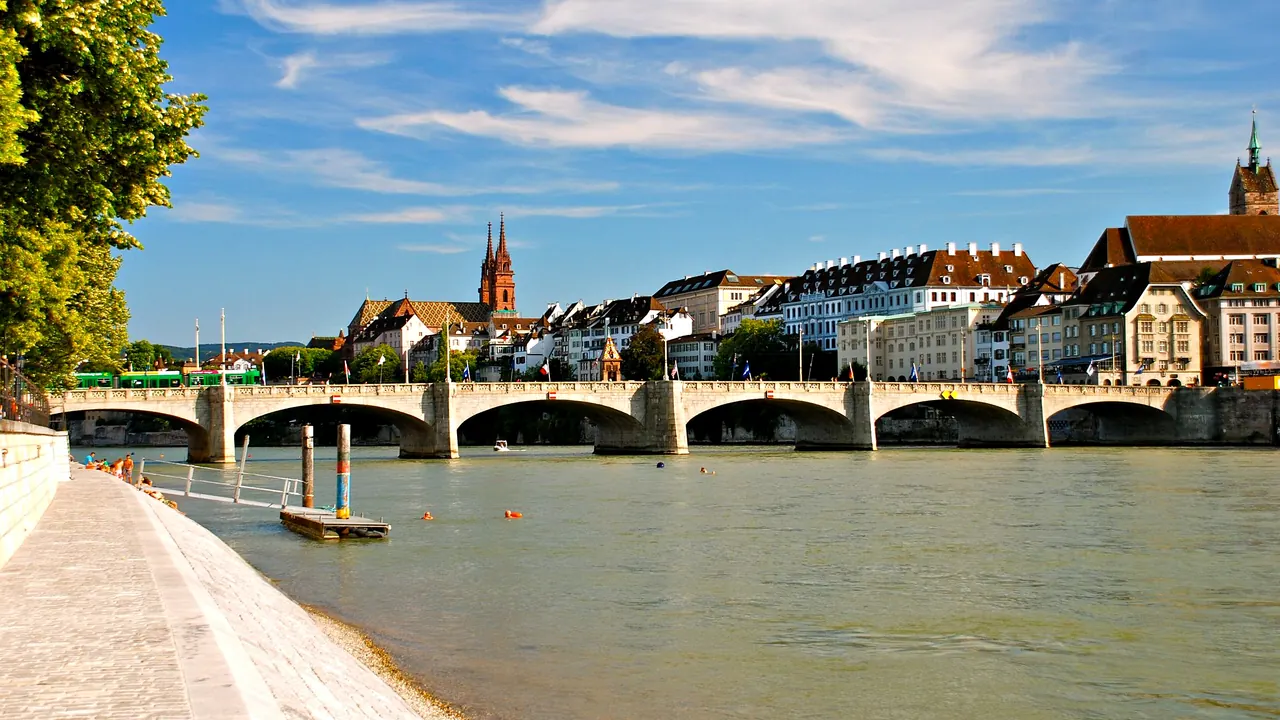
Neither city is a beach destination, and the swimming they offer is quite different. In Basel it happens in the middle of town. On summer afternoons people walk up the Kleinbasel bank and float back past the old town on the Rhine. It is memorable, but only for confident swimmers in a strong current.
Padua has no water of its own, but the Adriatic at Sottomarina or the Venice Lido is about an hour away. The sea there is shallow and calm enough for children, and the beaches are long, flat strips of umbrellas. Choose Basel for a swim between museums and Padua for a proper day on the sand.
Food & drink
Padua is the better place to eat. Its cooking comes from the Venetian home kitchen: bigoli, baccalà and risotto with spring peas. The morning markets in Piazza delle Erbe and Piazza della Frutta and the early-evening spritz make food part of the day rather than a break from it.
Basel eats well but borrows much of its character from Alsace and Baden, and everyday meals can feel expensive for what they are. Its strengths are a small, very good fine-dining tier and the Markthalle food hall. Padua's fine dining is thin, but its ordinary tables give you more.
Culture & sights
Both are serious culture cities, but of different kinds. Basel is about museums: the Kunstmuseum with its Holbeins, the Fondation Beyeler in its Renzo Piano building, the Tinguely and the Vitra campus. Buildings by Herzog & de Meuron stand alongside the red sandstone Münster.
Padua's strength is medieval painting still on the walls where it was made. Giotto's Scrovegni Chapel leads the UNESCO-listed fresco cycles, joined by the pilgrim Basilica of Saint Anthony and the university's anatomical theatre. Lovers of modern art and design lean towards Basel. Anyone drawn to the roots of Italian painting should go to Padua.
Nightlife
Neither is a place for a big night out, but Padua's evenings are more sociable. Students and locals gather for the aperitivo in Piazza delle Erbe and Piazza dei Signori until late, and during term wine bars keep the side streets of the old ghetto busy.
Basel is quieter and dearer, with summer drinks on the steps of the Kleinbasel bank and a few clubs in old harbour buildings. Its one great exception is Fasnacht in late winter, three days of drums and lantern processions with no equal in Padua.
Nature & outdoors
Basel has more of the outdoors close at hand. The Jura ridges begin just south of town, and the Black Forest summits rise above 1,400m within an hour. The Vosges lie to the west, and flat Rhine paths lead by bike into Germany and France.
Padua sits on a flat plain, and the nearest hills are the Euganean Hills, a compact park of volcanic cones with vineyards and roads popular with cyclists. Proper mountain walking means a drive to Monte Grappa or the Asiago plateau, and summer humidity makes it harder work.
Day trips
Both are superb bases, but Padua's list is hard to beat. Venice is under half an hour by train and Vicenza a quarter of an hour. Verona, Bologna and Ferrara are around an hour away, and the Brenta villas and the walled towns around the Euganean Hills are closer still.
Basel's appeal is its reach across borders. Colmar and the Alsace wine villages, Freiburg and the Black Forest, then Lucerne, Bern and Zurich are each about an hour away. Basel gives you three countries. Padua gives you some of Italy's most famous cities, very close by.
Good for families
Basel is the easier city for children. The Zolli, a short walk from the station, makes a proper day out, and the Natural History Museum and the toy museum cover wet mornings. The river ferries are an adventure in themselves, and Europa-Park is an hour's drive away.
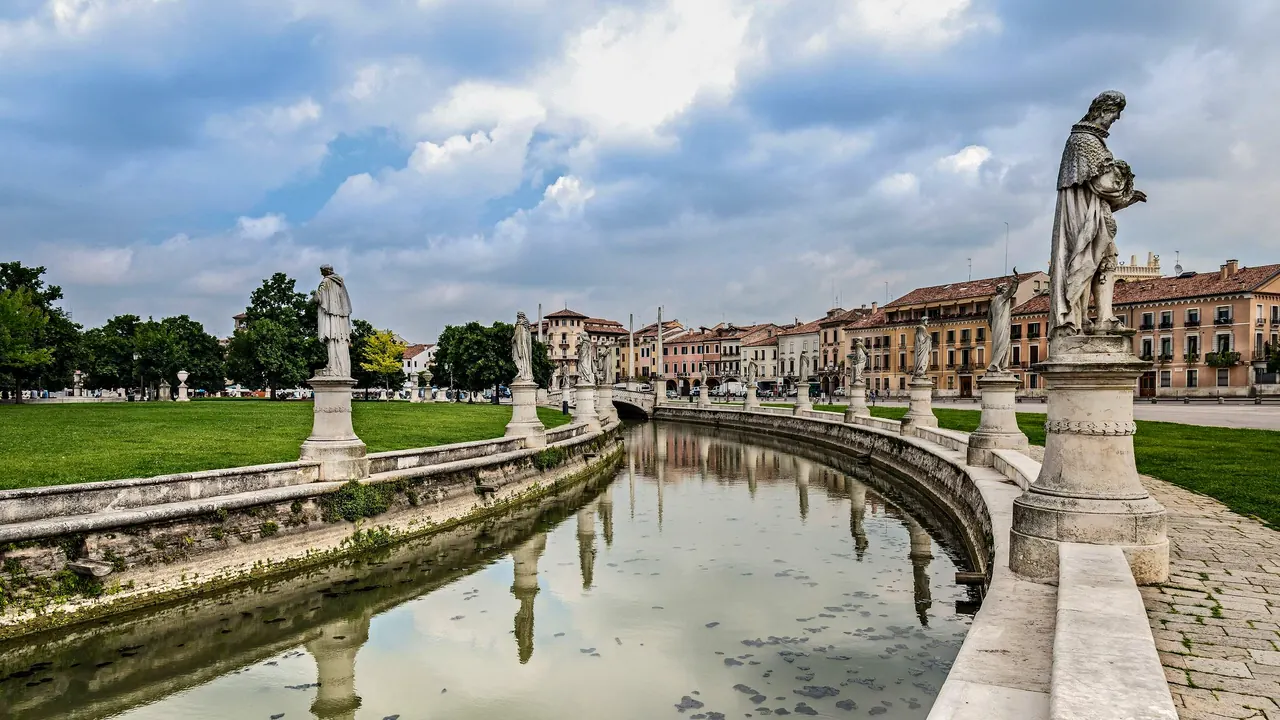
Padua is safe, flat and welcoming to children in any trattoria, and Prato della Valle gives them room to run, but its sights are frescoes and churches. Families staying there rely on trips to Gardaland, Lake Garda or the Adriatic.
Getting around
Basel is the smoother of the two. Its green trams reach every part of the city, and some lines cross into Germany and France. Hotel guests ride free, and four small ferries carry you across the Rhine.
Padua's centre is just as walkable, flat and lined with arcades that shelter you from sun and rain. A tram links the station with the centre and Prato della Valle, and buses and bicycles cover the rest. From both stations, day trips need no car.
Shopping & style
Neither city is a shopping destination, and edible souvenirs are the best buys in both. Basel's Freie Strasse leans towards Swiss watches, jewellery and chocolate, and its Christmas market around the Münster is one of the prettiest in Switzerland.
Padua has Italian fashion and shoe shops under its arcades and the food stalls and delicatessens under the Palazzo della Ragione. Once a month a large antiques market fills Prato della Valle on a Sunday.
Affordability
The gap here is wide. Basel charges full Swiss prices for rooms, meals, drinks and museums, and rooms become scarce during fairs such as Art Basel. Free local transport and cheaper meals across the border in Germany and France only soften the bill a little.
Padua costs what a mid-sized northern Italian city usually does. Trattoria meals are fairly priced and a standing spritz is cheap. Many travellers stay there precisely so they can visit Venice by day and return to a cheaper bed at night.
Live music & performing arts
Basel is the stronger city for the stage. Theater Basel puts opera, ballet and drama under one roof and is known for bold productions. The Sinfonieorchester plays in the Stadtcasino's fine hall, and early-music concerts add to a season that runs from autumn to early summer.
Padua offers prose theatre and some opera at Teatro Verdi, and chamber concerts in the Sala dei Giganti and the Basilica. For big opera nights, people take the train to the Fenice in Venice or the Arena in Verona.
Wellness & relaxation
Padua has one of Europe's largest thermal districts on its edge. At Abano and Montegrotto, dozens of spa hotels have hot mineral pools and mud treatments, and many welcome day visitors, so a soak can follow a morning of frescoes.
Basel's calm comes from quiet Sundays and doing nothing by the river. Proper bathing means a trip to the saline baths at Rheinfelden, about twenty minutes away, or to the German spa towns of southern Baden. That makes a pleasant spa day, but not a wellness stay.
When should you go?
Pick your month. The climate figures are measured averages, not a forecast.
Basel in July
Padua in July
Daytime high, °C
Rainfall in the month, mm
Where the figures come from
Padua's temperatures are measured 35 km from the centre, at Treviso / Istrana.
Padua has no rain gauge within 25 km of the centre, so its rainfall comes from a gridded climate dataset read at the city rather than from a gauge further away.
Padua's sunshine is measured 36 km from the centre, at Treviso / S. Angelo.
Temperature and rainfall are climate normals, averaged over the years shown. Basel: 1991-2020 (sunshine 1961-1990) normals, Basel / Binningen (1.9 km from centre). Padua: 1991-2020 normals, Treviso / Istrana (35.4 km from centre).
Basel is at its best from June to early September. Highs of around 26°C make the Rhine warm enough to float down, and the riverbanks fill with people. Those are also its wettest months, with heavy showers from May to August. Spring and autumn are cool and comfortable for museums and walking. Winter is cold and grey, with much less sunshine than Padua.
Padua is warmer and sunnier all year. July and August reach about 31°C and are humid, too hot for long afternoons in the streets, though the Adriatic is then at its warmest, around 25°C, which makes a good beach day. May, June and September are the best months for sightseeing. October and November are the wettest, with rain peaking near 97mm, and fog often settles on the plain in winter. For a spring or autumn trip Padua has the milder weather, but in high summer Basel is the more comfortable city to walk around.
Which traveller are you?
On a trip on a tight budget, Padua is the clear choice. Rooms, trattoria meals and a standing spritz cost far less than in Basel, and quick trains put Venice within half an hour, so a modest stay still covers a whole region.
On a family trip with children, Basel fills the days more easily. Animals or a museum in the morning and picnics and paddling by the Rhine after lunch all sit close together. In Padua, the best days for children usually mean travelling out.
For a relaxing and wellness trip, Padua is the better pick. Abano and Montegrotto, about 12km out, have hot mineral pools and mud treatments open to day visitors. Back in town, long lunches and shady arcades keep the pace slow and easy.
Before you go
| Measure | Basel | Padua |
|---|---|---|
| Official language | French, German, Italian, Romansh | Italian |
| Currency | Swiss Franc (CHF) | Euro (EUR) |
| Sockets | CJ230 V, 50 Hz | CFL230 V, 50 Hz |
| Driving side | Right | Right |
| Time zone | UTC+1, UTC+2 in summer | UTC+1, UTC+2 in summer |
| Emergency number | 112 | 112 |
| Elevation | 247 m | 12 m |
| Main airport | EuroAirport Basel–Mulhouse–Freiburg (BSL)7 km from centre112 non-stop destinations | Venice Marco Polo Airport (VCE)39 km from centre103 non-stop destinations |
| Public holidays this year | 10 days | 13 days |
By the numbers
| Measure | Basel | Padua |
|---|---|---|
| City population | 176,329 | 206,496 |
| People per km² | 7,378 | 2,220 |
| Museums within 10 km | 61 | 29 |
| UNESCO World Heritage sites within 50 km | 2 | 5 |
| Swim season, months above 21 °C | - | 4 months |
Where else could you go?
Every comparison below shares a destination with this one, so you can follow Basel or Padua somewhere new.