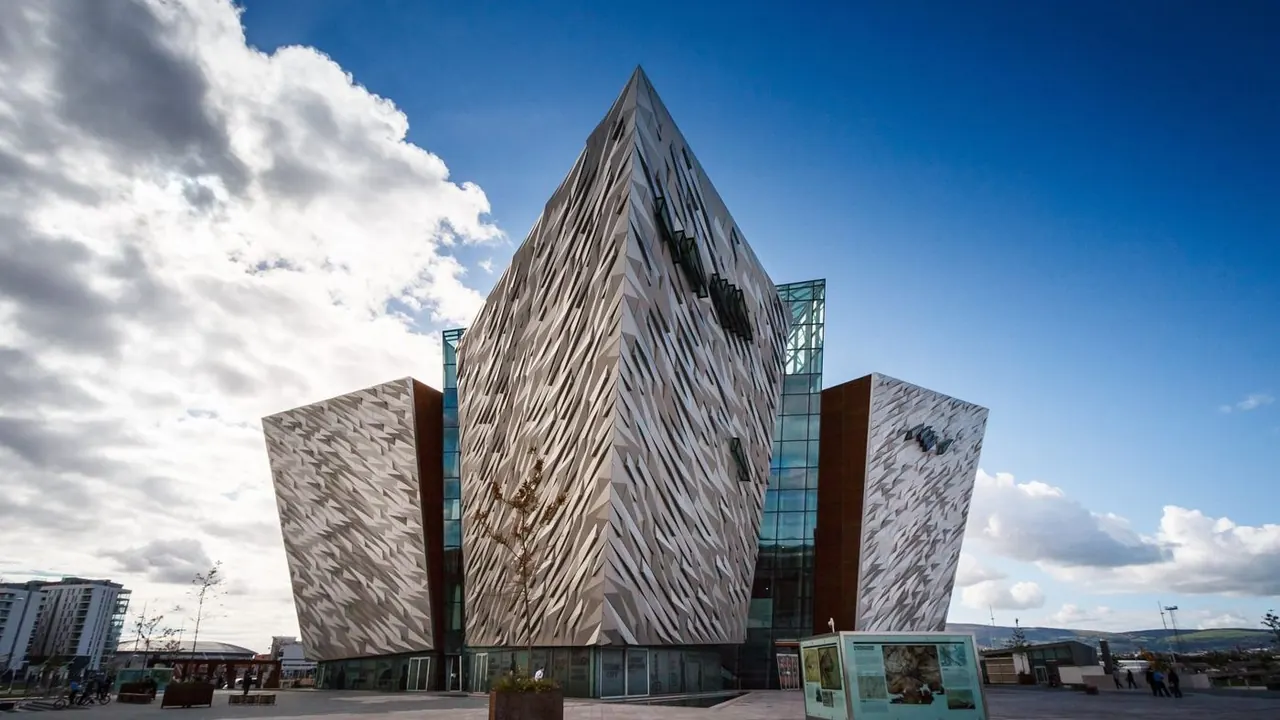
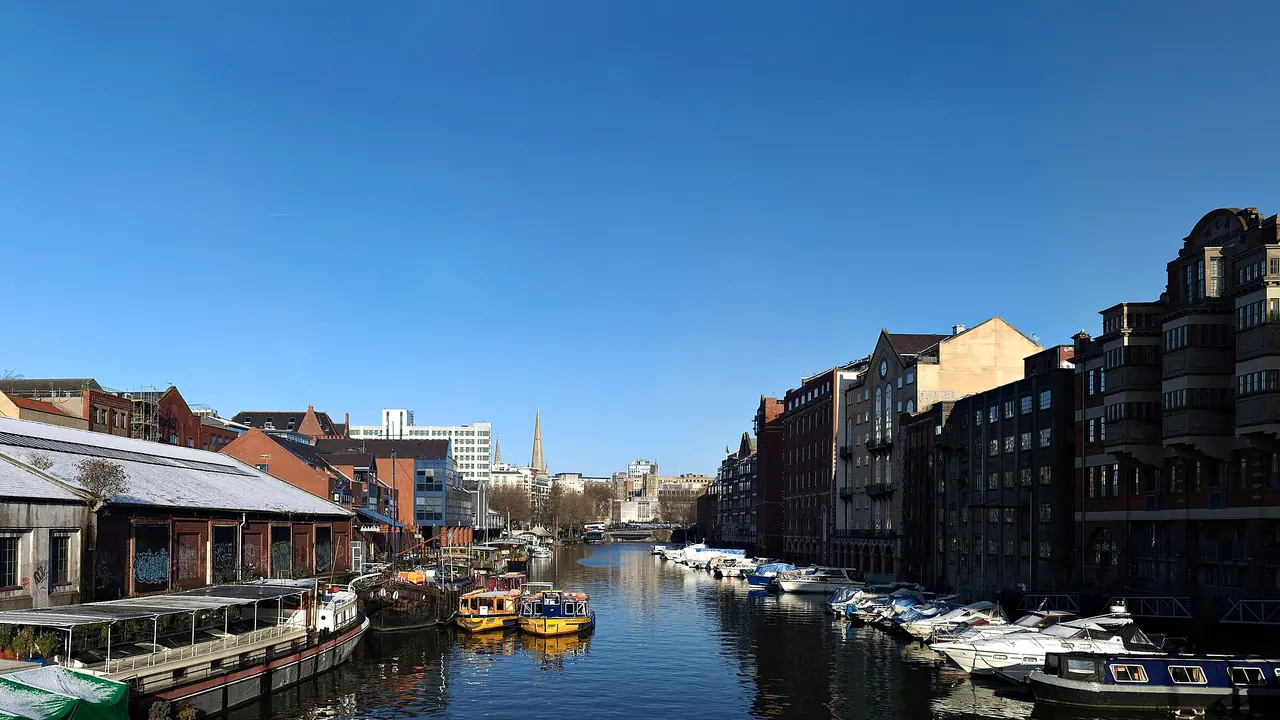
Photos: Belfast by Nico Kaiser, CC BY 2.0, cropped; Bristol by NotFromUtrecht, CC BY-SA 3.0, cropped.
Belfast or Bristol?
Our verdict in twelve categories, each scored against the same fixed benchmark cities, and the climate month by month, so you can choose for your trip.
Choose Belfast for
- nature and the outdoors
- prices
- getting around
Belfast suits travellers who want wild country close at hand and a stay that costs a bit less. The Mournes and the Causeway Coast give it far bigger landscapes than anything near Bristol, and its centre is easy to cover on foot or by Glider. Evenings tend to run on pub sessions and traditional music. It works well as a base for walkers, for people curious about the Troubles and the shipyards, and for anyone who wants a friendly, low-key city with plenty of room around it.
Choose Bristol for
- wellness
- nightlife
- day trips
Bristol is the pick for a lively urban trip with plenty of easy excursions. Bath, Wells, Cardiff and the Cotswolds are all close by train or car, and its warehouse clubs and independent food streets keep later nights more varied than Belfast's. Bath's hot springs also give it a real place to unwind. It costs more and its hills tire the legs, but for a sociable, well-connected break it has the stronger hand.
Scoreboard
Twelve categories on one fixed scale from 0 to 100. The shaded stretch is the gap between the two.
Your match
Pick a travel style or drag the sliders, and both match scores follow your weighting.
Too close to call, 2 points apart
Wins on nature and the outdoors and prices with your weighting.
Wins on wellness and nightlife with your weighting.
What matters to you?
Category by category
What the scores mean for a trip.
Beaches & swimming
Neither city is a beach destination, and the difference is in the coastline rather than the quality. From Belfast, a short train ride along the County Down shore reaches real sandy coves at Helen's Bay and Crawfordsburn, though the water stays cold all year.
Bristol's estuary is brown and muddy with a huge tidal range. Weston-super-Mare has sand but the sea retreats far out, so the nearest proper bathing is the Victorian marine lake at Clevedon, where locals go for cold-water dips.
Food & drink
Bristol has the edge for eating out, mainly because of its range. St Nicholas Market, the harbourside container kitchens and the bakeries and roasters of Gloucester Road and North Street cover far more ground than Belfast does, and West Country cider and the craft taprooms give drinking a local character.
Belfast is narrower but has firmer roots. The Ulster fry, Strangford oysters, Mourne lamb and dry-aged beef anchor its best kitchens, St George's Market is a fine weekend graze, and a carefully poured stout or an Irish whiskey in a pub is part of the visit.
Culture & sights
The two are evenly matched, and both tell an industrial story. Belfast's is recent and often raw. Titanic Belfast on the old slipways, Crumlin Road Gaol and the murals and peace walls of the Falls and Shankill give it a political edge that few British cities have.
Bristol's history goes back further and its architecture is finer. Brunel's SS Great Britain and the Clifton Suspension Bridge, the Georgian crescents of Clifton and the Gothic St Mary Redcliffe sit alongside Banksy's early street art, and M Shed deals honestly with the city's role in the slave trade.
Nightlife
Bristol is the better city for a big night out. Its sound-system heritage fills warehouse clubs around Temple Meads and along the harbour, the bars of Stokes Croft are creative and scruffy, and weekends run late all year thanks to the student crowd.
Belfast's night is a pub crawl rather than a rave. The cobbled entries of the Cathedral Quarter and the Victorian snugs of the Crown Liquor Saloon make for a warm, talkative evening, but the clubs are few and most places shut earlier.
Nature & outdoors
Belfast wins clearly on scenery. Cave Hill's basalt cliffs and the Black Mountain rise right behind the city. Beyond them, the granite Mournes and the Causeway Coast, with the Giant's Causeway and the Carrick-a-Rede rope bridge, rank among the finest landscapes in these islands, and Strangford Lough adds birdlife and kayaking.
Bristol's outdoors are greener and gentler: the Avon Gorge for climbers, mountain biking at Ashton Court, the railway path towards Bath, and caving at Cheddar. For proper upland hiking you need to drive about two hours to the Brecon Beacons or Exmoor.
Day trips
Bristol is the stronger base for day trips, and they are close. Bath is a quarter of an hour away by train, and Wells, Glastonbury and Cardiff are about an hour. Stonehenge, Avebury and the Cotswold villages make a long list of famous places within easy reach.
Belfast's options are more spread out but still rewarding. Dublin is two hours away by train, Carrickfergus Castle and the Ulster Folk Museum are close, and Armagh and walled Derry fill a day. The Antrim coast run past Dunluce and Bushmills is the classic outing.
Good for families
Families will do equally well in either, and the line-ups are surprisingly alike. Each has a hands-on science centre in its regenerated docks, W5 in Belfast and We The Curious in Bristol, plus a zoo and a famous ship. Belfast's zoo looks out over the lough from Cave Hill, and its compact, flat centre is easier with a pushchair.
Bristol adds an aquarium, harbour ferries that children enjoy, and a roomy wildlife park, but its steep hills are hard work with small children.
Getting around
Flat streets make Belfast's centre an easy walk, from City Hall through the Cathedral Quarter and across the Lagan to the Titanic Quarter. The Glider lines cross the city east to west, and suburban trains follow the lough to Holywood and Carrickfergus. Buses thin out after dark, though, and the Causeway Coast is far easier with a hire car or a coach tour.
Bristol's core is just as compact, and the yellow ferries along the Floating Harbour are a pleasant way to hop between sights. Beyond the centre things slow down. The climb to Clifton is steep, and buses crawl in traffic. Temple Meads is a walk from the old city, and it puts the region's rail links close to hand.
Shopping & style
Neither is a shopping destination, but they offer different things. Belfast's best buy is Irish linen, the craft that built the city, along with whiskey and local food. Its streets around Donegall Place and the Victoria Square dome are mostly chain stores.
Bristol has no local craft to seek out, but it has more independent character. Gloucester Road's record shops and vintage clothes, the boutiques of Park Street and Clifton Village's Georgian arcades make for a better afternoon of browsing.
Affordability
Belfast is the cheaper of the two, though the gap is narrower than it first looks. An evening of pub food and a few rounds in the Cathedral Quarter costs much the same as a similar night in Bristol. Belfast gets expensive with its headline sights and the countryside beyond it: Titanic Belfast and Crumlin Road Gaol charge for entry, and a day on the Causeway Coast usually means paying for a coach tour or a hire car.
Bristol asks more of a budget overall, but many of its sights cost nothing. M Shed and the Bristol Museum and Art Gallery are free, and grazing at St Nicholas Market or the harbourside container kitchens is the cheapest way to eat well. Day trips are easier too, since Bath is a quarter of an hour away by train and a good day out there needs no car or tour.
Live music & performing arts
The two are close on stage and music, but the strengths differ. Belfast's music is traditional: Irish sessions run in pubs most nights, the Ulster Orchestra plays the Ulster Hall, and the Lyric keeps up a strong line of Irish drama.
Bristol leans to theatre history and newer sounds. The Georgian Bristol Old Vic is the oldest continuously working theatre in the English-speaking world, and small venues in Stokes Croft and Old Market host jazz, bands and electronic acts.
Wellness & relaxation
Bristol offers far more for unwinding, largely thanks to its neighbour. Bath's rooftop thermal pool, fed by Britain's only natural hot springs, is a quarter of an hour away by train, and Clifton's heated Victorian lido is a restful half day in the city itself.
Belfast has nothing comparable. Relaxing there means a hotel spa, a cold dip with the lough-shore swimmers, or a slow walk through the Botanic Gardens. Most people who want real calm head out to the hills or the coast.
When should you go?
Pick your month. The climate figures are measured averages, not a forecast.
Belfast in July
Bristol in July
Daytime high, °C
Rainfall in the month, mm
Where the figures come from
Bristol's station stands 178 m above the city centre, so the centre is likely a little warmer than the figures say.
Bristol has no rain gauge within 25 km of the centre, so its rainfall comes from a gridded climate dataset read at the city rather than from a gauge further away.
Bristol's sunshine is measured 43 km from the centre, at Lyneham.
Temperature and rainfall are climate normals, averaged over the years shown. Belfast: 1991-2020 normals, Belfast / Aldergrove Airport (19.4 km from centre). Bristol: 1991-2020 normals, Lulsgate Bottom (11.8 km from centre).
Neither city ever gets too hot for walking, and both are at their best from May to September. Summer highs barely differ, with Belfast peaking around 19°C and Bristol around 20°C. The real gap is sunshine. Bristol gets noticeably more of it from May to August, reaching about 208 hours in July, while Belfast's sunniest month is May, and its summers turn greyer and wetter as August comes in. Late spring is often the best time for a trip to Belfast.
Rain arrives in both from October, and November to February are cold, dark and damp in each, better for museums and pubs than for long walks. Neither suits a beach trip. The Irish Sea off Belfast only reaches about 14°C in early autumn. The Severn estuary warms to around 18°C in July and August, but with Bristol's muddy, tidal shore that only helps a cold-water dipper at Clevedon.
Which traveller are you?
On an outdoors trip, Belfast is the clear choice. Cave Hill and Divis start at the edge of town, the Mourne Mountains are about an hour away, and the Causeway Coast gives cliff paths and basalt columns that Bristol's soft, rolling countryside can't match.
For a food and nightlife trip, choose Bristol. Its independent kitchens, cider houses and taprooms beat Belfast's narrower range. Its club culture, rooted in trip hop and drum and bass and set in warehouses and railway arches, also keeps going long after Belfast's pubs close.
On a trip on a tight budget, Belfast is easier on the wallet. Its hotels are more reasonably priced than Bristol's, which climb at weekends. Pub food and transport are moderate, and the Ulster Museum, Botanic Gardens and City Hall tours are free.
Before you go
| Measure | Belfast | Bristol |
|---|---|---|
| Official language | English | English |
| Currency | Pound Sterling (GBP) | Pound Sterling (GBP) |
| Sockets | G230 V, 50 Hz | G230 V, 50 Hz |
| Driving side | Left | Left |
| Time zone | UTC, UTC+1 in summer | UTC, UTC+1 in summer |
| Emergency number | 112 or 999 | 112 or 999 |
| Elevation | 3 m | 11 m |
| Main airport | George Best Belfast City Airport (BHD)4 km from centre25 non-stop destinations | Bristol Airport (BRS)11 km from centre117 non-stop destinations |
| Public holidays this year | 10 days | 8 days |
By the numbers
| Measure | Belfast | Bristol |
|---|---|---|
| City population | 345,006 | 472,465 |
| People per km² | 3,000 | 4,311 |
| Museums within 10 km | 8 | 23 |
| UNESCO World Heritage sites within 50 km | 1 | 3 |
| Swim season, months above 21 °C | None | None |
Where else could you go?
Every comparison below shares a destination with this one, so you can follow Belfast or Bristol somewhere new.