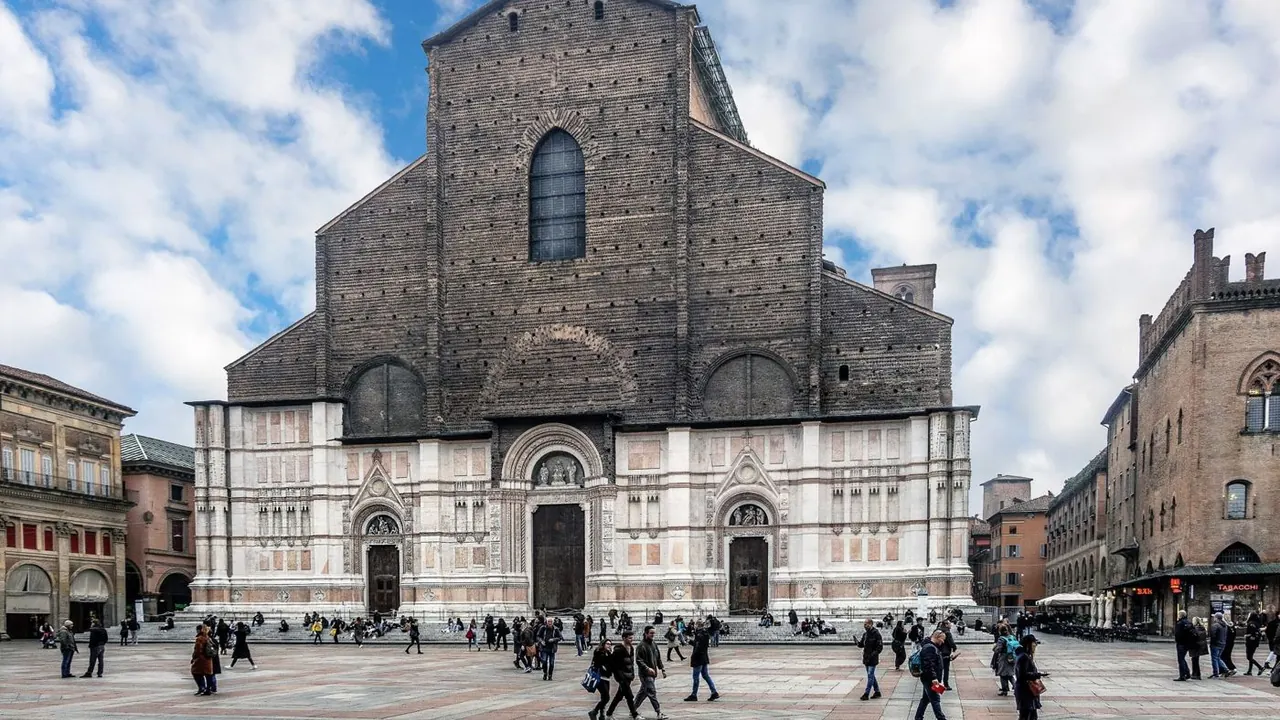
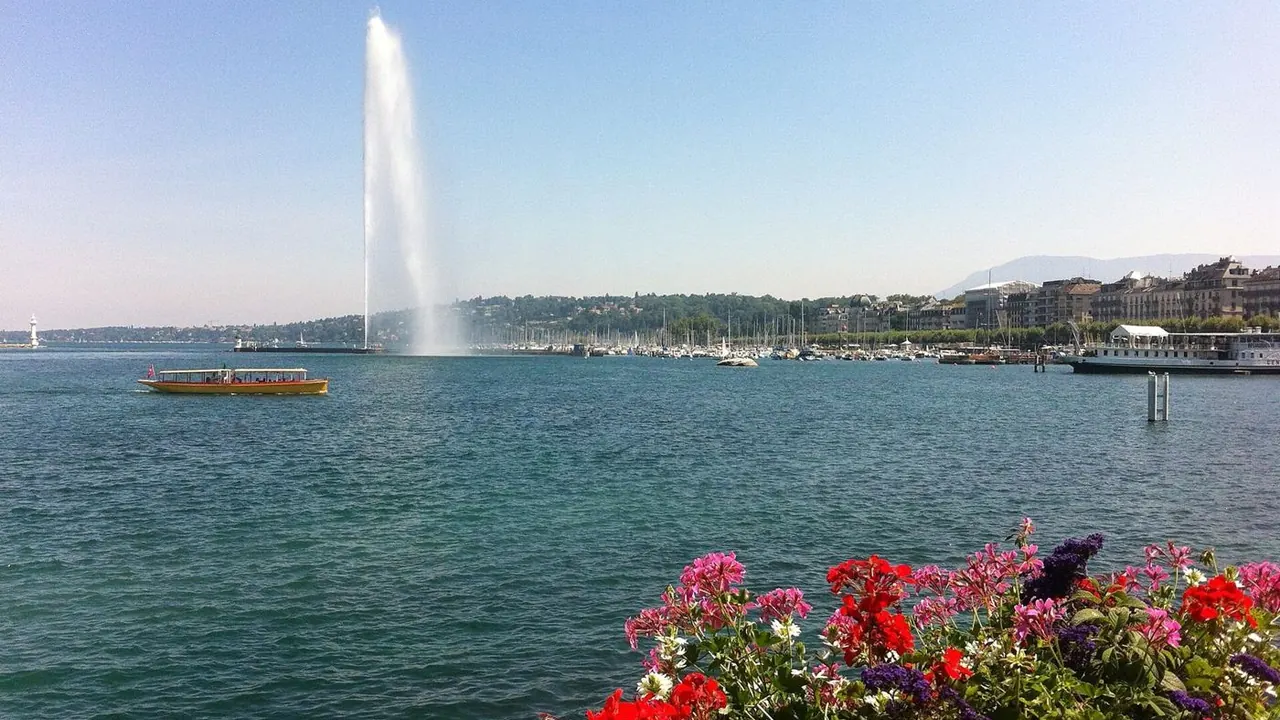
Photos: Bologna by Vanni Lazzari, CC BY-SA 4.0, cropped; Geneva by Diviosen, CC BY-SA 3.0, cropped.
Bologna or Geneva?
Our verdict in twelve categories, each scored against the same fixed benchmark cities, and the climate month by month, so you can choose for your trip.
Choose Bologna for
- prices
- food and drink
- nightlife
Bologna is the choice for travellers who plan their days around the table and want to see a lot of northern Italy without changing hotels. Its medieval brick centre and arcaded streets reward slow walking, the student quarter keeps the evenings lively, and Florence, Ravenna and Venice are all within a day's train ride. It also costs far less, so the money goes further on food, wine and extra nights.
Choose Geneva for
- nature and the outdoors
- beaches
- wellness
Geneva suits people who want lakes and mountains close at hand and are happy to pay for order and calm. You can swim from the city in summer, take a cable car up the Salève or reach Chamonix in about an hour, and the trams and boats make every outing easy. It is a quieter, more polished stay, better for fresh air and scenery than for eating out or late nights.
Scoreboard
Twelve categories on one fixed scale from 0 to 100. The shaded stretch is the gap between the two.
Your match
Pick a travel style or drag the sliders, and both match scores follow your weighting.
Wins on prices and food and drink with your weighting.
Wins on nature and the outdoors and beaches with your weighting.
What matters to you?
Category by category
What the scores mean for a trip.
Beaches & swimming
Neither city is a beach destination, but Geneva brings the water to you. In summer you can dive off the Bains des Pâquis jetty with the Jet d'Eau in view, or lie on the lawns at Genève-Plage, all within the city. The season is short and the shore is more lido than sand.
From Bologna, swimming means a train of about an hour to Rimini or Cervia, where the Adriatic is warmer and shallow but the shore is lined with rows of rented sunbeds. It works as a day out in a heatwave, not as part of daily life.
Food & drink
Food is one of the main reasons to choose Bologna. Tagliatelle al ragù, tortellini in brodo and mortadella are made with care in old osterie, the Quadrilatero lanes are a working food market, and Parmigiano and balsamic vinegar are made less than an hour away. Its one weakness is range, since almost everything is Emilian.
Geneva has the wider international choice and polished fine dining in Carouge and the Old Town, along with lake perch, fondue and local Chasselas. But it lacks casual, cheap eating, and a meal there is rarely the highlight of the day in the way it is in Bologna.
Culture & sights
Bologna's appeal is a whole medieval city in red brick, with UNESCO-listed porticoes, the Two Towers, the seven churches of Santo Stefano and the anatomical theatre of Europe's oldest university. Walking its streets is the sightseeing.
Geneva's sights tell a different story, of Calvin's Reformation and modern diplomacy: St Pierre Cathedral, the Reformation Wall, the Palais des Nations, the Red Cross Museum and CERN. They are interesting, but they are scattered and less atmospheric than Bologna's old centre. Each city needs two or three days.
Nightlife
Bologna goes out more. Its large student population crowds the bars around Piazza Verdi and keeps the small taverns of Via del Pratello busy until late, after an aperitivo start in the Quadrilatero. The tone is informal and cheap rather than stylish, and August is very quiet once the students have gone.
Geneva's nights are lower-key and costly. The Pâquis has late bars, Carouge has wine terraces and the alternative centres around Plainpalais hold a small electronic scene, but weeknights are quiet and summer drinking by the lake is often the best of it.
Nature & outdoors
Geneva is far better for the outdoors. Mont Blanc shows at the end of the lake on clear days, the Salève cable car leads to cliffs and paragliding, the Jura ridge gives forest hikes and cross-country skiing, and Chamonix's high Alps are about an hour away. The lake adds sailing and rowing.
Bologna has pleasant green hills on its doorstep, with the walk to San Luca, the gypsum caves of the Parco dei Gessi and the start of the Via degli Dei to Florence. The real mountains and modest skiing at Corno alle Scale are further off, and the plain to the north is flat.
Day trips
Both are excellent bases, but Bologna has the edge in quick, rich outings. Florence is barely half an hour by fast train, and Ravenna's mosaics, Ferrara, Modena and Parma are all short hops, with Verona and Venice also within reach. Few cities put so many major art towns this close.
Geneva's outings are more varied in landscape: lake steamers to Lausanne, the Lavaux vineyard terraces and Chillon at Montreux, a boat to medieval Yvoire, and Annecy across the French border. Gruyères and Bern fill longer days.
Good for families
Geneva is a little easier with children. Its Natural History Museum, with floor after floor of animal dioramas, can hold young children for hours, and the lakeside playgrounds, small animal enclosures and yellow harbour boats fill out the days. Trams take pushchairs easily.
Bologna's flat, car-free centre, shady porticoes and simple pasta and gelato make it pleasant, and climbing the Asinelli tower is an adventure for older children. Otherwise the sights are aimed at adults, the summer heat is hard on small children, and families often add Mirabilandia or Rimini. Neither city has a zoo or aquarium.
Getting around
Geneva's public transport is the smoother of the two. Punctual trams and buses, harbour boats on the same network and a train that reaches the airport in a few minutes make it simple to reach CERN, the international district or the French suburbs.
Bologna has no metro and relies on buses, but it hardly needs more, because almost everything is in a small, flat centre you cover on foot under the porticoes. Its great asset is the central station, linking to the rest of northern Italy.
Shopping & style
Geneva is a serious shopping city if your interest is watches and jewellery, with the major Swiss houses lined up along the Rue du Rhône. Old Town chocolatiers, Carouge's craft workshops and the Plainpalais flea market add a more modest side.
In Bologna, most people come home with food: mortadella, aged Parmigiano and fresh tortellini from the Quadrilatero. Via Farini and the Galleria Cavour have a small cluster of luxury fashion, and the university quarter has bookshops and vintage stores, but it is browsing rather than a reason to come.
Affordability
Bologna costs far less. Trattoria cooking, aperitivo with food and local wine by the glass are good value, the main sights are free churches and squares, and you can walk everywhere. Rooms are the main cost, especially during trade fairs.
Geneva is among the most expensive cities in the world to visit, with high prices for rooms, meals and even a glass of wine. Free museums, free local transport for hotel guests and cheap lake lidos help, and many visitors save by staying or eating in France.
Live music & performing arts
The two are evenly matched but differ in style. Bologna, a UNESCO City of Music, pairs the opera and ballet of the historic Teatro Comunale with basement jazz clubs most nights and student indie gigs, so it is the better place for casual live music.
Geneva is stronger on formal concerts: the Grand Théâtre's opera and ballet, the Orchestre de la Suisse Romande in the gilded Victoria Hall, and concerts and dance in the old pumping station on the Rhône. Both cities fill summer evenings with open-air music.
Wellness & relaxation
Geneva is the more restful stay. In winter the Bains des Pâquis becomes a sauna and hammam, with plunges into the cold lake, the lakefront hotels have serious spas, and the quiet lakeside promenades and very calm Sundays help you unwind. Évian is easy to reach.
Bologna has thermal water nearby, at Castel San Pietro Terme and in the green valley of Porretta Terme, but the city itself is noisier and the summer heat is heavy. Relaxation there mostly means a long lunch under the porticoes.
When should you go?
Pick your month. The climate figures are measured averages, not a forecast.
Bologna in July
Geneva in July
Daytime high, °C
Rainfall in the month, mm
Where the figures come from
Bologna has no rain gauge within 25 km of the centre, so its rainfall comes from a gridded climate dataset read at the city rather than from a gauge further away.
Bologna's sunshine is measured 82 km from the centre, at Cervia.
Temperature and rainfall are climate normals, averaged over the years shown. Bologna: 1991-2020 normals, Bologna / Borgo Panigale (5.5 km from centre). Geneva: 1991-2020 normals, Geneve-Cointrin (5.7 km from centre).
Bologna is at its best in May, June and September, when the days are warm and long without the full weight of high summer. July and August are hot and humid, with highs around 32°C that make midday walking hard work, though they are the sunniest months and summer as a whole is fairly dry, with July the driest month of the year. The rain arrives in autumn, at about 71mm a month from September to November, and winters are cold and grey.
Geneva is milder in summer, peaking at about 27°C in July, so June to September are comfortable for walking, and July and August are the warmest weeks for a swim in the lake. It is wetter than Bologna in every month, with rain spread fairly evenly through the year, and it gets less sun throughout. Its winters are darker and slightly colder, better spent on a day out in the mountains than walking the city streets.
Which traveller are you?
For a food and nightlife trip, Bologna is the clear pick. Hand-rolled pasta, the Quadrilatero delicatessens and the evening aperitivo come first, and then the students fill Piazza Verdi and Via del Pratello late, while Geneva's evenings are expensive and wind down early.
On an outdoors trip, Geneva has the better setting. The Salève and the Jura rise right at the edge of the city, the lake is there for sailing and paddleboarding, and the high Alps are an easy day, where Bologna offers gentle hills and flat farmland.
On a tight budget, Bologna is far easier. Trattoria meals, aperitivo with food included and free churches keep daily costs reasonable, whereas Geneva is among the costliest cities anywhere and many careful travellers end up sleeping or eating across the border in France.
Before you go
| Measure | Bologna | Geneva |
|---|---|---|
| Official language | Italian | French, German, Italian, Romansh |
| Currency | Euro (EUR) | Swiss Franc (CHF) |
| Sockets | CFL230 V, 50 Hz | CJ230 V, 50 Hz |
| Driving side | Right | Right |
| Time zone | UTC+1, UTC+2 in summer | UTC+1, UTC+2 in summer |
| Emergency number | 112 | 112 |
| Elevation | 54 m | 403 m |
| Main airport | Bologna Guglielmo Marconi Airport (BLQ)6 km from centre98 non-stop destinations | Geneva International Airport (GVA)5 km from centre150 non-stop destinations |
| Public holidays this year | 13 days | 9 days |
By the numbers
| Measure | Bologna | Geneva |
|---|---|---|
| City population | 387,971 | 211,152 |
| People per km² | 2,754 | 13,280 |
| Museums within 10 km | 68 | 34 |
| UNESCO World Heritage sites within 50 km | 3 | 2 |
Where else could you go?
Every comparison below shares a destination with this one, so you can follow Bologna or Geneva somewhere new.