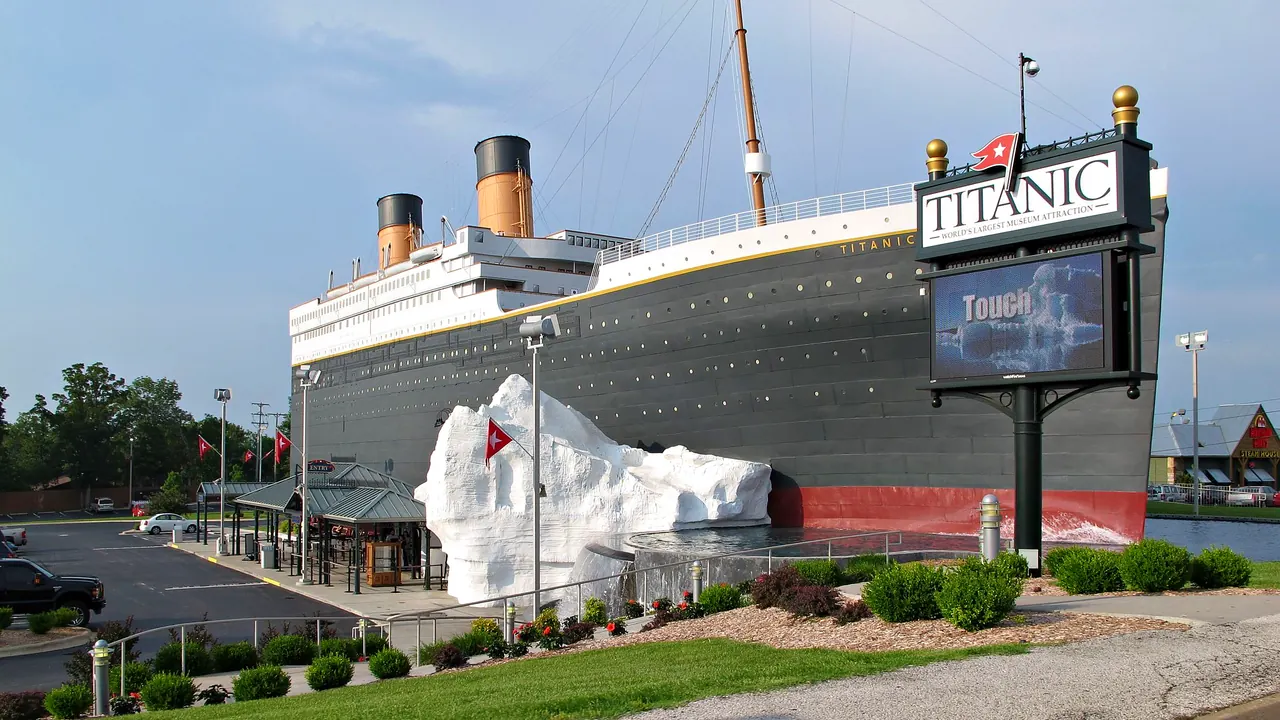
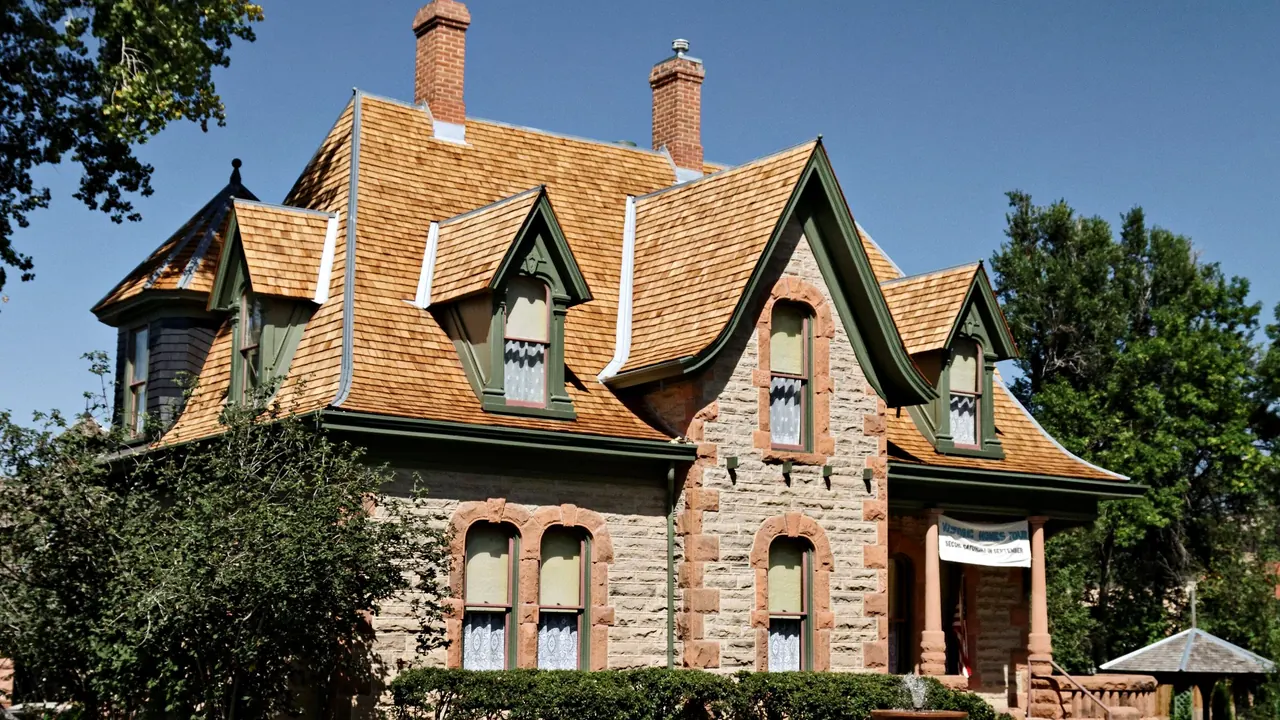
Photos: Branson by Brad A. Totman, Public domain; Fort Collins by Gribeco, CC BY-SA 3.0, cropped.
Branson or Fort Collins?
Our verdict in twelve categories, each scored against the same fixed benchmark cities, and the climate month by month, so you can choose for your trip.
Choose Branson for
- live music and the arts
- families
- beaches
Branson is built for families and for anyone who loves country, gospel and old-fashioned variety shows. A week here fills itself with a frontier theme park, water parks, a paddlewheel showboat, a show or two every day and warm summer swims in Table Rock Lake. You will drive everywhere, though, and the town goes quiet once the theatres empty.
Choose Fort Collins for
- getting around
- nightlife
- food and drink
Active adults and beer lovers will get more from Fort Collins. Foothills trails, the Poudre canyon and Rocky Mountain National Park put real mountain country within reach. Old Town is easy to get around on foot or by bike, and its taprooms and student bars keep the evenings going. What it lacks are big children's attractions and a packed calendar of shows.
Scoreboard
Twelve categories on one fixed scale from 0 to 100. The shaded stretch is the gap between the two.
Your match
Pick a travel style or drag the sliders, and both match scores follow your weighting.
Too close to call, 1 point apart
Wins on live music and the arts and families with your weighting.
Wins on getting around and nightlife with your weighting.
What matters to you?
Category by category
What the scores mean for a trip.
Beaches & swimming
Neither town has a coast, but Branson has the better freshwater swimming. Table Rock Lake winds through wooded hills, the water is clear, and you can swim from brought-in sand beaches or from a rented pontoon in a quiet cove from June into September.
Fort Collins has a single swim beach on Horsetooth Reservoir and a few lakes out on the plains. The water is only warm in high summer, so it makes a pleasant afternoon rather than a reason to go.
Food & drink
Fort Collins eats and especially drinks better. It is one of the country's best-known craft-beer towns, with brewery tours on the north side of Old Town and taprooms all over the city. Its farmers' markets sell Colorado produce such as Palisade peaches, and a handful of farm-to-table kitchens raise the standard.
In Branson, meals are mostly fuel between shows: fried chicken, catfish, all-you-can-eat buffets and set dinners in the dinner theatres. The tastes worth looking for are Ozark ones, such as skillet cooking, cinnamon bread and trout from the cold lake.
Culture & sights
Neither town is a heritage destination, and a day is enough for the sights in either. The difference is in what kind of sights they are. Branson offers living folk craft, with blacksmiths and glassblowers at work in the 1880s-themed park, alongside novelty attractions such as wax museums and the museum shaped like an ocean liner's bow.
Fort Collins has a historic townscape instead. You can wander Old Town's red-brick and sandstone streets, tour the Avery House, a Victorian founder's home, and look round the small campus galleries.
Nightlife
Fort Collins has the only real night out of the two. University students keep Old Town's pubs, sports bars, rooftop patios and taprooms busy at weekends, though the scene is casual and serious clubbing means a trip to Denver.
Branson's evenings revolve around the theatre seat. Once the shows end, families and older couples go back to their rooms, and only a few brewpubs and hotel lounges stay open.
Nature & outdoors
Fort Collins has the bigger landscape. Trails up to rocky summits start a short drive west, the protected Cache la Poudre River offers rafting and fly fishing, and Rocky Mountain National Park adds elk, alpine lakes and walking above the treeline.
Branson's Ozark country is lower and gentler, and most of it centres on water. You can go bass fishing and paddling among the wooded hollows of Table Rock Lake, fish for trout below the dam, explore the caves, or walk the glades of Hercules Glades Wilderness. The Buffalo River's bluffs are about two hours away.
Day trips
Fort Collins has the somewhat stronger list. Boulder sits beneath the Flatirons, Denver has big museums, Estes Park leads into the national park, and Cheyenne offers frontier history just over the Wyoming line.
Branson's best outings are the steep Victorian streets of Eureka Springs and the Crystal Bridges art museum in Bentonville, with the Wilson's Creek battlefield nearer to hand. Both towns need a car for every trip.
Good for families
Branson is designed around families. The frontier theme park, water parks, an aquarium, zip lines, cave tours and the showboat on Table Rock Lake are all near one another, and most shows are wholesome by design. The drawbacks are summer heat and the traffic on the strip.
Fort Collins suits a quieter family stay. It has playgrounds in every neighbourhood, flat river cycle paths, a city farm where small children can meet animals, and the Museum of Discovery with its dome theatre. For a zoo or a ride, though, you have to drive to Denver.
Getting around
Fort Collins is much easier without a car. Old Town is compact and flat, a rapid-bus line runs north to south, and protected lanes, bike-share and off-street trails make cycling the natural way between campus, breweries and parks. You still need to drive to reach the foothills.
Branson is spread along Highway 76 over several hilly kilometres. Pavements are patchy, the strip crawls on show nights, and only the lakefront district and the small old downtown can sensibly be walked.
Shopping & style
Shopping is modest in both places, and neither has any luxury retail, but the two offer different things. Branson is about outlet malls, the chain stores at Branson Landing, and Ozark crafts such as hand-blown glass, quilts and ironwork, often made in front of you.
Fort Collins keeps its shopping in a few walkable Old Town blocks. You will find independent boutiques, bookshops, vintage clothing, and outdoor and cycling shops that suit the town's outdoor style.
Affordability
Branson usually works out a little cheaper. It has plenty of motels, condos and lake cabins, and buffets keep meals modest. The extra costs are a hire car and the shows, parks and boat hire that make up the trip.
Fort Collins hotel rooms are mostly chains, and they get noticeably dearer on graduation and football weekends. Sit-down meals add up there too. Its best days cost nothing, though, from foothills trails to the river paths.
Live music & performing arts
Branson exists for live shows. Dozens of theatres put on country, gospel, variety, tribute and magic acts from morning to night, and there are large biblical productions with live animals. The range is narrow, but there is a lot of it and it is polished.
Fort Collins offers less but covers more styles. Touring Broadway, dance and the symphony come to the Lincoln Center, and the university stages opera and theatre. Indie and bluegrass bands play the small Old Town venues, and free concerts fill summer evenings.
Wellness & relaxation
Neither town has a bathing tradition, so in both places rest depends more on the setting than on any spa. Branson keeps its calm in pockets. The big lodge resorts on Table Rock Lake have proper spas and grounds running down to the water, and a rented cabin above a wooded cove is as still as the Ozarks get. Stay on the strip instead, among the neon and show-night traffic, and you will struggle to find that quiet anywhere.
Fort Collins works the other way round. It has no lakeside resorts to match Branson's lodges, only the ordinary day spas and yoga studios of a university town, but the whole place moves at an easy pace, with trees along the river trails and dry, bright weather for slow days outdoors. For a hot mineral soak, though, you face nearly two hours' drive to Idaho Springs.
When should you go?
Pick your month. The climate figures are measured averages, not a forecast.
Branson in July
Fort Collins in July
Daytime high, °C
Rainfall in the month, mm
Where the figures come from
Branson's station stands 174 m above the city centre, so the centre is likely a little warmer than the figures say.
Branson has no rain gauge within 25 km of the centre, so its rainfall comes from a gridded climate dataset read at the destination rather than from a gauge further away.
Branson's sunshine is measured 69 km from the centre, at Springfield-Branson National.
Fort Collins has no rain gauge within 25 km of the centre, so its rainfall comes from a gridded climate dataset read at the destination rather than from a gauge further away.
Temperature and rainfall are climate normals, averaged over the years shown. Branson: 2014-2025 (sunshine 1991-2020, rainfall 1991-2020) normals, Branson West (14.8 km from centre). Fort Collins: 2006-2020 (rainfall 1991-2020) normals, Fort Collins / Redmond (16.1 km from centre).
Both towns reach about 32°C in July and turn cold in winter, but they feel very different. Branson is humid and wet for most of the year, with around 100mm of rain a month from March to November. Its summers are long and sunny, and Table Rock Lake is warm enough to swim from June to early September. In July and August the heat makes walking hard work in the middle of the day. April, May and October are the most comfortable months for being outdoors, when the hills are in blossom or turning colour.
Fort Collins is far drier. Its wettest month is May, with about 60mm, and summer heat is easier to bear in the dry air. Winter is colder than in Branson, with December highs around 4°C. For hiking and cycling, the best time is late May to September, with September usually the most settled. Branson's winter, by contrast, stays mild enough for strolling around town.
Which traveller are you?
On a family trip with children, Branson is the clear choice. A frontier theme park, water parks, an aquarium, a showboat and dinner shows with horses are all close together, and hotels and restaurants expect young guests. Fort Collins offers gentle parks and a science museum, but its bigger attractions are in Denver.
For an outdoors trip, Fort Collins goes further. Foothills open spaces start at the edge of town, the Poudre canyon offers rafting and fly fishing, and Rocky Mountain National Park's alpine trails are about an hour and a half away. Branson's Ozark lakes and woods are lower and gentler.
On a food and nightlife trip, Fort Collins wins easily. It has long-established breweries, a dense spread of taprooms and an Old Town of student pubs and rooftop patios. Branson's dinner-theatre buffets and early nights give an evening out very little to work with.
Before you go
| Measure | Branson | Fort Collins |
|---|---|---|
| Currency | US Dollar (USD) | US Dollar (USD) |
| Sockets | AB120 V, 60 Hz | AB120 V, 60 Hz |
| Driving side | Right | Right |
| Time zone | UTC-6, UTC-5 in summer | UTC-7, UTC-6 in summer |
| Emergency number | 911 | 911 |
| Elevation | 237 m | 1,525 m |
| Main airport | Springfield Branson National Airport (SGF)69 km from centre14 non-stop destinations | Denver International Airport (DEN)88 km from centre231 non-stop destinations |
| Public holidays this year | 14 days | 12 days |
By the numbers
| Measure | Branson | Fort Collins |
|---|---|---|
| Population | 12,638 | 169,810 |
| People per km² | 234 | 1,181 |
| Museums within 10 km | 2 | 2 |
| UNESCO World Heritage sites within 50 km | 0 | 0 |
Where else could you go?
Every comparison below shares a destination with this one, so you can follow Branson or Fort Collins somewhere new.
- Estes Parkvs Fort Collins
- Bouldervs Fort Collins
- Denvervs Fort Collins
- Winter Park, Coloradovs Fort Collins
- Keystonevs Fort Collins
- Breckenridgevs Fort Collins