Brazil
Amazon
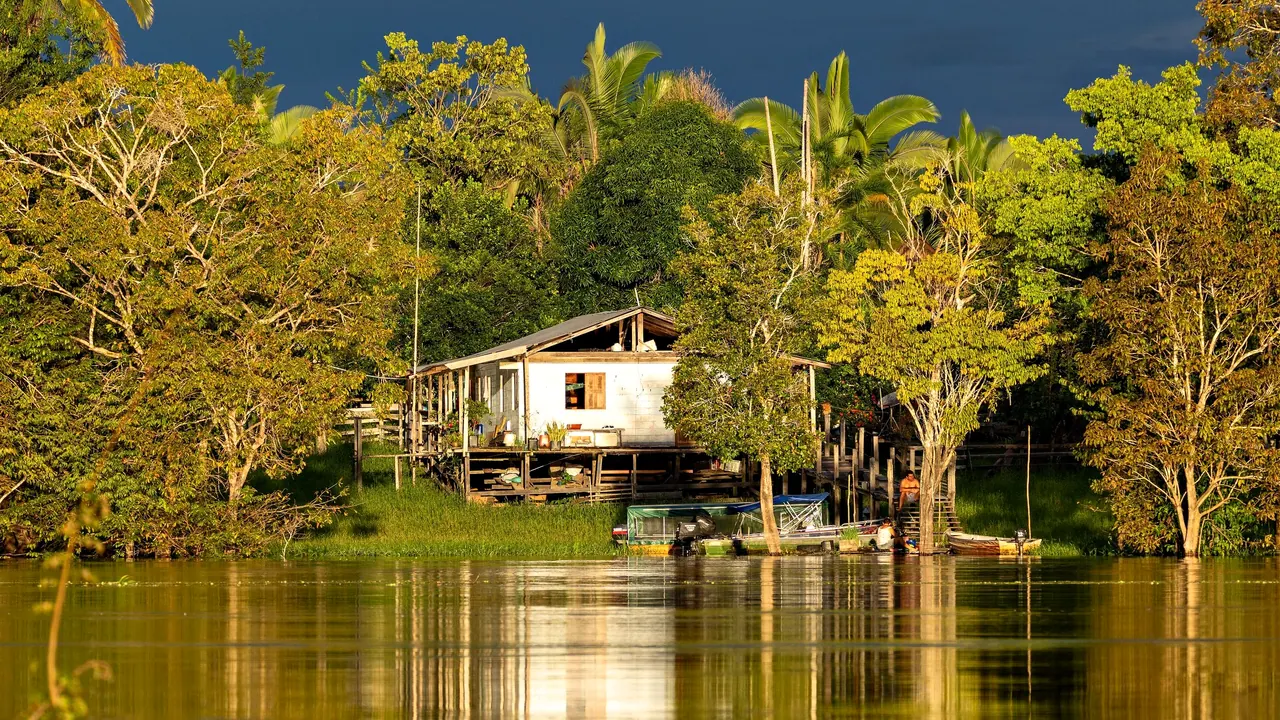
A stilt house beside the flooded rainforest
- Nature & outdoors95
- Food & drink68
- Beaches55
Match
45
Every category weighted equally
- Beach & sun48
- Culture & arts42
- Food & nightlife43
- Family trip45
- Outdoors51
- Relax & unwind48
- Shopping & style42
- On a budget45
Amazon in twelve categories
Our verdict on each, scored 0 to 100 against the same fixed benchmark cities, so a score means the same thing on every page.
Beaches & swimming. Scores 55 out of 100.
Food & drink. Scores 68 out of 100.
Culture & sights. Scores 52 out of 100.
Nightlife. Scores 40 out of 100.
Nature & outdoors. Scores 95 out of 100.
Day trips. Scores 28 out of 100.
Good for families. Scores 30 out of 100.
Getting around. Scores 15 out of 100.
Shopping & style. Scores 33 out of 100.
Affordability. Scores 50 out of 100.
Live music & performing arts. Scores 38 out of 100.
Wellness & relaxation. Scores 33 out of 100.
Amazon category by category
Beaches & swimming
55The Amazon's beaches are river beaches, and in the dry season they are surprisingly good. The finest are around Alter do Chão, near Santarém on the Tapajós, where falling water exposes long white sandbanks and a sandy island across a clear, blue-green lagoon. Near Manaus, the dark, warm water of the Rio Negro laps Ponta Negra and wilder strands such as Praia do Tupé, reached by boat, and Belém has the river beaches of Mosqueiro island.
The water is warm all year, often near 29°C, but the beaches come and go with the river. They are at their widest from roughly August to December and largely submerged in the high-water months from March to June. There is no sea surf and no saltwater, and for most visitors a beach day is a pleasant break between jungle excursions rather than the point of the trip. Alter do Chão is the exception, a place where a visitor can build several lazy days around the sand.
Food & drink
68This is one of the most distinctive regional cuisines in Brazil, built on cassava, river fish and fruit that hardly exist anywhere else. Belém is where it is cooked best. Its Ver-o-Peso market sells herbs, tucupi, cassava flours and piles of açaí, and the city's dishes are worth seeking out: pato no tucupi, duck in a sharp yellow cassava broth; maniçoba, cassava leaves cooked for days; and tacacá, a hot, mouth-numbing soup with jambu leaves sold from street stalls in the late afternoon.
Manaus is the place for river fish such as tambaqui grilled on the rib and pirarucu, along with breakfast sandwiches of tucumã palm fruit and cheese. Across the region, juices and ice creams of cupuaçu, bacuri, taperebá and buriti are a daily pleasure. Açaí is eaten unsweetened as a savoury staple with fish. The range is narrow outside these two cities, and fine dining is limited mostly to a few chefs in Belém and Manaus who cook with Amazonian ingredients. In the lodges and river towns, meals are simple.
Culture & sights
52The region's heritage is mostly the legacy of the rubber boom, concentrated in its two big river cities. In Manaus, the domed Teatro Amazonas is the landmark everyone comes to see, with the iron-framed Adolpho Lisboa market, the Palácio Rio Negro and the old port around it. The city also has museums of Indigenous culture and a forest museum with a canopy tower on its edge.
Belém is older and richer in historic fabric. It has the Forte do Presépio and the cathedral in the colonial Cidade Velha, the Theatro da Paz, the art nouveau ironwork of the Ver-o-Peso market, and the Emílio Goeldi museum and park, with its long tradition of Amazonian science. Smaller towns add little beyond riverfront churches and markets. These are characterful sights, but they are few, and they lie a flight apart. Living Indigenous and riverside cultures are part of many forest trips, but most visitors come for the forest, not the monuments.
Nightlife
40Going out happens in the cities, and it has a strong local flavour. Belém is the liveliest. Its riverside warehouses and bar streets fill on warm evenings, and at weekends its huge aparelhagem parties draw crowds to tecnobrega played from sound systems built like spaceships, a night out found nowhere else. Manaus has open-air bars along the Ponta Negra waterfront and forró and sertanejo dance halls. Alter do Chão has a small, easy-going bar scene on its square in the dry season.
Outside these places, nights are quiet. In the jungle lodges, the evening means a caiman-spotting trip by canoe and an early bed before a dawn start. There is little club culture of international reputation, and nobody chooses the Amazon to go out.
Nature & outdoors
95This is the world's great rainforest, and the reason almost everyone comes. From Manaus, boats run to the Meeting of the Waters, where the black Rio Negro and the sandy Solimões flow side by side for kilometres without mixing. Upriver, the Anavilhanas archipelago is a maze of hundreds of forested islands. Jungle lodges along the rivers offer canoe trips through flooded forest, night walks, piranha fishing, canopy towers and dawn birdwatching, with pink river dolphins, monkeys, sloths, macaws and caimans to look for.
For wilder forest, the floodplain reserve of Mamirauá near Tefé is one of the best places in the region for primates and birds. The Tapajós around Alter do Chão has easier walking forest and national forest reserves. The landscape changes completely with the seasons. From around March to June, high water lets canoes glide among the treetops, while the dry months open trails and sandbanks. Heat, humidity and insects are constant, and the animals are often heard more than seen, but the scale and life of the forest are unmatched.
Day trips
28Distances in the Amazon are measured in hours of river, and towns worth a separate day out are few. From Belém, short boat rides cross to Combu island for riverside houses and cocoa growers. The river beaches and old summer villas of Mosqueiro are about an hour or so away, and the pottery village of Icoaraci keeps alive designs inherited from the ancient Marajoara culture. Marajó island, with its buffalo ranches and the town of Soure, is better as an overnight trip than a day out.
From Santarém, Alter do Chão is close, and Belterra preserves the wooden houses of a rubber plantation town built by Henry Ford in the 1930s. From Manaus, Novo Airão is a small river town several hours' drive away. Almost every other outing in the region is into the forest itself, rather than to another place to visit.
Good for families
30For older children who are keen on animals, a few nights in a jungle lodge can be unforgettable: canoeing among flooded trees, spotting dolphins and sloths, fishing for piranha, sleeping to the noise of the forest. Belém's Mangal das Garças park, with its herons and butterfly house, and the woodland parks with animals in Manaus give easier city outings.
It is hard work with small children, though. Yellow fever vaccination is advised and malaria is a risk in some areas. The heat and humidity are heavy, and mosquitoes are constant away from the blackwater rivers. Transfers by boat are long, and many lodges are simple, with steps, walkways and little made for young children. Families do best on the Rio Negro near Manaus, which has fewer mosquitoes, or on the beaches of Alter do Chão in the dry season.
Getting around
15Moving around the Amazon is slow and takes planning. Very few roads connect its cities. Manaus, Belém and Santarém are linked by domestic flights or by public riverboats that take days, with passengers sleeping in hammocks on deck, an experience in itself but not a quick way to travel. Within the cities there is no metro. Buses are crowded and confusing for visitors, so most people use taxis or ride-hailing, and the heat makes walking beyond the old centres tiring.
Reaching the forest almost always means a lodge or tour transfer by road and boat. These are well organised but take hours, and the timing follows the boats. Most visitors pick a single base, usually Manaus, and let a lodge handle the rest.
Shopping & style
33Shopping here means markets and crafts. Belém's Ver-o-Peso is the highlight, a riverside sprawl of stalls selling herbal remedies, scented oils, chocolate, cassava flours and dried fish. Nearby Icoaraci makes pottery in the old Marajoara style. In Manaus, the iron market hall and the craft shops around the theatre sell seed jewellery, basketry, wood carving and Indigenous handicrafts. Throughout the region, cupuaçu chocolate, jambu cachaça and guaraná make good things to take home.
Beyond these, the cities offer ordinary Brazilian malls and nothing in the way of fashion, design or luxury streets.
Affordability
50The cities themselves are inexpensive. Hotels in Manaus and Belém, market meals, açaí and fish are cheap by international standards, and local transport costs little. The forest is what pushes the bill up. Jungle lodges are usually sold as all-inclusive packages with guides and boat transfers, and the good ones are priced like comfortable hotels in Europe. Domestic flights between the main cities add a large cost.
Travelling by public riverboat and staying in simpler lodges or Alter do Chão guesthouses keeps a trip modest. A comfortable, well-guided rainforest stay is a mid-priced vacation, not a budget one.
Live music & performing arts
38Most of the region's stage life happens in Manaus, at the domed Teatro Amazonas. The state keeps a philharmonic orchestra, a dance company, a choir and a jazz big band resident there, so concerts and performances run through much of the year, many of them modest in scale. The highlight is the opera festival, usually held in April and May, when an opera house built on rubber money stages full productions in the middle of the rainforest. Belém's Theatro da Paz has a smaller programme of concerts, dance and theatre, and in Pará carimbó, a circling dance to drums and banjo, is a living folk tradition found at festivals and cultural spaces in Belém and nearby towns.
The great spectacle is the Boi-Bumbá festival on the island of Parintins at the end of June. Two rival groups stage night-long folk operas there, with giant puppets and thousands of dancers, in a purpose-built arena. Reaching it means a flight or a long boat trip. Apart from these occasions the offer is thin. A visitor can usually find a concert in Manaus, but there is no theatre district, little live music beyond local bars, and nothing in the forest itself.
Wellness & relaxation
33There is no spa or bathing tradition here, and treatments are limited to a few hotel and lodge spas in and near Manaus. What the region does offer is distance from everything. A lodge on the Rio Negro or the Tapajós has no traffic and often little signal. Days follow the sun, with hammocks on verandas and long, quiet stretches on the water. Slow riverboat travel has the same effect. The heat, humidity and early starts for wildlife make this more an unplugged retreat than a pampering one, and the cities are noisy and hot.
Where to stay in Amazon
Most first visits centre on Manaus. A night or two in the city covers the Teatro Amazonas, the iron market hall and an evening on the Ponta Negra waterfront, but the heart of the stay is a few nights at a jungle lodge on the Rio Negro, reached by road and boat. The dark water there has fewer mosquitoes, which makes it the best choice for families and for anyone who wants wildlife without much planning, since the lodge handles guides and transfers.
Alter do Chão, near Santarém on the Tapajós, suits a slower stay in simple guesthouses. From roughly August to December its white sandbanks make for lazy beach days, and there are easy forest walks and a relaxed bar scene on the square in the evening. Belém is the base for food, history and nights out, with the Ver-o-Peso market, the colonial Cidade Velha and short boat rides to Combu and Mosqueiro, though it has little rainforest close by.
These bases are a flight or several days by riverboat apart, so most trips keep to one, or two at most. Manaus makes the natural first visit. Belém or Alter do Chão make a good second, and keen wildlife watchers looking for wilder forest can head to the floodplain reserve of Mamirauá near Tefé.
When should you go?
Pick a month to see what it is like. The climate figures are measured averages, not a forecast.
Amazon in July
Daytime high, °C
Rainfall in the month, mm
The whole year
Shaded against this destination’s own year: the deepest cell is its best month for that figure and the palest its weakest.
Temperature and rainfall are climate normals, averaged over the years shown. Amazon: 1991-2020 normals, Manaus (3.3 km from centre).
Before you go
| Measure | Amazon |
|---|---|
| Official language | Portuguese |
| Currency | Brazilian Real (BRL) |
| Sockets | CN60 Hz |
| Driving side | Right |
| Time zone | UTC-4 |
| Emergency number | Police 190, ambulance 192, fire 193 |
| Main airport | Eduardo Gomes International Airport (MAO)21 non-stop destinations |
| Public holidays this year | 14 days |
By the numbers
| Measure | Amazon |
|---|---|
| Population | 34,000,000 |
Compare Amazon with
Every comparison with a written verdict behind it.