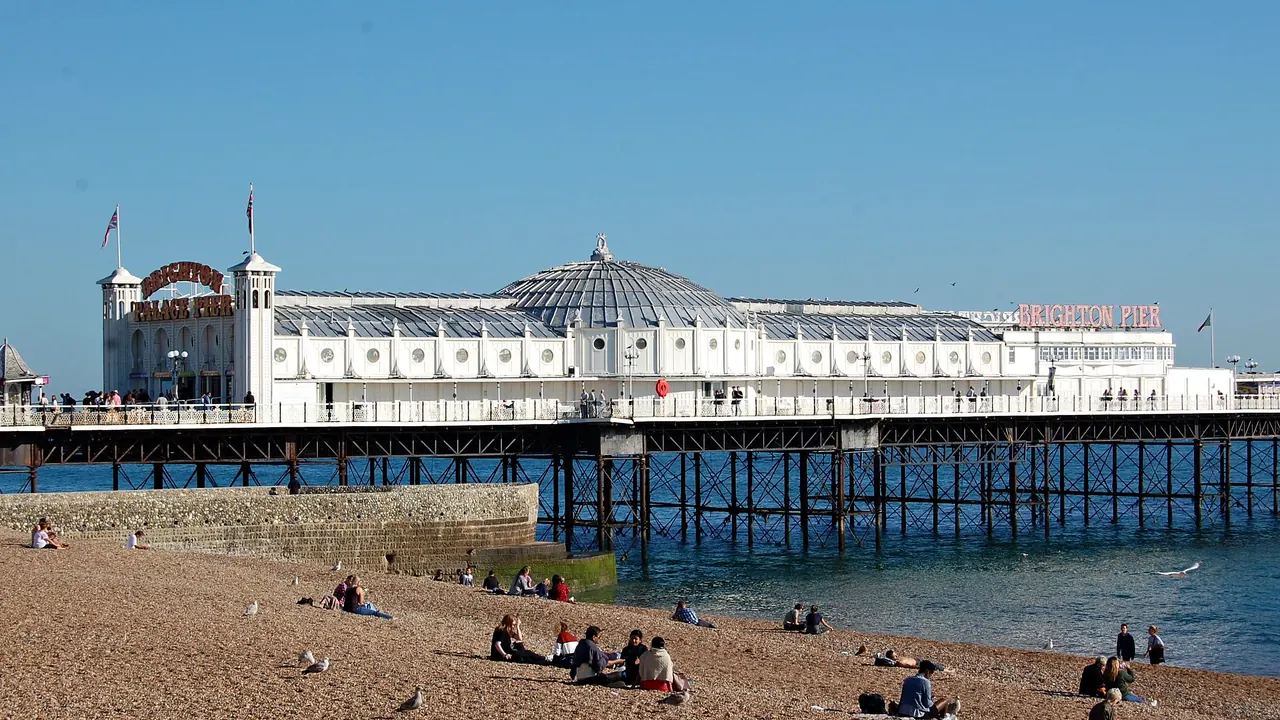
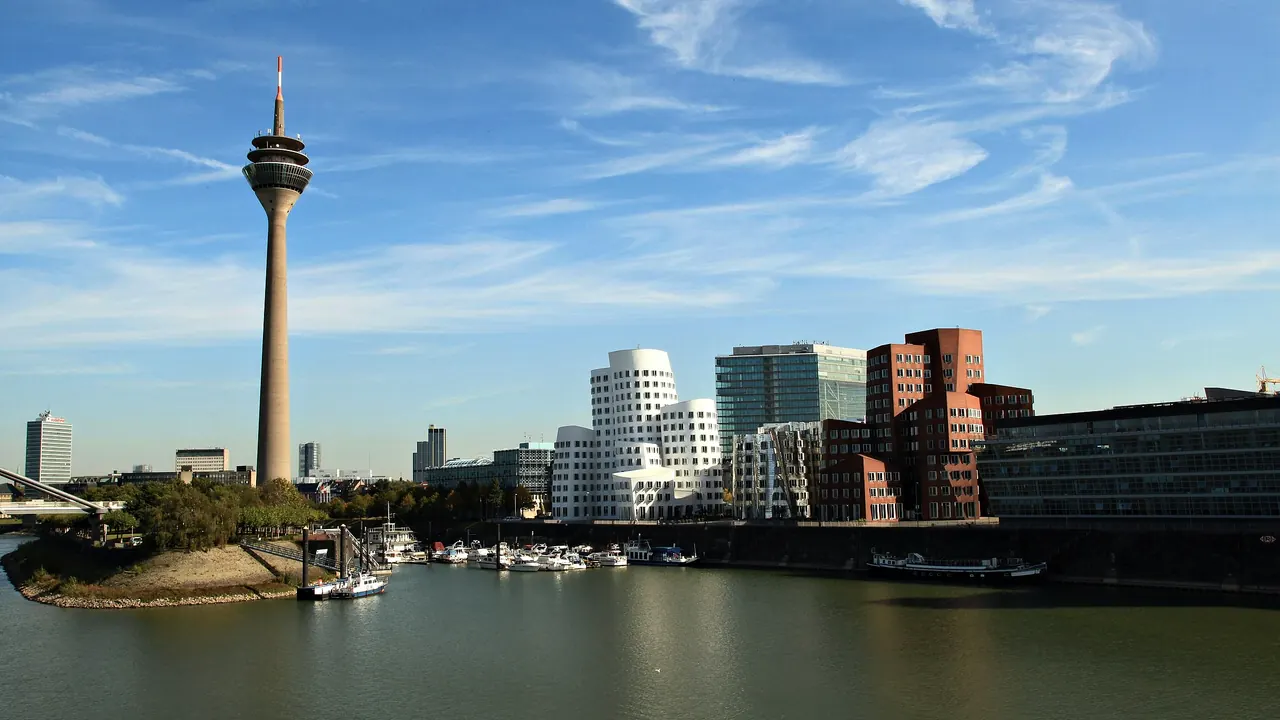
Photos: Brighton by Hassocks5489, CC0; Dusseldorf by Frank Vincentz, CC BY-SA 3.0, cropped.
Brighton or Dusseldorf?
Our verdict in twelve categories, each scored against the same fixed benchmark cities, and the climate month by month, so you can choose for your trip.
Choose Brighton for
- beaches
- nature and the outdoors
- nightlife
Brighton suits travellers who want the sea and the hills in one short trip. It has a shingle seafront to walk along, the South Downs at the edge of town and the Seven Sisters cliffs a short ride east. Its nights out are late and informal, in pubs, small music rooms and one of Britain's oldest LGBTQ+ scenes. It rewards wandering, browsing the North Laine and getting outdoors, as long as you accept cold water and a fairly expensive room.
Choose Dusseldorf for
- wellness
- shopping
- food and drink
For a city trip built around art, shopping and good food, Düsseldorf is the better pick. Its modern art collections go well beyond anything Brighton has. The Königsallee offers the luxury fashion and department stores Brighton lacks, and the Altbier halls and the Japanese quarter give it two very different ways to eat. It also has a proper sauna culture, a slightly gentler bill and warmer summers, so it suits travellers who want comfort and city life more than coast.
Scoreboard
Twelve categories on one fixed scale from 0 to 100. The shaded stretch is the gap between the two.
Your match
Pick a travel style or drag the sliders, and both match scores follow your weighting.
Too close to call, level with your weighting
Wins on beaches and nature and the outdoors with your weighting.
Wins on wellness and shopping with your weighting.
What matters to you?
Category by category
What the scores mean for a trip.
Beaches & swimming
Brighton at least has a seafront. Steep shingle runs all the way from the Marina to Hove, lifeguards cover the central stretches in season, and in late summer the Channel is warm enough for a swim, if a bracing one. It is a beach for sitting in the sea air more than for long swims.
Düsseldorf has no beach to speak of. The Rhine's sandy banks look tempting but the river is dangerous to swim in, so a dip means the lake at Unterbacher See or an outdoor pool. The North Sea is too far away for a casual outing.
Food & drink
Düsseldorf has the more distinctive food. The Altstadt brewhouses serve Altbier with hearty Rhineland dishes and the city's sharp brown mustard. The streets around Immermannstrasse hold some of the best Japanese food in Europe, from ramen counters to izakaya and bakeries.
Brighton has no cuisine of its own. It makes up for that with small independent kitchens, a long reputation for vegetarian and vegan cooking and serious coffee in the North Laine. Its local touches are seafront fish and chips, oysters from the arches and Sussex sparkling wine.
Culture & sights
Düsseldorf is the stronger choice for art. K20 with its Paul Klee works, K21 with the net slung under its dome, and the Kunstpalast fill several days of museum visits. Benrath Palace adds a rococo showpiece, even though the bombed Altstadt is mostly rebuilt.
Brighton's culture rests on one extraordinary building, the Royal Pavilion, and on the Regency crescents of Kemptown and Hove. Beyond those you get a day or two of wandering the Lanes and the piers, with no major collection to compare with Düsseldorf's.
Nightlife
Brighton's nights spread across the town and lean more towards dancing. West Street and the clubs in the seafront arches cover the late end, Kemptown's LGBTQ+ bars give the city a scene of its own, and two universities keep the pubs busy even midweek. Hove and the streets around the Level are the quieter options.
Düsseldorf packs its going-out into the Altstadt, where a few hundred brewhouses and bars share a handful of streets and crowds drink Altbier standing outside. It feels more like a street party than a club night. The city has fewer clubs than Brighton and less variety among them, so the calmer alternatives are cocktail bars in Carlstadt and the Medienhafen. Carnival, when the whole city goes out in costume for days, has nothing like it in Sussex.
Nature & outdoors
Brighton has far better countryside on its doorstep. The South Downs National Park starts at the edge of town, Devil's Dyke and the South Downs Way are a bus ride away, and the Seven Sisters cliffs are the most dramatic coastline in southern England. The sea adds windsurfing and sailing.
Düsseldorf's outdoors is pleasant but flat. It has grassy Rhine meadows with long cycle paths, Grafenberg forest and the Neandertal valley, with the hills of the Bergisches Land further out. That is enough for an afternoon, but not a reason to come.
Day trips
Both are excellent bases, in different ways. From Brighton the big draw is London, about an hour away by train. Sussex adds a string of small towns, castles and cathedrals at Lewes, Arundel, Chichester and Rye.
Düsseldorf has more cities close together. Cologne's cathedral is under half an hour away, followed by Bonn, the Brühl palaces, the industrial heritage of the Ruhr, Aachen and Maastricht across the Dutch border. Trains reach almost all of them, whereas some of the Sussex country houses need a car.
Good for families
Brighton gives children the traditional English seaside. There are rides and arcades on the Palace Pier, the Victorian aquarium, and Volk's Electric Railway, which has run along the beach since 1883, with paddling at Hove Lagoon. The shingle and cold water mean more stone-throwing than sandcastles, and the climb back up to the station is hard work with a pushchair.
Düsseldorf is the more orderly city, and trams take buggies without fuss. The Aquazoo Löbbecke Museum, the tilted windows of the Rheinturm and the free game park in Grafenberg forest fill the days, and Phantasialand and Movie Park Germany are within about an hour for a bigger outing. Its Carnival parades, with sweets thrown into the crowd, are a treat Brighton cannot match. In both cities, keep children away from the centre late on weekend nights.
Getting around
Both centres are easy to walk, but Düsseldorf's is flat, while Brighton's climbs steeply back up to the station and into Kemptown. Brighton relies on a dense bus network and direct trains to London and along the coast.
Düsseldorf adds trams, an underground light rail and a regional network that runs on to Cologne and the Ruhr, though the fare zones take some getting used to. In neither city is a car worth the trouble of parking.
Shopping & style
Düsseldorf is the place for serious shopping. Luxury flagships and jewellers line the canal on the Königsallee, and the department stores and the Kö-Bogen cover the mainstream. Flingern and the Japanese quarter add design shops and stationery.
Brighton offers something different: vintage clothes, records and retro furniture in the North Laine, and antiques and jewellery in the Lanes. It is great for a browse, but anyone after big-name fashion will leave empty-handed.
Affordability
Neither city is cheap, but Düsseldorf is usually a little easier on the budget. Its rooms are pricey for a city of its size, and trade fairs push them much higher, but brewhouse meals and Japanese noodle bars keep eating out affordable.
Brighton's rooms cost more, especially on summer weekends, and a night out on the seafront adds up. On the plus side, the beach, piers, Lanes and Downs are free. If you plan several day trips, train fares are the cost to watch.
Live music & performing arts
Brighton's stage life comes in festivals, comedy and gigs, while Düsseldorf's rests on grand classical houses that play all season. Brighton peaks in May, when the Brighton Festival and the Fringe, England's largest, fill theatres, churches and pubs for weeks. The rest of the year it has the Dome, the Theatre Royal, a strong comedy circuit and small music rooms above pubs, and each summer Glyndebourne stages opera in the Downs nearby.
Düsseldorf has the Deutsche Oper am Rhein for opera and ballet, the symphony orchestra in the domed Tonhalle on the river, and the Schauspielhaus, though its plays are mainly for German speakers. In music history it is known for electronic music, as Kraftwerk's home city, and a summer jazz festival puts stages across the Altstadt.
Wellness & relaxation
Düsseldorf does relaxation better thanks to the German sauna habit. Public baths have sauna areas that locals use as a matter of routine, mostly without swimwear. Large thermal complexes are within an hour, with Aachen's hot springs a little further. The Hofgarten and the Japanese garden in Nordpark suit slow days.
Brighton has only a handful of day spas. Its own rituals are dawn swims in the Channel followed by the seafront saunas, and quiet out-of-season walks past Hove's beach huts in midweek.
When should you go?
Pick your month. The climate figures are measured averages, not a forecast.
Brighton in July
Dusseldorf in July
Daytime high, °C
Rainfall in the month, mm
Where the figures come from
Brighton has no rain gauge within 25 km of the centre, so its rainfall comes from a gridded climate dataset read at the city rather than from a gauge further away.
Brighton's sunshine is measured 37 km from the centre, at London Gatwick Airport.
Temperature and rainfall are climate normals, averaged over the years shown. Brighton: 1999-2020 (sunshine 1981-2010, rainfall 1991-2020) normals, Shoreham Airport (10.3 km from centre). Dusseldorf: 1991-2020 normals, Düsseldorf (8.3 km from centre).
Neither city is a hot-weather destination, and summer is the best time in both. Brighton peaks at around 20°C in July and August. The Channel is at its least bracing in August and September at about 17°C, so a swim is only realistic in late summer. Spring is drier than many people expect, but from October the rain builds to about 105mm a month by December, and grey, windy winter days call for coats and brisk walks.
Düsseldorf has the warmer summer, reaching about 25°C in July, which is pleasant for the Rhine meadows and long evenings outdoors. Summer is also its wettest time, with rain peaking around 77mm in August. Because its rain is spread fairly evenly through the year, autumn is less of a washout than on the Sussex coast. Winters are a little colder, though, and both cities have short, dull days from November to January. In either city, May, June and September are good months for walking the streets.
Which traveller are you?
For an outdoors trip, Brighton wins clearly. The South Downs start at the city's edge for walking and mountain biking, the Seven Sisters cliffs are close by, and the seafront suits windsurfing and sailing. Düsseldorf offers mostly flat riverside cycling.
On a shopping trip, Düsseldorf is the stronger choice. The Königsallee has luxury flagships, jewellers and upmarket arcades, with big department stores nearby. Brighton's North Laine and Lanes are fun for vintage clothes and antiques, but it has no luxury street at all.
For a relaxing and wellness trip, Düsseldorf suits better. Its public baths have proper sauna areas, Aachen's hot springs and large thermal complexes are within reach, and its parks are calm. Brighton has little beyond a few day spas and dawn sea swims.
Before you go
| Measure | Brighton | Dusseldorf |
|---|---|---|
| Official language | English | German |
| Currency | Pound Sterling (GBP) | Euro (EUR) |
| Sockets | G230 V, 50 Hz | CF230 V, 50 Hz |
| Driving side | Left | Right |
| Time zone | UTC, UTC+1 in summer | UTC+1, UTC+2 in summer |
| Emergency number | 112 or 999 | 112 |
| Elevation | 22 m | 38 m |
| Main airport | London Gatwick Airport (LGW)37 km from centre224 non-stop destinations | Düsseldorf Airport (DUS)7 km from centre182 non-stop destinations |
| Public holidays this year | 8 days | 11 days |
By the numbers
| Measure | Brighton | Dusseldorf |
|---|---|---|
| City population | 134,293 | 619,444 |
| People per km² | 1,624 | 2,849 |
| Museums within 10 km | 11 | 25 |
| UNESCO World Heritage sites within 50 km | 0 | 4 |
| Swim season, months above 21 °C | None | - |
Where else could you go?
Every comparison below shares a destination with this one, so you can follow Brighton or Dusseldorf somewhere new.
- Colognevs Dusseldorf
- Londonvs Brighton
- Maastrichtvs Dusseldorf
- Oxfordvs Brighton
- Utrechtvs Dusseldorf
- Cambridgevs Brighton