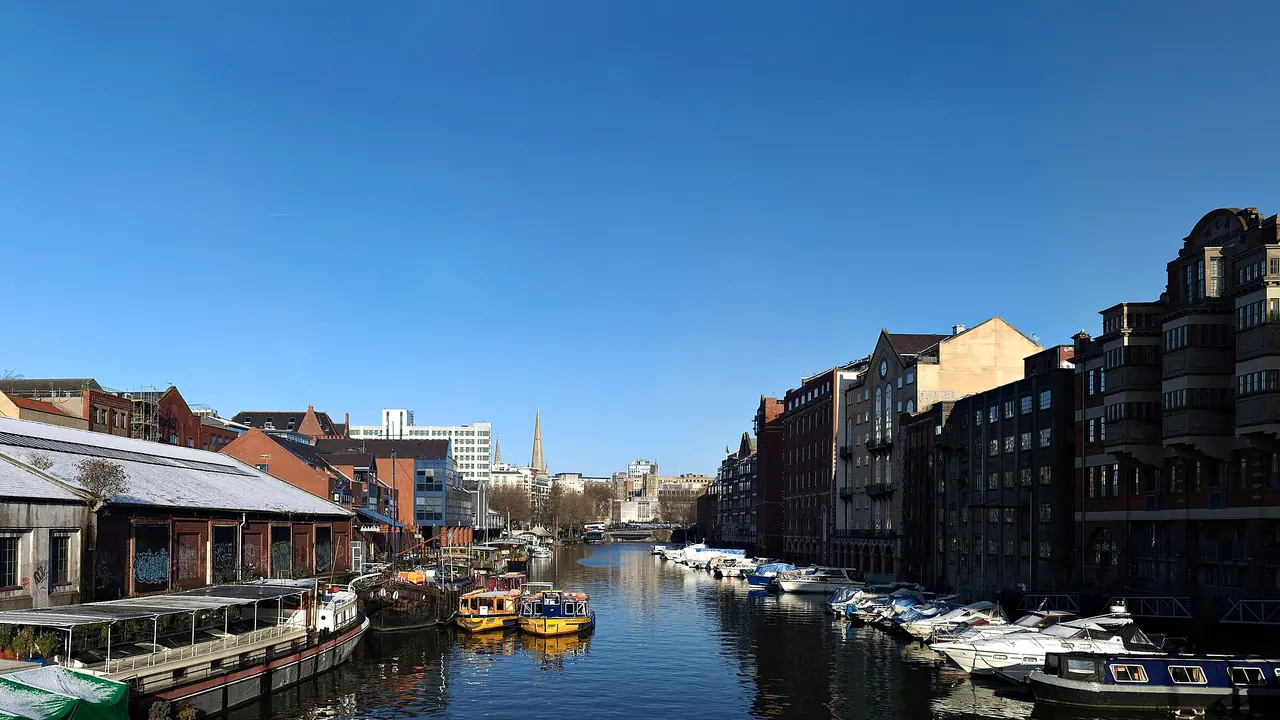
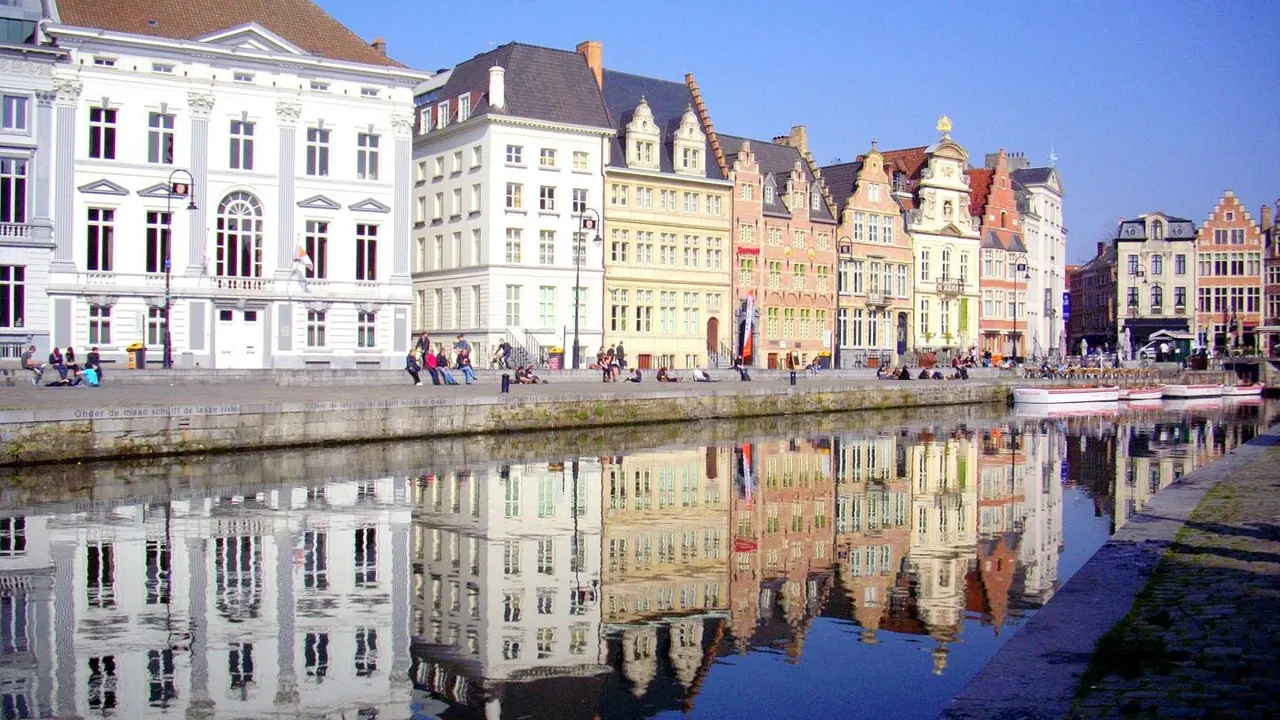
Photos: Bristol by NotFromUtrecht, CC BY-SA 3.0, cropped; Ghent by ykeiko, CC BY-SA 3.0, cropped.
Bristol or Ghent?
Our verdict in twelve categories, each scored against the same fixed benchmark cities, and the climate month by month, so you can choose for your trip.
Choose Bristol for
- nature and the outdoors
- families
- nightlife
Bristol suits travellers who want an active, sociable trip with green country on the doorstep. The Avon Gorge, the Downs and Ashton Court sit inside the city, and the Mendips and the Brecon Beacons are not far beyond. Nights out have real character, thanks to the club and live-music culture, and children are well looked after on the harbourside. Bath is just down the line for its hot springs.
Choose Ghent for
- getting around
- culture and sights
- beaches
Anyone who comes for art, medieval streets and easy touring will be happier in Ghent. The van Eyck altarpiece, the Gravensteen and the guildhalls along the Leie give it more to see, and the flat centre is mostly free of cars, so it is effortless to walk or cycle. Short train rides reach Bruges, Brussels and Antwerp, which makes it a calm, well-placed base for seeing Flanders.
Scoreboard
Twelve categories on one fixed scale from 0 to 100. The shaded stretch is the gap between the two.
Your match
Pick a travel style or drag the sliders, and both match scores follow your weighting.
Too close to call, 1 point apart
Wins on nature and the outdoors and families with your weighting.
Wins on getting around and culture and sights with your weighting.
What matters to you?
Category by category
What the scores mean for a trip.
Beaches & swimming
Neither city is a place for beach life, but Ghent gets closer. Trains reach Ostend in about an hour, and the coast tram links long stretches of wide sand and dunes. On hot days there is also the lake beach at Blaarmeersen on the city's edge.
Bristol's own shore is Severn mud, and even the sand at Weston-super-Mare comes with a tide that goes out a very long way. The best water nearby is the Victorian marine lake at Clevedon, which is for a brisk cold dip rather than a day on the beach.
Food & drink
The two eat about equally well, but in different ways. Ghent has a cooking tradition of its own: waterzooi, beef stewed in dark beer and frites in paper cones. Its brown cafés in the Patershol and around the Vrijdagmarkt pour long lists of Trappist and lambic beers, and it is notably easy for vegetarians.
Bristol has no signature dish, so the pleasure lies in grazing. Try the stalls of St Nicholas Market, the container kitchens on the harbourside and the bakeries along Gloucester Road and North Street. To drink, it offers West Country cider and craft ale in warehouse taprooms instead of Belgian beer lists.
Culture & sights
Ghent has the richer set of sights. Its medieval centre is lived in rather than staged, with the Gravensteen standing in the middle of town. St Bavo's Cathedral holds the Ghent Altarpiece, a painting of real importance in European art, and the Museum of Fine Arts and the SMAK back it up.
Bristol's interest is maritime and industrial. Its highlights are the SS Great Britain, the Clifton Suspension Bridge over the gorge, the Georgian terraces of Clifton and St Mary Redcliffe, with Banksy's early street art in Stokes Croft as a more modern draw. That makes a good two days, but Ghent gives you more art and older buildings for your time.
Nightlife
Bristol is the better night out. The sound-system culture behind trip hop, drum and bass and dubstep lives on in clubs in warehouses and railway arches around Temple Meads. Stokes Croft adds scruffy, creative bars that stay open late.
Ghent is more about beer than dancing. Expect long evenings in the old cafés around the Vrijdagmarkt, the student bars of the Overpoort in term time and only a handful of small clubs. The exception is July, when the Gentse Feesten keeps the whole centre partying into the early hours for ten days.
Nature & outdoors
Bristol has far more to offer outdoors. The open Downs, Leigh Woods and the deer park at Ashton Court are all inside the city, and the old Bristol to Bath railway path gives about 25km of traffic-free cycling. Further out, the Mendips are good for walking and caving, and the Brecon Beacons and Exmoor offer proper upland hiking about two hours away.
Around Ghent the land is flat and farmed. You can cycle the riverside paths along the Leie to Sint-Martens-Latem, watch birds at the Bourgoyen-Ossemeersen wetland, or paddle and row at the Blaarmeersen. The cobbled lanes of the Flemish Ardennes near Oudenaarde give cyclists some climbs, but nothing dramatic is within reach.
Day trips
Both make excellent bases, and Ghent is the better one. Bruges and Brussels are each about half an hour away by train and Antwerp under an hour. Mechelen, Leuven, the battlefields around Ypres and even Lille across the French border follow, all without a car.
Bristol's best outing is Bath, a quarter of an hour away by train, with Wells, Glastonbury and Cardiff about an hour off. The Cotswold villages, Stonehenge and Avebury are well worth the trip, but several of them are much easier by car. From Ghent, the trains do nearly all the work.
Good for families
Bristol keeps children busier. Beyond the attractions on the harbour there are Noah's Ark Zoo Farm, the deer at Ashton Court and plenty of room to run on the Downs. The steep hills are hard on small legs and pushchairs, though.
Ghent's advantage is calm streets, since cars are kept out of most of the centre. The castle's battlements, the canal boats, the old toys at the House of Alijn and the playgrounds at Blaarmeersen make a pleasant couple of days. The zoo and the theme parks are elsewhere, and the cobbles are as tough on pushchairs as Bristol's slopes.
Getting around
Ghent is much easier to get around. Its centre is flat and mostly free of cars, trams cover the rest of the city, and bike lanes run everywhere, so cycling soon feels like the natural way to travel.
Bristol's core is walkable, and the yellow harbour ferries are a pleasure. Clifton, though, is a stiff climb, and with no tram or metro you depend on buses that crawl through traffic once you leave the centre. A hire car helps for the countryside around Bristol, whereas in Ghent a car is only a burden.
Shopping & style
Shopping is a side pleasure in both cities, and there is little luxury in either. Bristol's strength is its independent streets: Gloucester Road for records, delis and vintage clothes, boutiques on Park Street and galleries in Clifton's Georgian arcades. The big Cabot Circus complex covers the chains.
Ghent leans on markets and things to eat. It has the flea market at Sint-Jacobs and the Sunday flower market on the Kouter, and chocolate, cuberdons, mustard and beer are the souvenirs to take home. For independent design, look along the Serpentstraat.
Affordability
Neither city is cheap, and costs end up much the same. Bristol saves you money because most of its main museums and churches are free and the market food is good value, but hotel prices climb at weekends.
In Ghent, sit-down dinners and beer bills add up, and the castle and main museums charge for entry. Frites stands, set lunches and cheap trams soften the cost, and rooms are moderately priced except during the July festival.
Live music & performing arts
The two are well matched on stage but strong in different things. Ghent is the place for opera, ballet and serious theatre. Its opera house is one of the two homes of the Flemish national company, NTGent has a name well beyond Belgium although it plays mostly in Dutch, and De Bijloke specialises in early music.
Bristol is best for live music, with bands, jazz and electronic acts in small venues across Stokes Croft and Old Market most nights. The Bristol Old Vic is the oldest continuously working theatre in the English-speaking world, and together with Shakespeare at the Tobacco Factory it offers plays a visitor can follow without any Dutch.
Wellness & relaxation
Bristol has the edge for unwinding, largely because Bath is so close. Its rooftop thermal pool is fed by Britain's only natural hot springs. Nearer at hand, the heated Victorian lido behind Clifton's terraces makes a restful half day.
Ghent has no spa culture beyond a few private saunas and hotel spas. Its calm comes from the enclosed gardens of the beguinages, walks along the Coupure canal and quiet Sundays. That is restful after a day of sightseeing, but it is no reason to choose the city.
When should you go?
Pick your month. The climate figures are measured averages, not a forecast.
Bristol in July
Ghent in July
Daytime high, °C
Rainfall in the month, mm
Where the figures come from
Bristol's station stands 178 m above the city centre, so the centre is likely a little warmer than the figures say.
Bristol has no rain gauge within 25 km of the centre, so its rainfall comes from a gridded climate dataset read at the city rather than from a gauge further away.
Bristol's sunshine is measured 43 km from the centre, at Lyneham.
Ghent has no rain gauge within 25 km of the centre, so its rainfall comes from a gridded climate dataset read at the city rather than from a gauge further away.
Ghent's sunshine is measured 45 km from the centre, at Vlissingen.
Temperature and rainfall are climate normals, averaged over the years shown. Bristol: 1991-2020 normals, Lulsgate Bottom (11.8 km from centre). Ghent: 2009-2025 (sunshine 1991-2020, rainfall 1991-2020) normals, Melle / Kalverhaag (10.1 km from centre).
Both cities are mild and damp, and neither has a real beach season. Ghent warms up more. Summer afternoons reach about 23°C there against about 20°C in Bristol, and Ghent gets noticeably more sunshine from spring through summer. April is Ghent's driest month, which makes late spring a good time for walking its streets. July and August are best for sitting by the water or taking a day on the North Sea coast, although the sea stays cool off both cities, under 20°C even at its warmest.
Bristol is at its best from May to September for walks on the Downs and along the gorge. From October the rain picks up to around 95mm a month and the days turn short and grey. Winters in both cities are cold and overcast but rarely harsh enough to stop you walking about. The wet cobbles in Ghent and the steep streets in Bristol both need care.
Which traveller are you?
On a culture and arts trip, Ghent is the stronger choice. The Ghent Altarpiece, the moated Gravensteen and the medieval guildhalls of the Graslei go deeper than Bristol's Brunel sights. Its opera house and NTGent theatre give you evenings to match.
For an outdoors trip, Bristol wins clearly. Climbers head for the limestone cliffs of the Avon Gorge, and riders use the trails at Ashton Court. Cheddar Gorge, the Wye Valley and Exmoor are within reach. Ghent's flat farmland offers gentle cycling and birdwatching, and little more.
On a family trip with children, Bristol has more laid on. The SS Great Britain, the science centre and aquarium on the harbour, the wildlife park and the little ferries can fill several days. In Ghent there is less to do once you have seen the castle and taken a canal boat.
Before you go
| Measure | Bristol | Ghent |
|---|---|---|
| Official language | English | French, German, Dutch |
| Currency | Pound Sterling (GBP) | Euro (EUR) |
| Sockets | G230 V, 50 Hz | CE230 V, 50 Hz |
| Driving side | Left | Right |
| Time zone | UTC, UTC+1 in summer | UTC+1, UTC+2 in summer |
| Emergency number | 112 or 999 | 112 |
| Elevation | 11 m | 12 m |
| Main airport | Bristol Airport (BRS)11 km from centre117 non-stop destinations | Brussels Airport (BRU)56 km from centre191 non-stop destinations |
| Public holidays this year | 8 days | 14 days |
By the numbers
| Measure | Bristol | Ghent |
|---|---|---|
| City population | 472,465 | 272,657 |
| People per km² | 4,311 | 1,728 |
| Museums within 10 km | 23 | 30 |
| UNESCO World Heritage sites within 50 km | 3 | 5 |
| Swim season, months above 21 °C | None | None |
Where else could you go?
Every comparison below shares a destination with this one, so you can follow Bristol or Ghent somewhere new.