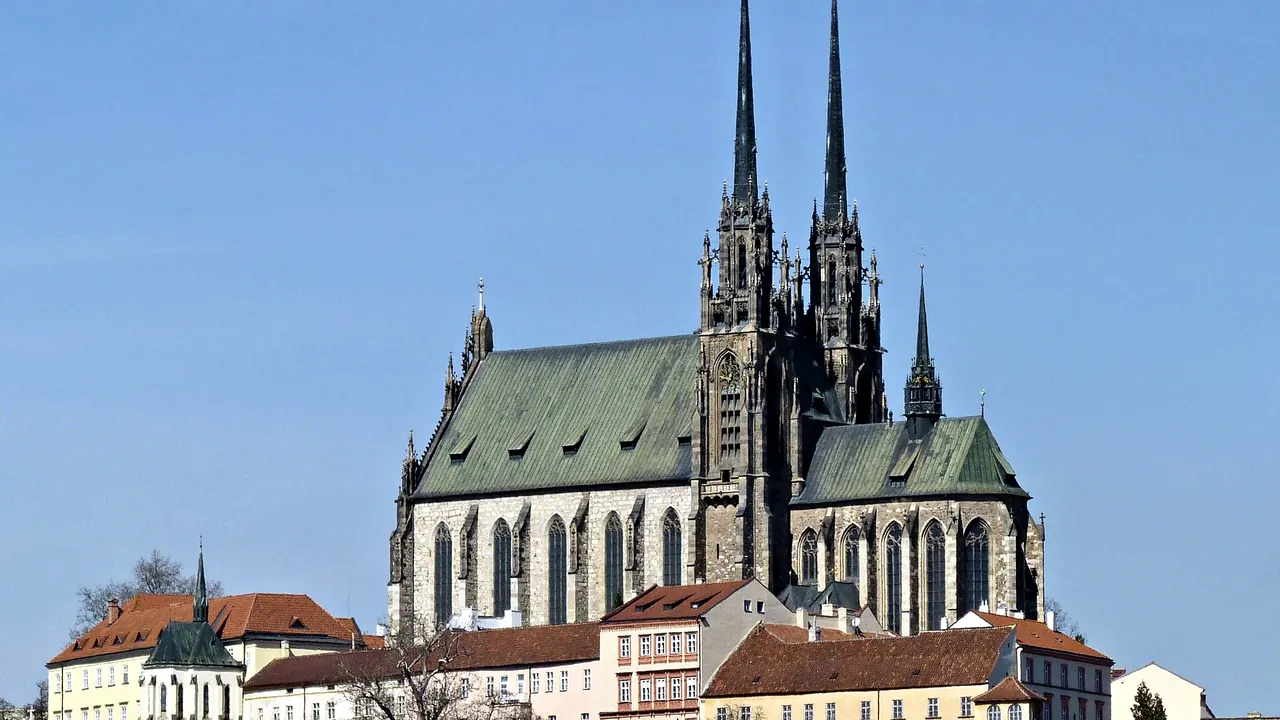
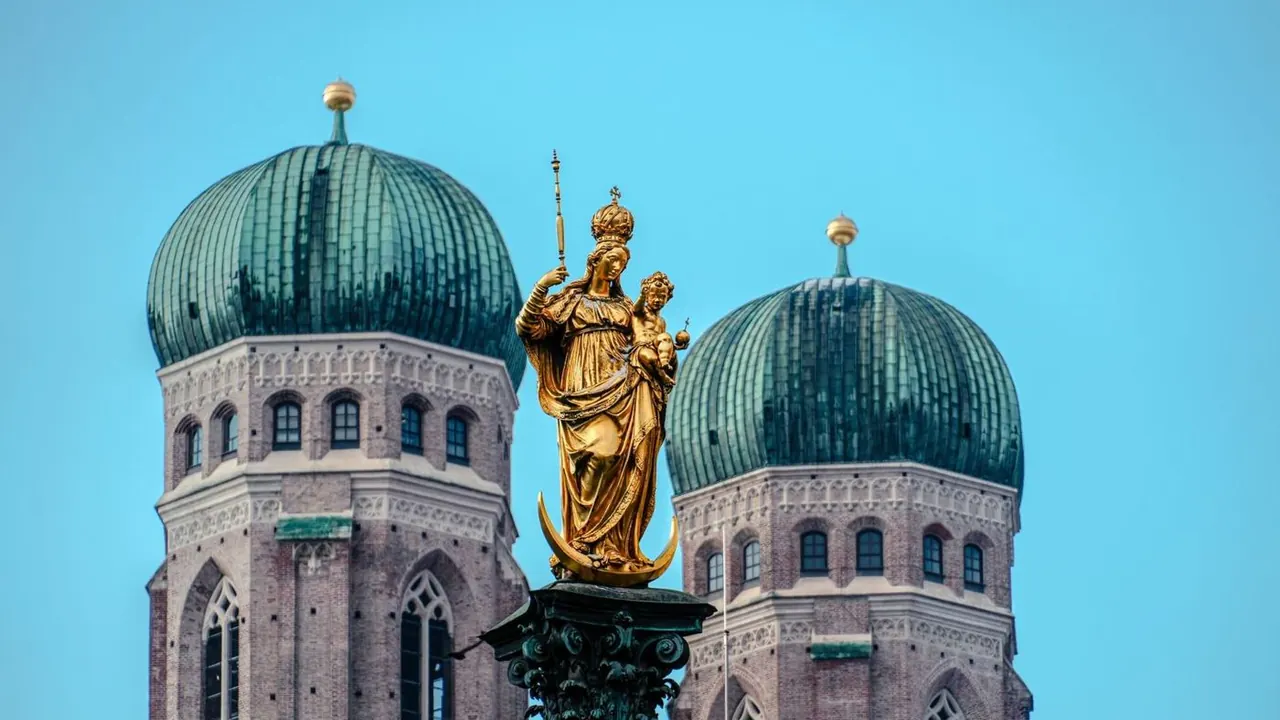
Photos: Brno by Michal Klajban, CC BY-SA 3.0, cropped; Munich by 0xd1ma, Pexels License.
Brno or Munich?
Our verdict in twelve categories, each scored against the same fixed benchmark cities, and the climate month by month, so you can choose for your trip.
Choose Brno for
- prices
Brno suits a traveller who wants a compact, inexpensive city with a strong single theme and a lot within reach. Interwar modernism centred on Villa Tugendhat, an evening of cocktail bars and Moravian wine, and day trips to chateaux, wine towns and UNESCO-listed squares make a satisfying few days without much spending. It is the better choice for a short break on a budget or for anyone drawn to architecture and wine country.
Choose Munich for
- shopping
- wellness
- families
Munich is the stronger all-round destination, and the gap is widest in museums, music, the outdoors and comfort. Great royal art collections, a world-class opera house, the Alps an hour away, thermal baths and easy family days out make it the place for a longer or more varied trip. The catch is cost, because hotels in particular are among the dearest in Germany.
Scoreboard
Twelve categories on one fixed scale from 0 to 100. The shaded stretch is the gap between the two.
Your match
Pick a travel style or drag the sliders, and both match scores follow your weighting.
Wins on prices with your weighting.
Wins on shopping and wellness with your weighting.
What matters to you?
Category by category
What the scores mean for a trip.
Beaches & swimming
Neither city has a sea, and both send swimmers inland on hot days. In Brno that means the reservoir on the Svratka, reached by tram and river boat, with grassy banks and small beaches but water that algae can spoil in a heatwave, or the Nove Mlyny lakes an hour south.
Munich does summer swimming better. The gravel banks of the Isar lie within the city, and the Starnberger See and Ammersee, under an hour by S-Bahn, have jetties, lawns and clear alpine water that stays fresh rather than warm.
Food & drink
Both kitchens are hearty and meaty, built around roast pork, dumplings and good lager, but Munich offers more. Its beer gardens under the chestnut trees, where you may bring your own picnic, the Viktualienmarkt by Marienplatz and a respectable tier of starred restaurants give it a range and a top end that Brno lacks.
Brno's strengths lie in what you drink. Light Moravian whites and Frankovka reds come from vineyards less than an hour away and are poured by the glass, and the specialty coffee is unusually good for a city of its size. Fine dining, though, is thin.
Culture & sights
Munich is the far richer cultural trip. The Kunstareal alone, with the Alte Pinakothek's old masters, the Glyptothek and the Blue Rider painters at the Lenbachhaus, could fill several days, before the Residenz, Nymphenburg and the vast Deutsches Museum.
Brno is smaller in scope but distinctive. Villa Tugendhat and the city's interwar functionalist buildings are a real draw for architecture lovers, and the Capuchin Crypt, Spilberk Castle and the abbey where Mendel founded genetics round out two or three rewarding days.
Nightlife
Munich has the fuller night out. Evenings start in beer halls and beer gardens, the Glockenbachviertel has the densest run of cocktail and gay bars, and a few serious techno and house clubs run until morning at weekends. During the Oktoberfest the whole city becomes a party.
Brno is a city for drinks rather than dancing. Its small cocktail bars behind unmarked doors and down cellar steps are its pride, and term-time crowds keep Jakubske namesti busy late, but clubbing is modest and the city goes quiet when the students leave in summer.
Nature & outdoors
Munich has the Alps on its doorstep. The Wetterstein, the Zugspitze and Tegernsee are reachable by train for hiking in summer and skiing in winter, and closer to home the English Garden, the Eisbach surfers and the Isar cycle paths bring the outdoors into the city.
Brno's landscapes are gentler and lower. The Moravian Karst, half an hour north, has wooded trails and caves, including the boat ride under the Macocha Abyss, and to the south the Palava ridge, the Dyje valley and the vineyard cycle routes make for good days, but there are no mountains or snow.
Day trips
Both are excellent bases, and the difference is mostly in kind. From Brno the draw is a cluster of UNESCO sites within an hour or two, from the Lednice-Valtice estate to Telc and Trebic, plus the Austerlitz battlefield, Olomouc, the wine towns and both Vienna and Bratislava by train.
Munich's list is a little longer and more varied. Nuremberg, Regensburg and Augsburg are easy by train, Salzburg and Innsbruck lie across the border, and the royal castles of Neuschwanstein and Herrenchiemsee add a fairytale element that Moravia's chateaux do not quite match.
Good for families
Munich is much better geared to children. The Hellabrunn zoo along the Isar meadows, the hands-on sections of the Deutsches Museum, the transport museum, beer gardens with playgrounds and summer days at the lakes give plenty of choice, and Legoland is within reach.
Brno is safe and easy but offers fewer things made for children. The VIDA science centre, the hillside zoo and the Anthropos mammoths fill a couple of days, and the cave boat ride in the Moravian Karst is the highlight, though cobbles and hills test a pushchair.
Getting around
Both have small, largely pedestrianised old towns and one integrated ticket for public transport, so neither needs a car. Munich goes further with the U-Bahn and S-Bahn, which reach the airport and the lakes, and its flat streets and riverside paths make cycling a pleasure.
Brno relies on a dense tram network, and its ticket also covers regional trains across South Moravia, which makes the wine country easy to reach. The streets up to Spilberk and the cathedral hill are steep.
Shopping & style
Munich is a real shopping city. Maximilianstrasse and the Theatinerstrasse arcades hold the luxury labels, department stores line the central pedestrian axis, and the distinctive buy is dirndls and lederhosen from specialist tailors. In December the Christmas markets add craft stalls.
Brno offers little beyond high-street chains on Ceska and Masarykova, a few independent shops and the malls. The best things to take home are bottles of Moravian wine from the cellars and produce from the Zelny trh market.
Affordability
This is where Brno clearly wins. It costs far less than Munich at almost every turn: rooms are inexpensive, weekday pub lunch menus are very good value, and beer, wine, transport and museums cost little. Only the cocktail and coffee bars are dearer, and trade fairs can fill hotels.
Munich is the most expensive city in Germany, with hotels dear all year and very dear during the Oktoberfest and trade fairs. Picnics in beer gardens, free parks and lakes and token Sunday museum entry help, but the overall bill is far higher.
Live music & performing arts
Munich's stage life is of world standing. The Bavarian State Opera in the National Theatre, three major orchestras, the jewel-box Cuvilliés Theatre for chamber opera and a summer opera festival make it one of Europe's great musical cities, with jazz and big touring acts besides.
Brno's musical life is serious for its size and has one great name at its centre. The National Theatre Brno performs Janacek's operas at the Janacek Theatre, Mozart once played at the Reduta, and the Brno Philharmonic gives a regular season. In both cities most drama is in the local language, so music and dance suit visitors best.
Wellness & relaxation
Munich has a real bathing culture. The Art Nouveau Müller'sches Volksbad with its Roman-style steam bath, German textile-free saunas, the huge thermal complex at Erding and the spa towns of Bad Tölz and Bad Reichenhall give plenty of ways to unwind.
Brno has no springs or spa tradition, only swimming complexes with saunas and a few hotel spas. Its calm comes instead from quiet afternoons in cafés, Luzanky park and the Spilberk slopes.
When should you go?
Pick your month. The climate figures are measured averages, not a forecast.
Brno in July
Munich in July
Daytime high, °C
Rainfall in the month, mm
Temperature and rainfall are climate normals, averaged over the years shown. Brno: 1991-2020 normals, Brno / Turany (8.4 km from centre). Munich: 1991-2020 normals, München (1.9 km from centre).
Both cities follow the same central European pattern, with warm summers peaking at around 25°C in July and August and cold, grey winters, so May to September is the season for long days outdoors and lake swims. Spring and early autumn, when afternoons are mild, are the best times for walking the streets in either city. Brno has the colder winter, with daytime highs of about 2°C in January and December and fewer hours of sun, so a winter trip there feels bleaker.
The real difference is rain. Brno is markedly drier, and even its wettest summer months see around 70mm, with plenty of sunshine. Munich's summers bring well over 100mm a month in frequent showers and storms, so a summer visit there needs a plan for wet afternoons, and late September and early autumn are often the steadier time.
Which traveller are you?
On a trip on a tight budget, Brno is the clear pick. Even a small budget covers a central room, a sit-down lunch every day and evenings over local wine, with cheap trains for outings. In Munich the hotel bill alone swallows much of it.
For an outdoors trip, Munich wins easily. Brno offers pleasant caves and gentle rides through vineyards, but from Munich you can be on a mountain trail or ski slope by mid-morning and back in town for dinner, with lake swims for rest days.
On a shopping trip, Munich is far ahead. In Brno an afternoon is plenty, and the best finds are bottles from a wine cellar. Munich can fill a whole weekend, moving from the luxury end to the independent boutiques of Glockenbach and Schwabing.
Before you go
| Measure | Brno | Munich |
|---|---|---|
| Official language | Czech | German |
| Currency | Czech Koruna (CZK) | Euro (EUR) |
| Sockets | CE230 V, 50 Hz | CF230 V, 50 Hz |
| Driving side | Right | Right |
| Time zone | UTC+1, UTC+2 in summer | UTC+1, UTC+2 in summer |
| Emergency number | 112 | 112 |
| Elevation | 237 m | 519 m |
| Main airport | Brno-Tuřany Airport (BRQ)8 km from centre40 non-stop destinations | Munich Airport (MUC)29 km from centre210 non-stop destinations |
| Public holidays this year | 13 days | 12 days |
By the numbers
| Measure | Brno | Munich |
|---|---|---|
| City population | 402,739 | 1,505,036 |
| People per km² | 1,750 | 4,844 |
| Museums within 10 km | 25 | 75 |
| UNESCO World Heritage sites within 50 km | 2 | 1 |
Where else could you go?
Every comparison below shares a destination with this one, so you can follow Brno or Munich somewhere new.
- Innsbruckvs Munich
- Viennavs Brno
- Salzburgvs Munich
- Bratislavavs Brno
- Nurembergvs Munich
- Hallstattvs Munich