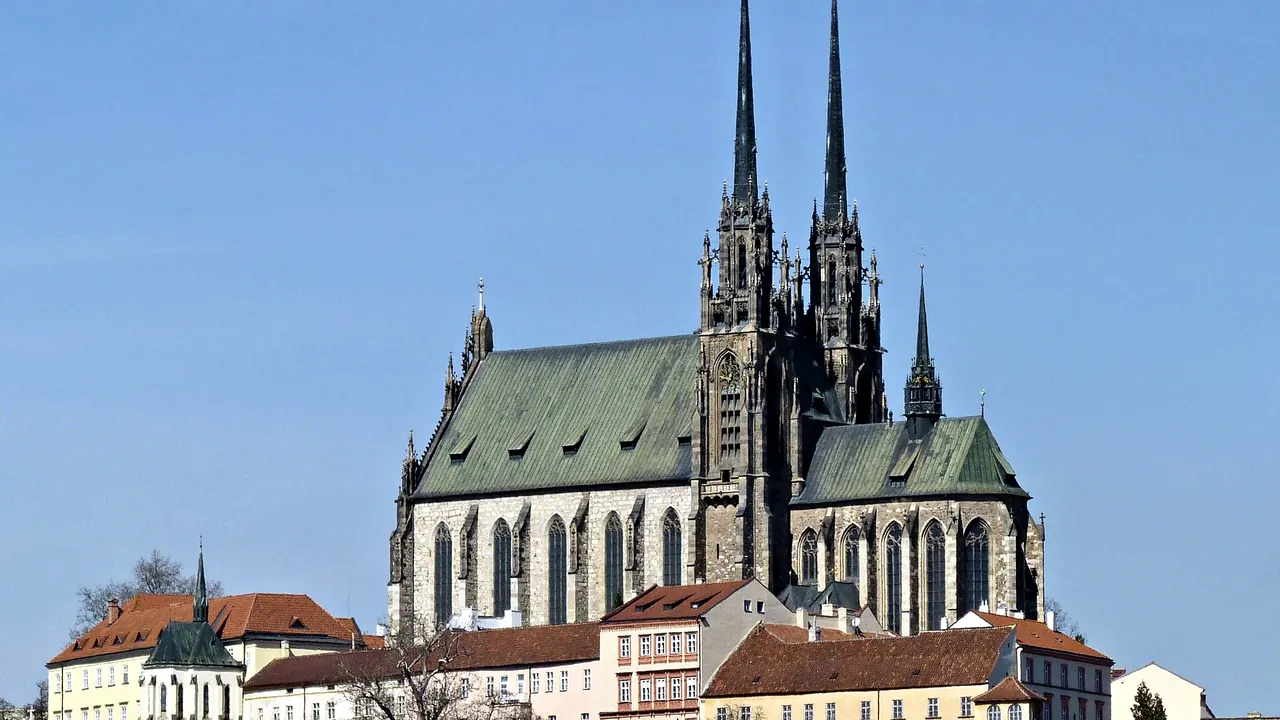
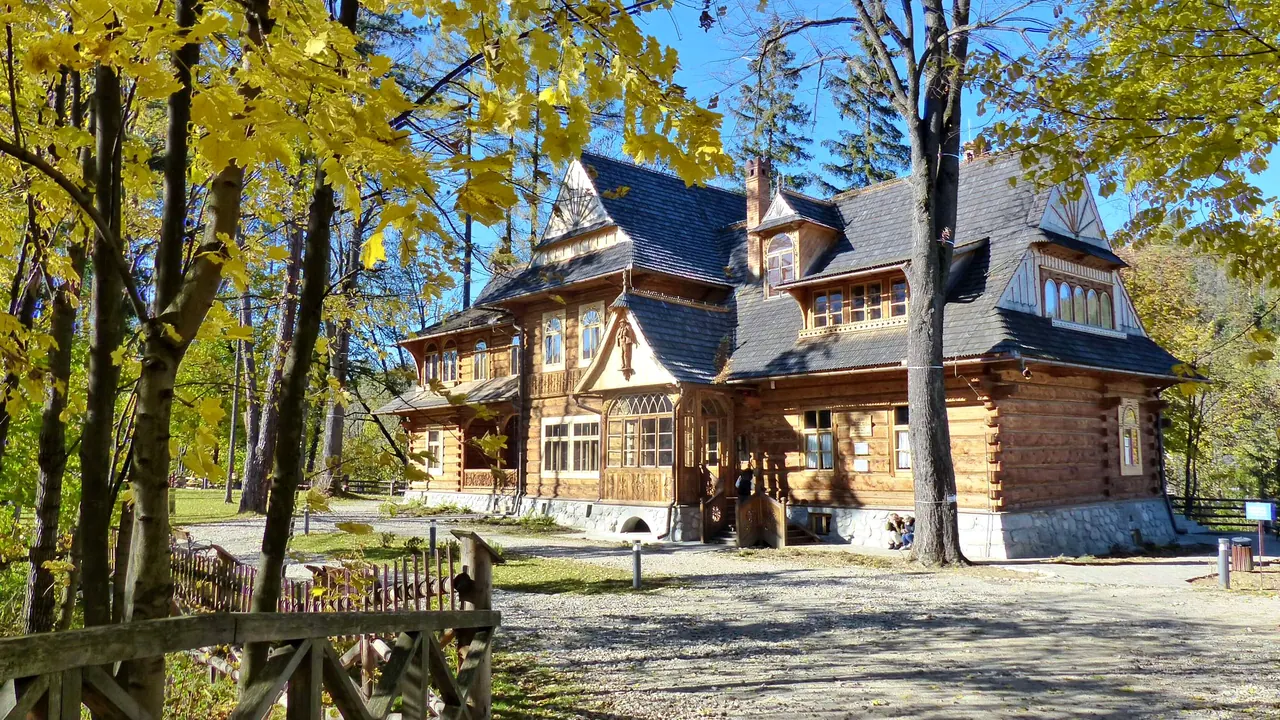
Photos: Brno by Michal Klajban, CC BY-SA 3.0, cropped; Zakopane by Wojciech Grzegorz Domagała, CC BY-SA 4.0, cropped.
Brno or Zakopane?
Our verdict in twelve categories, each scored against the same fixed benchmark cities, and the climate month by month, so you can choose for your trip.
Choose Brno for
- live music and the arts
- culture and sights
- getting around
Brno suits travellers who want a city to explore and a base for wider wandering. Villa Tugendhat and the interwar functionalist districts, an opera house built around Janacek's work, cocktail bars down cellar steps and a ring of UNESCO chateaux, wine towns and even Vienna within a day's train ride all fill a week without a car. It is the better pick for culture, evenings out and easy logistics.
Choose Zakopane for
- wellness
- nature and the outdoors
- families
If the mountains are the reason for going, Zakopane is the clear answer. The Tatras begin where the streets end, with gentle valleys for families, hard climbs to Rysy and skiing in winter, and the thermal pools of the Podhale valley turn the end of each day into a long soak. The town's own sights take a day at most, and the roads in jam at peak times, so it rewards walkers more than sightseers.
Scoreboard
Twelve categories on one fixed scale from 0 to 100. The shaded stretch is the gap between the two.
Your match
Pick a travel style or drag the sliders, and both match scores follow your weighting.
Wins on live music and the arts and culture and sights with your weighting.
Wins on wellness and nature and the outdoors with your weighting.
What matters to you?
Category by category
What the scores mean for a trip.
Beaches & swimming
Neither town is a place for a beach vacation, and neither has a sea within reach. Brno's swimming is a city affair: the reservoir on the Svratka, reached by tram and river boat, with grassy banks and small beaches, though algae can spoil it in hot spells.
In Zakopane the cold mountain lakes are off limits to bathers, so visitors swim in the warm thermal pools in the nearby villages instead, which work in any season and are a different sort of swim altogether.
Food & drink
Both towns serve heavy, filling regional food, and in both fine dining is thin. Brno stands out more for what is in the glass: lager from Starobrno, Moravian whites and Frankovka from vineyards just south, careful specialty coffee and cocktail bars.
Zakopane is about the plate and the setting. Grilled oscypek with cranberry jam from street stalls, sauerkraut soup and lamb in timber inns with open fires and fiddlers, and cheese straight from shepherds' huts give it a stronger sense of place, if a narrower range.
Culture & sights
Brno has much more to see. Villa Tugendhat leads a rich spread of interwar modernism, and Spilberk Castle, the Gothic cathedral, the crypts and the Mendel Museum make two or three full days.
Zakopane's heritage is small but its own: the timber Zakopane style at Villa Koliba and the Jaszczurówka chapel, the Tatra Museum and the carved grave markers of the Old Church cemetery. One day is enough before the mountains take over.
Nightlife
Brno makes for the better night out, built on students and drinking rather than dancing: hidden cocktail bars, wine bars and beer cellars around Jakubske namesti that stay full late during term. It goes quiet in July and August.
Zakopane runs on the opposite calendar. Krupówki's pubs and clubs come alive on winter weekends and in the ski season with après-ski groups, but midweek and in the off season the town turns in early, as do the hikers.
Nature & outdoors
This is Zakopane's great strength. Granite peaks, cirques and glacial lakes start at the edge of town, with everything from flat valleys full of spring crocuses to the chained ridge of Orla Perć, plus skiing in winter and rafting on the Dunajec nearby.
Brno's outdoors are gentler and lower. The Moravian Karst, with its caves and the boat ride below the Macocha Abyss, is the highlight, and the Palava hills and Podyji suit walking and cycling, but there are no mountains at all.
Day trips
Brno has the richer choice of outings. The Lednice-Valtice estate, the Austerlitz battlefield, Kromeriz, Trebic and Telc are all close, and Vienna, Bratislava and Olomouc fit into a day by train.
Zakopane has fine trips too, including Kraków and the Wieliczka salt mine, the painted wooden church at Dębno and Spiš Castle across the Slovak border. They are fewer, mostly by road, and weekend traffic can lengthen them badly.
Good for families
Zakopane is the more fun of the two for children who like being outside. The funicular to Gubałówka with its summer toboggan run, pushchair-friendly valley trails, sledging and nursery slopes in winter, and thermal water parks for rainy days fill a week.
Brno is safe and easy but offers less made for children: the VIDA science centre, the hillside zoo and the planetarium. The best outing, the underground boat ride in the Punkva Caves, is out of town.
Getting around
Brno is far simpler. A compact, largely pedestrianised centre, a dense tram network and one ticket that also covers regional trains mean even the day trips need no car.
Zakopane's centre is walkable and minibuses reach the trailheads easily, but getting there is the problem. The road jams at peak times and the train from Kraków is slow, while parking in town is hard.
Shopping & style
Neither is a shopping destination, but they send you home with different things. Brno has the usual chains plus a few vintage and design shops, and its best buy is Moravian wine from the cellars. Zakopane offers highland crafts at the Gubałówka market: wool sweaters, sheepskins, carved boxes and wheels of oscypek.
Affordability
Both are inexpensive by European standards, but the pressure points differ. In Brno, big trade fairs at the exhibition grounds can fill hotels, while cheap lunch menus, beer and transport keep daily costs low.
Zakopane is a resort, so prices rise at Christmas, New Year, the winter school breaks and on long summer weekends. Spring and autumn are its cheapest seasons.
Live music & performing arts
Brno is the place for an evening at the theatre. Janacek's operas anchor the National Theatre's programme, and the Mahen Theatre, the historic Reduta, the Philharmonic and a festival devoted to the composer add a lot for a city its size.
Zakopane's stage life is smaller and folk-rooted: the Witkacy Theatre, highland string bands in the inns, and the August festival of mountain folklore, with classical concerts only now and then.
Wellness & relaxation
Brno has no thermal springs and no spa tradition. Rest there means saunas at the public swimming complexes, a few day spas, café afternoons and slow walks in Luzanky park or on the Spilberk slopes.
Zakopane is far better for unwinding. It grew into a health resort in the 19th century on the strength of its mountain air, and hot water rising under the Podhale valley feeds the thermal complexes at Chochołów, Białka Tatrzańska and Bukowina, where outdoor pools steam in the snow below the peaks. For a calm stay, pick a guesthouse on the quieter slopes, because the crowds on Krupówki in high season are anything but restful.
When should you go?
Pick your month. The climate figures are measured averages, not a forecast.
Brno in July
Zakopane in July
Daytime high, °C
Rainfall in the month, mm
Where the figures come from
Zakopane has no rain gauge within 25 km of the centre, so its rainfall comes from a gridded climate dataset read at the city rather than from a gauge further away.
Zakopane's sunshine is measured 34 km from the centre, at Poprad / Tatry.
Temperature and rainfall are climate normals, averaged over the years shown. Brno: 1991-2020 normals, Brno / Turany (8.4 km from centre). Zakopane: 1999-2020 (sunshine 1991-2020, rainfall 1991-2020) normals, Zakopane (0.2 km from centre).
Brno has the warmer, drier summer. June to August reach about 26°C with plenty of sunshine, good for walking the old town and for an afternoon at the reservoir, and even the wettest summer months bring only moderate rain. Spring and September are pleasant for day trips into the vineyards. Winters are cold, dull and grey, with very little sun in December and January, so they suit museums and the opera more than strolling.
Zakopane sits higher and stays cooler, peaking around 21°C in July and August, which is comfortable for hiking but never beach weather. Its summers are much wetter than Brno's, with July bringing about 176mm, often as mountain storms, so September is often the steadier month for the high trails. Winter is its other season: cold enough for snow and skiing, and noticeably sunnier than Brno through the darkest months.
Which traveller are you?
For an outdoors trip, Zakopane wins easily. The Tatra national park starts at the edge of town, with valley walks, the lake at Morskie Oko, the cable car to Kasprowy Wierch and Rysy for the fit. Brno's karst and vineyards are pleasant but gentler.
On a culture and arts trip, Brno gives far more. Villa Tugendhat, the Moravian Gallery, the Capuchin Crypt and an evening of Janacek at the opera fill several days. Zakopane's wooden architecture and Witkacy Theatre are charming but done in a day.
For a relaxing and wellness trip, Zakopane is the one to pick. Steaming outdoor thermal pools with views of the peaks, clean mountain air and quiet guesthouses on the slopes make rest easy, while Brno has no spa tradition beyond saunas at swimming complexes.
Before you go
| Measure | Brno | Zakopane |
|---|---|---|
| Official language | Czech | Polish |
| Currency | Czech Koruna (CZK) | Zloty (PLN) |
| Sockets | CE230 V, 50 Hz | CE50 Hz |
| Driving side | Right | Right |
| Time zone | UTC+1, UTC+2 in summer | UTC+1, UTC+2 in summer |
| Emergency number | 112 | 112 |
| Elevation | 237 m | 837 m |
| Main airport | Brno-Tuřany Airport (BRQ)8 km from centre40 non-stop destinations | Kraków John Paul II International Airport (KRK)87 km from centre132 non-stop destinations |
| Public holidays this year | 13 days | 14 days |
By the numbers
| Measure | Brno | Zakopane |
|---|---|---|
| City population | 402,739 | 25,770 |
| People per km² | 1,750 | 306 |
| Museums within 10 km | 25 | 18 |
| UNESCO World Heritage sites within 50 km | 2 | 2 |
Where else could you go?
Every comparison below shares a destination with this one, so you can follow Brno or Zakopane somewhere new.