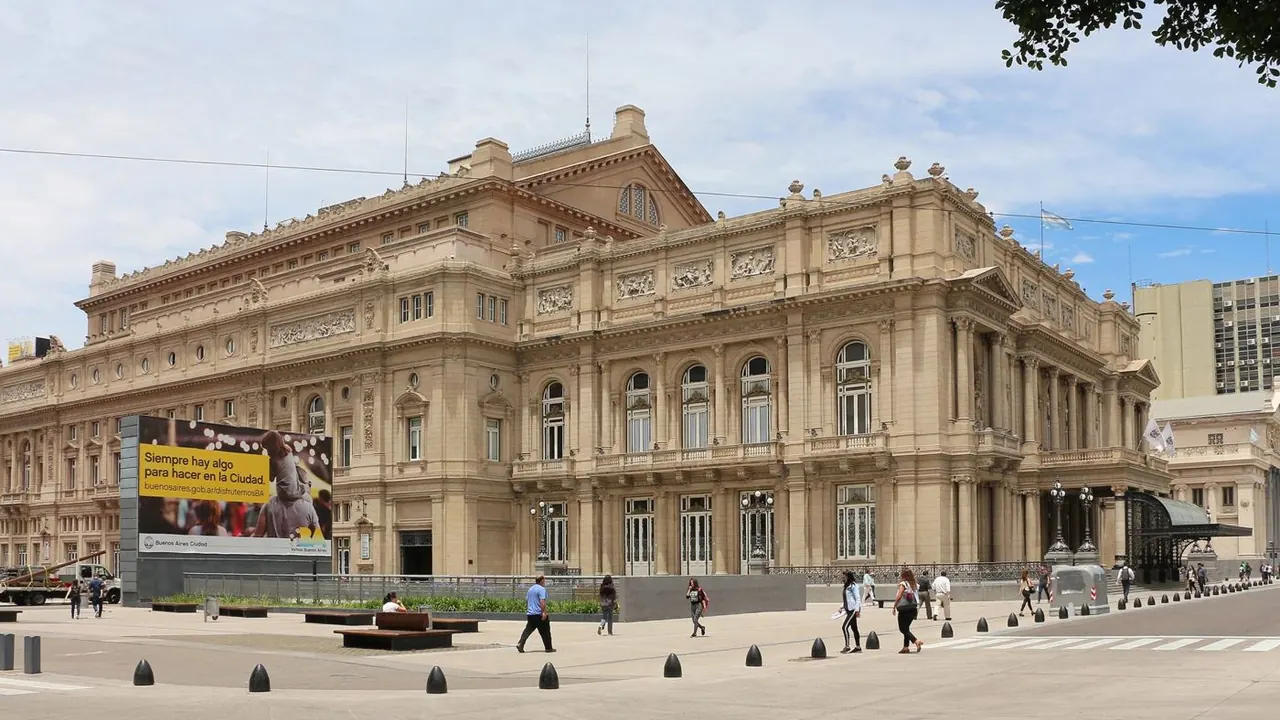
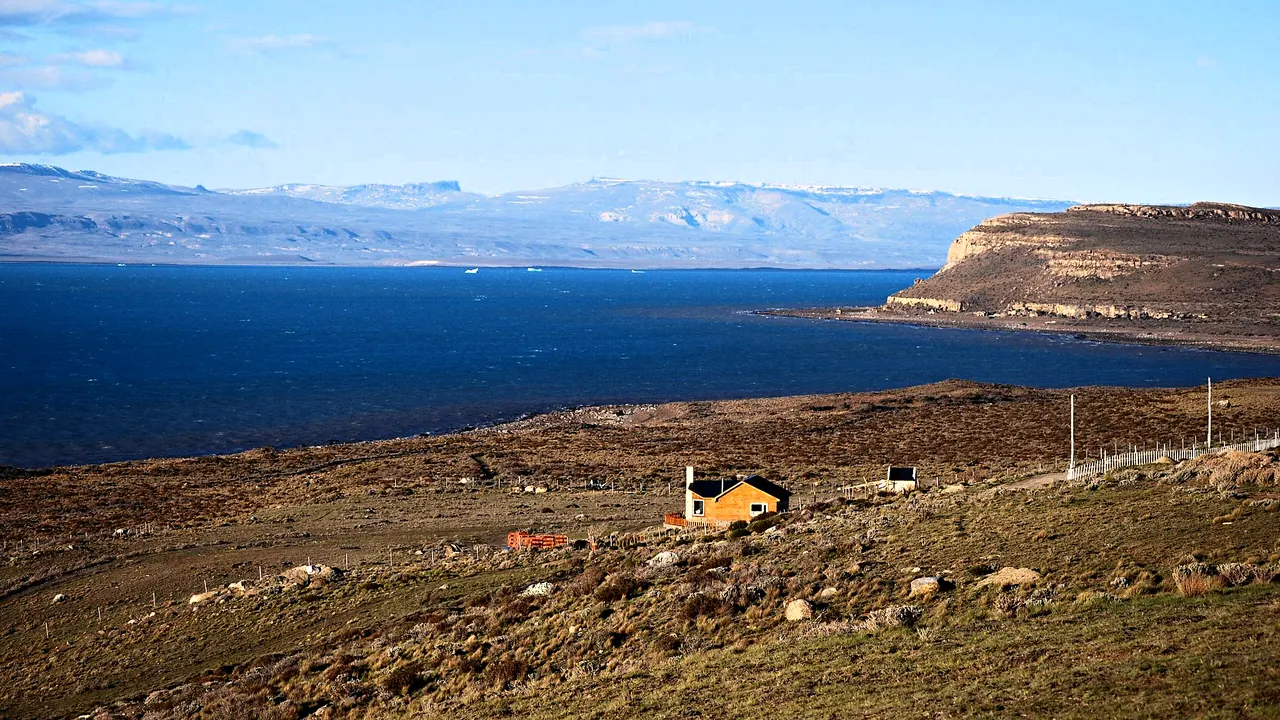
Photos: Buenos Aires by Bernard Gagnon, CC BY-SA 4.0, cropped; El Calafate by Pavel Špindler, CC BY 3.0, cropped.
Buenos Aires or El Calafate?
Our verdict in twelve categories, each scored against the same fixed benchmark cities, and the climate month by month, so you can choose for your trip.
Choose Buenos Aires for
- nightlife
- live music and the arts
- culture and sights
Buenos Aires is the choice for a city trip built around long days and longer nights: walks between Recoleta, San Telmo and Palermo, late parrilla dinners, an evening at the Teatro Colón and a milonga that runs into the small hours. It suits travellers who want grand architecture, good museums, shopping and a nightlife that starts at midnight, and who are happy to leave wild landscape for another trip.
Choose El Calafate for
- nature and the outdoors
Come to El Calafate for the ice. It is a base for the Perito Moreno glacier, boat trips on Lago Argentino and riding across the open steppe, and very little else. That makes it right for travellers who judge a trip by its landscapes rather than its restaurants or museums. Go in summer, keep the stay to a few days and expect early nights.
Scoreboard
Twelve categories on one fixed scale from 0 to 100. The shaded stretch is the gap between the two.
Your match
Pick a travel style or drag the sliders, and both match scores follow your weighting.
Wins on nightlife and live music and the arts with your weighting.
Wins on nature and the outdoors with your weighting.
What matters to you?
Category by category
What the scores mean for a trip.
Beaches & swimming
Neither city is a place to swim. Buenos Aires has the brown, silty Rio de la Plata, where people sunbathe on the grassy Costanera promenades and the Atlantic resorts such as Mar del Plata are a long journey south. El Calafate has Lago Argentino, which is glacier-fed, icy and usually swept by wind. In both, a hotel pool is the realistic answer, and in Buenos Aires the summer heat makes one far more welcome.
Food & drink
Buenos Aires eats far better. Beyond the beef of its neighbourhood parrillas there is a strong Italian layer of pizza, fresh pasta and ice cream, plus empanadas and choripán from street stalls. You also get grand coffee houses such as Café Tortoni and the more ambitious kitchens and wine bars of Palermo.
El Calafate shares the love of the grill but trades beef for Patagonian lamb roasted on iron crosses, with lake trout and king crab alongside. Its restaurants mostly feed tour groups coming back from the glacier, so the meal people remember is often a lunch out at an estancia.
Culture & sights
Buenos Aires is a city to explore on foot for its own sake. Avenida de Mayo runs from the Casa Rosada past the Palacio Barolo, Recoleta Cemetery is a maze of marble mausoleums, San Telmo keeps its old streets, and the Bellas Artes and MALBA are two serious art museums.
Where Buenos Aires shows off its old wealth in stone, El Calafate is a modern service town for the national park, with little old building to look at. The Glaciarium is worth a visit before you see the ice, and the regional museum and the rock paintings at the Walichu caves fill an afternoon, but that is the whole list.
Nightlife
The gap could hardly be wider. In Buenos Aires dinner starts at ten, Palermo's hidden cocktail bars fill around midnight and the clubs open around two and run into daylight. The tango milongas keep locals dancing in neighbourhood halls until the small hours.
In El Calafate a night out means a craft beer or a glass of Malbec in a pub on the main avenue, with a small casino if you are still restless. With a glacier bus leaving early, most people are in bed soon after dinner.
Nature & outdoors
This is the reason El Calafate exists. Perito Moreno's 70-metre ice wall, crampon treks across its surface, cruises to the Upsala and Spegazzini glaciers and the dry steppe below the Andes are scenery on a different scale. On the edge of town there are flamingos at Laguna Nimez.
Buenos Aires is flat pampas and river. The Bosques de Palermo and the Costanera Sur wetland are good for jogging and birdwatching, and the Paraná Delta beyond Tigre makes a pleasant day by launch or kayak. For real hiking country, though, you have to fly to Patagonia.
Day trips
Buenos Aires has far more within a day's reach. A fast ferry crosses to the cobbled old town of Colonia del Sacramento in Uruguay, a train runs to Tigre and the delta, and San Antonio de Areco, Luján and La Plata offer gaucho crafts, a huge basilica and a planned provincial capital.
From El Calafate the outings are trips into landscape rather than to other places. Sheep estancias, some reached by boat across the lake, are the exception. El Chalten is about three hours away and works better as a stay of its own.
Good for families
Buenos Aires is the stronger choice with children, mainly because there is far more to fill the days. The Palermo parks have lakes, pedal boats, playgrounds and the planetarium. The Museo de los Niños in Abasto and the hands-on science exhibits cover a wet afternoon, and the Temaikèn biopark and the amusement park at Tigre are each about an hour out. Children are welcome everywhere, though the long distances, broken pavements and late dinners take some managing.
El Calafate has much less for families, but it is small, safe and calm. The walkways at Perito Moreno are well built, and the crack of falling ice holds even young children's attention. Laguna Nimez and an estancia with horses and sheep can fill another day. Long drives, raw wind and age limits on glacier treks mean a short stay works best.
Getting around
Once you have one rechargeable card, the whole of Buenos Aires opens up: the Subte, the oldest metro in the Southern Hemisphere, colectivo buses running day and night, and taxis on every avenue. The distances between neighbourhoods are long, though, and La Boca lies off the metro.
El Calafate is a single walkable avenue, but everything you came for is more than an hour away and the town has no buses of its own worth the name. You will be booking tours or scheduled buses, or hiring a car and driving gravel roads in strong wind.
Shopping & style
Buenos Aires is a proper shopping city. There is leather around Villa Crespo, independent designers in Palermo Soho and expensive boutiques on Avenida Alvear. Galerías Pacífico has its painted domes, and the Sunday antiques fair runs along Calle Defensa in San Telmo.
El Calafate's main avenue sells outdoor gear, sheepskin, knitwear and calafate berry jam. It is good for a fleece you forgot and a few gifts to take home.
Affordability
Buenos Aires is easier on a budget. Public transport costs little, parrillas and pizzerias serve generous plates and wine is cheap, though Palermo, Recoleta and Puerto Madero charge much like Europe and the exchange rate can swing sharply from one trip to the next.
El Calafate is one of Argentina's pricier stops. Summer rooms are priced for a short season, and the real cost is the excursions: park entry, glacier treks, lake cruises and the transport to reach them. Hostels and simple parrillas help, but seeing the ice is never cheap.
Live music & performing arts
Buenos Aires has a stage life worth building a trip around. There is opera, ballet and symphony at the Teatro Colón, plays and musicals along Avenida Corrientes and a large independent theatre scene. Tango ranges from polished dinner shows to neighbourhood milongas with live orchestras. In El Calafate the most you can expect is a guitarist or folk singer at a restaurant or estancia dinner.
Wellness & relaxation
Neither city is built for unwinding, and what differs is the kind of rest each allows. Buenos Aires has day spas in Palermo and Recoleta and the slow pleasure of cafés where nobody rushes you, or a sobremesa that stretches through the afternoon. All of that sits inside a loud city that stays up late.
El Calafate offers quiet instead, with saunas and pools at a few lodges looking out over the lake and wide skies. The early starts and long bus rides of each day's excursion keep it from feeling like a retreat.
When should you go?
Pick your month. The climate figures are measured averages, not a forecast.
Buenos Aires in July
El Calafate in July
Daytime high, °C
Rainfall in the month, mm
Temperature and rainfall are climate normals, averaged over the years shown. Buenos Aires: 1991-2020 normals, Aeroparque Bs. As. Aerodrome (4.9 km from centre). El Calafate: 1991-2020 (sunshine 1981-2010, rainfall 1981-2010) normals, El Calafate Aero / Charles Fuhr (16.9 km from centre).
Buenos Aires is warm for much of the year. December to February bring highs around 29°C, long sunny days and sticky afternoons that make hours on foot tiring. Rain is spread across the warm half of the year rather than packed into summer. January is the wettest month at about 135mm, and March and April are nearly as wet, while winter is the driest season. October and November are the best months for walking, warm but not hot and a little drier than early autumn. Winter is mild at around 15°C, greyer but still fine for sightseeing. The river warms up in summer, but it is not water for swimming.
El Calafate has a much shorter season. Even in January highs reach only about 19°C, but there is little rain in any month and summer days are long and bright, so November to March is the time for glacier boats and treks. Autumn cools quickly, June and July sit around 5°C and many trips are cut back until spring. November is the easiest month to combine the two, when Buenos Aires is pleasant on foot and Patagonia is dry, sunny and open.
Which traveller are you?
For a culture and arts trip, Buenos Aires wins easily. You have the Teatro Colón, the playhouses of Avenida Corrientes, MALBA, the Bellas Artes and the boulevards of Avenida de Mayo and Recoleta. El Calafate has the Glaciarium and a small regional museum.
On an outdoors trip, El Calafate is the obvious pick. Walkways and crampon treks at Perito Moreno, cruises to the Upsala and Spegazzini glaciers and riding on the steppe beat anything near Buenos Aires, where the best escape is the flat Paraná Delta by boat.
For a food and nightlife trip, Buenos Aires is in a different league. Dinner means wood-fired parrillas and Italian-style pizza and ice cream, then Palermo's cocktail bars and clubs that run until sunrise. In El Calafate the evening ends after roast lamb and one beer.
Before you go
| Measure | Buenos Aires | El Calafate |
|---|---|---|
| Official language | Spanish | Spanish |
| Currency | Argentine Peso (ARS) | Argentine Peso (ARS) |
| Sockets | CI220 V, 50 Hz | CI220 V, 50 Hz |
| Driving side | Left | Left |
| Time zone | UTC-3 | UTC-3 |
| Emergency number | 117 or 911 | 117 or 911 |
| Elevation | 25 m | 199 m |
| Main airport | Ezeiza International Airport - Ministro Pistarini (EZE)28 km from centre53 non-stop destinations | El Calafate - Commander Armando Tola International Airport (FTE)16 km from centre9 non-stop destinations |
| Public holidays this year | 16 days | 16 days |
By the numbers
| Measure | Buenos Aires | El Calafate |
|---|---|---|
| City population | 3,121,707 | 22,844 |
| People per km² | 15,355 | 998 |
| Museums within 10 km | 77 | 1 |
| UNESCO World Heritage sites within 50 km | 1 | 0 |
| Swim season, months above 21 °C | 4 months | - |
Where else could you go?
Every comparison below shares a destination with this one, so you can follow Buenos Aires or El Calafate somewhere new.
- Colonia del Sacramentovs Buenos Aires
- Puerto Natalesvs El Calafate
- Montevideovs Buenos Aires
- Punta del Estevs Buenos Aires
- Ushuaiavs El Calafate
- Mendozavs Buenos Aires