Photos: Buenos Aires by Bernard Gagnon, CC BY-SA 4.0, cropped; Mendoza by David, CC BY 2.0, cropped.
Buenos Aires or Mendoza?
Our verdict in twelve categories, each scored against the same fixed benchmark cities, and the climate month by month, so you can choose for your trip.
Choose Buenos Aires for
- nightlife
- live music and the arts
- culture and sights
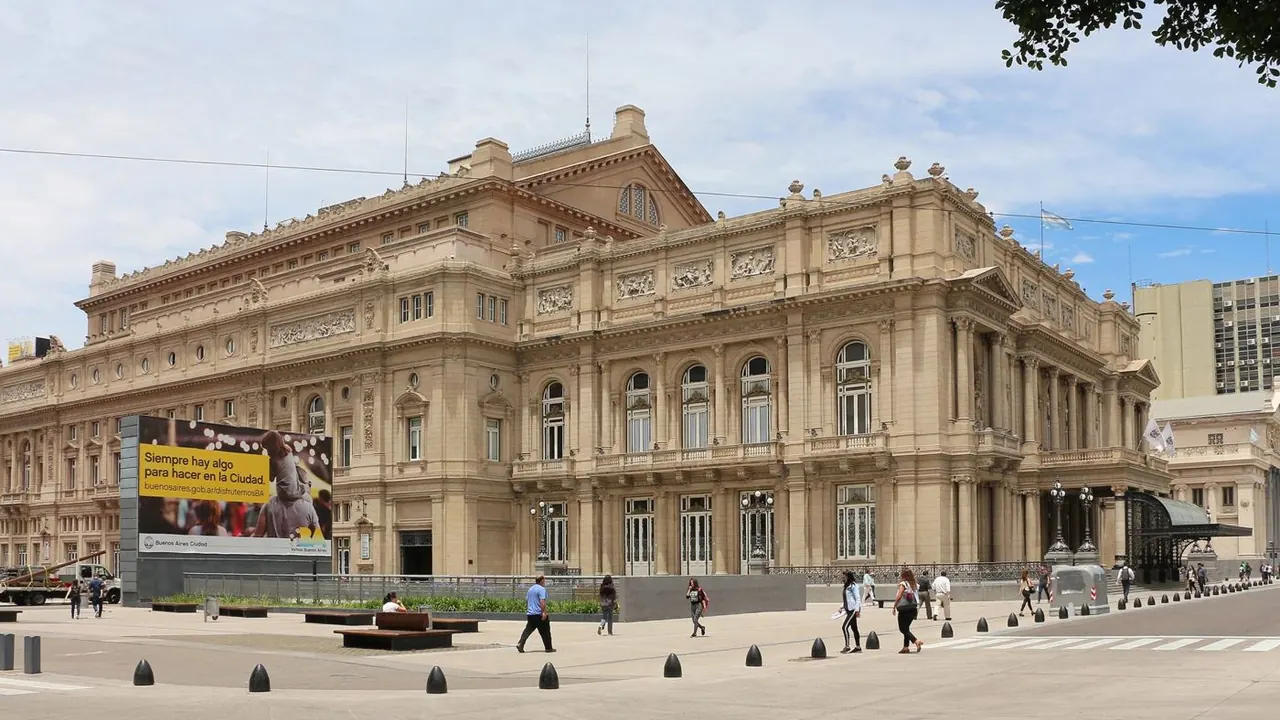
Buenos Aires is the choice for a big-city trip. You get grand boulevards and the marble lanes of Recoleta by day, then the Teatro Colón, a tango milonga or a Palermo bar that doesn't fill until midnight. It suits travellers who want museums, theatre, shopping and late nights in one place and don't mind long rides between neighbourhoods.
Choose Mendoza for
- nature and the outdoors
- wellness
- prices
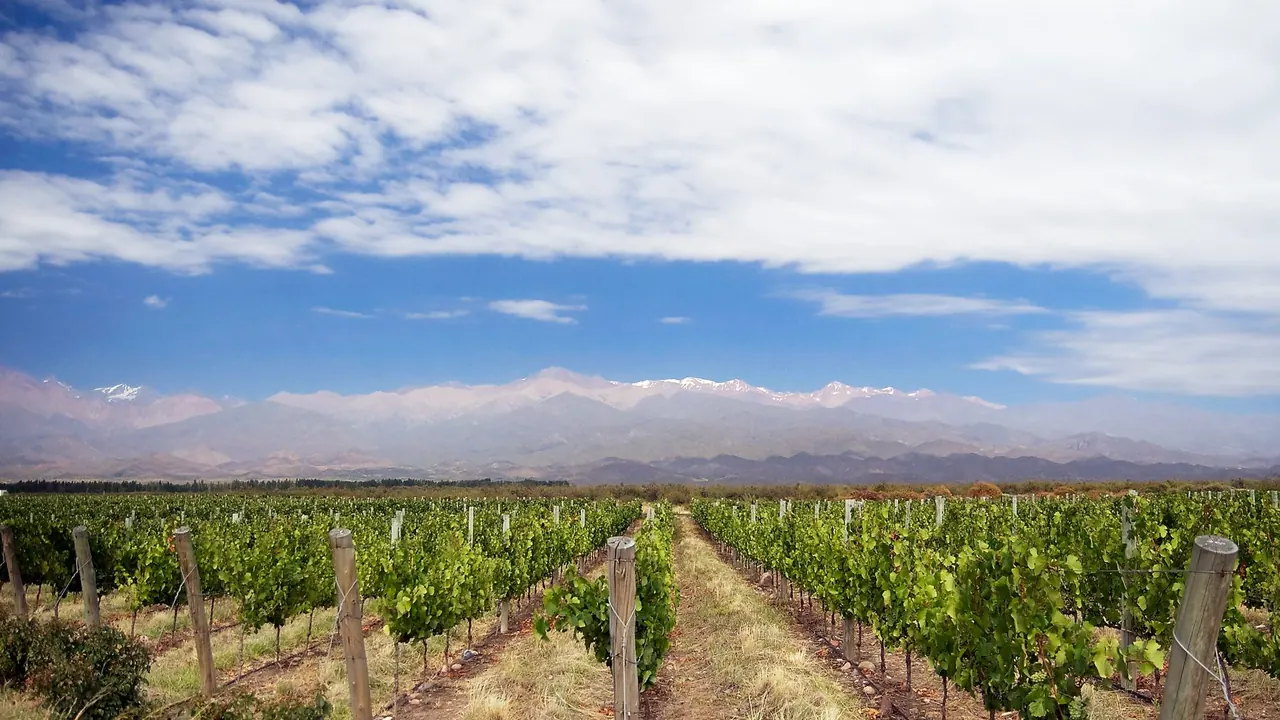
Mendoza makes more sense when the draw is the country around the city rather than the city itself. The Andes begin within an hour, with rafting, high-altitude hiking and the road to Aconcagua, and in the Malbec country of Luján de Cuyo and the Uco Valley a long winery lunch becomes the main event of the day. The pace is slower, the Cacheuta hot springs are close, and you will need a hired car or a driver more than a metro.
Scoreboard
Twelve categories on one fixed scale from 0 to 100. The shaded stretch is the gap between the two.
Your match
Pick a travel style or drag the sliders, and both match scores follow your weighting.
Wins on nightlife and live music and the arts with your weighting.
Wins on nature and the outdoors and wellness with your weighting.
What matters to you?
Category by category
What the scores mean for a trip.
Beaches & swimming
Neither city has a beach, but for different reasons. Buenos Aires sits beside the brown, silty Río de la Plata, where the Costanera is for strolling and lying on the grass, not swimming. If you want the sea, plan a separate stay on the Atlantic coast around Mar del Plata.
Mendoza is landlocked behind the Andes, with the Chilean coast a full day's drive over a high pass. The Potrerillos reservoir about an hour away is worth the trip for its mountain views, not for a swim. In both cities, a cool-off in summer means a hotel or club pool.
Food & drink
Buenos Aires has more to offer the eater. Beef from the neighbourhood parrillas is joined by a strong Italian strand of thick pizza, fresh pasta and excellent ice cream, along with the old coffee houses of Avenida de Mayo and the ambitious kitchens and wine bars of Palermo.
Mendoza's best meals happen outside the city, at the long, wine-paired winery lunches in Luján de Cuyo, Maipú and the Uco Valley with the Andes in view. In town it is plainer: steak, empanadas mendocinas with olive and egg, and terrace dinners on Arístides Villanueva. Neither city has much variety beyond the Argentine staples.
Culture & sights
Buenos Aires has far more to see. Its Belle Époque boulevards run from the Casa Rosada to the Congress, the Recoleta cemetery holds Eva Perón, and the Bellas Artes and MALBA museums, colonial San Telmo and the painted houses of La Boca can fill several days of walking.
Mendoza was rebuilt after the 1861 earthquake, and its main sight is that planned, shaded grid of plazas and irrigation channels. The foundation-site ruins and the Cerro de la Gloria monument above Parque San Martín complete the list, and a day or two covers it.
Nightlife
This is where the two cities differ most. Buenos Aires keeps going until sunrise. There are hidden cocktail bars and rooftops in Palermo Soho and Hollywood, big clubs by the river that take electronic music seriously, scruffier bars in San Telmo, and milongas where locals tango into the small hours.
Mendoza starts late too, but it stays relaxed. Students fill the bars on Arístides Villanueva until after midnight, Chacras de Coria has quiet wine bars, and a handful of clubs on the edge of town open at weekends. Many visitors turn in early because of a winery visit or a mountain trip the next morning.
Nature & outdoors
Mendoza is far ahead here. The Andes rise right behind the city, with whitewater on the Mendoza River at Potrerillos, high hiking in the Cordón del Plata, paragliding from Cerro Arco and riding in the dry foothills. A long day up the Uspallata road reaches Aconcagua, and in winter you can ski at Vallecitos.
Buenos Aires is flat pampas. Its outdoor space is the lakes and cycling loops of the Bosques de Palermo, the birdlife of the Costanera Sur wetland and the delta channels beyond Tigre, which you can explore by launch or kayak.
Day trips
Buenos Aires has the wider choice. A fast ferry crosses to Colonia del Sacramento's cobbled old town in Uruguay, and Tigre and the delta are an hour away by train. Gaucho San Antonio de Areco, the basilica town of Luján and planned La Plata add more variety.
From Mendoza, nearly every trip goes into wine country. You can cycle between family bodegas in Maipú, visit the Malbec estates of Luján de Cuyo or see the high-altitude wineries of the Uco Valley. That is excellent for wine lovers, but there is little else to do.
Good for families
Buenos Aires is easier with children, despite the long distances, heavy traffic and broken pavements. Palermo's parks have pedal boats, playgrounds and the planetarium, the Museo de los Niños is good on a rainy day, and Temaikèn and the Tigre amusement park make easy outings.
Mendoza has Parque San Martín, the Cacheuta hot pools and gentle rafting at Potrerillos, but not much else is built for children. The winery circuit and the summer heat in town are both hard going for them. In both cities, families eat late and children play in the plazas after dark.
Getting around
Buenos Aires is the easier city to explore without a car. The Subte covers the centre and Palermo, and the colectivo buses go almost everywhere else. Only the buses run right through the night, and one card pays for both. The catch is size: San Telmo, Recoleta and Palermo are each a long walk from the next, so most days include a ride on the Subte, a bus or a taxi.
Mendoza is the other way round. Its shaded grid is small enough that the plazas, Arístides Villanueva and Parque San Martín are all an easy stroll apart. The Metrotranvía runs south towards Maipú, where visitors hire bikes to ride between wineries. Luján de Cuyo, the Uco Valley and the mountain road are another matter, and reaching them means a hired car, a driver or a tour.
Shopping & style
Buenos Aires offers far more for shoppers. Leather workshops in Villa Crespo, independent designers in Palermo Soho, boutiques on Avenida Alvear, the arcade at Galerías Pacífico and the Sunday antiques fair along Calle Defensa in San Telmo give it range and character.
In Mendoza, shopping mostly means wine from small producers that is rarely exported, plus olive oil, dried fruit and leather. There is a weekend craft fair in Plaza Independencia, but the Peatonal Sarmiento and the malls offer little beyond everyday fashion.
Affordability
Overall costs are much the same, but the money goes in different places. In Buenos Aires, transport, parrillas and wine are cheap, while Palermo, Recoleta and Puerto Madero charge close to European prices.
Mendoza's city costs stay modest. What adds up is the wine country: tasting fees, multi-course lunches, vineyard lodges and the drivers needed to reach them. In both cities, the swings in Argentina's currency can make the same trip cheap one year and expensive the next.
Live music & performing arts
Buenos Aires has far more on stage. The Teatro Colón runs a full season of opera, ballet and symphony concerts, Avenida Corrientes is lined with playhouses, and there is a large independent theatre scene beyond it. Tango brings many visitors here, and it is best seen at the neighbourhood milongas, often with a live orchestra, rather than at the dinner shows. Folk-music peñas and a jazz and rock circuit add more, though nearly all of it is in Spanish.
Mendoza's big moment is the Vendimia grape-harvest festival in late summer. It ends with a huge night-time show in the amphitheatre in Parque San Martín. For the rest of the year there are the provincial philharmonic and touring productions at the Teatro Independencia, and evenings of cueca and Cuyo folk song.
Wellness & relaxation
Mendoza is the more restful place. Shops close through the hot afternoons, and life moves to shaded terraces. The Cacheuta thermal pools are about 40km up the river canyon, and vineyard lodges in Luján de Cuyo and the Uco Valley offer spa retreats with grape-based treatments.
Buenos Aires is loud and runs until dawn, and wellness there means hotel and day spas. You slow down through local habit instead: an unhurried hour in a café, a long sobremesa after lunch, and the empty streets of a Sunday morning.
When should you go?
Pick your month. The climate figures are measured averages, not a forecast.
Buenos Aires in July
Mendoza in July
Daytime high, °C
Rainfall in the month, mm
Temperature and rainfall are climate normals, averaged over the years shown. Buenos Aires: 1991-2020 normals, Aeroparque Bs. As. Aerodrome (4.9 km from centre). Mendoza: 1991-2020 normals, Mendoza Aerodrome (8.5 km from centre).
Both cities are in the southern hemisphere, so summer runs from December to February, and in both the weather is at its best in spring and autumn. Buenos Aires is humid and fairly wet all year. January reaches about 29°C with around 135mm of rain, so summer days are sticky and often stormy. March to May and September to November are the comfortable months for walking the long avenues. Winter is mild and grey, with highs around 15°C.
Mendoza is drier and sunnier at every time of year. Summer is hotter, close to 33°C in January, and the afternoons are too fierce for walking the city, though that is the season for the mountains and the rivers. From May to September hardly any rain falls, with as little as 5mm a month, and the cool, clear winter days suit the foothills and the ski area. October, November, March and April are the easiest months for cycling between vineyards.
Which traveller are you?
On a food and nightlife trip, Buenos Aires is the clear pick. It has parrillas, Italian pizzerias, grand old cafés and Palermo's modern kitchens, and after dinner come cocktail bars, serious electronic clubs and milongas that run until dawn. Mendoza's evenings are pleasant but much shorter.
For an outdoors trip, choose Mendoza. Rafting and kayaking at Potrerillos, hiking in the Cordón del Plata, paragliding from Cerro Arco and a full day out to Aconcagua are all within reach. Flat Buenos Aires offers parks and the Tigre delta, but no real landscape.
On a relaxing and wellness trip, Mendoza suits better. The city slows down through the hot afternoons, the Cacheuta thermal pools are an easy trip up the canyon, and vineyard lodges offer spa stays. Buenos Aires is loud and intense, and it has nothing beyond hotel spas.
Before you go
| Measure | Buenos Aires | Mendoza |
|---|---|---|
| Official language | Spanish | Spanish |
| Currency | Argentine Peso (ARS) | Argentine Peso (ARS) |
| Sockets | CI220 V, 50 Hz | CI220 V, 50 Hz |
| Driving side | Left | Left |
| Time zone | UTC-3 | UTC-3 |
| Emergency number | 117 or 911 | 117 or 911 |
| Elevation | 25 m | 769 m |
| Main airport | Ezeiza International Airport - Ministro Pistarini (EZE)28 km from centre48 non-stop destinations | Governor Francisco Gabrielli International Airport (MDZ)8 km from centre5 non-stop destinations |
| Public holidays this year | 16 days | 16 days |
By the numbers
| Measure | Buenos Aires | Mendoza |
|---|---|---|
| City population | 3,121,707 | 127,160 |
| People per km² | 15,355 | 2,355 |
| Museums within 10 km | 76 | 1 |
| UNESCO World Heritage sites within 50 km | 1 | 0 |
| Swim season, months above 21 °C | 4 months | - |
Where else could you go?
Every comparison below shares a destination with this one, so you can follow Buenos Aires or Mendoza somewhere new.