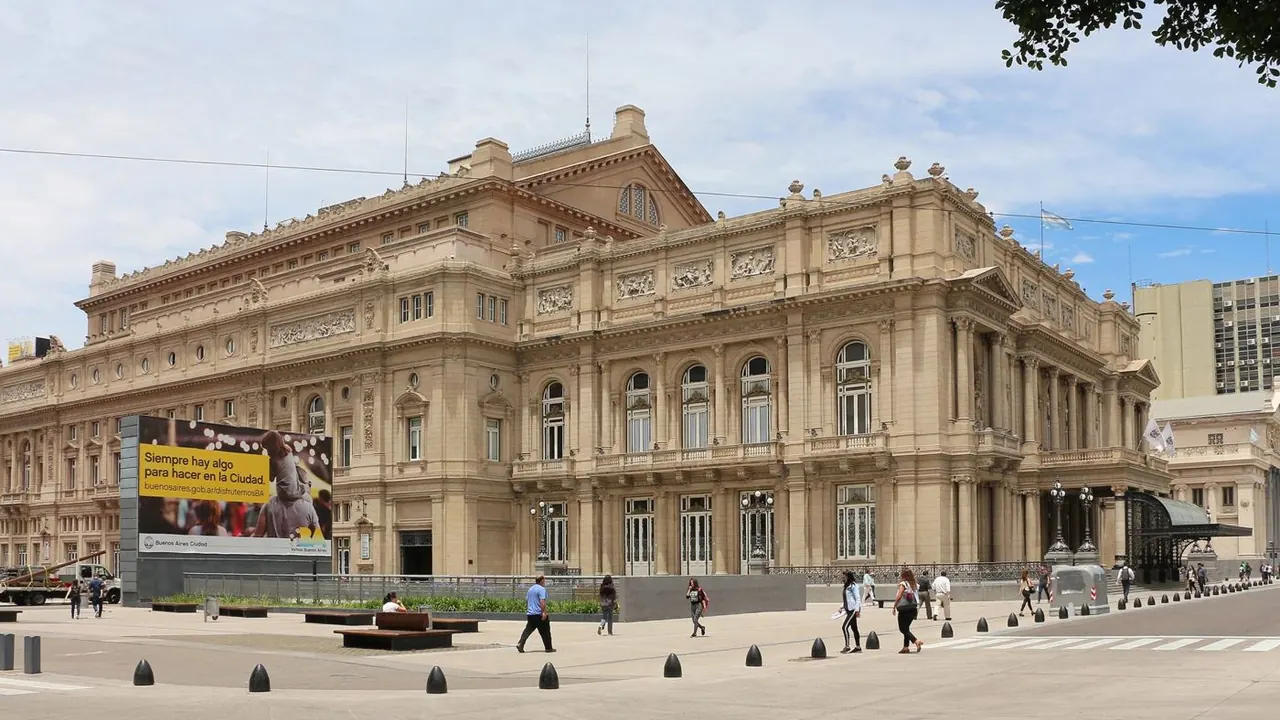
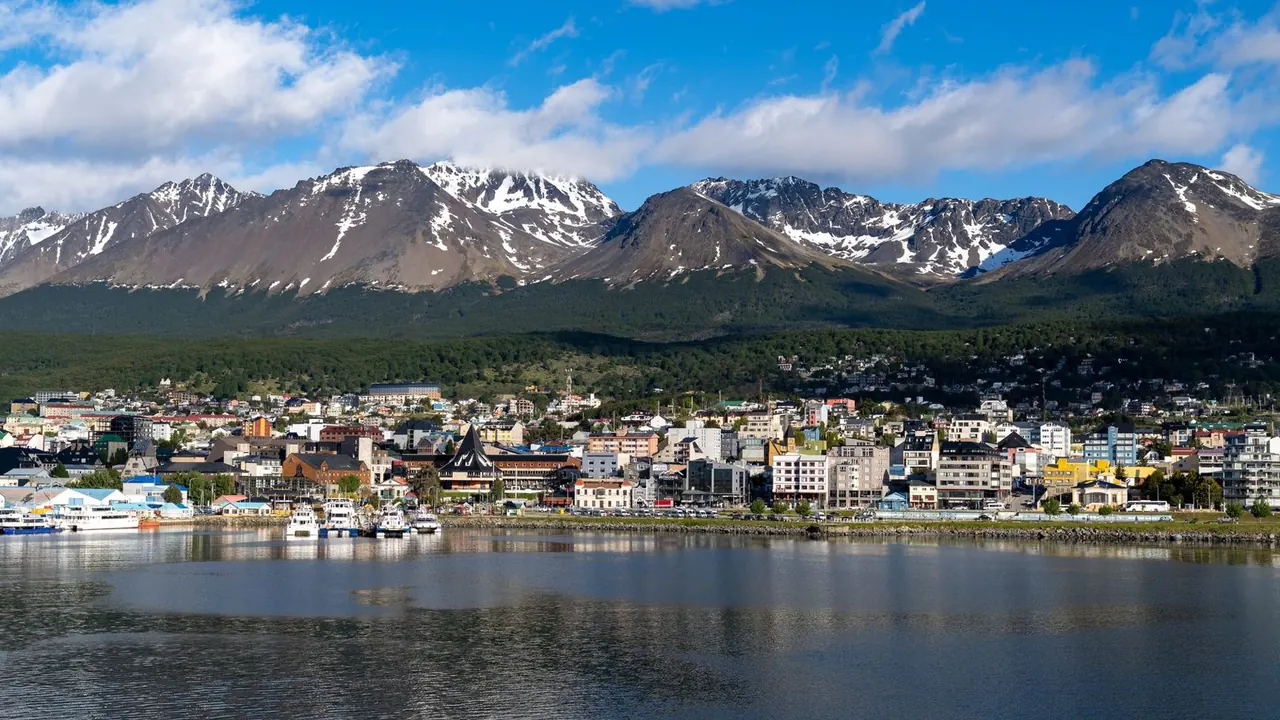
Photos: Buenos Aires by Bernard Gagnon, CC BY-SA 4.0, cropped; Ushuaia by Jan Tang, Pexels License.
Buenos Aires or Ushuaia?
Our verdict in twelve categories, each scored against the same fixed benchmark cities, and the climate month by month, so you can choose for your trip.
Choose Buenos Aires for
- nightlife
- live music and the arts
- culture and sights
Buenos Aires is the choice for a city trip in the full sense. You can take long walks along Parisian-style boulevards in Recoleta and San Telmo, eat a late dinner at a neighbourhood parrilla, spend an evening at the Teatro Colón or a milonga, and stay out until sunrise. It suits travellers who want streets, food, music and people rather than scenery, and who are happy to spend their days in town.
Choose Ushuaia for
- nature and the outdoors
Ushuaia is for people who travel to be outdoors. The mountains, the glacier and the Beagle Channel begin at the edge of a small town. There are trails in Tierra del Fuego National Park, boat trips past sea lions and penguins, and skiing at Cerro Castor in winter. Evenings are quiet and the town itself has little to see, so it rewards walkers, wildlife watchers and those heading on to Antarctica rather than anyone looking for a lively city.
Scoreboard
Twelve categories on one fixed scale from 0 to 100. The shaded stretch is the gap between the two.
Your match
Pick a travel style or drag the sliders, and both match scores follow your weighting.
Wins on nightlife and live music and the arts with your weighting.
Wins on nature and the outdoors with your weighting.
What matters to you?
Category by category
What the scores mean for a trip.
Beaches & swimming
Neither city is a place to swim. Buenos Aires looks out on the silty brown Rio de la Plata, where the Costanera is for strolling and lying on the grass, and the Atlantic beaches at Mar del Plata need a trip of their own. In Ushuaia the Beagle Channel is so cold that going in means a polar plunge off a shore of rock and kelp.
What differs is what you do instead. In Buenos Aires the hot summers send you to a hotel or club pool. In Ushuaia the water is something to travel on, from the deck of a boat on the channel.
Food & drink
Buenos Aires is the stronger place to eat, for depth and quality rather than breadth. Neighbourhood parrillas grill offal, chorizo and every cut of beef over wood and charcoal, the Italian heritage brings thick pizza by the slice, fresh pasta and serious ice cream, and the grand coffee houses of Avenida de Mayo reward an hour's lingering. Palermo adds ambitious modern kitchens and wine bars, but once you step outside beef, pasta and pastry the choice thins quickly.
Ushuaia is narrower still, though what it does well belongs to the far south: centolla king crab, toothfish and mussels from the cold channel, and lamb roasted whole on iron crosses. A few dinners built around those will stay with you, but there is little street food and no market culture, and the menus soon start repeating each other.
Culture & sights
Buenos Aires is a city to explore on foot for days. You can walk from the Casa Rosada along Avenida de Mayo, wander the marble lanes of Recoleta Cemetery, the colonial streets of San Telmo and Caminito in La Boca, and fit in museums such as MALBA and the Bellas Artes.
Ushuaia has one real sight, the former penal colony with its Maritime Museum and exhibits on Antarctic exploration, along with small museums on the Yámana and the town's pioneer history. A day is enough to see it all, because here the landscape is the point.
Nightlife
This is where the two cities are furthest apart. Buenos Aires runs late every night. Palermo has hidden cocktail bars and rooftop terraces, there are electronic clubs that open at two and close after sunrise, and tango milongas in San Telmo and beyond go on into the small hours.
In Ushuaia an evening means a long dinner and a craft beer in a brewpub, with a casino for anyone still restless. Most visitors are up early for a boat trip or a trek, and that suits the pace of the town.
Nature & outdoors
Ushuaia is the one for scenery. The Martial mountains rise straight behind the town, trails climb to the Martial Glacier and Laguna Esmeralda, the beech forests of Tierra del Fuego National Park are a short drive west, and boats on the Beagle Channel pass sea lions, cormorants and penguins. In winter the same valleys are used for skiing and dog-sledding.
Buenos Aires sits on the flat pampas beside a wide river. Outdoors there means jogging loops in the Bosques de Palermo, birdwatching in the Costanera Sur wetland and a day on the channels of the Paraná Delta. These are pleasant breaks from the city, not a reason to make the trip.
Day trips
Buenos Aires has far more within reach. A ferry across the river takes you to the cobbled UNESCO old town of Colonia del Sacramento in Uruguay. Tigre, the gaucho town of San Antonio de Areco, the basilica at Luján and the planned city of La Plata all make easy days out.
From Ushuaia the choice is short: Estancia Harberton with its marine mammal museum, the lakeside village of Tolhuin on the way to Lago Fagnano, or a boat across to Puerto Williams in Chile. Most excursions here head into wild country rather than to other towns.
Good for families
Buenos Aires gives families more to fill the days. Palermo's parks have lakes, pedal boats and the planetarium, the Museo de los Niños covers rainy afternoons, and Temaikèn and the amusement park at Tigre are outside town. The cost is long distances, heavy traffic, broken pavements and very late dinners.
Ushuaia is the opposite: small, safe and easy to manage, with penguins seen from a boat, the steam train into the national park and snow in winter. There is no zoo or theme park, though, and the cold, wind and rain wear young children down.
Getting around
Buenos Aires is easier for a visitor without a car. The Subte and the colectivo buses, both on one card, link most of the places you will want to reach, and taxis and ride-hailing fill the gaps. The neighbourhoods are far apart, though, and the Subte does not reach La Boca.
Ushuaia's waterfront centre is small and easy to walk, although the streets uphill are steep and can be icy in winter, and the boats leave from the pier in the centre. The difficulty is everything beyond it: the national park, the glacier trailhead and the ski area all need a shuttle, taxi, tour or hire car.
Shopping & style
Buenos Aires is a real shopping city. There are leather jackets, bags and shoes from the workshops of Villa Crespo, designer stores in Palermo Soho, boutiques on Avenida Alvear, and the Sunday antiques fair along Calle Defensa in San Telmo, so there is plenty to browse.
Ushuaia's main street sells penguin souvenirs, chocolate and wool, and its outdoor shops are handy for a forgotten fleece. Tierra del Fuego's special tax regime makes some goods cheaper than elsewhere in Argentina, but there is no fashion or market scene.
Affordability
Your money usually goes further in Buenos Aires. Cheap public transport, generous neighbourhood parrillas and pizzerias and inexpensive wine make up for the European-level prices in Palermo and Puerto Madero. Argentina's currency has a long history of sharp swings, so check the exchange situation before you travel.
Ushuaia is expensive by Argentine standards. Goods come a long way, and the cruise and Antarctic traffic push up the cost of rooms, while boat trips, guided treks, park entry and taxis to the trailheads soon add up. Rooms are easier on the budget in spring or autumn.
Live music & performing arts
Buenos Aires has a full programme of live performance. The Teatro Colón stages opera, ballet and symphony concerts, and Avenida Corrientes and a large independent scene keep the theatres busy. Tango is everywhere, from dinner shows to neighbourhood milongas with live orchestras, alongside folk peñas, jazz and rock.
Ushuaia has a cultural centre with occasional concerts and the odd pub with live music, but nothing regular to plan an evening around.
Wellness & relaxation
Neither city has a bathing tradition, and in both, wellness comes down to hotel spas. What differs is the mood. Buenos Aires is loud and intense, and rest there comes from lingering, whether over a long coffee or a sobremesa that takes up the afternoon, with Sunday mornings as the quiet hours.
Ushuaia offers quiet itself once the cruise passengers have left. Its spa hotels in the forest look out over the channel, and the simple routine of a long walk, then an afternoon watching the weather roll over the mountains, is restful in a way the capital cannot match.
When should you go?
Pick your month. The climate figures are measured averages, not a forecast.
Buenos Aires in July
Ushuaia in July
Daytime high, °C
Rainfall in the month, mm
Temperature and rainfall are climate normals, averaged over the years shown. Buenos Aires: 1991-2020 normals, Aeroparque Bs. As. Aerodrome (4.9 km from centre). Ushuaia: 1991-2020 normals, Ushuaia Aerodrome (1 km from centre).
Buenos Aires has warm summers and mild winters. December to February is hot, around 29°C in January, which is also the wettest month at about 135mm, so summer sightseeing comes with heat and heavy downpours. The most comfortable months for walking the neighbourhoods are March and April, and again October and November, when days sit in the low to mid twenties. June to August is cool, dry and less sunny, and still fine for museums and long afternoons in cafés.
Ushuaia's year works the other way round. Even from December to February the days barely pass 14°C, but they are long and fairly sunny, which makes this the season for hiking and boat trips. From June to August highs stay around 4°C, the days are short and dim and snow settles in the valleys, and this is when skiing and dog-sledding take over. Rain is moderate all year and it is never warm, so pack layers whatever the month.
Which traveller are you?
On a culture and arts trip, Buenos Aires is the clear pick. It has the Teatro Colón, the theatres of Avenida Corrientes, MALBA and the Bellas Artes, and whole districts of grand architecture. Ushuaia has the old prison museum and little else to fill a second day.
For an outdoors trip, Ushuaia wins outright. Hikes to the glacier and the lagoon start from town, the national park is a short drive away, boats reach the sea lion and penguin colonies, and winter brings skiing. Buenos Aires is flat, with city parks and the Tigre delta.
On a food and nightlife trip, choose Buenos Aires. Parrillas, Italian-style pizza and ice cream, Malbec and grand old cafés lead into bars that fill at midnight and clubs that run until dawn. Ushuaia offers excellent king crab and lamb, followed by a quiet pint in a brewpub.
Before you go
| Measure | Buenos Aires | Ushuaia |
|---|---|---|
| Official language | Spanish | Spanish |
| Currency | Argentine Peso (ARS) | Argentine Peso (ARS) |
| Sockets | CI220 V, 50 Hz | CI220 V, 50 Hz |
| Driving side | Left | Left |
| Time zone | UTC-3 | UTC-3 |
| Emergency number | 117 or 911 | 117 or 911 |
| Elevation | 25 m | 23 m |
| Main airport | Ezeiza International Airport - Ministro Pistarini (EZE)28 km from centre48 non-stop destinations | Ushuaia - Malvinas Argentinas International Airport (USH)4 km from centre9 non-stop destinations |
| Public holidays this year | 16 days | 16 days |
By the numbers
| Measure | Buenos Aires | Ushuaia |
|---|---|---|
| City population | 3,121,707 | 82,615 |
| People per km² | 15,355 | 3,592 |
| Museums within 10 km | 76 | 5 |
| UNESCO World Heritage sites within 50 km | 1 | 0 |
| Swim season, months above 21 °C | 4 months | - |
Where else could you go?
Every comparison below shares a destination with this one, so you can follow Buenos Aires or Ushuaia somewhere new.