Cairo or Dubai?
Two destinations compared in twelve categories, each scored against the same fixed benchmark cities. Weight what matters to you and the verdict follows.
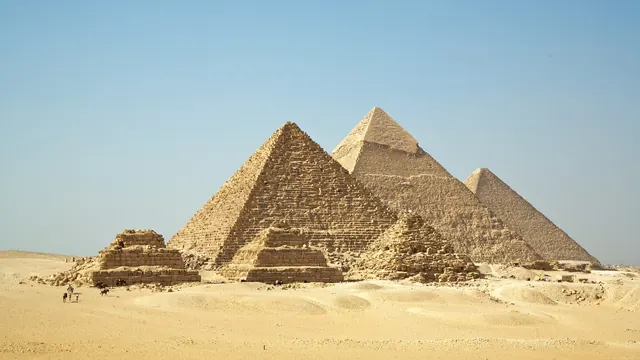
Photo: Ricardo Liberato, CC BY-SA 2.0, cropped
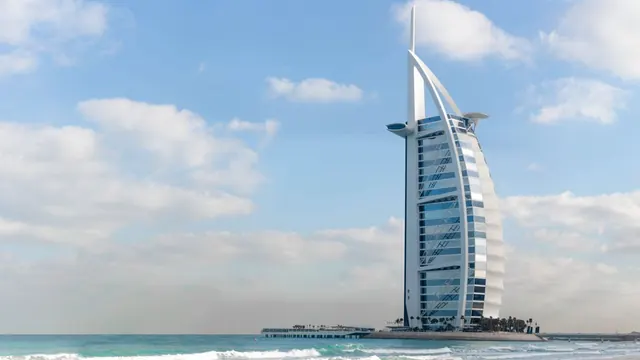
Photo: Aleksandar Pasaric, Pexels License
Your match
Wins on prices and culture and sights with your weighting.
Wins on beaches and families with your weighting.
What matters to you?
Pick a travel style or drag the sliders. The match scores above update as you do.
The verdict
Cairo is for travellers who come to see things. The pyramids at Giza, the great museums of pharaonic treasure and the medieval streets of Islamic Cairo add up to more history than one trip can take in, and the city is very cheap. It pays off best for people who can take noise, traffic and touts in their stride.
For sun, sand and an easy stay, Dubai is the better choice. Its calm Gulf beaches, resort pools, theme parks and huge malls suit families and anyone who wants comfort in a very safe, well-run city. Expect to spend a lot more, though, and two or three days covers its sights.
Scoreboard
Our verdict on each category, scored 0 to 100 against fixed benchmark cities.
Category by category
What the scores mean for a trip to Cairo or Dubai.
Beaches & swimming1080
This is the widest gap between the two cities. Cairo has no beach at all. The Nile is not for swimming, and the Red Sea at Ain Sokhna, about 130km east, is lined with resorts and works as a weekend trip rather than an afternoon out. In town, a swim means a pool.
Dubai's whole coast is pale sand on calm, shallow water, from Jumeirah and Kite Beach to the JBR strip and the private resort beaches of Palm Jumeirah. The shore is engineered rather than wild, and the sand is too hot by mid-morning in summer, but for a beach vacation the choice is easy.
Food & drink6076
Cairo eats Egyptian, and cheaply: ful and taameya for breakfast, koshari for lunch, then feteer and grilled kofta, with the ahwa as the social centre of the day. The food is honest and filling, but the range is narrow and there is little fine dining.
Dubai has far more choice because it eats like the people who live there. There are Keralan, Pakistani, Afghan, Iranian and Filipino canteens in Deira and Karama, and celebrity-chef dining rooms and the Friday brunch at the top end. The odd thing is that Emirati cooking is the part you have to hunt for, while in Cairo the local food is everywhere.
Culture & sights9640
Cairo has some of the most famous heritage on earth. There are the pyramids and the Sphinx at Giza, Tutankhamun's treasures at the Grand Egyptian Museum, the royal mummies at Fustat, and the minarets and madrasas of Islamic Cairo along Al-Muizz Street, with Saladin's Citadel above them. A week barely does it justice.
Dubai's sights are mostly modern spectacle, such as the Burj Khalifa and the Museum of the Future. The wind-tower houses of Al Fahidi and the souks across the Creek give a smaller look at the old Gulf trading port. That makes a good two or three days rather than a cultural journey.
Nightlife4862
If a night out means drinking and dancing, Dubai has the bigger scene. It has DJ clubs, rooftop bars above Sheikh Zayed Road, beach clubs on the Palm and the long weekend brunch. All of it is inside hotels and licensed venues, and it is polished and very expensive.
Cairo stays up just as late, but on tea and shisha. The ahwas are packed, families stroll the Qasr el-Nil bridge, and Ramadan nights are the liveliest of the year. Its bar scene, mostly in Zamalek and on boats moored on the Nile, is small.
Nature & outdoors3025
Neither city is an outdoor destination. Both sit in the desert, and summer heat rules out most activity, so the difference is in the kind of outdoors on offer. Cairo's is the river and the past: a felucca on the Nile, the lawns of Al-Azhar Park and canyon hikes in Wadi Degla. Further out are the lakes of the Fayoum and the whale fossils of Wadi Al-Hitan.
Dubai's outdoors is the sea and the sand. You can kitesurf at Kite Beach, paddleboard along the Marina, or take a dune drive an hour inland, and the Hajar mountains around Hatta add kayaking and bike trails.
Day trips6645
Cairo has the stronger list, and much of it is more ancient Egypt. Saqqara's Step Pyramid, the often empty Bent and Red Pyramids at Dahshur and the ruins of Memphis are all close by. Further out are the Wadi Natrun monasteries, Alexandria and the Fayoum, though you usually need a driver or a tour.
From Dubai there are three good outings: Abu Dhabi for the Grand Mosque and the Louvre, Sharjah for its museums and heritage quarter, and the oases of Al Ain. After those, it is mostly desert and road.
Good for families3282
Dubai is much easier with children. It has Legoland and the other theme parks, water parks, the aquarium in the Dubai Mall, indoor snow, a calm shallow sea and resort kids' clubs. The city is very safe, and children are welcome in restaurants late into the evening.
Cairo gives children the pyramids, a camel ride and Tutankhamun's gold, and a warm welcome everywhere. Little else is built for them, though, and the traffic, broken pavements and touts make the days tiring. It works best with older children, in the cool season, with a private driver.
Getting around3542
Neither city is easy to get around, but Dubai is a little smoother. Its driverless metro runs from the airport through Downtown to the Marina and the old Creek, a tram and abras fill some gaps, and taxis are plentiful. The catch is that the city is 50km long, built for cars and too hot to walk for much of the year.
Cairo's metro is cheap but doesn't reach the pyramids, so most visitors use ride-hailing or a driver and sit in some of the heaviest traffic anywhere. Walking only really works in short stretches, in Zamalek, downtown or along Al-Muizz Street.
Shopping & style5882
Dubai is built for shopping. The Dubai Mall and the Mall of the Emirates carry almost every luxury and high-street brand, and the choice of watches and jewellery is especially deep. The Gold, spice and textile souks keep the older trade going, but nearly everything happens indoors.
Cairo's strength is craft rather than brands. Khan el-Khalili has traded since the fourteenth century, and nearby the appliqué of the Street of the Tentmakers and the coppersmiths' alley are made where they are sold. Haggling is expected, and so is patience.
Affordability9532
Cairo is one of the cheapest major cities a visitor can choose. Street food, transport and comfortable mid-range hotels cost very little. Only site entry for foreigners, alcohol and luxury Nile-view hotels push the bill up.
Dubai is expensive for most of what a visitor buys, from resorts and observation decks to hotel meals and some of the dearest drinks anywhere. Deira's canteens, the metro and lower summer hotel rates help, but the same number of days costs far more than in Cairo.
Live music & performing arts5040
Cairo has more home-grown performance. The Opera House on Gezira Island has a resident symphony orchestra and ballet company. The tanoura, the whirling Sufi dance with live music in the Wikala of al-Ghouri, is a sight few cities can match, and zar music and Arabic song add to it.
Dubai imports most of its programme: touring opera, ballet and musicals at the dhow-shaped Dubai Opera, and big pop tours at the arena. The shows are reliable, but there is little local performance to come across by chance.
Wellness & relaxation1546
Dubai is the better place to rest, though mainly in one way. The resort spas on Palm Jumeirah and the Jumeirah coast offer hammam rituals, hydrotherapy and long massage menus, and desert retreats an hour inland add real silence.
Cairo rarely lets you switch off. The noise and dust hardly stop, and the old hammams have mostly fallen out of use. Calm comes from a hotel spa or a historic courtyard, which is why many visitors end with a few days on the Red Sea.
Which traveller are you?
On a beach and sun trip, Dubai is the clear pick. Long sandy shores, a calm shallow sea and private resort beaches are right on the doorstep. In Cairo a swim means a hotel pool, or a drive of a couple of hours to the Red Sea.
For a culture and arts trip, Cairo is in another league. Giza, the great museums, Islamic Cairo and Coptic Cairo fill many days, and the Opera House and the tanoura dancers fill the evenings. Dubai's modern landmarks and Creek heritage take two or three days.
On a trip on a tight budget, Cairo makes money go much further. Street food, the metro, ride-hailing and mid-range hotels cost very little. In Dubai, hotels, attractions and alcohol are dear, and the savings come mainly from Deira's canteens and summer hotel rates.
When should you go?
Pick the month you can travel and see both cities side by side. The climate figures are measured averages, not a forecast.
| July | Cairo | Dubai |
|---|---|---|
| Daytime high | 36 °C | 42 °C |
| Night-time low | 23 °C | 33 °C |
| Rainfall in the month | 0 mm | 0 mm |
| Sunshine | 12 hours a day | No figure |
| Sea temperature | No sea | 33 °C |
| Daylight | 14 hours a day | 14 hours a day |
Both cities are dry and hot, and both are at their best in the cooler half of the year. Cairo is most pleasant from November to March, when days are mild, around 19°C in January, and good for long hours at the pyramids and in the old city. October and April are warm but still fine. From May to September the heat climbs to around 36°C under almost constant sunshine, so sightseeing has to happen early and late. Rain barely registers in any month.
Dubai is several degrees warmer all year, and its beach season changes as it goes. November is still hot by day, with the sea at a warm 28°C. From December to February the days settle in the mid-twenties, the sea cools to about 23°C, and the city's few showers fall. By March the air is warming again. From May to September highs reach the low forties and the Gulf turns as warm as a bath, so life moves indoors and beach time shrinks to early mornings and evenings.
The whole year
Each row is shaded against that destination’s own year, so the deepest cell is its best month for that figure and the palest its weakest. Shades are not comparable between the two rows.
Temperature and rainfall are climate normals, averaged over the years shown. Cairo: 1991-2020 normals, Helwan (21.9 km from centre). Dubai: 1991-2020 normals, Dubai International Airport (3.3 km from centre).
Getting there
| Flying from | Cairo | Dubai |
|---|---|---|
| RiyadhRUH | 2 h 35 m €154-163 CAI · 17 km | 1 h 40 m €106-123 1 stop DXB · 7 km |
| JeddahJED | 2 h 5 m €158-202 CAI · 17 km | 2 h 40 m €154-180 1 stop DXB · 7 km |
| Kuwait CityKWI | 2 h 35 m €137-145 CAI · 17 km | 1 h 40 m €129-158 DXB · 7 km |
| IstanbulIST, SAW | 2 h 10 m €154-167 CAI · 17 km | 4 h 15 m €175-294 DXB · 7 km |
| LondonLHR, LGW, STN, LTN +2 | 4 h 50 m €240-288 CAI · 17 km | 7 h 10 m €226-241 DXB · 7 km |
| MilanMXP, BGY, LIN | 3 h 45 m €147-173 CAI · 17 km | 6 h 10 m no fares DXB · 7 km |
| AmmanAMM, ADJ | 1 h 15 m €279-285 CAI · 17 km | 3 h 5 m €180-198 DXB · 7 km |
| PraguePRG | 3 h 45 m €271-316 1 stop CAI · 17 km | 5 h 55 m €275-303 1 stop DXB · 7 km |
| New YorkJFK, EWR, LGA | 11 h 15 m €624-1013 1 stop CAI · 17 km | 13 h 35 m €476-487 DXB · 7 km |
| BeijingPEK, PKX | 9 h 30 m €644-746 1 stop CAI · 17 km | 7 h 35 m no fares DXB · 7 km |
The busiest departure cities for these two, with a place kept for each other part of the world. Busiest means arriving passengers where an official count exists, and where none does, the number of non-stop services flown: official route statistics are published by the European reporting countries and by nobody else, so a table ranked on them alone would offer a reader in New York or Tokyo ten European cities. Flying times are estimated from the distance between airports, and every row is a city flown non-stop to both. Where the typical offer connects anyway, the stops are shown. Under each figure is the airport the flight lands at and how far that is from the centre, because the nearest airport is not always the one a route is flown to. Where both columns name the same airport it is one flight, and the difference between the two is the distance printed beside it. Typical return fares for 2026-10 to 2026-12, cached market data up to 7 days old. The figure is the middle half of the offers found, so a single price means they agreed and a range means they did not; for a typical route that middle half spans about a quarter of the median, and for the least settled routes rather more than the median itself.
Before you go
| Measure | Cairo | Dubai |
|---|---|---|
| Official language | Arabic | Arabic |
| Currency | Egyptian Pound (EGP) | UAE Dirham (AED) |
| Sockets | CF220 V, 50 Hz | CG220 V, 50 Hz |
| Driving side | Right | Right |
| Time zone | UTC+2, UTC+3 in summer | UTC+4 |
| Emergency number | Police 122, ambulance 123, fire 180 | 112 |
| Elevation | 23 m | 0 m |
| Main airport | Cairo International Airport (CAI)17 km from centre127 non-stop destinations | Dubai International Airport (DXB)7 km from centre294 non-stop destinations |
| Public holidays this year | 15 days | - |
By the numbers
| Measure | Cairo | Dubai |
|---|---|---|
| City population | 9,801,536 | 3,944,751 |
| People per km² | 18,564 | - |
| Museums within 10 km | 48 | 14 |
| UNESCO World Heritage sites within 50 km | 2 | 0 |
| Swim season, months above 21 °C | - | 12 months |
Where else could you go?
Every comparison below shares a destination with this one, so you can follow Cairo or Dubai somewhere new.