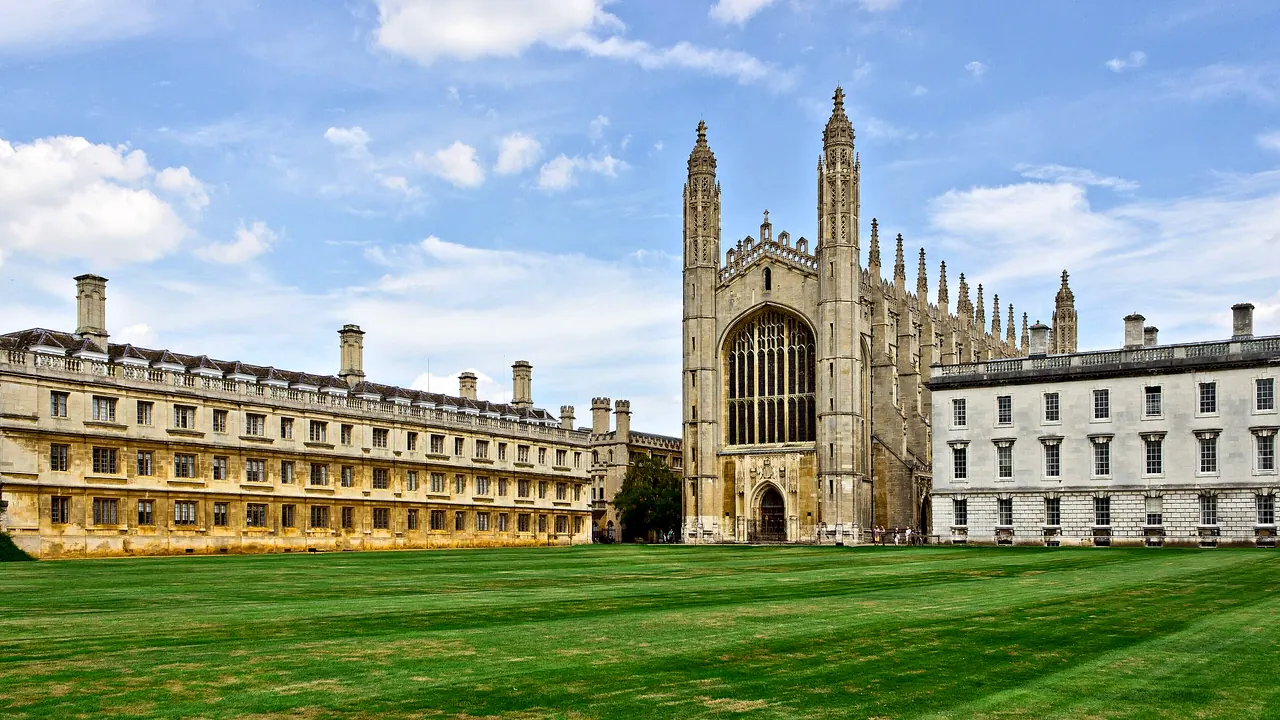
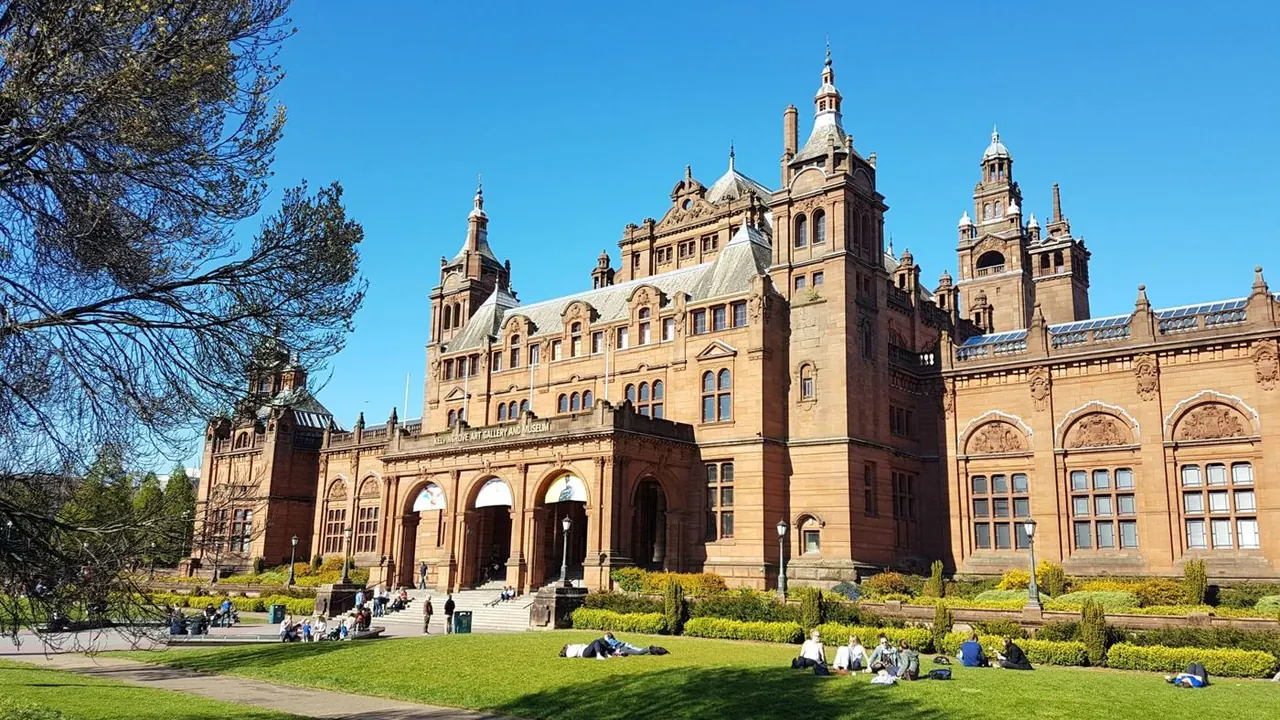
Photos: Cambridge by Dmitry Tonkonog, CC BY-SA 3.0, cropped; Glasgow by Stinglehammer, CC BY-SA 4.0, cropped.
Cambridge or Glasgow?
Our verdict in twelve categories, each scored against the same fixed benchmark cities, and the climate month by month, so you can choose for your trip.
Choose Cambridge for
- wellness
- culture and sights
- getting around
Cambridge suits a quieter, more contemplative trip built around old buildings and gentle river days. Its compact college core, King's College Chapel, the Fitzwilliam and choral evensong reward a visitor who likes to walk, look and listen, and London, Ely and the Suffolk wool towns are all within easy reach. Expect to pay well for a room and to finish most evenings in a pub rather than a club.
Choose Glasgow for
- nature and the outdoors
- nightlife
- shopping
Glasgow is the better pick for a livelier, cheaper and more outdoorsy break. It has the stronger music scene, the bigger nights out, the better shopping and more varied eating, and its great civic museums cost nothing to enter. Loch Lomond, the Trossachs and the start of the West Highland Way are close by. The price is rain, and plenty of it, so pack waterproofs whatever the season.
Scoreboard
Twelve categories on one fixed scale from 0 to 100. The shaded stretch is the gap between the two.
Your match
Pick a travel style or drag the sliders, and both match scores follow your weighting.
Wins on wellness and culture and sights with your weighting.
Wins on nature and the outdoors and nightlife with your weighting.
What matters to you?
Category by category
What the scores mean for a trip.
Beaches & swimming
Neither city is anywhere to go for a beach, but Glasgow has slightly easier access to the sea. Largs, Troon and Ayr on the Firth of Clyde are about an hour by train, with promenades and views to Arran, though the water is cold and best enjoyed from the shore with fish and chips.
From Cambridge the Norfolk and Suffolk coast is a longer drive of around an hour and a half. Swimming instead means the Jesus Green Lido or the river at Grantchester Meadows, a pleasant hot-day option that Glasgow does not really match.
Food & drink
Glasgow eats better and more variedly. Its curry houses, Italian-rooted cafés and chip shops, Finnieston's modern Scottish cooking on west coast seafood and Highland beef, and the neighbourhood restaurants of the South Side give a visitor real choices, as long as they avoid the chains in the centre.
Cambridge is more limited: old pubs with ales and Sunday roasts, street food on Market Hill, tea rooms for scones and a run of Asian and Mediterranean places on Mill Road. It is comfortable eating, and a few days exhausts it.
Culture & sights
Cambridge has the more remarkable historic core. Eight centuries of colleges line the Backs, and King's College Chapel, Trinity's Great Court and the Wren Library form a concentration of architecture Glasgow cannot match, with the Fitzwilliam and the smaller university museums adding depth. Some colleges charge entry and close around exams.
Glasgow's appeal is broader Victorian grandeur and a single designer's stamp, Mackintosh, alongside the free Kelvingrove and the Burrell Collection. It is rich and rewarding, but it has no landmark with the fame of King's Chapel.
Nightlife
For going out, Glasgow is in a different league. Cocktail bars in the Merchant City, late bars and clubs off Sauchiehall Street, a busy West End around Ashton Lane, and basement techno and house nights that draw DJs from across Europe make for hard, loud nights until the clubs shut around 3am.
Cambridge is a pub town in the evening, at its best in summer by the river or in the bars of Mill Road and Regent Street. Its small student clubs fade outside term, and anyone wanting more takes the train to London.
Nature & outdoors
Glasgow sits on the threshold of the Highlands, and that is a big advantage. Loch Lomond with Ben Lomond and Conic Hill above it, the wooded glens of the Trossachs, the Campsie Fells and the West Highland Way from Milngavie are all within an hour, and Arran's Goatfell is a ferry ride away.
Cambridge's countryside is flat fenland under wide skies. Punting through the Backs, the meadow path to Grantchester and the birds and wild ponies of Wicken Fen are lovely in a quiet way, but there is no real high ground to climb.
Day trips
Both make excellent bases, and each has a major capital-scale city under an hour away: London from Cambridge, Edinburgh from Glasgow. The difference is the flavour of the rest of the list.
Cambridge leads to cathedrals and English country towns, with Ely, Norwich, Peterborough, timber-framed Lavenham and grand estates like Audley End. Glasgow's trips are more Scottish history and scenery: Stirling Castle, Linlithgow Palace, New Lanark by the Falls of Clyde, Culzean's clifftop and island ferries to Bute and Arran.
Good for families
The two are about equally good with children, but the days look different. Cambridge is small, flat and safe, with punting, the free zoology and Sedgwick museums and the historic aircraft at Duxford as its standout outing.
Glasgow's strength is its big, hands-on free museums: the Riverside Museum's trams and tall ship, the Spitfire at Kelvingrove and the Science Centre, which are handy on the many wet days. Its steep central streets are harder work with a buggy.
Getting around
Cambridge is a little easier, simply because almost everything is a short, level walk or bike ride away in a largely pedestrian centre. The station is a fair walk out, and the country estates are easier with a car.
Glasgow is bigger and hillier, so you will use transport more. The small circular Subway helps for the West End and Govan, and the suburban rail network is good for the coast and day trips, but buses run by several companies with separate fares can confuse visitors.
Shopping & style
Glasgow is the much stronger shopping city. The pedestrian loop of Buchanan, Sauchiehall and Argyle Streets holds the big names and department stores, Princes Square and the jewellers of the Argyll Arcade add polish, and the West End and the Barras market bring vintage and character.
Cambridge shops on a smaller scale, and its real speciality is books, from academic booksellers to second-hand dealers in the lanes, plus the daily market on Market Hill. It fits round sightseeing rather than filling a day.
Affordability
Glasgow is noticeably easier on the wallet. Hotels are cheaper than in many big British cities except when a major concert or match is on, curry houses and pub lunches keep meals reasonable, and Kelvingrove, the Burrell and the Riverside Museum are all free.
Cambridge's tight hotel supply makes rooms expensive, especially in summer, and eating out is priced like the wealthy south-east. Free museums and evensong help, and an out-of-term college room is the best saving where available.
Live music & performing arts
Glasgow has much more on stage. Its gig circuit runs from the neon-signed Barrowland Ballroom to small famous rooms and riverside arenas, Celtic Connections fills the winter, and Scottish Opera, Scottish Ballet and two national orchestras are based in the city.
Cambridge's gift is narrower but special: choral evensong sung by the King's, St John's and Trinity choirs in candlelit chapels. Add the Arts Theatre, student comedy in the Footlights tradition and the summer Folk Festival, but no opera house or major resident orchestra.
Wellness & relaxation
Neither city has a real spa culture, but Cambridge is the more restful place to be. An afternoon in a punt, a quiet bench in the Botanic Garden or a meadow walk to tea in Grantchester gives a slower pace, as long as you avoid King's Parade at the height of summer.
Glasgow is loud by nature. Its Victorian Turkish baths in the West End are mostly for members, so unwinding usually means a hotel spa or heading out to the lochs.
When should you go?
Pick your month. The climate figures are measured averages, not a forecast.
Cambridge in July
Glasgow in July
Daytime high, °C
Rainfall in the month, mm
Where the figures come from
Cambridge's temperatures are measured 59 km from the centre, at Wattisham.
Cambridge has no rain gauge within 25 km of the centre, so its rainfall comes from a gridded climate dataset read at the city rather than from a gauge further away.
Glasgow has no rain gauge within 25 km of the centre, so its rainfall comes from a gridded climate dataset read at the city rather than from a gauge further away.
Glasgow's sunshine is measured 57 km from the centre, at Edinburgh Airport.
Temperature and rainfall are climate normals, averaged over the years shown. Cambridge: 1991-2020 normals, Wattisham (58.5 km from centre). Glasgow: 1991-2020 (sunshine 1981-2010) normals, Glasgow Airport (11.5 km from centre).
Cambridge is the warmer and much drier of the two. From May to September it is pleasant for walking, punting and sitting by the river, with July and August reaching about 22°C and late spring the sunniest stretch. Rain is modest all year and spread evenly, so winter is grey and cool rather than wet. December to February are short and chilly but still fine for museums and chapels.
Glasgow runs a few degrees cooler and is far wetter, with winter months bringing well over 130mm of rain and very little sun. Its best window is late spring to midsummer: April and May are the driest months and May the sunniest, which suits Loch Lomond and the hills. July and August peak at only about 19°C, and the Clyde sea stays near 15°C even then, too cold for most swimmers. From October the rain returns heavily.
Which traveller are you?
On an outdoors trip, Glasgow is the clear choice. Loch Lomond, Ben Lomond, the Trossachs and the West Highland Way are all close, and ferries reach rugged Arran, while Cambridge offers only flat fen walks, cycling and punting.
For a food and nightlife trip, Glasgow wins again. Curry houses, Finnieston's seafood and game, whisky-heavy pubs, late bars and a respected underground techno scene easily outdo Cambridge, where the evening means an old pub and a student-led club scene.
For a short city break, Cambridge works beautifully. The colleges, King's Chapel, the Fitzwilliam and the river sit together in a flat, walkable centre, so two or three days on foot or by bike cover it without needing any transport.
Before you go
| Measure | Cambridge | Glasgow |
|---|---|---|
| Official language | English | English |
| Currency | Pound Sterling (GBP) | Pound Sterling (GBP) |
| Sockets | G230 V, 50 Hz | G230 V, 50 Hz |
| Driving side | Left | Left |
| Time zone | UTC, UTC+1 in summer | UTC, UTC+1 in summer |
| Emergency number | 112 or 999 | 112 or 999 |
| Elevation | 6 m | 21 m |
| Main airport | London Stansted Airport (STN)37 km from centre197 non-stop destinations | Glasgow Airport (GLA)11 km from centre95 non-stop destinations |
| Public holidays this year | 8 days | 10 days |
By the numbers
| Measure | Cambridge | Glasgow |
|---|---|---|
| City population | 123,867 | 626,410 |
| People per km² | 3,043 | 190 |
| Museums within 10 km | 17 | 29 |
| UNESCO World Heritage sites within 50 km | 0 | 2 |
| Swim season, months above 21 °C | - | None |
Where else could you go?
Every comparison below shares a destination with this one, so you can follow Cambridge or Glasgow somewhere new.
- Edinburghvs Glasgow
- Londonvs Cambridge
- St Andrewsvs Glasgow
- Oxfordvs Cambridge
- Brightonvs Cambridge
- Belfastvs Glasgow