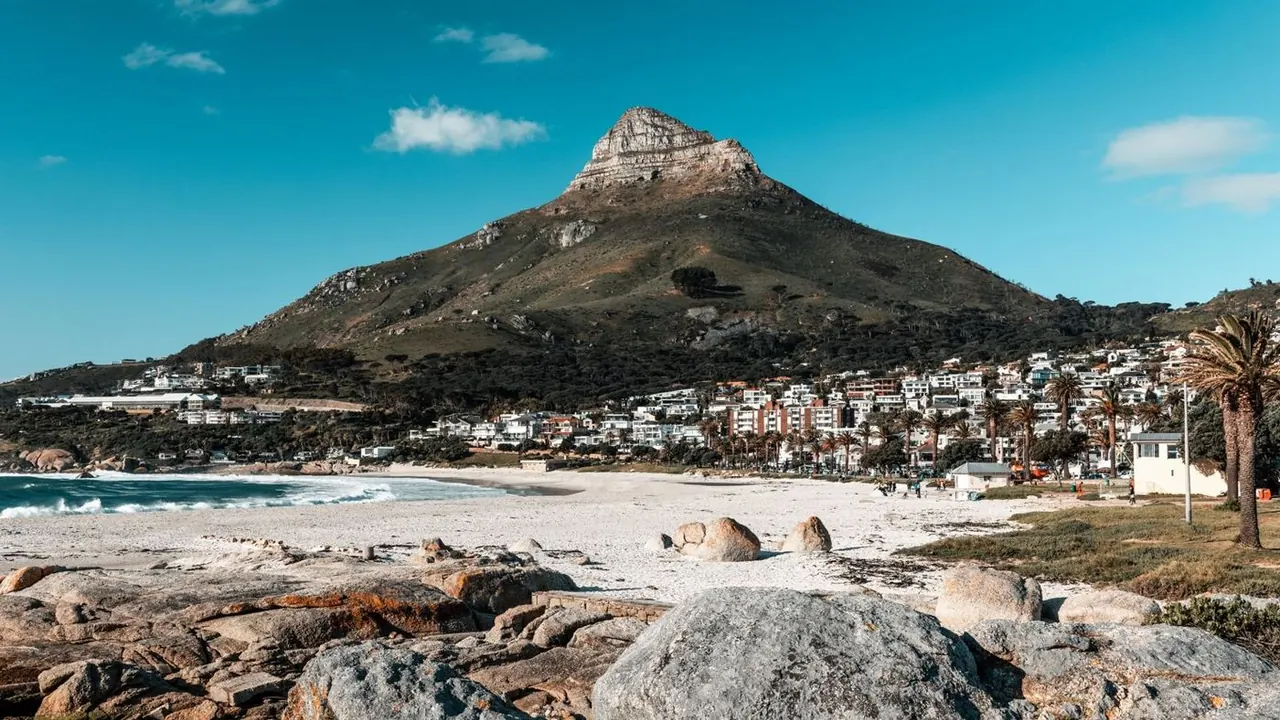
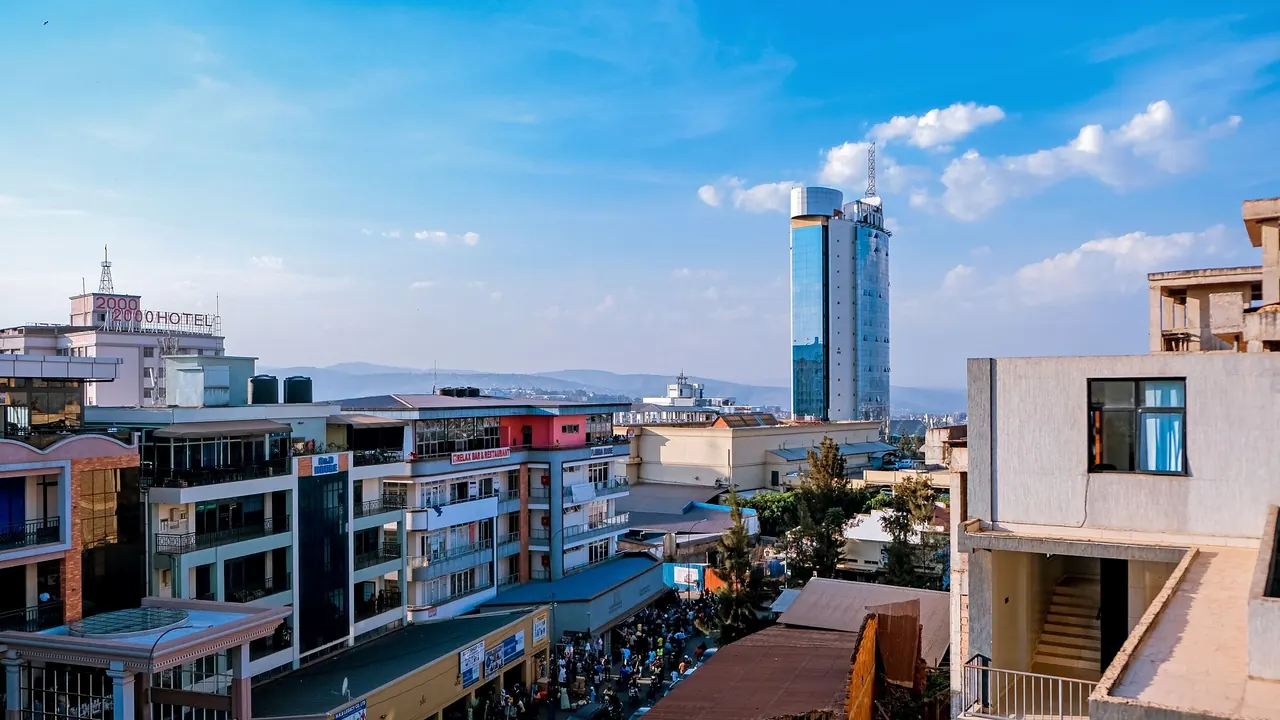
Photos: Cape Town by Stephan Louis, Pexels License; Kigali by Jax pexels, Pexels License.
Cape Town or Kigali?
Our verdict in twelve categories, each scored against the same fixed benchmark cities, and the climate month by month, so you can choose for your trip.
Choose Cape Town for
- beaches
- nature and the outdoors
- day trips
Cape Town suits a traveller who wants a lot from one base: mountain hikes and wildlife on the doorstep, summer beaches, serious restaurants, wine country less than an hour away and nights out to match. You need a car and some street sense, but it rewards a week or more.
Choose Kigali for
- getting around
Kigali is the better pick when the trip is really about Rwanda. It is a calm, clean and orderly capital where the Genocide Memorial explains the country and the coffee is excellent. Two or three days there are enough before you head on to Akagera or the gorilla volcanoes. Treat it as a gateway rather than a destination in its own right.
Scoreboard
Twelve categories on one fixed scale from 0 to 100. The shaded stretch is the gap between the two.
Your match
Pick a travel style or drag the sliders, and both match scores follow your weighting.
Wins on beaches and nature and the outdoors with your weighting.
Wins on getting around with your weighting.
What matters to you?
Category by category
What the scores mean for a trip.
Beaches & swimming
On beaches the gap between the two is about as wide as it gets. Cape Town has two coastlines. On the Atlantic side are the white-sand coves of Clifton and Camps Bay below the Twelve Apostles, where the cold water makes swimming a quick plunge. On the other side is False Bay, where Muizenberg, St James and Boulders warm up enough in summer for proper swims, with penguins on the sand.
Kigali is landlocked, and a swim in town means a hotel pool. Lake Muhazi, an hour away, is a place for lunch and a boat trip rather than a day on the sand. The real lake beaches, at Rubavu on Lake Kivu, are a three-hour drive and best done as an overnight trip.
Food & drink
Cape Town gives a food lover far more to work with. There are Cape Malay curries and bobotie from the Bo-Kaap, line fish at the harbours of Kalk Bay and Hout Bay, and ambitious tasting menus on Bree Street and in Woodstock. Wine estates less than an hour away fill the wine lists.
Kigali eats simply: lunchtime buffets of beans, plantain and isombe, and evenings of goat brochettes and cold beer in open-air bars. Its strong point is highland coffee, brewed with care in Kiyovu and Kacyiru. The international community also supports good Ethiopian and Indian cooking, but there is little fine dining.
Culture & sights
The main sights of both cities deal with painful recent history, but Cape Town has more to see and more layers to it. Robben Island, the District Six Museum and the Castle of Good Hope cover both apartheid and the Dutch colonial era. With the museums around the Company's Garden, the Bo-Kaap and Zeitz MOCAA, there is enough for three or four days.
In Kigali, the Genocide Memorial at Gisozi is essential and does more than anything else to explain the country. The Campaign Against Genocide Museum and Kandt House add to it. Beyond these and the contemporary galleries in Kacyiru and Kimihurura, the young capital has no old town, and two or three days are enough.
Nightlife
Cape Town has more nights out and more variety. You can choose between Long Street's backpacker bars, the cocktail and wine bars of Bree and Kloof Streets and the gay quarter of De Waterkant. In summer there are sundowners at Camps Bay, with clubs to follow at the weekend. Outside December to March it is calmer, and after dark you get between areas by car.
Kigali's scene is smaller and more orderly. Evenings revolve around brochettes and beer, rooftop lounges looking over the lit hills and weekend clubs in Kimihurura and Nyarutarama playing Afrobeats and Congolese rumba. Weeknights are quiet.
Nature & outdoors
For nature, Cape Town is in a different league. Table Mountain rises behind the centre and Lion's Head makes a good sunrise climb. The national park runs through fynbos found nowhere else on its way to Cape Point, and penguins, seals and, from June to November, whales are all close by. On top of that there are surf lessons at Muizenberg, kitesurfing and Chapman's Peak Drive.
The green around Kigali is gentler: a hike up Mount Kigali, the boardwalks of Nyandungu wetland and cycling on the rolling roads out of town. Its big draws, Akagera's savannah and the gorilla volcanoes, are about two and a half hours away. There, the wild is a separate expedition rather than part of a day in the city.
Day trips
The Winelands give Cape Town several days of easy outings. There are the oak-lined streets of Stellenbosch, Franschhoek in its mountain valley and hundreds of estates around Paarl and Constantia. Further east, Hermanus offers whale watching from the clifftops. Nearly all of these need a car or a tour.
From Kigali, the essential outing is a sombre one rather than a leisurely one: the memorial churches at Nyamata and Ntarama, about an hour south. The King's Palace at Nyanza is further on. After that, Huye and Lake Kivu are really overnight trips.
Good for families
With children, the choice is between a city full of things to do and a city that is simply easy to be in, and Cape Town's list of things to do is far longer. The Two Oceans Aquarium at the Waterfront, the penguins at Boulders, the cableway up Table Mountain and the treetop walkway at Kirstenbosch can fill several days. In summer the tidal pools at St James and Fish Hoek are warm enough for small swimmers. The cost is logistics: the sights are spread out, so a car is almost essential, and you need the street awareness a South African city calls for.
Kigali is clean and orderly, feels safe, stays mild all year, and Rwandans are warm towards children. But it has no zoo, aquarium or anything else built for children, and the Genocide Memorial is not suitable for young ones. Afternoons come down to hotel pools and the Nyandungu wetland. For older children who can manage the long drive, an Akagera safari is the highlight.
Getting around
Neither city works well on foot or by public transport, so the difference lies in how you fill the gaps. In Cape Town you can walk around the City Bowl, the Bo-Kaap and the Waterfront by day, and MyCiTi buses reach the airport and the Atlantic beaches. Everything else means driving on the left, ride-hailing or a tour, with a car door to door after dark.
In Kigali, steep ridges put deep valleys between neighbourhoods that look close on the map. The centre is safe and clean to walk around, but most visitors use licensed moto-taxis, whose drivers carry a spare helmet, or booked cars. Traffic is light, so journeys are short.
Shopping & style
Shopping in Cape Town is about South African design and wine. In Kigali it comes down almost entirely to handmade crafts, and the Cape city gives you far more to browse. The V&A Waterfront brings chains, local labels and a makers' hall under one roof. Woodstock's warehouses and Bree and Kloof Streets sell ceramics, leather and clothes by local designers, and Greenmarket Square has crafts from across the continent. Wine and rooibos are the natural things to take home.
Kigali's range is narrow, but what it has is its own: lidded agaseke baskets, imigongo panels and kitenge cloth at Kimironko market, where tailors will make the cloth into clothes within days. A few Rwandan designers and bags of highland coffee complete the list, and the malls serve residents rather than visitors.
Affordability
Both cities are easy on a visitor's budget, but in Cape Town money goes further on the things travellers actually spend it on. Tasting menus, estate wine, car hire and fuel all cost little. The main strain is rooms in Camps Bay and Clifton during the December to January peak.
Kigali is only cheap if you live like a local, on buffet lunches, brochettes and moto-taxis. International hotels and imported wine are priced for diplomats. Once you leave the city, park fees and gorilla permits can take up most of a budget.
Live music & performing arts
Cape Town has a musical identity of its own in Cape jazz. It holds a major annual jazz festival and summer sunset concerts on the lawns of Kirstenbosch. Artscape, the Baxter Theatre and the Cape Philharmonic cover opera, drama and orchestral evenings.
Kigali's standout is intore dance, with warriors in grass headdresses leaping to drums, and it is worth catching when a show is on. Otherwise it relies on festivals, arena concerts and small open-mic nights. There is no opera house, no orchestra and no regular theatre season.
Wellness & relaxation
Neither city has a bathing tradition, so rest comes from the setting rather than from treatments. Cape Town gives you more ways to slow down: long lunches on wine estates, yoga in the Atlantic seaboard suburbs, morning swims in the tidal pools of False Bay and good-value spas in the Winelands.
Kigali's calm lies in its character: quiet, orderly streets, garden hotels and coffee on a terrace in mild highland air. It works as a pause between trips into the country rather than a reason to come.
When should you go?
Pick your month. The climate figures are measured averages, not a forecast.
Cape Town in July
Kigali in July
Daytime high, °C
Rainfall in the month, mm
Temperature and rainfall are climate normals, averaged over the years shown. Cape Town: 1991-2020 normals, Cape Town Airport (17.5 km from centre). Kigali: 1991-2020 normals, Kigali (1.6 km from centre).
Cape Town is a summer city. From December to March the days are hot, dry and long and sunny, and that is when the beaches come alive. Even then the sea only reaches about 18°C, so False Bay is where you actually swim. From June to August it turns cool and wet, with around 97mm of rain in June. That is better for whale watching than for sunbathing.
Kigali is warm all year, with highs close to 28°C, so the calendar is about rain. June to August is the dry season, with July down to 17mm, which is ideal for walking the hills and going out to the parks. The long rains of March to May and a second wet spell that peaks near 148mm in November make trails muddy. The two cities run on opposite calendars: Kigali is at its driest just as Cape Town settles into its rainy winter.
Which traveller are you?
On a beach and sun trip, Cape Town wins easily. Summer brings dry, sunny weeks, the white-sand coves at Clifton and Camps Bay, and warmer swimming at Muizenberg and St James on False Bay. Landlocked Kigali has only hotel pools and a distant lake.
For a food and nightlife trip, Cape Town is the clear choice. Cape Malay cooking, tasting menus on Bree Street and wine from the Winelands lead on to cocktail bars, Long Street and summer sundowners. Kigali offers brochettes, good coffee and quieter weekend clubs.
For travellers going to see mountain gorillas or on safari, Kigali is the natural base. The volcanoes and Akagera are both about two and a half hours away, the memorial explains the country, and the calm city is a good pause between trips.
Before you go
| Measure | Cape Town | Kigali |
|---|---|---|
| Official language | English, Zulu, Xhosa, Afrikaans, Venda, Northern Sotho, Swazi, Tswana, Tsonga, Sesotho, Southern Ndebele, South African Sign Language | French, English, Swahili, Kinyarwanda |
| Currency | Rand (ZAR) | Rwanda Franc (RWF) |
| Sockets | CMN230 V, 50 Hz | CEG230 V, 50 Hz |
| Driving side | Left | Right |
| Time zone | UTC+2 | UTC+2 |
| Emergency number | 112 | Police 112, ambulance 912, fire 112 |
| Elevation | 5 m | 1,567 m |
| Main airport | Cape Town International Airport (CPT)18 km from centre45 non-stop destinations | Kigali International Airport (KGL)3 km from centre24 non-stop destinations |
| Public holidays this year | 13 days | 13 days |
By the numbers
| Measure | Cape Town | Kigali |
|---|---|---|
| City population | 3,776,313 | 1,745,555 |
| People per km² | 1,538 | 2,391 |
| Museums within 10 km | 22 | 4 |
| UNESCO World Heritage sites within 50 km | 3 | 1 |
| Swim season, months above 21 °C | None | - |
Where else could you go?
Every comparison below shares a destination with this one, so you can follow Cape Town or Kigali somewhere new.
- Stellenboschvs Cape Town
- Arushavs Kigali
- Nairobivs Kigali
- Mombasavs Kigali
- Johannesburgvs Cape Town
- Windhoekvs Cape Town