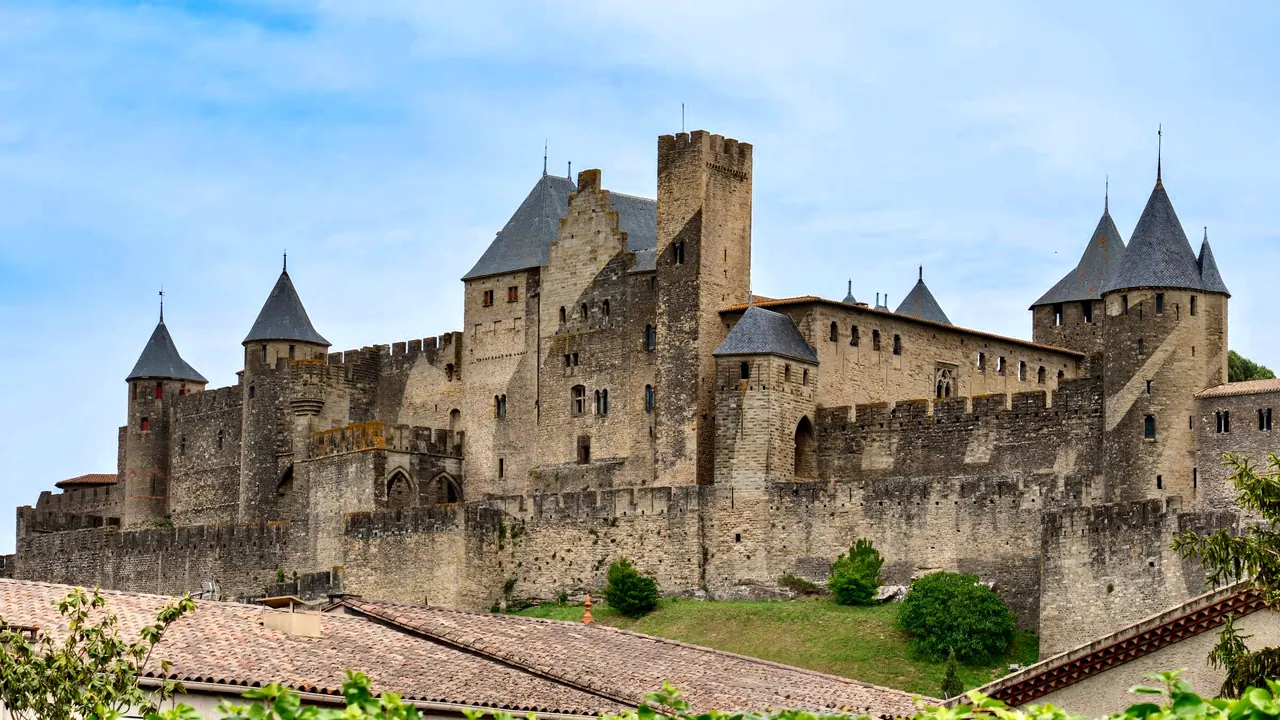
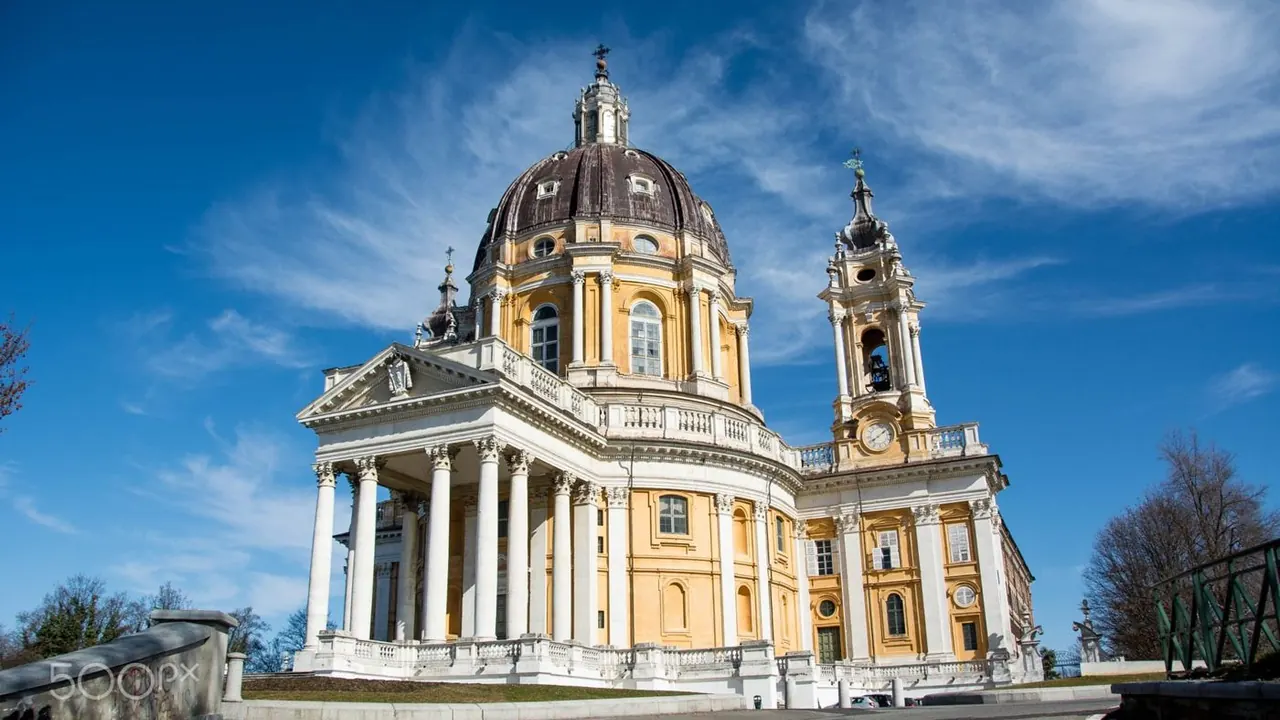
Photos: Carcassonne by Susanne Jutzeler, suju-foto, Pexels License; Turin by Konstantin Dacosta, CC BY 3.0, cropped.
Carcassonne or Turin?
Our verdict in twelve categories, each scored against the same fixed benchmark cities, and the climate month by month, so you can choose for your trip.
Choose Carcassonne for
- beaches
Carcassonne suits a slower trip built around one extraordinary sight. The walled Cité, the Canal du Midi and the Cathar castles in the Corbières reward a traveller who has a car, likes the Middle Ages and doesn't need late nights. With a supervised lake close by and Mediterranean sand an hour away, it is also the easier pick for a summer trip that includes some swimming.
Choose Turin for
- food and drink
- live music and the arts
- shopping
Turin is the fuller city by a wide margin. Go there to eat and drink well, from aperitivo in San Salvario to Barolo in the Langhe, and for the Museo Egizio, the Savoy palaces, opera at the Teatro Regio and the Alps on the horizon. It fills a week easily, while Carcassonne's sights fit into a couple of days.
Scoreboard
Twelve categories on one fixed scale from 0 to 100. The shaded stretch is the gap between the two.
Your match
Pick a travel style or drag the sliders, and both match scores follow your weighting.
Wins on beaches with your weighting.
Wins on food and drink and live music and the arts with your weighting.
What matters to you?
Category by category
What the scores mean for a trip.
Beaches & swimming
Neither city is a beach base, but Carcassonne comes far closer. The Lac de la Cavayère has sandy shores and lifeguards a short drive east of the Cité, and the shallow Mediterranean beaches at Gruissan and Narbonne-Plage make an easy day out by car.
Turin's nearest sea is the Ligurian Riviera, nearly two hours away. In practice, swimming there means a lake such as Avigliana or Viverone, or the longer trip to Lago Maggiore.
Food & drink
Carcassonne is a good place for one dish and its wines, while Turin is one of Italy's great food cities. In Carcassonne the meal to have is cassoulet, best eaten in the Bastide around Place Carnot rather than inside the Cité, with a Corbières red or a blanquette de Limoux. Beyond that, the choice rarely goes past southern French cooking.
Turin offers much more: agnolotti del plin, bollito misto, white truffles from the Langhe in autumn and Barolo on every wine list. Add gianduiotti and bicerin in the arcaded cafés and the huge Porta Palazzo market. Its only weak spots are street food and international cooking.
Culture & sights
Carcassonne has one tremendous sight. The double walls and towers of La Cité, the Château Comtal and the stained glass of Saint-Nazaire, plus the Bastide and the Canal du Midi, fill two days. After that, the museums run out.
Turin has far more depth. There is the Museo Egizio, the Royal Palace, Palazzo Madama and the cathedral of the Shroud, the Savoy residences around Venaria, the cinema museum inside the Mole and contemporary art at Rivoli. It is a city for several days of sightseeing, not a weekend.
Nightlife
Turin has a real evening culture, and Carcassonne mostly does not. After dinner in Carcassonne, the choice is a walk on the floodlit walls or a drink on Place Carnot. Anyone who wants a club goes to Toulouse.
In Turin, the night starts with aperitivo and moves on to small cocktail bars in the Quadrilatero, the student crowds of San Salvario, the more alternative Vanchiglia and, in summer, the Murazzi along the Po. The mood is sociable rather than wild.
Nature & outdoors
Both cities have good country around them, but Turin's is on a much grander scale. Around Carcassonne there are forest walks in the Montagne Noire, Cathar ridges in the Corbières, rafting in the upper Aude gorges and the flat, shaded Canal du Midi towpath for cycling.
From Turin, the Alps are an hour or so away: the Gran Paradiso with its ibex and hut-to-hut trails, Monviso on the skyline and skiing on the Via Lattea. The Superga hills and the Mandria forest are closer to town.
Day trips
Both are excellent bases. Turin is a little ahead, because its city excursions run by train. Carcassonne's region is about castles and villages: Peyrepertuse and Quéribus on their limestone ridges, Lastours, Minerve and Lagrasse. Toulouse and Narbonne are easy by rail, but almost everything else needs a car.
From Turin you can combine wine country with cities. The Langhe, with Alba and Barolo, lies about an hour south, and Milan is an hour away by fast train. The Sacra di San Michele, Roman Aosta and the port of Genoa add more choice.
Good for families
Both work for a few days with children, but in different ways. Carcassonne is a storybook castle, with jousting and falconry in summer and a lake beach and water park nearby. On the other hand, the Cité is steep, cobbled and crowded in high summer, which is hard work with a pushchair.
Turin is flat, covered by arcades and rarely crowded, and its attractions suit older children best: the glass lift up the Mole, the car museum and the Egyptian mummies. There is no zoo or theme park in the city itself.
Getting around
Carcassonne itself is small and simple: a flat Bastide beside the station, then a twenty-five minute walk uphill to the Cité. The difficulty starts beyond the town, where the castles and vineyards almost require a hire car.
Turin is easier on both counts. You can walk the grid-plan centre under its arcades, a driverless metro and trams fill the gaps, and the main stations connect well with the rest of Italy. A car is only needed for the wine hills and the mountains.
Shopping & style
Turin is a proper shopping city and Carcassonne is not. The lanes of Carcassonne's Cité sell plastic swords and Cathar souvenirs, and the Bastide has a modest high street. The best things to buy are tinned cassoulet, Limoux blanquette and produce from the market.
Turin has fashion labels under the arcades of Via Roma, boutiques around the Quadrilatero, antique dealers on Via Maria Vittoria, the Balon flea market and serious chocolate and truffle shops. Designer fashion is the one area where choice is limited.
Affordability
Overall costs are much the same, but the expensive parts differ. In Carcassonne, the Cité is where you pay more, for both hotels and meals, and prices rise sharply in July and August. Bastide rooms and cheap local wine keep the rest of the bill moderate, though car hire is an extra most visitors face.
In Turin, an aperitivo that replaces dinner and cheap public transport help a lot. Fine dining, the truffle season and the big trade fairs are when spending goes up.
Live music & performing arts
Carcassonne's performing arts are mostly in July: the Festival de Carcassonne in the open-air theatre inside the walls, then the Bastille Day fireworks over the ramparts. The rest of the year, there is only the municipal theatre's modest programme.
Turin has a full season all year: opera and ballet at the Teatro Regio, the RAI National Symphony Orchestra, concerts at the Lingotto, jazz clubs and long-running festivals. Its theatre is almost all in Italian.
Wellness & relaxation
Neither city has a bathing tradition, and Turin is only slightly better for a restful stay. In Carcassonne, the calm comes from the shaded Canal du Midi and quiet evenings on the walls, both harder to find in high summer. The modest spa villages of the upper Aude, such as Alet-les-Bains, are within an hour by car.
Turin keeps an unhurried pace all year, with long coffees in historic cafés, walks under the arcades and afternoons in Valentino park. For real thermal waters, Acqui Terme is close to two hours away.
When should you go?
Pick your month. The climate figures are measured averages, not a forecast.
Carcassonne in July
Turin in July
Daytime high, °C
Rainfall in the month, mm
Where the figures come from
Carcassonne has no rain gauge within 25 km of the centre, so its rainfall comes from a gridded climate dataset read at the city rather than from a gauge further away.
Carcassonne's sunshine is measured 68 km from the centre, at Perpignan.
Turin has no rain gauge within 25 km of the centre, so its rainfall comes from a gridded climate dataset read at the city rather than from a gauge further away.
Temperature and rainfall are climate normals, averaged over the years shown. Carcassonne: 1999-2020 (sunshine 1991-2020, rainfall 1991-2020) normals, Carcassonne (2.8 km from centre). Turin: 1991-2020 normals, Torino / Caselle (15.4 km from centre).
Both cities reach about 29°C in July and August. That is warm enough for the lake outside Carcassonne, though it makes the Cité's ramparts hard going at midday. Carcassonne's driest and sunniest weather comes in high summer, with only 22mm of rain in July. Its wettest months run from October to January. Its winters are also a few degrees milder than Turin's, so walking the streets between November and February is more comfortable.
Turin follows a different pattern. Late spring is its wettest season, with around 115mm in May, and summer still brings steady rain along with the humid heat. Winter is cold, about 7°C by day, but it is the driest part of the year, which suits museums and the Alpine snow. In both cities September is the best compromise. It is still warm but past the peak heat, and in Turin it is wetter than winter but drier than late spring.
Which traveller are you?
On a beach and sun trip, Carcassonne is clearly the better of these two inland cities. The sandy, lifeguarded Lac de la Cavayère is a short drive from the Cité, and Gruissan's long beaches are about an hour away. From Turin, the Ligurian coast is nearly two hours.
For a food and nightlife trip, Turin is far ahead. You get agnolotti, vitello tonnato and Langhe truffles, an aperitivo generous enough to replace dinner, then wine bars in the Quadrilatero and crowded pavements in San Salvario. Carcassonne has cassoulet and quiet terraces.
On an outdoors trip, Turin has the Alps about an hour away: Gran Paradiso's high trails with ibex, climbing, mountain biking and, in winter, skiing around Sestriere. Carcassonne's Montagne Noire forests and Corbières ridges are good walking country, but on a much smaller scale.
Before you go
| Measure | Carcassonne | Turin |
|---|---|---|
| Official language | French | Italian |
| Currency | Euro (EUR) | Euro (EUR) |
| Sockets | CE230 V, 50 Hz | CFL230 V, 50 Hz |
| Driving side | Right | Right |
| Time zone | UTC+1, UTC+2 in summer | UTC+1, UTC+2 in summer |
| Emergency number | 112 | 112 |
| Elevation | 81 m | 239 m |
| Main airport | Carcassonne Salvaza Airport (CCF)4 km from centre10 non-stop destinations | Turin Airport (TRN)14 km from centre65 non-stop destinations |
| Public holidays this year | 11 days | 13 days |
By the numbers
| Measure | Carcassonne | Turin |
|---|---|---|
| City population | 46,080 | 841,600 |
| People per km² | 708 | 6,474 |
| Museums within 10 km | 6 | 72 |
| UNESCO World Heritage sites within 50 km | 2 | 4 |
Where else could you go?
Every comparison below shares a destination with this one, so you can follow Carcassonne or Turin somewhere new.
- Toulousevs Carcassonne
- Zermattvs Turin
- Chamonixvs Turin
- Genoavs Turin
- Milanvs Turin
- Montpelliervs Carcassonne